

When a brand launches a new model, it expects it to make a significant impact, at the very least to recoup its investment and climb the sales charts. However, some projects, no matter how well-conceived, are simply not well-received by the public. The Toyota Venza is one such example; despite being destined for success in the US , the brand had to discontinue it due to poor sales.
The first generation of the Toyota Venza arrived in 2008. It has remained in production in Japan to this day, but it was discontinued in North America in 2015. With the second generation, the Japanese automaker hopes to regain the trust of those who didn't support it initially. Now, it returns as an SUV , leaving behind the strange experiment of its predecessor and offering a level of quality and refinement typically found in higher segments.
The Toyota Venza evolves the aesthetic code of the Highlander
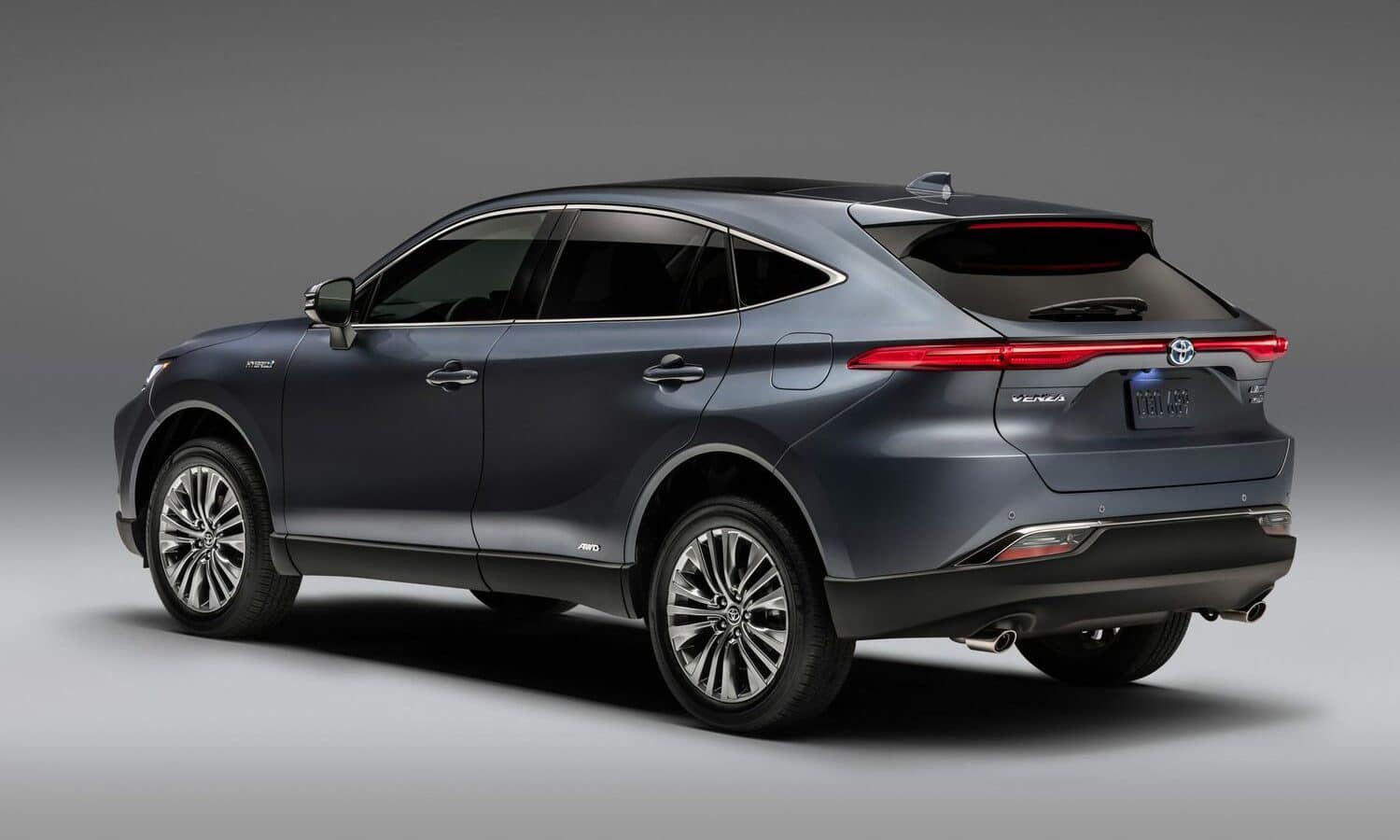
Yesterday we told you about the new generation Toyota Sienna . This minivan debuts a much more modern and sporty design, adjectives that could also describe the Venza. Furthermore, we can't overlook the fact that it borrows some of its styling cues from the Highlander . Even so, the evolution between the two is clear, as the latter aims to capture the attention of a more dynamic audience with an active lifestyle.
The front of the Venza stands out thanks to its sharply styled LED headlights . These flank a small grille with a streamlined interior. The central section houses the brand's logo, and its design offers clues about the powertrain that will propel it. Below, a simple bumper integrates a large , partially enclosed air intake .

The side view is the most dynamic , primarily due to two elements. The first, and most prominent, is the sloping roofline. The second is the shape of the wheel arches and the character lines that run along the body. The elegant counterpoint comes from the chrome trim around the windows. The alloy wheels are up to 20 inches, giving the car a coupé-like appearance.
Finally, there's the rear. Its lines follow the trend seen in the rest of the body: they are sharp and defined. The rear window is small, as are the LED taillights. Both are connected in the center by a thin strip that also incorporates the same technology. They are very reminiscent of those on the Highlander, although in this case, the level of dynamism they aim to convey is higher.
State-of-the-art interior in quality, safety and technology
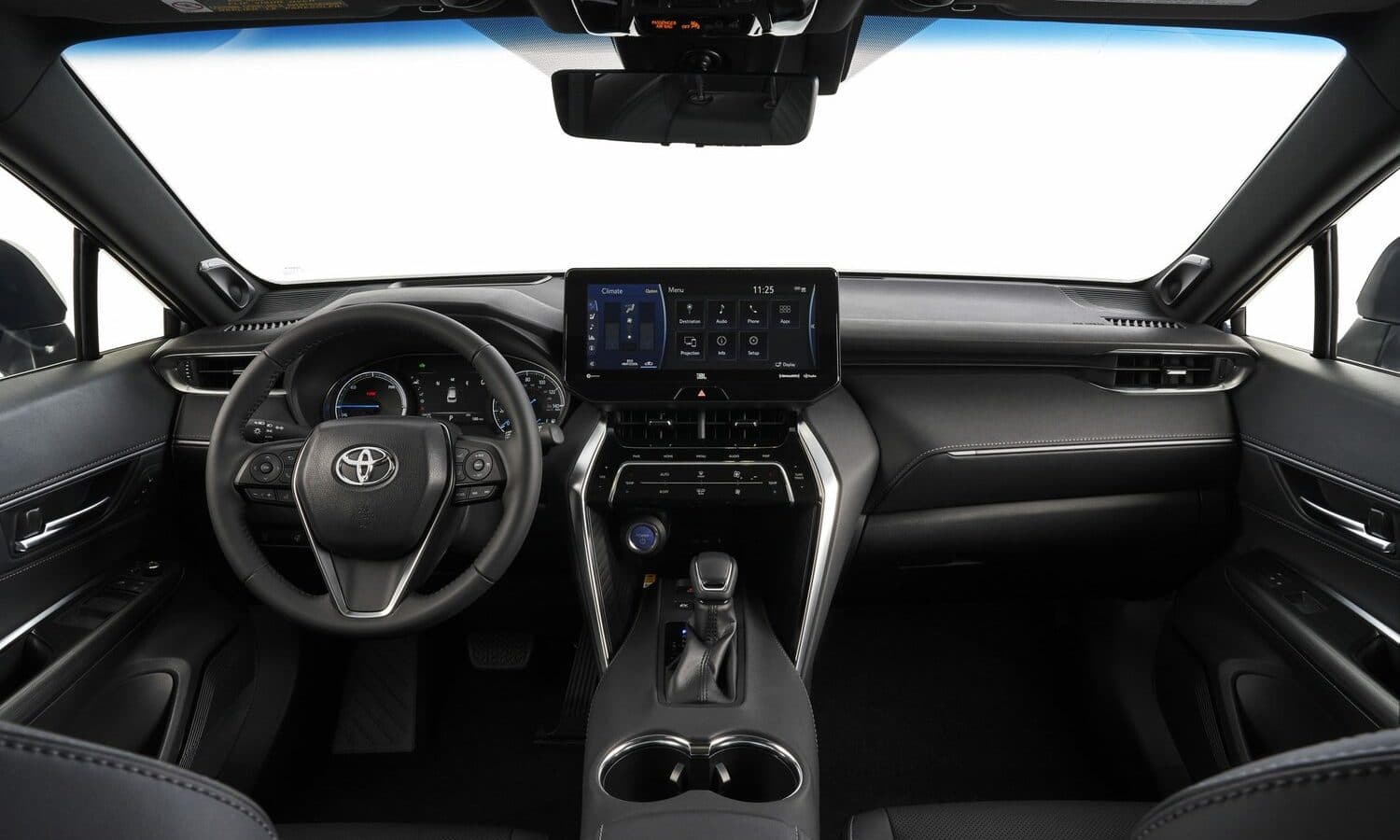
The interior of the Toyota Venza looks modern and highly technological . It's unmistakably a Toyota, recognizable for its clean and uncluttered design. The most striking area is the upper center console, primarily due to the inclusion of an 8-inch touchscreen in the base models and a 12,3-inch screen in the higher trims. The instrument cluster has also embraced digital technology , featuring a 4,2-inch or 7-inch display.
Details regarding interior space have not yet been released. The Venza is positioned between the RAV4 and Highlander, so in terms of size and cargo space, it will fall somewhere between the two. However, there will be no differences in equipment options . The SUV is available in three trim levels familiar from other models in the brand: XLE, Limited, and Platinum.
Among the new features is the Toyota Safety Sense 2.0 safety system . It will be standard from the XLE trim level and will include features such as adaptive cruise control with stop & go and automatic emergency braking. Lane departure warning with steering assist and road sign assist are also included. For entertainment, connectivity options include Apple CarPlay, Alexa, and a premium JBL sound system.
Hybrid mechanics, following in the footsteps of Toyota
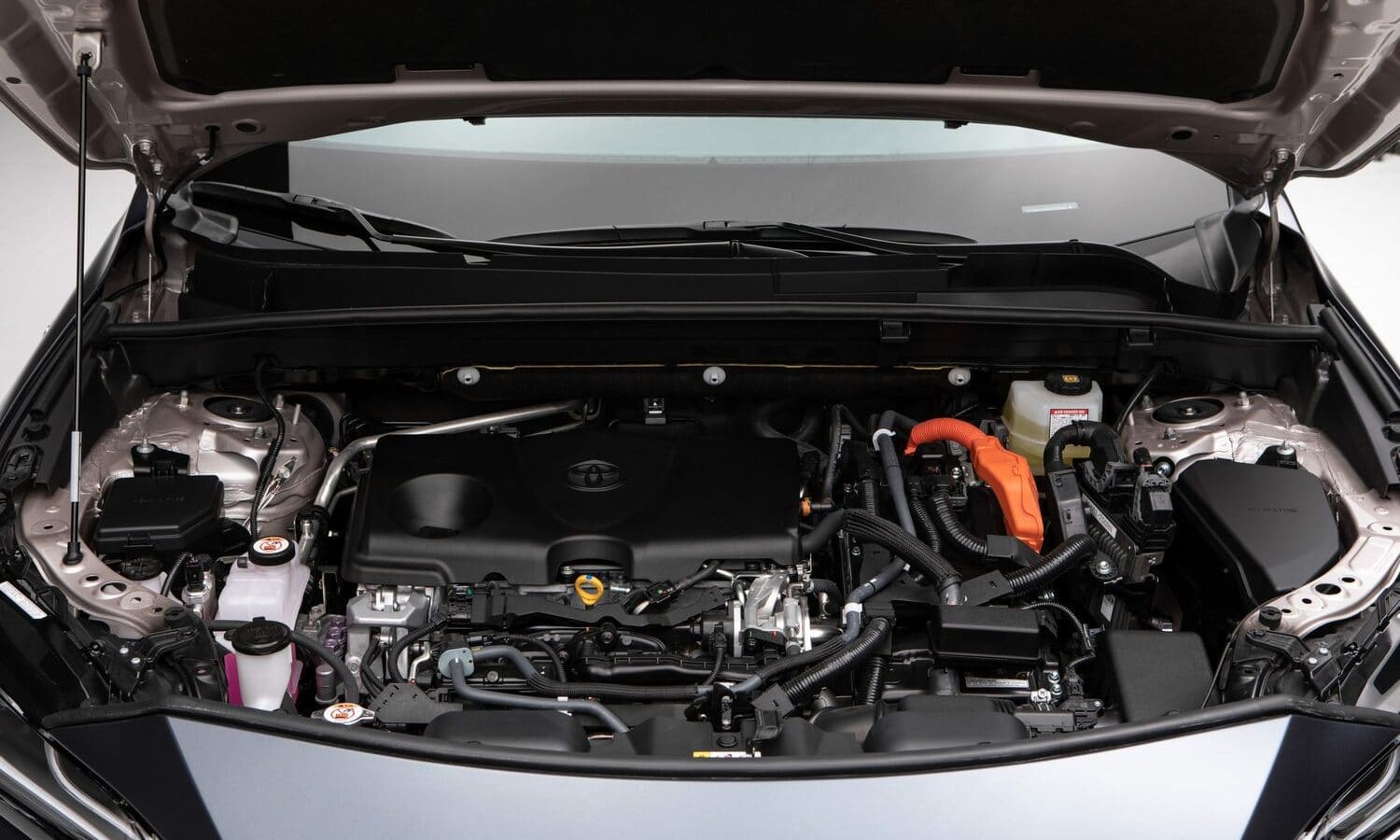
Toyota maintains its philosophy and roadmap for the Venza's powertrain. This means it features a hybrid system that combines a 2.5-liter Atkinson-cycle gasoline engine with two or three electric motors. The front-wheel-drive version uses two, while the more capable all-wheel-drive version uses three. In all cases, the combined output is identical, at 163 kW (221 hp).
For its operation, the brand relies on the latest evolution of its e-CVT automatic transmission . The electric powertrain benefits from a regenerative braking system that can recover energy at various levels. All of this is made possible by the use of the modern TNGA modular platform in its K variant. This is the same platform used by the new Camry and its larger sibling, the Highlander.
The new Venza is expected to arrive in the American market next summer . No pricing has been announced yet, although it will be positioned between the RAV4 and Highlander. We'll have to see if they decide to launch it in Europe, but we don't think so. Place your bets.
Source – Toyota
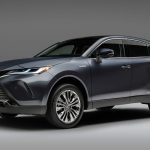
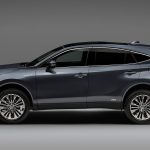
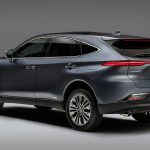
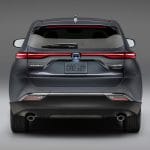

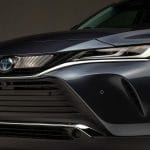
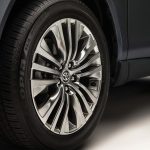
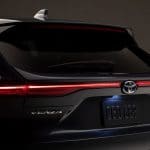
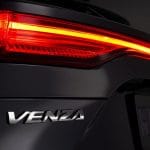
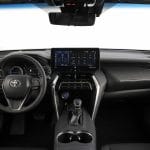
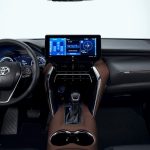
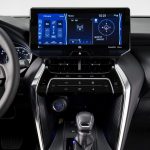

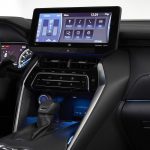
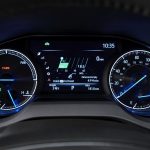
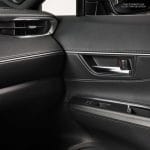
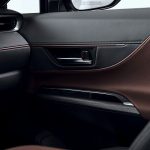
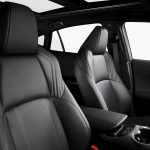
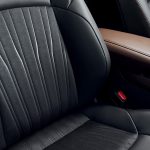

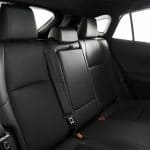
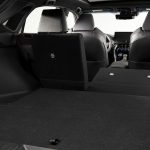
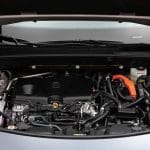

Table of Contents