

The explosion in the SUV segment has forced all manufacturers to enter it, whether they like it or not. To do so, they have to invest huge sums of money that they may or may not recoup. Moreover, it's no longer enough to have just one or two models of this type, as they have absorbed every single segment of the market. Toyota is a prime example , having expanded its lineup with two new additions in just two months.
The latest addition is the Toyota Corolla Cross , the off-road version of the world's best-selling model. Its arrival was announced some time ago, although with the C-HR already in the lineup, we didn't think it was necessary. However, the company's management felt it was, and there's a reason for that. The Corolla Cross will improve the C-HR's spaciousness and versatility and, compared to the RAV4, will offer a more affordable entry point into the range.
The body of the Toyota Corolla Cross is youthful and attractive
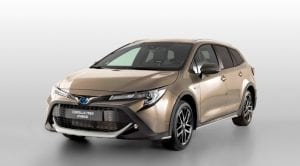
Looking at the Toyota Corolla Cross , we see that the similarities with the hatchback are few. Furthermore, it doesn't share the family resemblance of the Yaris Cross, C-HR, and RAV4, forging its own path to appeal to a broad audience. It stands out for its powerful front end, where two elements immediately catch the eye: first, the large grille , and second, the sharply styled headlights reminiscent of those on the Stelvio.
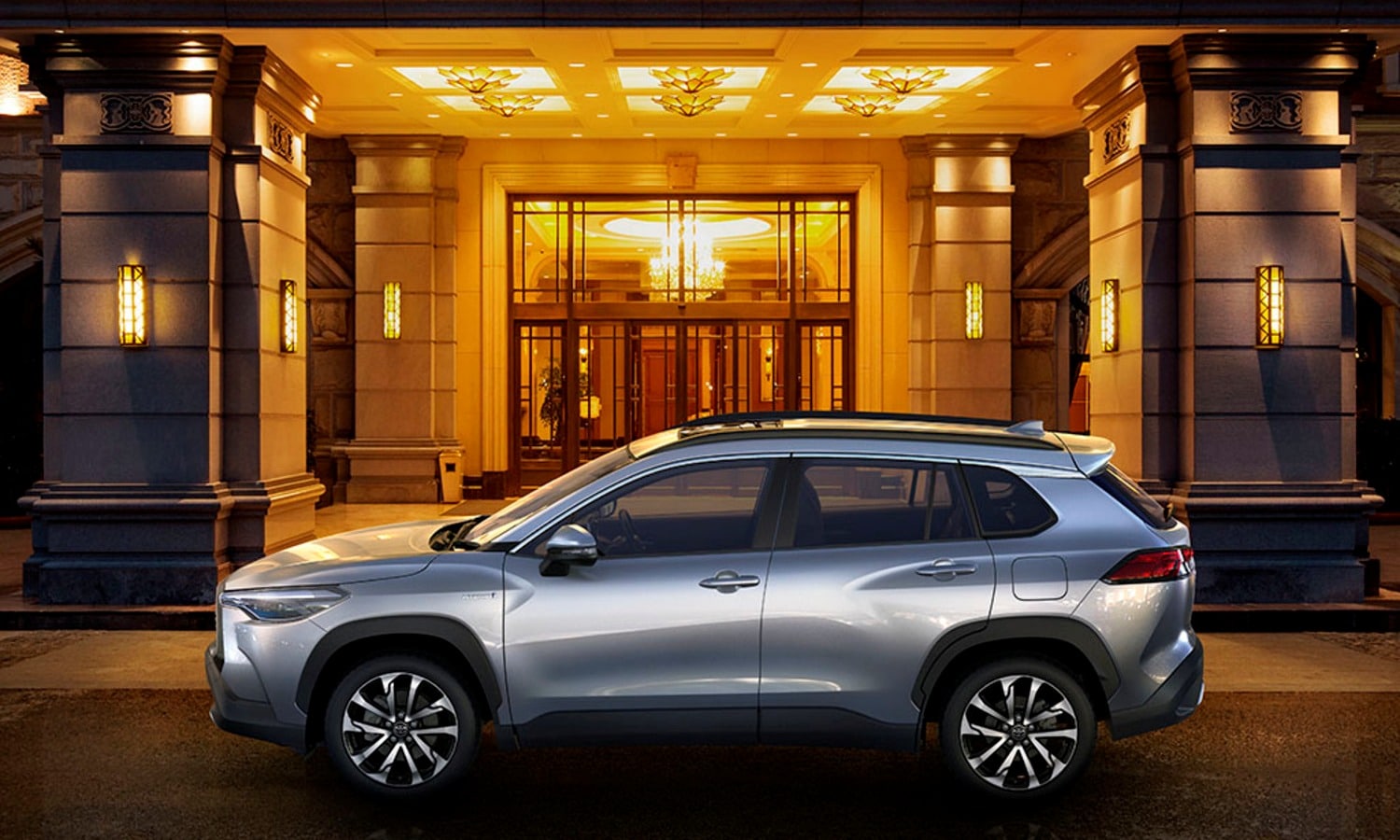
The side profile is muscular , with character lines that emphasize the wheel arches. The lower part of the doors is also sculpted, connecting to the plastic cladding along the lower body. We also can't overlook the sloping roofline, which, while subtle, adds a dynamic touch. Finally, there are black roof rails and attractively designed alloy wheels.
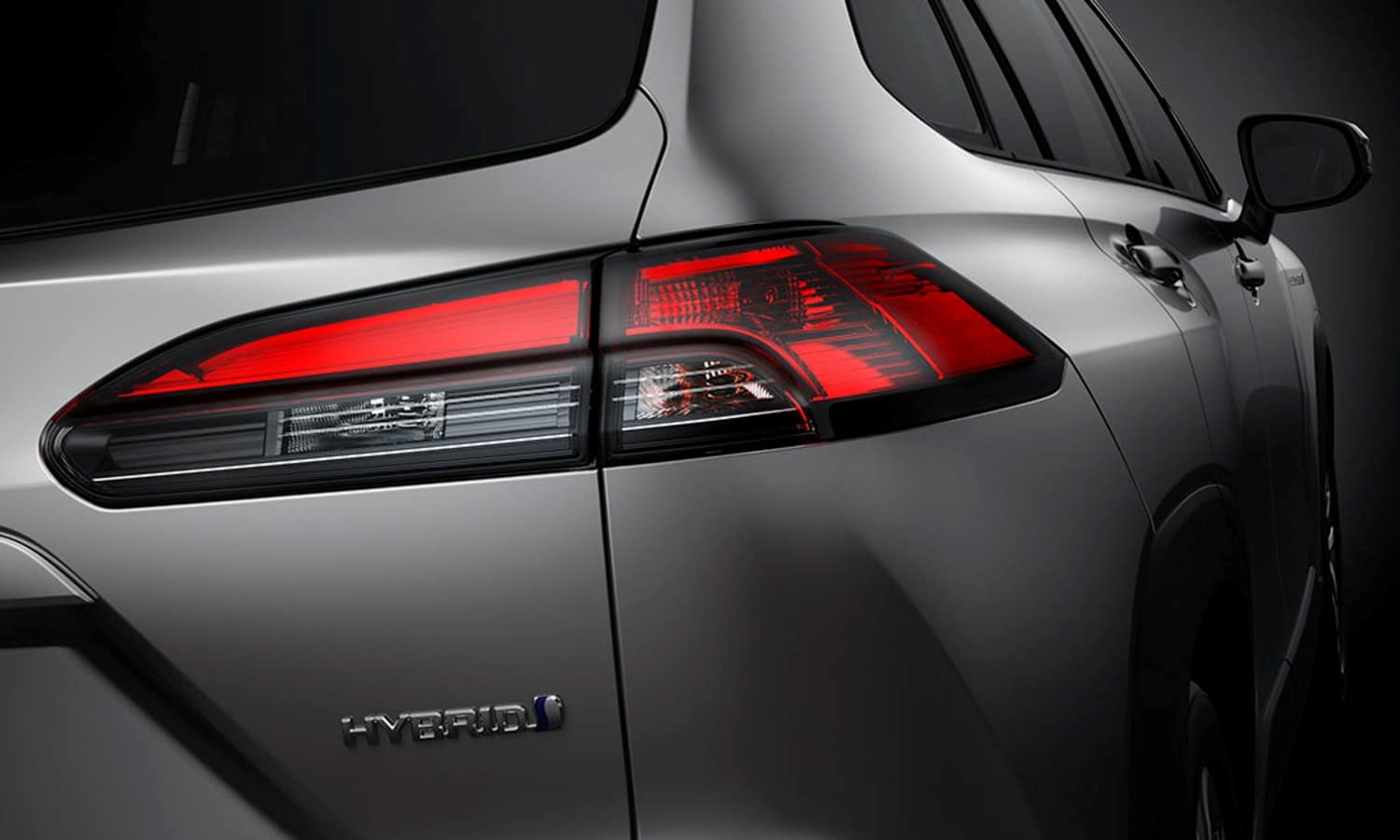
Finally, we have the rear end. Its lines are simpler, though not necessarily less appealing. The size of the rear window is well-chosen, as are the shape and internal configuration of the taillights . The tailgate, while not exactly the same, vaguely resembles the one on the Harrier, especially the license plate holder. Lastly, there's a simple bumper that integrates a chrome-finished diffuser in the lower section.
Logical, technological and quality interior: typical Toyota
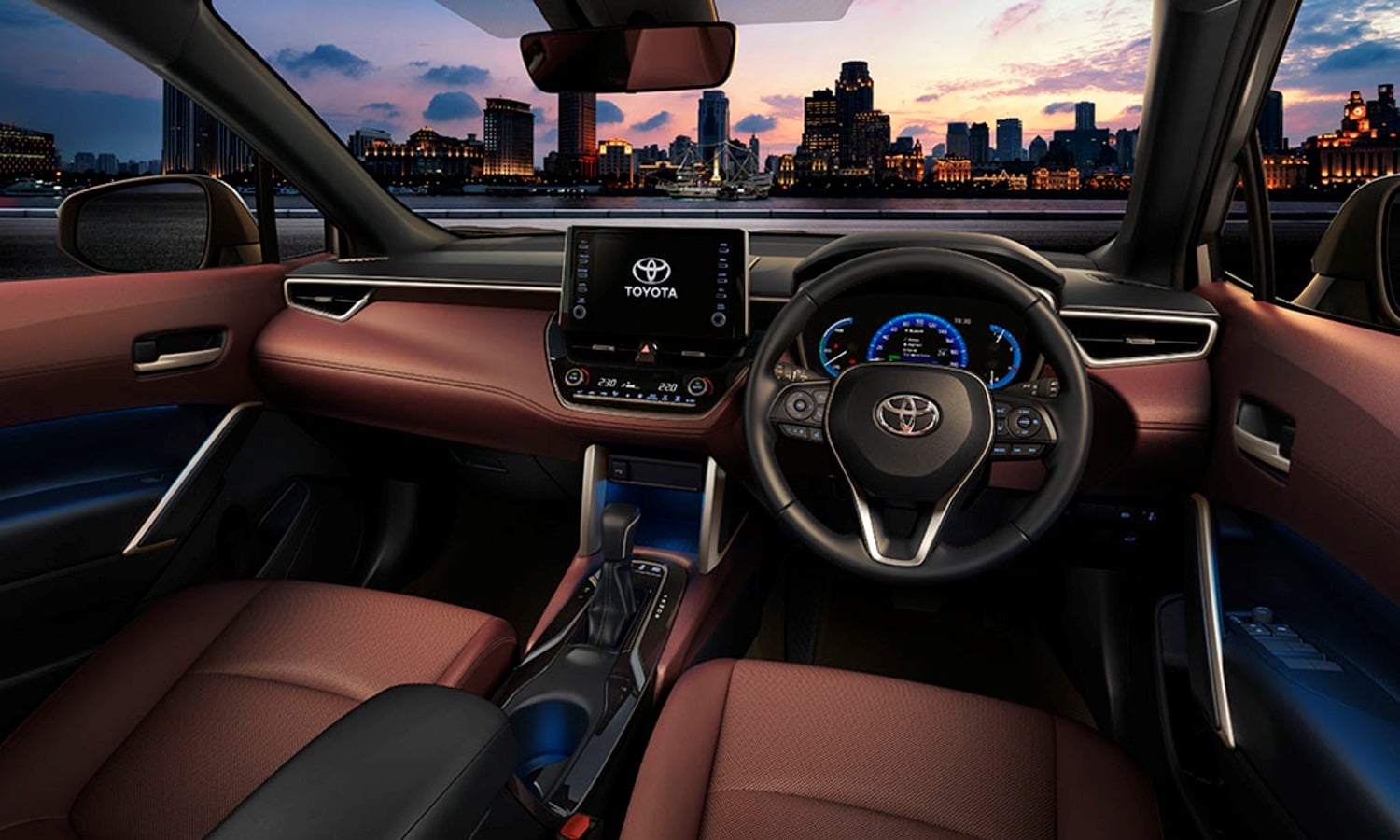
While the Toyota Corolla Cross's exterior may not resemble that of its hatchback sibling, the interior is a different story. The project's designers have cleverly utilized existing components to create a well-organized and high-quality cabin . Highlights include the floating touchscreen display and the meticulous attention to detail in assembling the various materials. The digital instrument cluster is also noteworthy.
We don't yet have details on equipment, although Toyota's Safety Sense system will be standard . There's no information on interior space either, but since it's based on the TNGA (GA-C) platform, it should be spacious. The trunk capacity will be average for the segment, offering 440 liters with a space-saver spare tire or 487 liters with a tire repair kit.
The Toyota Corolla Cross uses the TNGA (GA-C) platform.
Finally, let's take a look at the Toyota Corolla Cross's engine options . Since it was launched in Thailand, the range won't be exactly the same for the European market. It offers two powertrains: a gasoline engine and a hybrid. The gasoline engine is a 1.8-liter 2ZR-FBE unit producing 140 hp and 177 Nm of torque, managed by a Super CVT-i transmission.
The second option combines a 1.8-liter, 98-hp 2ZR-FXE THS II engine with a 72-hp electric motor. It uses the latest evolution of the CVT transmission. In all cases, power is sent to the front wheels, and the suspension is a torsion beam. All of this is to move a body that measures 4,46 meters long , 1,82 meters wide, 1,62 meters high, and has a wheelbase of 2,64 meters.
And when will it arrive in Europe?
The Toyota Corolla Cross will soon go on sale in the ASEAN region. It will later expand to other parts of the world, including Europe and the Americas. The exact date is still to be determined, but it is likely to be available between the second and third quarters of 2021.
Source – Toyota




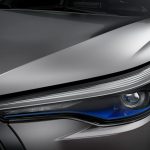

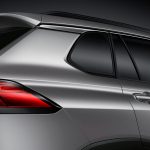
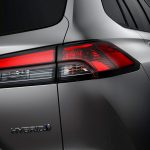





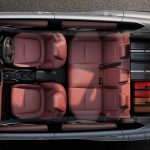
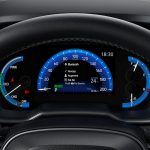

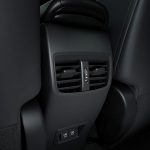
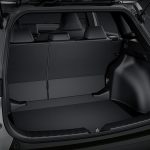

Table of Contents