

Although oil is a fundamental part of our daily lives, its origin, composition, and uses may not be fully understood by many of us. Furthermore, we have long been misled about this fossil fuel, and the reality is quite different.
Here we'll clear up all the secrets, from what it is to the lies we were taught in school textbooks for generations. Because, well, maybe not everything is what it seems. So we're embarking on a new mission: we'll unravel the mysteries of oil, from its geological formation to its refining and applications in various sectors.
What is oil?
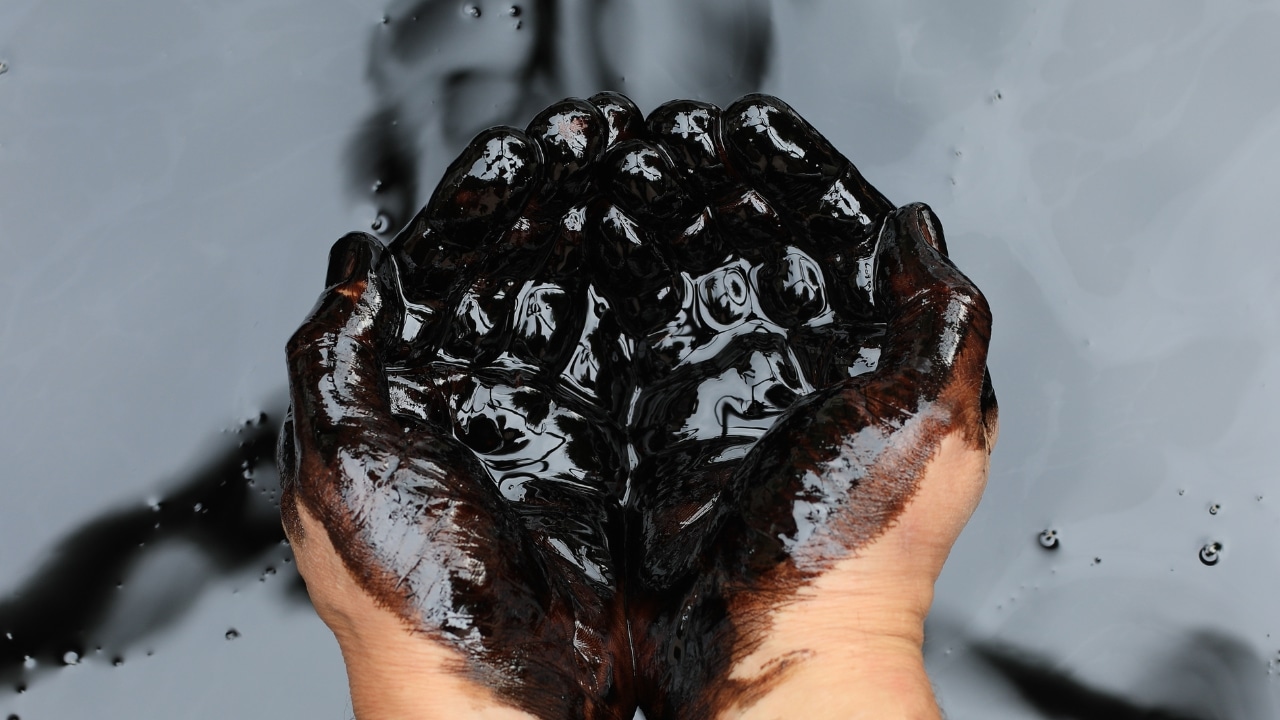
Petroleum , or crude oil, is a natural resource formed by the decomposition of organic matter over millions of years. It is a complex mixture of hydrocarbons, organic compounds containing carbon and hydrogen. Crude oil, as extracted from deposits, is a dark, viscous substance with a characteristic odor that can be mild or more pronounced depending on the impurities present, and its composition can vary depending on the geographic region. Density is another factor that can vary depending on the type, but most crude oils float on water, and therefore have a density similar to oil; others, however, sink.
As for its chemical composition , as I mentioned, it is made up of hydrocarbons that are mainly divided into two categories: aliphatic (linear or branched) and aromatic (closed rings of carbon atoms). It also contains other components or impurities, such as sulfur, oxygen, nitrogen, and traces of metals like vanadium and nickel, and even others depending on the geographical location or deposit from which it is extracted. If you want the percentages, the data are:
- Crude hydrocarbons:
- Paraffins (15-60%)
- Naphthenes (30-60%)
- Aromatics (3-30%)
- Asphalt (rest)
- Elemental chemicals:
- Carbon: 83 to 97%
- Hydrogen: 10 to 15%
- Nitrogen: 0.1 to 2%
- Oxygen: 0.05 to 1.5%
- Sulfur: 0.05 to 6.0%
- Metals:
- Less than 0.1%, the most common being iron, nickel, copper and vanadium.
- Other impurities.
Geological formation
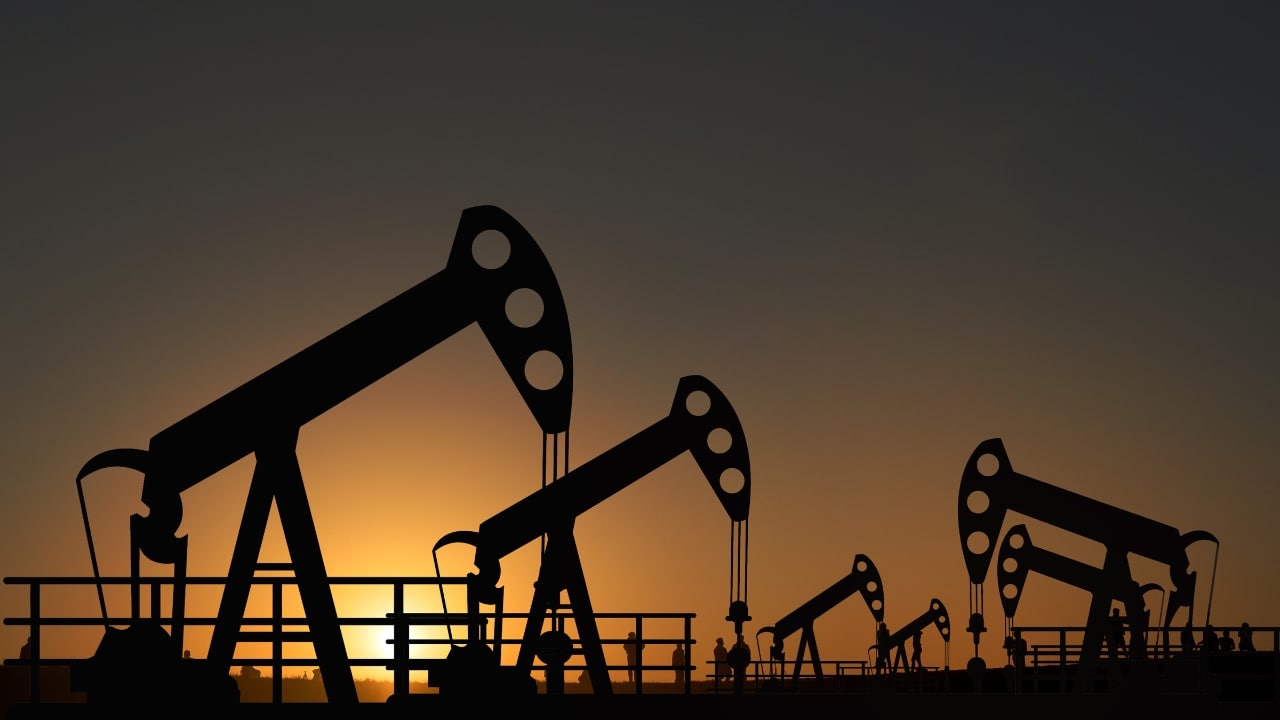
Contrary to popular belief, oil doesn't come from dinosaurs or rotten trees buried thousands of years ago. In reality, oil originates from fatty molecules called lipids, which were once found in plankton. Plankton consists of very small, floating organisms, including single-celled and very small multicellular plants (algae), as well as protists and microscopic animals. So, this is the first lie you've been told: it's not decomposed dinosaurs floating in your fuel tank. Among other things, consider that not all dinosaurs died in the same area where the oil deposits are located; their bodies were distributed more evenly across the Earth.
The process of oil formation is a natural phenomenon that takes millions of years to complete . It is believed that most of the oil extracted today began forming in the Mesozoic Era, a geological era that began 251 million years ago and ended 66 million years ago. The remains of plankton settle on the ocean floor or in swamps, where they undergo physical and chemical processes under high temperatures and pressure. These processes transform the plankton remains into oil.
Where is it located
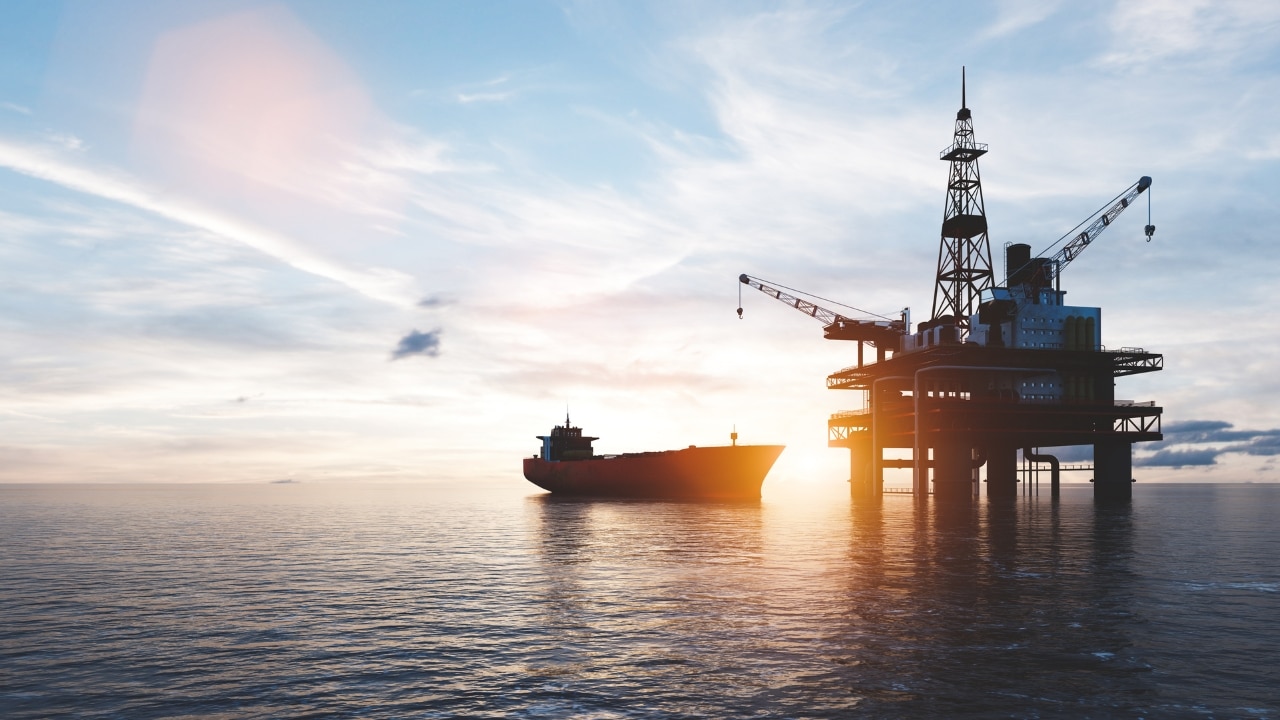
Oil and natural gas are found in porous rocks or geological formations hundreds of meters below the surface . These porous rocks are generally sandstones, but oil can also be found in limestones that have high secondary porosity due to fracturing. Experts know this, and by conducting research in these areas, they can determine whether or not this resource can be found.
The generalized system where oil and gas are found is known as an oil trap. Generally, oil is always found below gas and above water, due to the difference in density. I'm referring to groundwater or aquifers, since, as you know, there are also oil deposits under the sea, which is why oil platforms are installed there.
There are several methods for finding oil , including geological and geophysical techniques. Here are some of the most common methods:
- Surface exploration: includes large-scale topographic surveys and superficial geological surveys in areas where sedimentary rocks emerge.
- magnetometer method: This method is based on the study of the arrangement of each soil layer and rock types. This measures variations in the Earth's magnetic field that may indicate the presence of oil.
- satellite method: This method allows the study of the structure of a large area of soil with high precision.
- Gravimeter: Rocks that contain oil have a different gravitational pull than those that do not.
- Seismograph: This instrument detects and measures seismic waves. By generating seismic waves and measuring how they reflect off different layers of rock, geologists can create a map of underground structures.
Once an area with oil deposits has been detected, a well is drilled to a certain depth to reach it. In some cases, these wells can reach depths of up to 6000 meters, or 6 km, underground or under the seabed. The drilling and extraction process is usually straightforward once the location is identified. However, it's important to note that these methods do not guarantee the presence of oil; the only sure way to know if oil is present in a location is through drilling.
Applications What components are obtained from it?
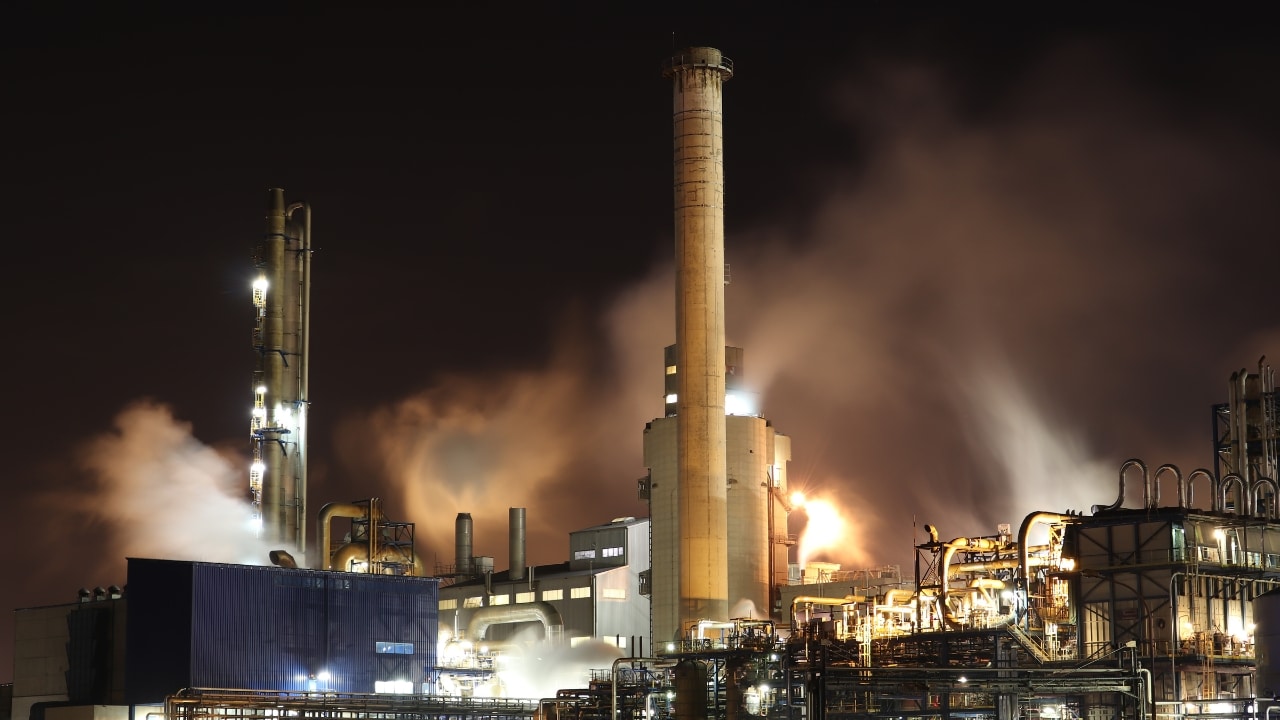
Oil is a non-renewable energy source used to produce a wide variety of products —more than you might imagine. Some of the most common ones we use daily are:
- Fuels and gasoline: They include gasoline, diesel and kerosene.
- Lubricants: They are used to reduce friction between moving surfaces, such as synthetic oils used in the motor industry.
- Butane gas: It is used in lighters and for cooking.
- Detergents: They are used to clean clothes and other products.
- Tar: They are used in road construction, mixing tar with gravel to produce asphalt. Also for cigarettes.
- Plastics: A large amount of plastic polymers are derived from petroleum, as well as rubber, rubber and synthetic latex.
- Paints, solvents and varnishes: They are used to protect and decorate surfaces.
- Waxes and glycerin: from candles to beauty products.
- Plant protection products: within this type we have many types of chemicals for the field, such as herbicides, pesticides and fungicides.
- Beauty products: include shampoos, some soaps, conditioners, creams, makeup, Vaseline, cosmetics, perfumes, etc.
- Synthetic fibers: textile fibers and fabrics, such as polyester, are made with them.
- Tires: The synthetic rubber used in car tires is also derived from petroleum.
- Drugs and supplements: Some medications and vitamin supplements are derived from petroleum. For example, some chemicals used in antihistamines, antibacterials, suppositories, syrups, pain relievers or gels.
And these are just a few examples, the oil industry is immense... that's why it moves so much money.
What is the refining process
The oil refining process is a series of steps that yield various derivative products. When crude oil arrives at the refinery, it is pumped from the storage tanks into boilers where it is "cooked," and the following steps take place:
- Distillation: Crude oil is heated and introduced into a distillation tower. Here, the different components of oil are separated according to their boiling points. Lighter products (such as natural gas) rise to the top of the tower, while heavier products (such as lubricating oil and asphalt) stay at the bottom.
- Conversion or cracking: The heavier products of distillation undergo cracking processes to break down their large molecules into smaller molecules. This can be done by thermal cracking (using heat and pressure) or catalytic cracking (using a catalyst to facilitate the reaction).
- Reformed: In this stage, the molecular structures of hydrocarbons are changed to improve the quality of final products, such as gasoline.
- Treatment- Products from previous stages are treated to remove impurities and improve quality. This can include processes such as hydrodesulfurization (to remove sulfur) and hydrotreating.
- Combination: In some cases, smaller molecules can be combined to form larger molecules, depending on market needs. For example, this is where the processes known as Fischer-Tropsch occur, allowing the production of liquid hydrocarbons such as diesel, lubricants, gasoline or kerosene from gas through synthesis, or polymerization, a chemical process in which the reactants or low molecular weight monomers chemically group together to form a larger, heavier molecule called a polymer. For example, gasoline could be obtained from diesel, etc.
World reserves: most important deposits
The world's most important oil fields include:
- Ghawar field in Saudi Arabia: It is the largest oil field in the world, with a daily production of around four million barrels of crude oil, approximately 6% of global production. The total capacity of the Ghawar reserve is estimated between 88.000 billion and 104.000 billion barrels.
- Burgan field in Kuwait: It is one of the largest oil fields in the world.
- Safaniya field in Kuwait/Saudi Arabia: an area close to the previous two.
- Gachsaran Field, Ahvaz Field, Aghjari Field and Esfandiar Field in Iran: other of the greatest.
- Bolivar Coastal Field in Venezuela: without a doubt another of the greatest of all known.
- Kashagan Field and Tengiz Field in Kazakhstan: Large deposits of crude oil have also been found here.
There are also important reserves in the United States and Canada, as well as in Russia and other areas of the planet. But, as you see, the most important ones are concentrated in a very specific geographical area. That is, more than half of the reserves are located in the Middle East. Have you ever wondered why there are so many wars in that area? Well that...
The presence of large oil reserves in the Middle East is primarily due to the region's geology. For millions of years, the region was covered by shallow seas that allowed for the accumulation of organic matter. This organic matter transformed into oil and natural gas through a process called diagenesis, which involves exposure to high pressures and temperatures over long periods. Furthermore, the Persian Gulf region supplies 30% of the world's oil. This is partly due to the region's enormous oil reserves, which exceed 855 billion barrels. With new exploration and extraction technologies, reserves outside this region have increased, not because more oil is being formed, but because more is being discovered.
The big lie: fossil fuel and supplies

The other big lie about oil concerns the amount that exists, the reserves. When I was in school, the textbooks said there was only enough oil left for the next 50 years . But that was quite some time ago, so if those predictions were true, we would soon be running out of those reserves. However, in later years, some oil fields indicated they had enough oil to supply the entire world for 60 years or more, not counting other fields. Why have we been lied to?
Well, the story is interesting, as it also led to the coining of the term "fossil fuel" to describe oil. It's true that it's a finite resource and that we must avoid depending so much on it for the sake of our health and the environment—of that there's no doubt—but this name reveals that it's a limited, finite substance. And along with the threats of its depletion, some of the lobbies or magnates in this sector were able to take advantage of the situation to raise prices, given that it was a limited resource. Specifically, it's said that the term is attributed to Rockefeller, one of the most powerful magnates in the world, who lives primarily off this industry…
The petrodollar

The petrodollar is a term that refers to US dollars earned through the sale of oil. This concept was coined by Ibrahim Oweiss, an economics professor at Georgetown University, in 1973. Petrodollars represent the revenue generated from oil exports.
Oil is paid for in dollars due to a 1973 agreement between the United States and Saudi Arabia . Under this agreement, each barrel of oil would be traded in Federal Reserve dollars in exchange for American weapons and military protection of Saudi oil fields. This system created a large, artificial demand for dollars worldwide, as the need for more crude oil led to increased production of the US currency.
This agreement was extended in such a way that any country that wanted to buy oil was obliged to exchange its national currency for American dollars. As a result, some oil-exporting countries, such as Saudi Arabia, accumulated large surpluses of US dollars. Although some have historically opposed this being the case, and have proposed paying it with gold or other currencies...
Big oil companies
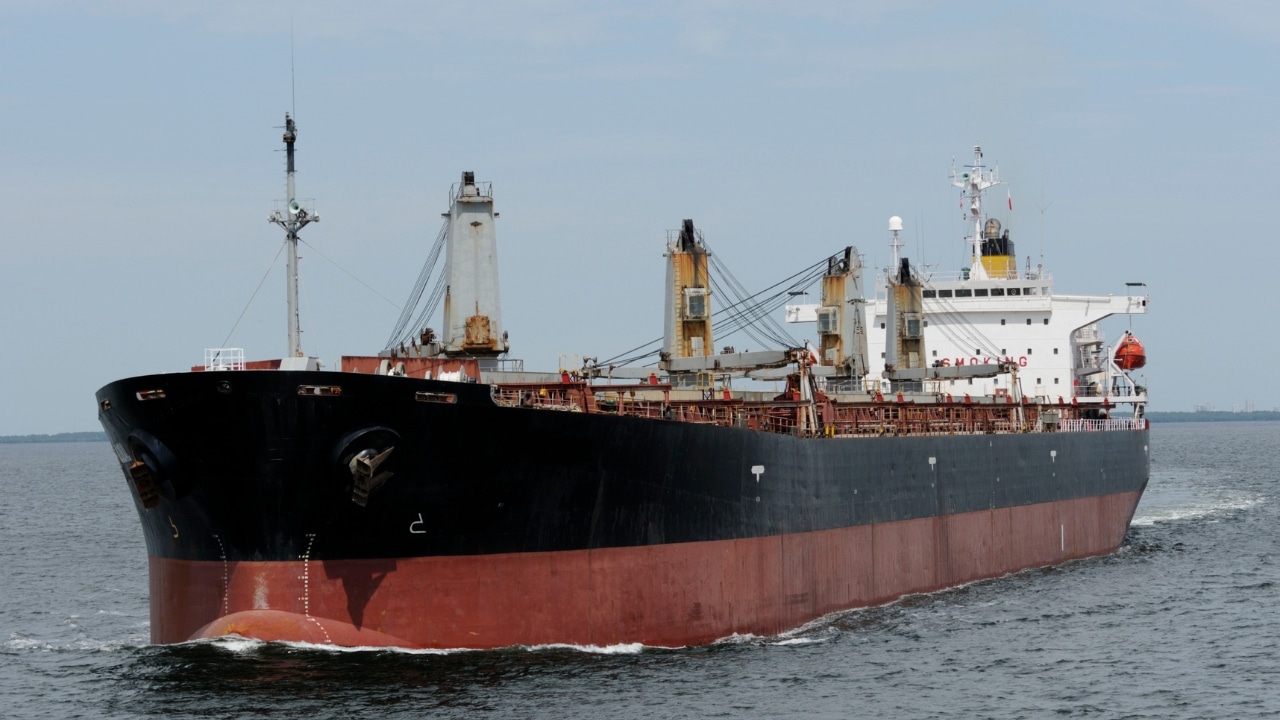
Here's a list of some of the world's largest oil companies :
- Gazprom: is the largest publicly traded energy producer in the world, with 8,38 million BOE/day of production.
- Rosneft: It is the largest publicly traded oil company in the world. The most recent figures indicate 5,07 million BOE/day of production.
- ExxonMobil: ExxonMobil's 4,10 million BOE/day of production places it behind the two Russian giants.
- PetroChina: PetroChina's production is practically equivalent to that of ExxonMobil at 4,07 million BEP/day.
- BP (British Petroleum): It leads the European top with 3,24 million BEP/day of production.
- Royal Dutch Shell: produced 2,95 million BEP/day of production in 2015.
These companies are recognized for their large size and influence in the global energy sector. However, there are many more, some of them are not producers, simply distributors...
Oil-related environmental disasters
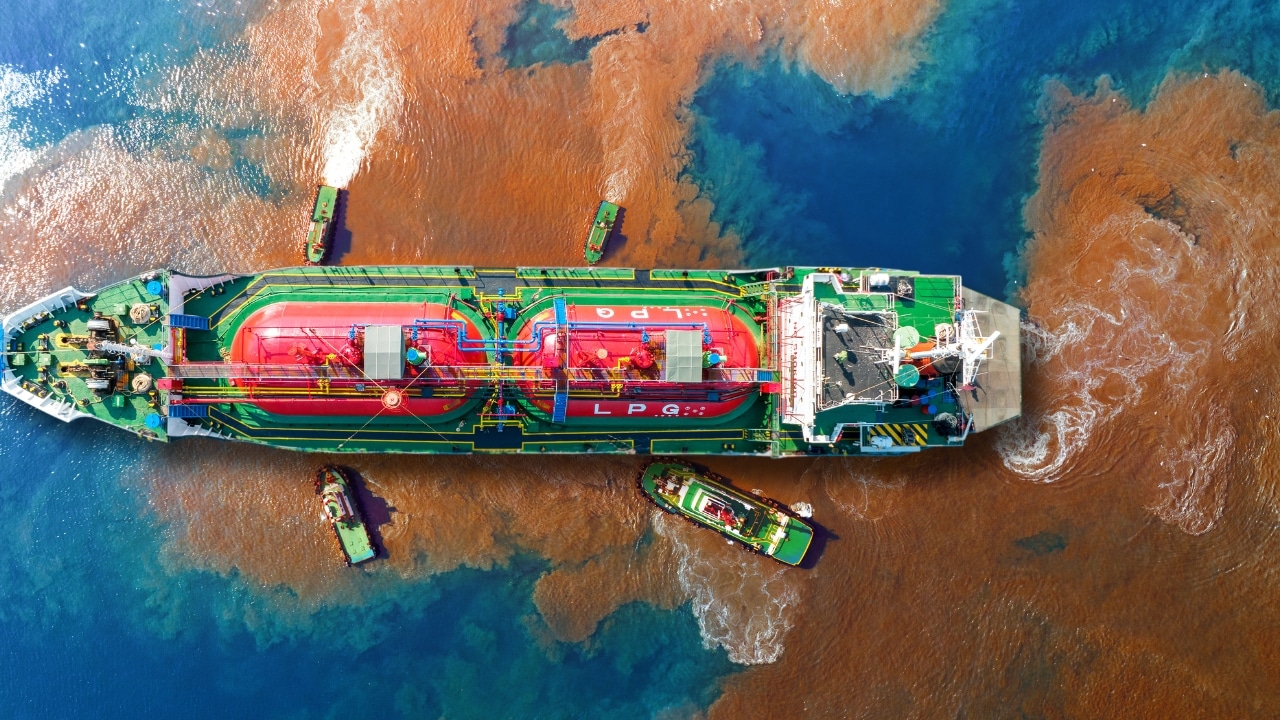
Some of the biggest environmental disasters related to oil are:
- Exxon Valdez: On March 24, 1989, this American ship collided with a reef in the Prince William Sound estuary (Alaska), spilling 42.000 tons of oil into the water and causing a 6.000 square kilometer oil spill.
- Amoco Cadiz: This oil tanker caused an ecological catastrophe off the coast of Brittany on March 16, 1978. A storm caused considerable damage to the ship, which ended up breaking into two halves, spilling 68,7 million gallons of oil and contaminating about 200 miles of Brittany coast.
- Spills in the Arabian Gulf: During the Gulf War in 1991, the Iraqi army destroyed oil tankers, oil terminals and oil wells in Kuwait, releasing some 900 million barrels of oil. This was the largest oil spill in history.
- Prestige: The sinking of this oil tanker off the coast of Galicia left 3.000 kilometers of coastline covered in 526,3 tons of fuel, triggering the death of hundreds of marine animals and more than 200.000 seabirds.
However, one stands out above the rest, and it's important for understanding the next section. I'm referring to the British Petroleum (BP) case, one of the most notorious in the history of oil-related environmental disasters. On April 20, 2010, the Deepwater Horizon oil rig, located in the Gulf of Mexico about 66 km off the coast of Louisiana, suffered an explosion. Oil gushed uncontrollably for 87 days, becoming the worst environmental disaster in U.S. history and the most serious accidental oil spill in the world.
More than 50.000 barrels of crude oil per day left the Macondo well without control. In total, it is estimated that some 795 million liters were spilled into the sea. The amount of oil spread across about 149.000 km² of the Gulf, more area than the entire state of Louisiana where the spill originated. It affected more than 2.000 km of coastline from Texas to Florida. The spill cost the oil company more than $65.000 billion in compensation and aid for the cleanup and recovery of the area. The American Justice determined in 2014 that the responsibility for this tragedy was shared: 67% BP, which pleaded guilty in 2011 to all the charges brought against it, including 11 counts of involuntary manslaughter. Another 30% of the responsibility was awarded to Transocean, owner of the platform, and the final 3% was attributed to Halliburton, in charge of securing the extraction well with cement.
The origin of the concept "the carbon footprint"
And why am I highlighting BP? Well, after the creators of "fossil fuel," came "carbon footprint ," a term popularized by the oil company British Petroleum (BP) in the early 2000s. BP created the first online carbon footprint calculator on its own website in 2004 and popularized the concept of a carbon footprint through a major advertising campaign in 2005. However, the concept of a "carbon footprint" emerged in the 1990s, thanks to Canadian professor William E. Rees and Swiss ecologist Mathis Wackernagel, current president of the Global Footprint Network. However, BP is to blame for its current widespread recognition. Why? The idea arose in the aftermath of the catastrophe, a way of "blaming you for what's happening to the planet." It's not the big companies that pollute, it's your carbon footprint and the sum of everyone else's: driving to work, sending an email, turning on the heating, etc. Everything is quantified in CO2!
Table of Contents