

Conquering the A-segment isn't easy. I'm talking about being popular among the likes of the Fiat 500 , Renault Twingo , Citroën C1 , and the like. It's not enough to be suitable for all kinds of urban tasks; you also need a good dose of appeal to win over young people, the majority of customers in this niche. In its second generation, the Toyota Aygo has been transformed, both inside and out, and aims to hit the competition where it hurts most. We didn't want to miss the opportunity to drive it, so if you're thinking about a car with urban capabilities or if you simply want to get to know this Japanese model inside and out, don't miss our test drive of the Toyota Aygo 1.0 69 hp x-clusiv.
To avoid any confusion from the start, let's position this little Japanese car. The Aygo opens up the Toyota range, sitting one position below the Yaris, the brand's well-known city car. One of its biggest selling points is its price, which drops below €10.000. Although this amount isn't particularly noteworthy when compared to its bigger sibling. After just under a decade on the market, it's been revamped with the arrival of a second generation , a new edition that breaks the mold. The company promises a new design, improved handling, and more technology for its rejuvenated model, which was launched alongside its siblings, the Citroën C1 and Peugeot 108. But what are the key features of the new Toyota Aygo?
Bold exterior design
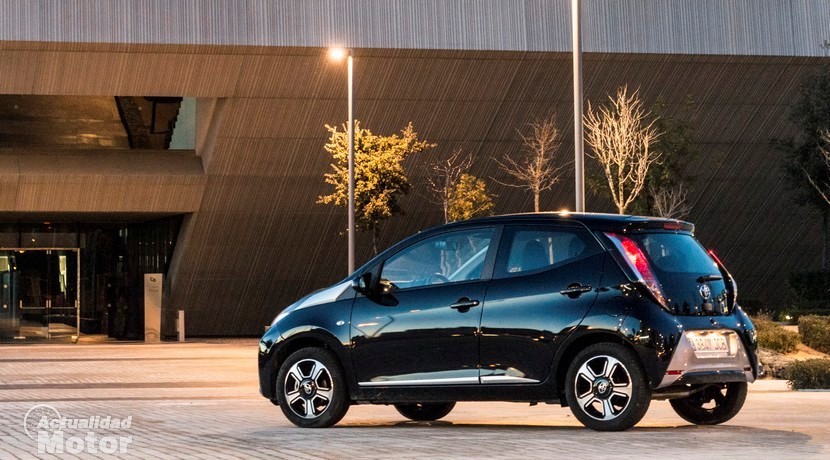
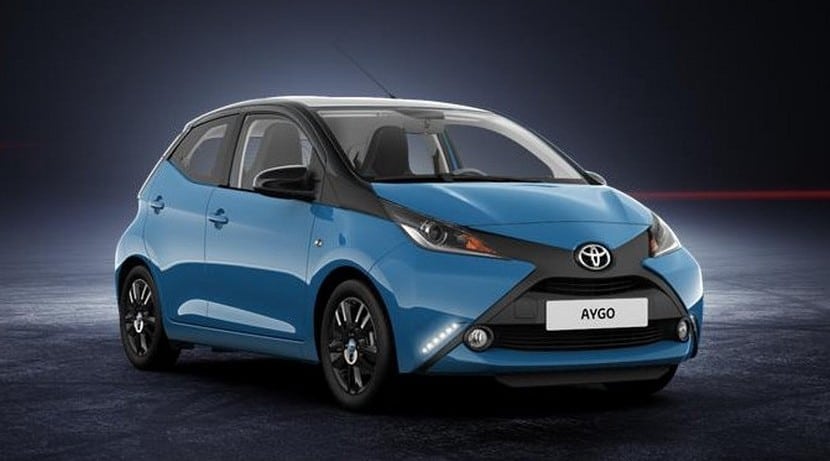
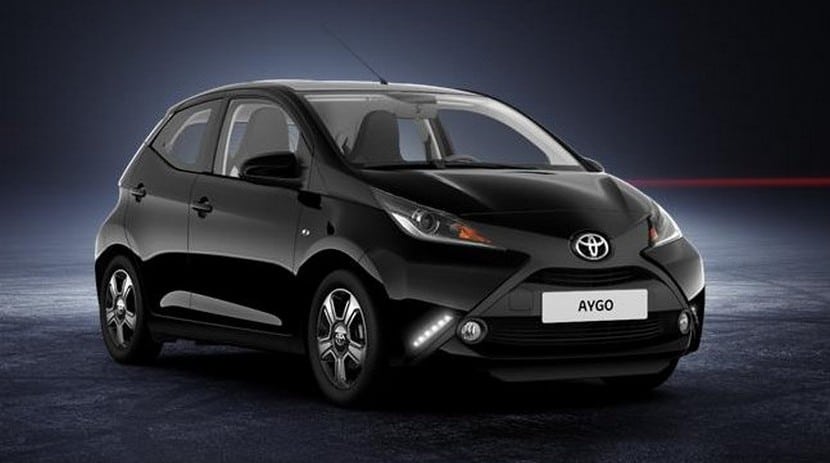
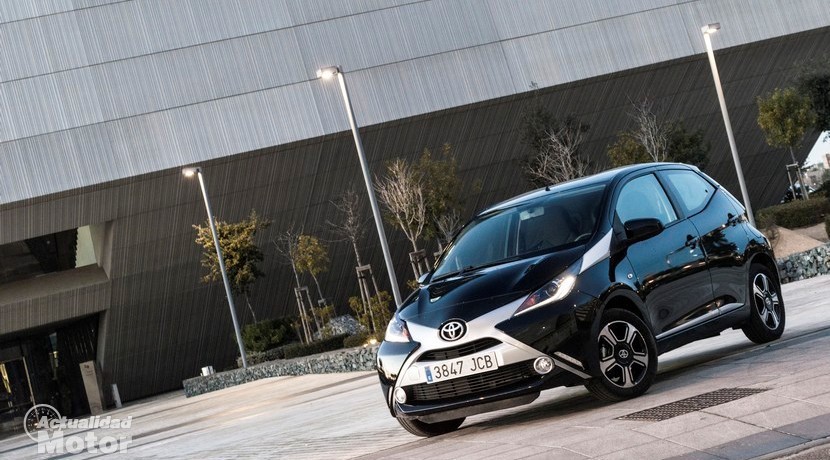
The first change is undoubtedly the most striking. The aesthetics have been radically altered . The designers have created a car that is truly eye-catching, one that commands attention with its daring design and wouldn't go unnoticed even at a costume party. The headlights are smaller and more streamlined, while the taillights have gone from round and horizontal shapes to a sharp, vertical line. The paintwork has been done with a softer, more modern brushstroke, softening the boldness of the design and giving it a more cosmopolitan feel.
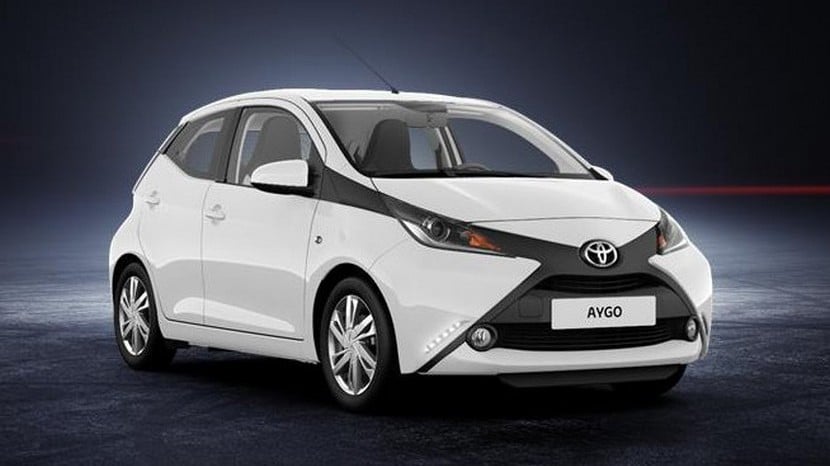
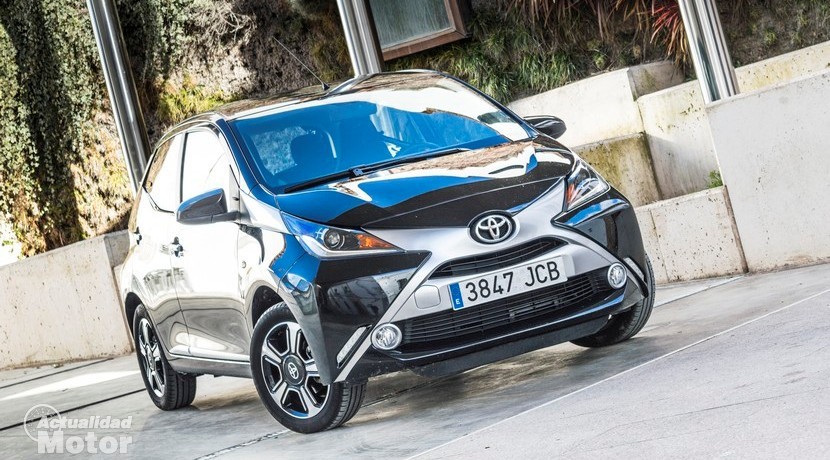
One of the most striking and recognizable design features of the new Toyota Aygo is the "X" emblazoned on the front . It's not a design element I particularly like—call me old-fashioned—but I have to admit it adds a lot of personality. It's a double stripe that runs the entire length of the front of the vehicle, starting at the side mirrors and disappearing into the lower part of the bumper. Imagine Hannibal Lecter as a car, and you'll picture the front of the Toyota Aygo. Furthermore, the brand's extensive customization options , with over 700 variations available , allow you to coordinate this distinctive "X" with the rest of the vehicle.
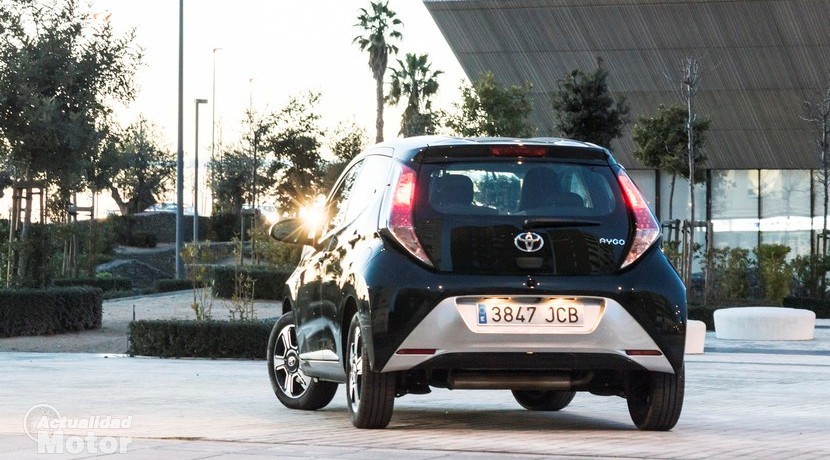
The second-generation Toyota Aygo is longer and lower . Official measurements show a car that is 3,455 meters long, 1,460 meters high, and 1,615 meters wide—the latter figure remaining unchanged from its predecessor. The new bumpers are partly responsible for these slight variations, although the overall body is similar to the previous generation in terms of dimensions. I like the profile, with a rising beltline towards the rear window. It reduces the overall glass area but brightens up the front end. It's also important to note that these changes have reduced the new Aygo's drag coefficient from 0,30 to 0,29 Cd. In short, an unprecedented transformation that won't win my approval, but certainly won't leave anyone indifferent.
Pleasant cabin although with improvable details
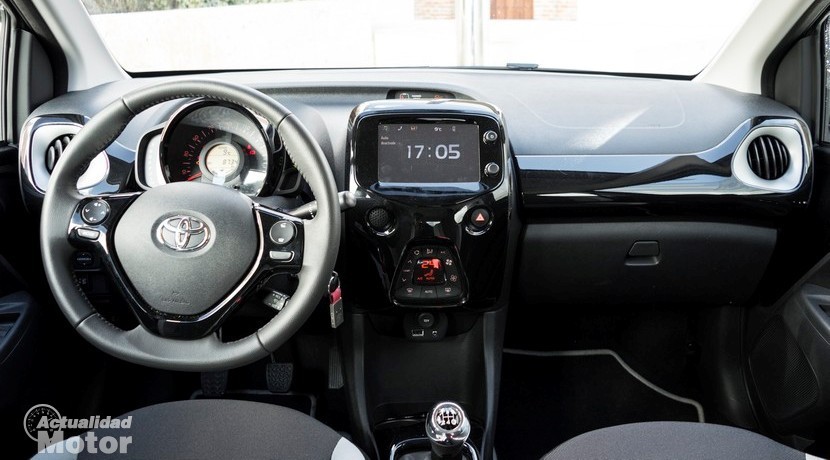
Where I do give it my blessing is in the interior design, identical to that of PSA's C1 and 108 hatchbacks. They've absolutely nailed it here. While they haven't taken as many risks as on the exterior, the cabin's aesthetic is cheerful , equally casual, and showcases details characteristic of modern times. Soft-touch materials are scarce; hard surfaces predominate throughout the dashboard , combined with colorful plastic trim. The center console, with its glossy black surround, seamlessly integrates the seven-inch touchscreen and climate control, leaving ample storage space in the lower areas. This configuration is part of the x-clusiv trim level.
The one-piece seats have a design I like, comfortable cushioning, and adequate support. It's not the only car in this segment to offer seats like these, but few dare to use them. From the driver's seat, there's good visibility of the surroundings, especially thanks to the shape of the A-pillar, and excellent ergonomics for operating the x-touch multimedia system —yes, everything here starts with an "x." The instrument panel is less high-tech than the center console, but its presentation is convincing. I also have no complaints about the steering wheel, with buttons for controlling the audio and hands-free system, gloss black accents, and dimensions that make it suitable for both the arduous task of conquering the city and driving on the open road. However, the door trim left me underwhelmed; I found this area less refined than the rest of the cabin.
Little space in the rear seats and in the trunk
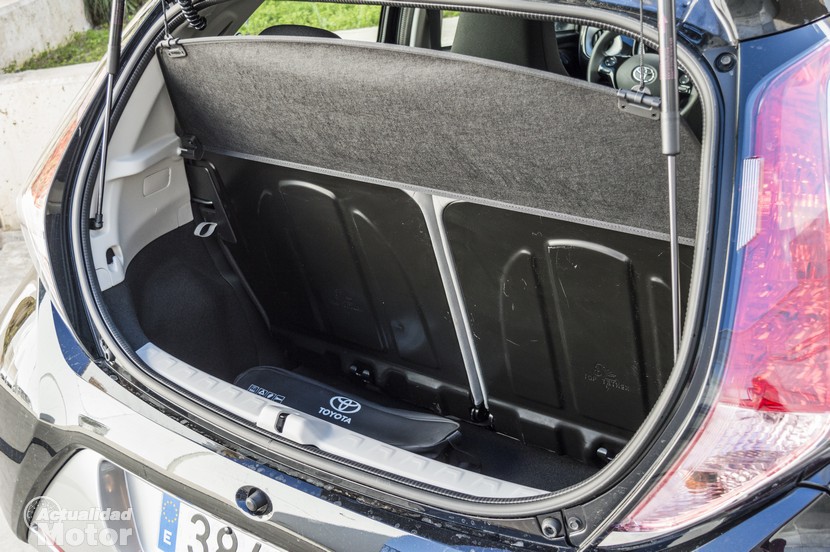
Toyota Aygo trunk
Speaking of space, I can tell you that in the front seats, considering this is a car much shorter than 4 meters, you'll travel comfortably. There won't be an abundance of legroom, but it's quite sufficient for a car in this segment. The large glass area and good headroom in the front combine to prevent you from feeling cramped. However, the rear only has two seats, and these two seats won't be enough for someone over 1,80 meters tall . Their head will hit the roof, and their knees will touch the front seat. Furthermore, the use of hinged rear windows exacerbates the space problem, making it feel like you're traveling in a three-door car.
On the other hand, the new Toyota Aygo falls short in terms of trunk space . Its capacity is a mere 168 liters, the smallest figure among its competitors. Its cousins, the Peugeot 108 and Citroën C1, with which it shares a platform, offer 196 liters. The Ford Ka delivers 224 liters, and the Seat Mii exceeds 250 liters. However, it's worth noting that both the American and Spanish models are longer. Access to the trunk is adequate, and the opening presents no obstacles, although it sits considerably higher than the ground.
1.0 VVT-i 69 hp engine, a lot of noise and few nuts
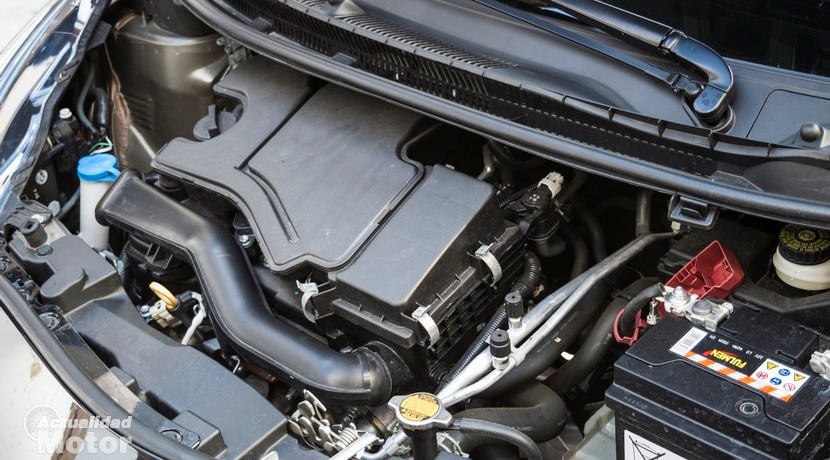
The new Toyota Aygo offers only one engine in its powertrain lineup: the 1.0 VVT-i with 69 horsepower . This option, which promises good fuel economy, is also found in its French cousins from PSA, the Peugeot 108 and Citroën C1, which also have a 1.2-liter engine with 82 horsepower. It's a naturally aspirated, three-cylinder engine with a displacement of just 998 cc and a maximum torque of 95 Nm. On paper, this may seem like low power, although we must consider that the car weighs only 915 kg. The good news is the fuel consumption and official emissions figures, with an average of 4,1 l/100 km and around 95 g/km of CO2.
In practice, the engine of this small Japanese car isn't exactly thrilling, but it gets the job done. Like any naturally aspirated engine, you have to work the accelerator to unleash its more "wild" side. The reactions are timid and modest, though sufficient to get you up to cruising speeds on the highway relatively quickly. Officially, it boasts a 0-100 km/h acceleration time of 14,2 seconds, but I can tell you that in our test, it even managed to shave about 0,1 seconds off that mark. Even so, if you leave urban areas, the power feels rather inadequate.
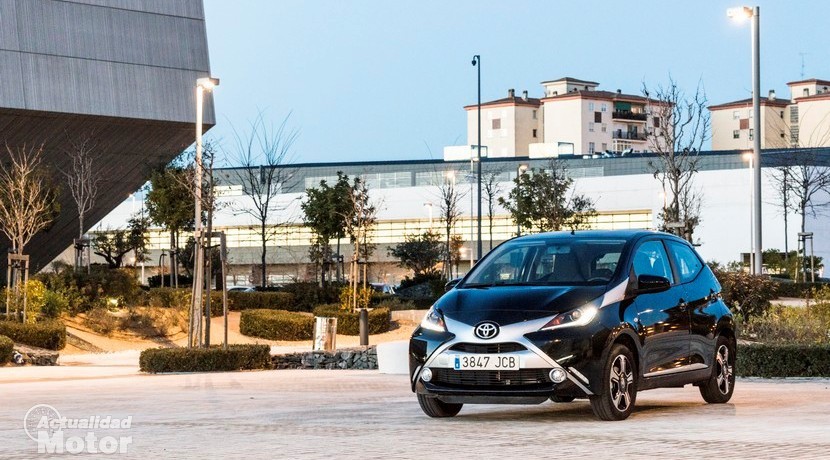
The city is the natural habitat of the Toyota Aygo
One of the aspects that has me undecided, that leaves me with mixed feelings, is the soundproofing . It's not good; inside the cabin, you'll hear the engine at full volume—a generally quite noisy engine . But to be honest, it hasn't bothered me; in fact, I've liked it. I've been thinking about it all week, and I can't find a single negative point about it. Obviously, this sound won't thrill you like an Aventador might, but it won't be annoying, and since the Aygo's main purpose is limited to the city, in most cases it won't be a problem.
Regarding fuel consumption figures during the test, I must say that the on-board computer reading differed from the manufacturer's official figures, although within a reasonable range. On national highways , at a steady 100 km/h, the Toyota Aygo achieved approximately 4,8 l/100 km, compared to the manufacturer's stated 3,6 l/100 km for extra-urban driving. On the motorway , this figure rose to 5,5 l/100 km . And in the city , under normal conditions, it remained at 6,1 l/100 km , not too far from the official urban figure of 5,0 l/100 km.
Improvement in dynamic behavior
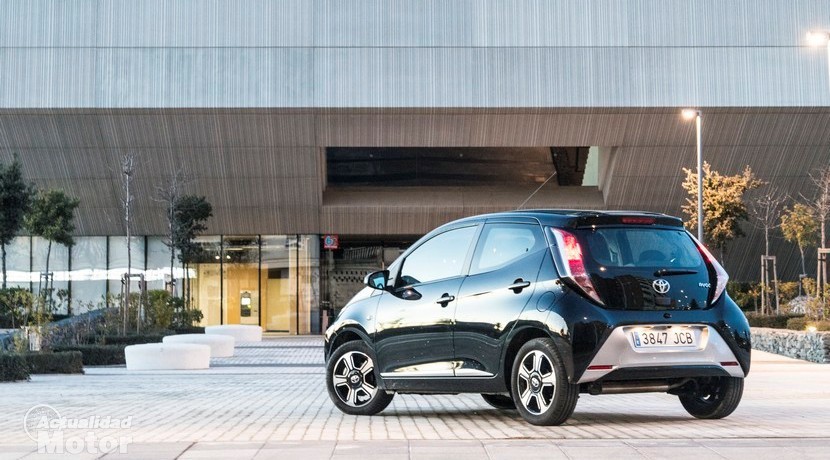
The second-generation Toyota Aygo has improved its dynamic handling . The brand's engineers have reinforced the suspension and chassis, resulting in a car with greater stability . Let's not get carried away, though; this is a small car with a narrow track and limited weight, so at highway speeds, if we encounter adverse weather conditions, we'll have to make frequent corrections. But compared to the previous generation, it takes a giant leap forward in road mannerisms, making it feel safer and more confident.
The new Toyota Aygo's good dynamic handling is also thanks to its steering . It features an electric power steering system that provides excellent feedback. In my case, I particularly appreciated this aspect, as the car responds directly and decisively to steering inputs. However, the brake pedal feels somewhat lacking in responsiveness , a weakness I found somewhat lacking. This is a minor drawback among many positive aspects, as the gearshift lever also struck me as perfectly balanced, with just the right amount of travel and a feel that isn't too soft.
Equipment Toyota Aygo
The new Toyota Aygo is surprising for the accessories included even in the base trim. The Aygo x-play, which starts at €9.550 for the three-door version , already includes a rearview camera, the x-touch multimedia system with a 7-inch screen, 15-inch alloy wheels, and LED headlights. The x-cite and x-clusiv trims are even better equipped, offering features such as a two-tone paint option, upgraded wheels, and automatic headlights. It also has a speed limiter, although I did miss cruise control.
Toyota Aygo x-play
- manual climate control
- Speed limiter
- Leather multifunction steering wheel
- Aerodynamic diffuser in piano black
- Audio and telephone control on the steering wheel
- 7” x-touch multimedia system
- Rear view camera
- 15-inch wheels
- Projector Headlights
- LED daytime running lights
- Hill start assistance
- Height and depth adjustable steering column
Toyota Aygo x-cite
- x-play equipment
- Chrome insert on gear knob
- Dashboard and center console in piano black
- Two-color body
- 15-inch x-cite wheels
Toyota Aygo x-clusiv
- x-cite equipment
- Automatic dipped headlights
- Automatic climate control
- 15-inch x-clusiv wheels
- Polished silver in details
Toyota Aygo prices
| Motor | Change | Finished | price 5p | price 3p |
|---|---|---|---|---|
| 1.0 VVT-i 69 hp | manual 5v | x play | 9.850 Euros | 9.550 Euros |
| 1.0 VVT-i 69 hp | x shift 5v | x play | 10.300 Euros | 10.000 Euros |
| 1.0 VVT-i 69 hp | manual 5v | x quote | 10.850 Euros | - |
| 1.0 VVT-i 69 hp | x shift 5v | x quote | 11.300 Euros | - |
| 1.0 VVT-i 69 hp | manual 5v | x-clusiv | 10.850 Euros | - |
| 1.0 VVT-i 69 hp | x shift 5v | x-clusiv | 11.300 Euros | - |
All prices shown are subject to brand discounts and PIVE 8. The “x-shift” transmission corresponds to Toyota's five-speed automated manual gearbox.
Editor's opinion
- Editor's rating
- 3 star rating
- Good
- Toyota Aygo 1.0 69 HP
- Review of: Henry Leon
- Posted on:
- Last modification:
- Exterior design
- interior design
- front seats
- rear seats
- Trunk
- Spring Suspension
- Consumption
- Comfort
- Price
Professionals
- bold aesthetic
- Equipment
- best behavior
Cons
- Motor
- Trunk
- Rear seat space
Photos Toyota Aygo 1.0 69 CV x-clusiv

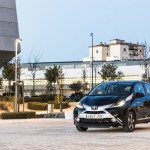
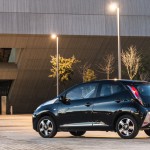

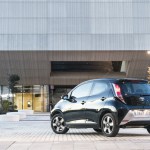
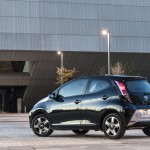

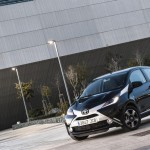

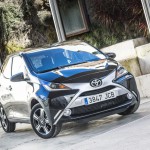
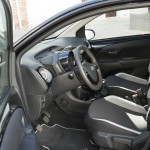
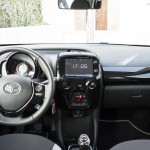

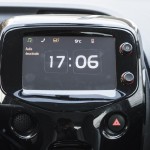

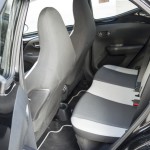



Table of Contents
- 1 Bold exterior design
- 2 Pleasant cabin although with improvable details
- 3 Little space in the rear seats and in the trunk
- 4 1.0 VVT-i 69 hp engine, a lot of noise and few nuts
- 5 Improvement in dynamic behavior
- 6 Equipment Toyota Aygo
- 7 Toyota Aygo prices
- 8 Editor's opinion
- 9 Photos Toyota Aygo 1.0 69 CV x-clusiv