

When Suzuki launched the current generation of the Baleno, it surprised everyone with its technical evolution . Until then, we were used to seeing small engines with basic technology and, as a rule, very modest performance. Moreover, most of its diesel engines belonged to the FCA Group. However, the arrival of the 1.2 DualJet SHVS mild-hybrid gasoline engine changed everything.
Now that this engine is firmly established in its lineup, the Asian brand is taking another step forward. In the spring of 2020 , the new 1.4 Turbo BoosterJet SHVS engine will be ready . With it, they are evolving one of the best engines of this displacement and power output on the market. Furthermore, they will significantly reduce its fuel consumption and CO2 emissions , a vital factor in meeting the new emissions regulations.
Suzuki bets on mild hybridization at 48 volts
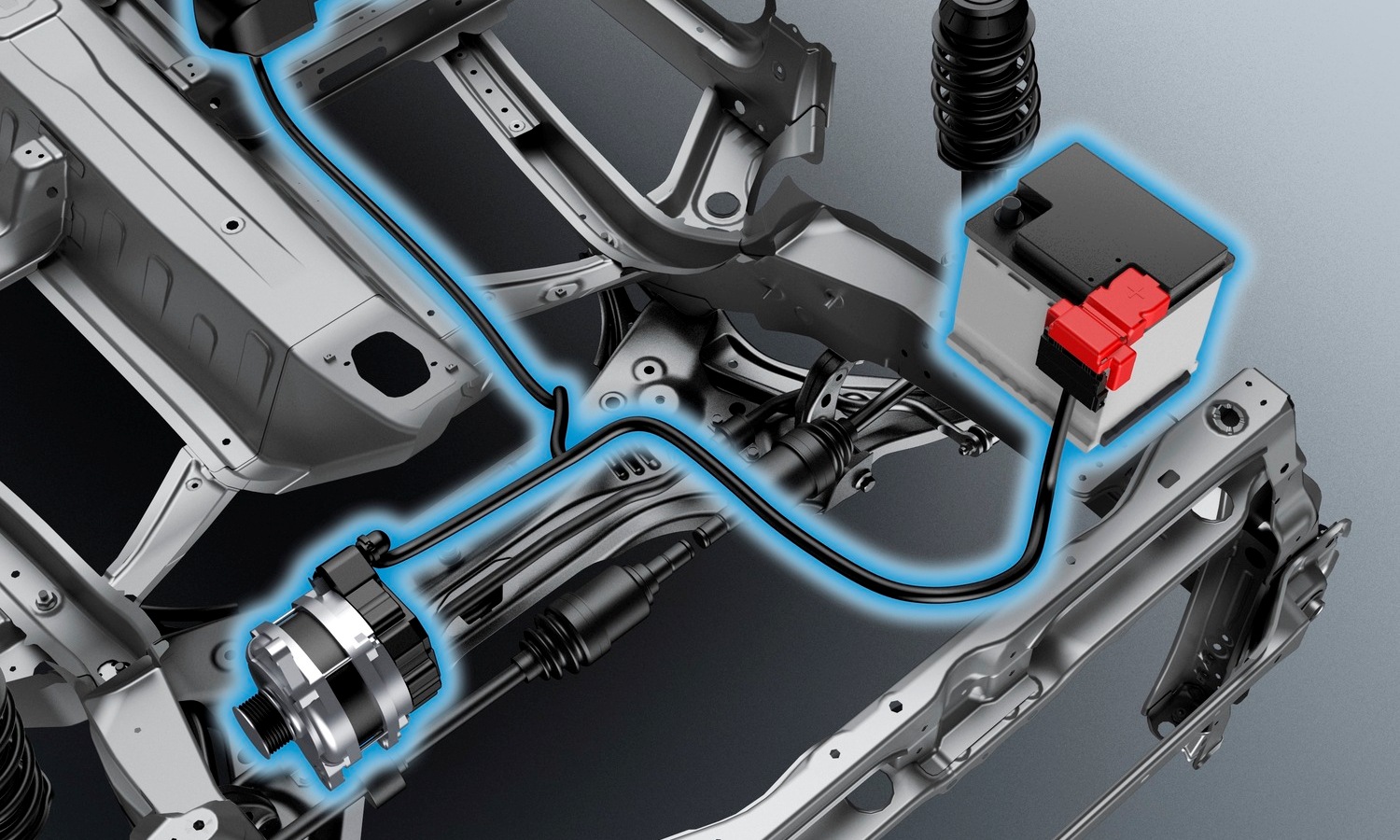
The new 1.4 Turbo BoosterJet SHVS engine block is configured as follows. Starting with this engine, Suzuki engineers have included the Integrated Starter Generator (ISG), a small electric motor powered by an additional 48-volt electrical system . A belt connects the two components, transmitting the additional power to the combustion engine block.
To power the ISG , there's a small lithium-ion battery located under the front seats. This way, it doesn't compromise rear passenger space or trunk capacity. Another strength of this system is its very low weight . According to the manufacturer, it weighs less than 15 kg , so it won't negatively impact the performance, fuel consumption, or emissions of the models that use it.

Regarding the 1.2 DualJet SHVS, this engine is zero-emissions up to 16 kilometers per hour . It achieves this by utilizing the energy stored in the battery, which powers the ISG (Integrated System Generator). Overall, it's an ideal engine for urban driving, as the most energy is stored in the battery during braking . Furthermore, performance is slightly increased, with maximum torque rising from the current 230 Nm to 235 Nm.
Finally, we must mention the reduction in fuel consumption and emissions . According to the brand, carbon dioxide emissions have decreased by 20 percent. As for fuel consumption, the figure is slightly lower, but still stands at 15 percent . Now we just have to test it to see the full extent of the improvement. Even so, it looks promising.
Source – Suzuki
