

The Smart #4 project has become the next logical step in the urban brand's new phase. This future addition to the company's lineup is envisioned as the successor to the iconic ForFour . Remember the four-door, four-seater sibling with a larger trunk of the ForTwo ? Well, it seems that with its return, the "reborn" German-Chinese firm is aiming for an electric model that will be the practical and spacious addition to a legendary, albeit somewhat faded, family. Indeed, because the ForFour wasn't a commercial success…
And everything points to it being a derivative of the #2, which they've already announced. Smart executives in Europe have acknowledged that the plan for the #4 fits into a broader strategy: to make the most of a specific platform born with the #2 and designed for the particularities of the European market. The idea is very simple: if the engineering effort has already been made for the new, very compact city car, it's more efficient to derive a four-seater version that expands its commercial reach.
What is the Smart #4 and why does it capture the spirit of the ForFour…

The future Smart #4 will be a four-door city car that revives the concept of the old ForFour. But it will do so with the experience gained from the previous model, resulting in a more mature design focused on the new electric era. The brand wants the car to be instantly recognizable as the natural successor to the ForFour. Of course, it will be adapted to current standards in design, safety, and connectivity.
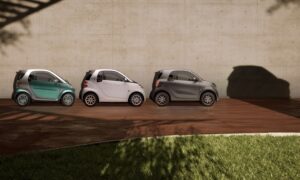
While the new #2 will focus on the ultra-compact two-seater formula , the #4 will offer more length, trunk space, and versatility for everyday use. In practice, it will be the logical choice for those who value agility in an electric city car. All of this is complemented by the need for four access points, a more usable cabin for families, and increased trunk space.
Design, daily use and product focus…

Beyond the numbers, the #4 aims to solve everyday problems: four real doors, easy access to the rear seats, and a usable trunk for a large shopping trip or a short getaway. It will retain Smart's typical maneuverability, but with the practicality many customers felt was lacking in a two-seater. The company is also aiming for a significant leap in equipment compared to the most basic electric city cars, with greater attention to driver assistance systems, connectivity, and finishes.

The result should be a car that's small on the outside, but convincing in terms of perceived quality and urban solutions. With the development of the #4, Smart is recapturing some of its original DNA and transferring it to a cohesive electric range. An iconic two-seater (#2) and a practical four-seater (#4) built on the same technical platform. If the execution is right, this duo could once again position the brand as a leader in urban mobility, now with zero emissions and an industrial strategy designed for long-term sustainability.
Platform, engineering, and possible technical specifications…
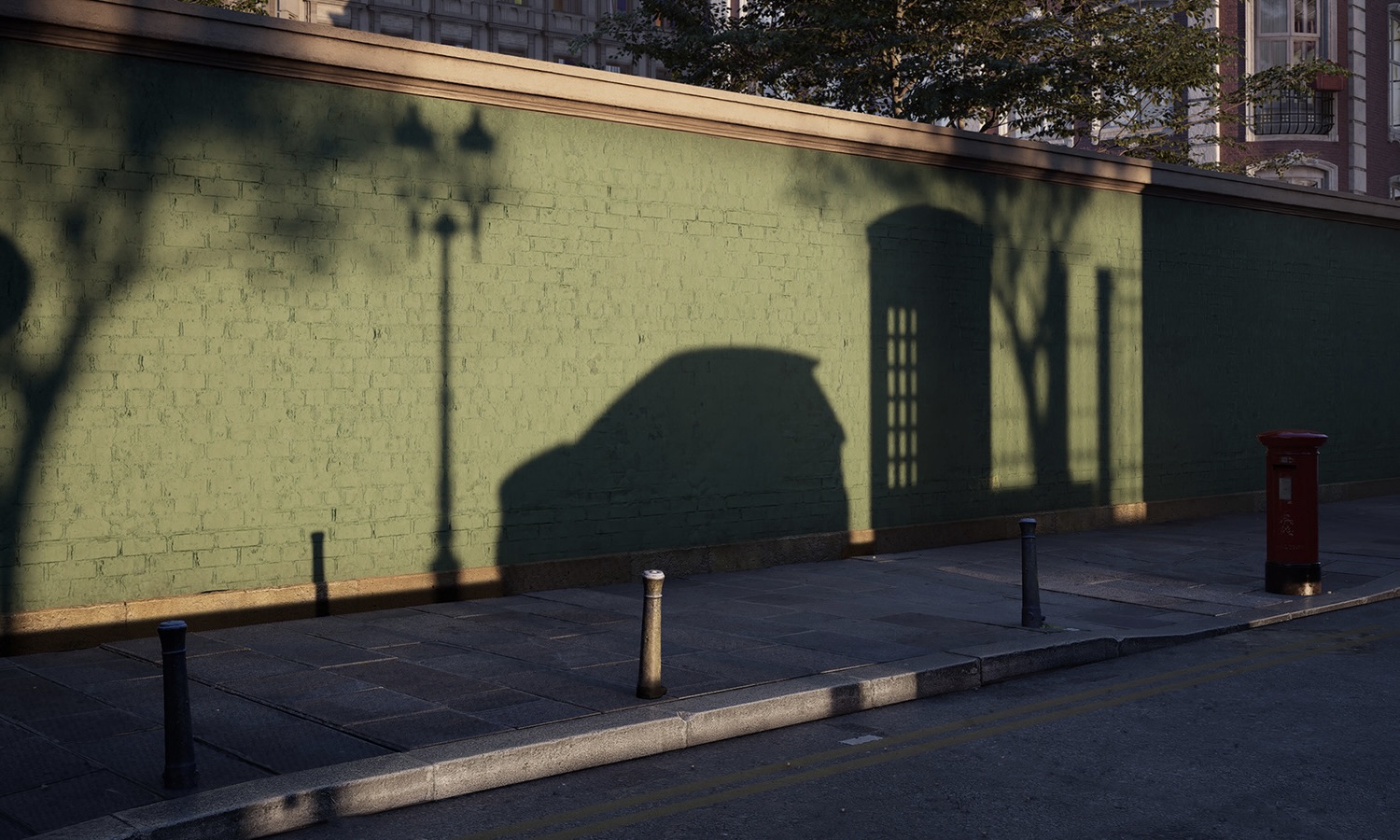
The #2 and #4 models will share the same technical base, an architecture created with European criteria thanks to the collaboration between Mercedes (Europe) and Geely. This is key to ensuring driving feel, perceived quality, and tuning that meet the expectations of the Old Continent. Regarding the technical aspects, Smart's management has hinted that the platform is prepared for dual-motor configurations and all-wheel drive in certain variants.

A very small turning radius, inspired by the iconic Fortwo, has also been targeted to facilitate maneuvering and parking in dense environments. The priority has been to make a sufficiently compact chassis viable for the #2. From there, " slightly stretching " it to create the #4 is a simpler and more cost-effective exercise. This leaves the door open for a #4 with various power and range levels , but still without firm figures on battery specifications, performance, or fast charging.
Industrial strategy: more new models on the same technical basis…
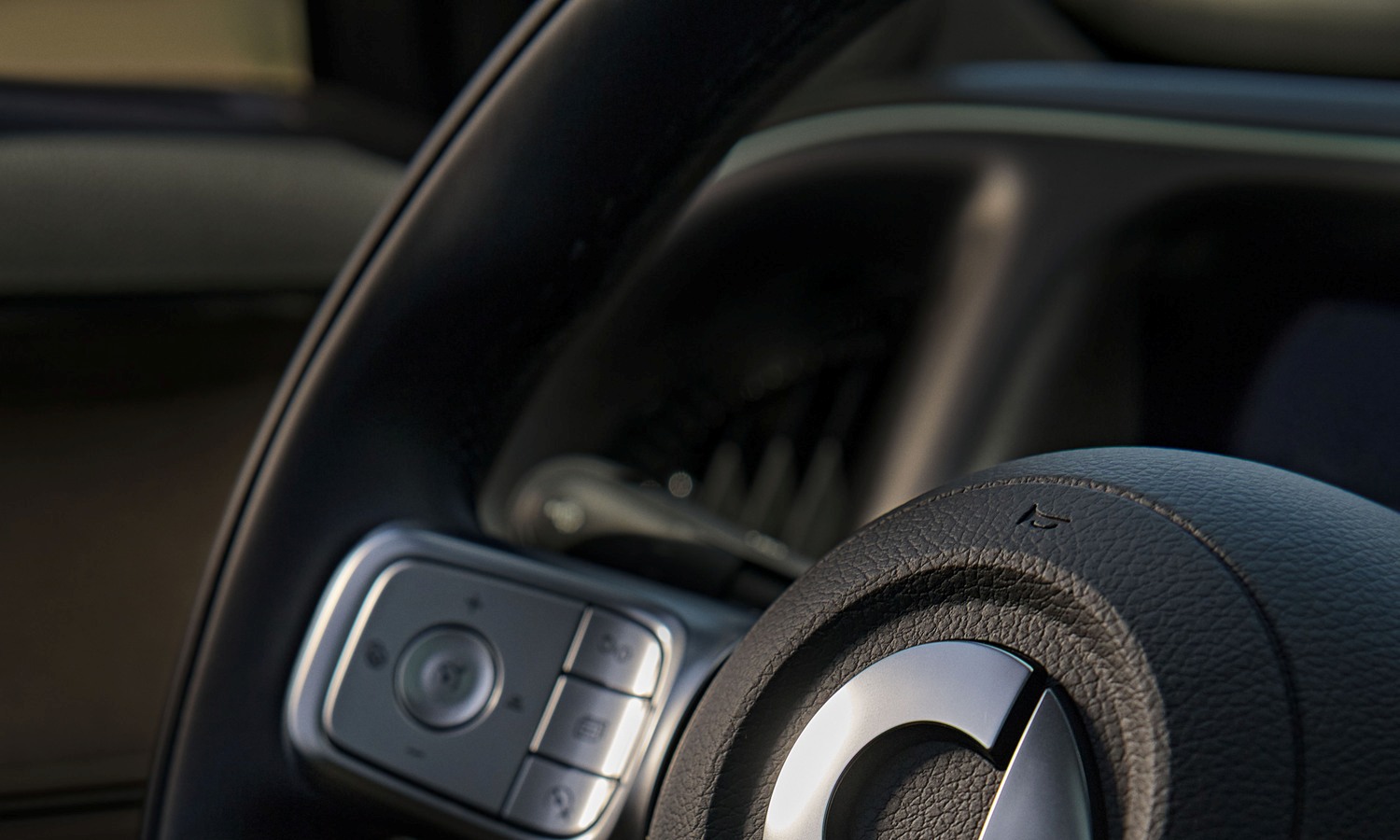
The move has a clear business rationale: the need for economies of scale . The development of the #2 required a significant investment, and to recoup that investment, Smart is looking for a second model that shares components, software, and processes. The #4 fulfills that function without straying from the urban focus that defines the brand.

The company has also acknowledged that the project had been in development for years and had taken longer than expected . After several attempts since 2019 and adjustments to the cost estimate, the company has found a way to revive the Fortwo/ForFour lineage with a pair of electric vehicles designed for Europe.
Positioning in the range and possible commercial nomenclature…

Smart has clarified its naming system to avoid misunderstandings: even numbers identify non-SUV passenger cars (#2, #4), while odd numbers are reserved for SUVs (#1, #3, #5). Therefore, the fact that #2 is "higher" than #1 in the numbering doesn't imply a larger size, but rather a different body style and focus.

Essentially, the new Smart #4 will fill the role of four-seater electric city car within the "even" family, with a more practical approach than the #2 and a carefully crafted product positioning in terms of materials and equipment. Its aim will not be to compete on price with basic models, but rather on quality, design, and ease of use in the city.
Potential rivals and market context…

The European small electric vehicle market has become more vibrant with new players and concepts. The Smart #4 will face direct rivals that seek the same blend of compact size and everyday usability:
- Next electric Renault Twingo, centered on the city.
- The production version of the VW ID.Every1, aimed at accessing the ID range.
- Other zero-emission urban vehicles with a practical approach and affordable price, such as the Leapmotor T03.
The differentiation of the Smart #4 will come from its urban and semi-premium brand heritage , its European tuning, and the synergy with an ultra-compact #2 that will act as a technological showcase.
Schedule, project maturity, and margins for change…

Smart's top management insists that the #2 will be the first to be released, with the #4 following . The latter is still in the early stages of development, allowing time to adjust its design and specifications based on costs, regulations, and market trends.
Although the plan is on track, the brand acknowledges that there's always a small margin for course corrections if the situation demands it. Currently, the roadmap positions #4 as the natural complement to #2, both on the same platform and with the same design language.
Source – Automotive News
Images | smart

Table of Contents
- 1 What is the Smart #4 and why does it capture the spirit of the ForFour…
- 2 Design, daily use and product focus…
- 3 Platform, engineering, and possible technical specifications…
- 4 Industrial strategy: more new models on the same technical basis…
- 5 Positioning in the range and possible commercial nomenclature…
- 6 Potential rivals and market context…
- 7 Schedule, project maturity, and margins for change…