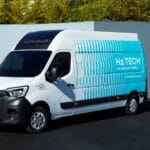
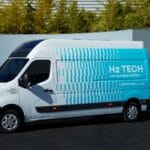
Electric mobility is changing the automotive sector . Some brands are sticking with established technology: a lithium-ion battery and one or more electric motors. Others are experimenting with all sorts of solutions, including hydrogen fuel cells . Both are perfectly valid, although their implementation costs and viability vary. And therein lies the problem: no one can agree on the best approach.
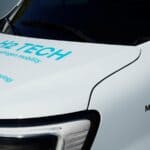
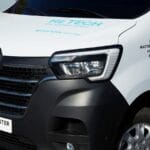
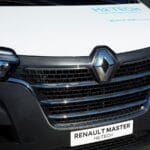
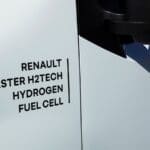
The best example of this dichotomy is Toyota. The Japanese firm is finalizing the development of its first battery-electric vehicle, while simultaneously working on the second generation of the hydrogen-powered Mirai. However, this technology seems likely to be implemented first in commercial vehicles , and Stellantis has a slight advantage. This is why Renault has decided to take the plunge and unveil the Master Van H2-TECH . We'll tell you everything we know…
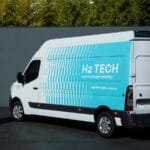
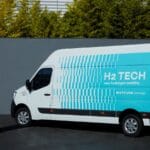
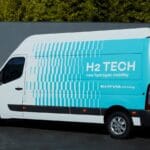
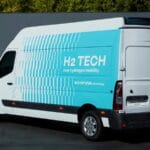
The Renault Master Van H2-TECH offers up to 500 kilometers of autonomy and will arrive in 2022...
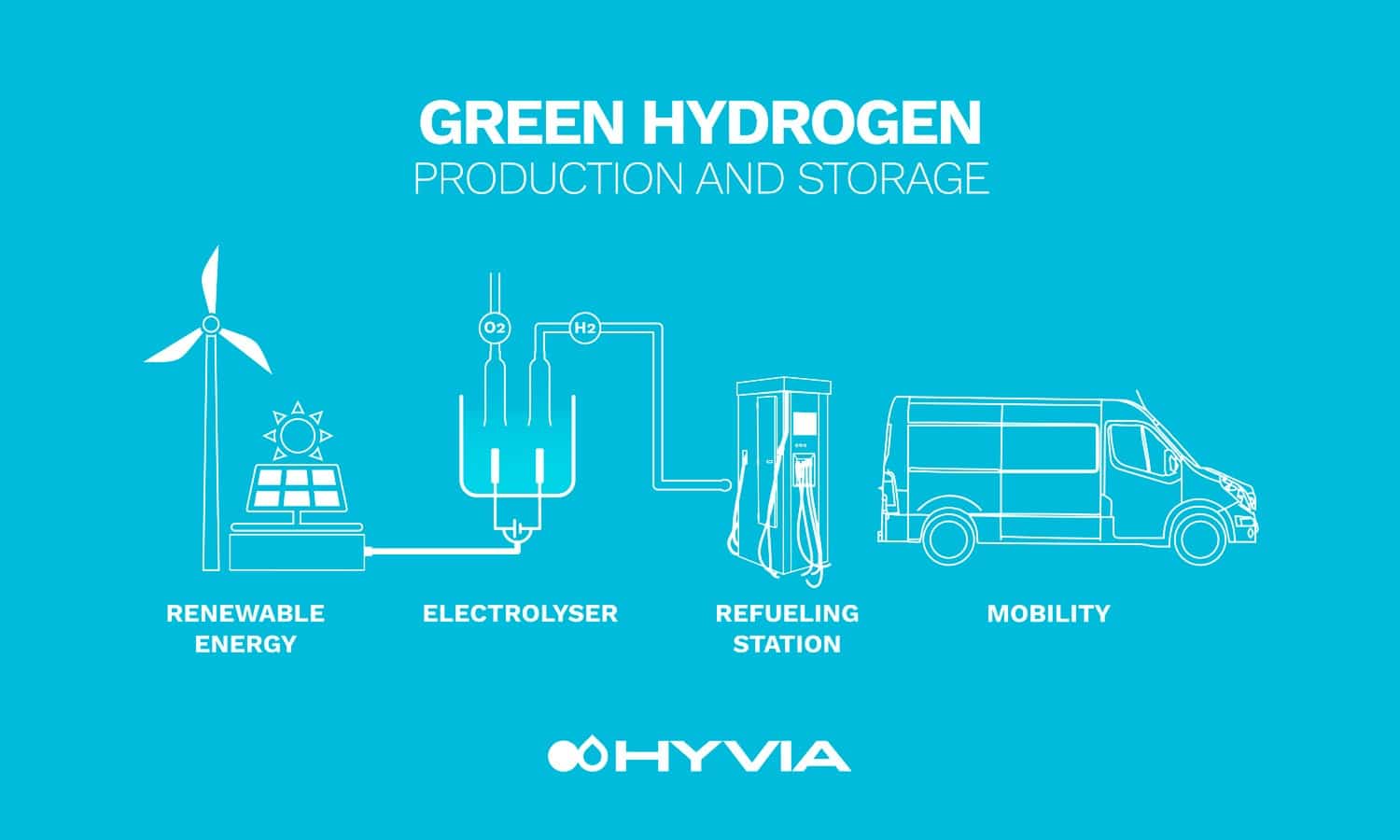
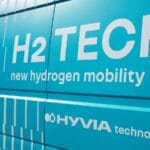
To bring the Renault Master Van H2-TECH to life , the French automaker has entrusted the project to one of its newest subsidiaries: the technology company HYVIA, a joint venture with the fuel cell specialist Plug Power. For now, it's a concept vehicle , but one that aims to be a benchmark in its segment. In fact, the estimated average range is expected to be around 500 kilometers on a single hydrogen tank refuel.
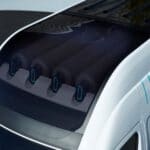
Regarding its technical specifications, we know that the Master Van H2-TECH features a 30 kW (41 hp) fuel cell . It also has a 33 kWh battery and four 1,5 kg hydrogen tanks, for a total storage capacity of 6 kg . At the moment, we don't know the final power output of the electric motor or its torque. However, both figures should be released when the final version is officially presented.
Thanks to these figures, Renault aims to make it a viable option for goods transport. In fact, it offers a cargo capacity of 12 cubic meters, and new versions and body styles will be available later. These include the Master Chassis Cab H2-TECH , with a cargo area of 19 cubic meters and a range of 250 kilometers, and the Master Citybus H2-TECH, with capacity for up to 15 passengers and a range of 300 kilometers.
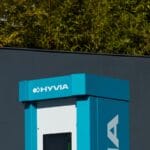
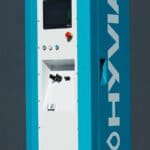
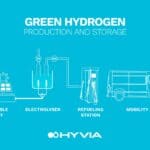
If everything goes according to plan, the first units of this electric van will arrive in 2022. Furthermore, the manufacturing of all the components will remain in the country. We'll have to see when it arrives in our country, although considering the limited network of hydrogen refueling stations , don't get your hopes up too high. That said, Renault has also considered this, including a hydrogen refueling station.
Source – Renault