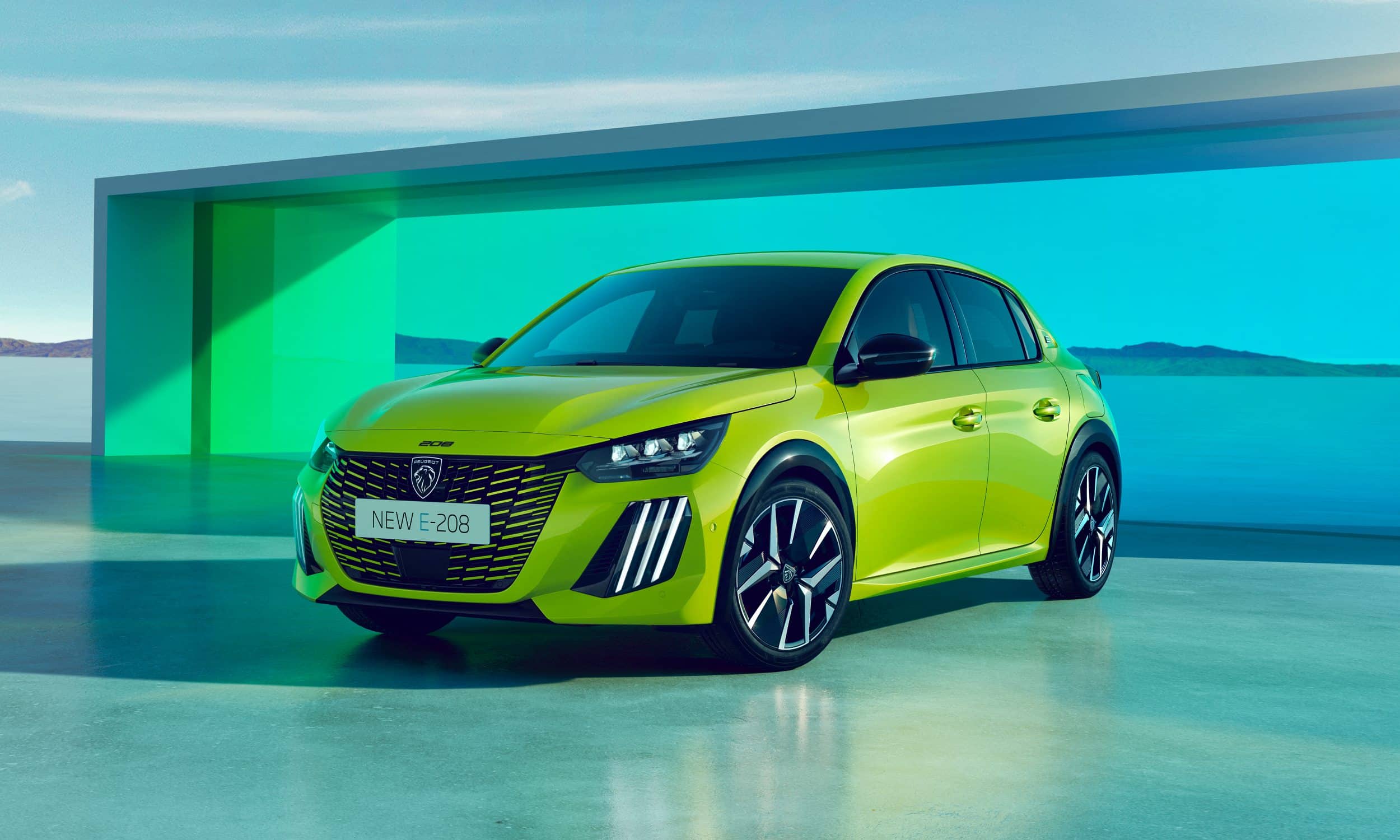
Although the PSA Group isn't the most powerful globally, its technical capabilities are a step ahead of its rivals. Toyota aside, the French consortium was one of the first to understand that the automotive sector would inexorably move towards full electrification . Evidence of its progress can be seen in the first generation of diesel hybrids and the launch of the new Peugeot e-208 and Opel Corsa-e.
Both models are based on the eCMP platform . From the outset, this platform was designed to accommodate electric versions, offering high flexibility. However, it is limited to the B segment, although with limitations it can be scaled to the C segment. This is why the PSA Group has developed a new modular platform for electric vehicles dedicated to the C and D segments . It is called eVMP and promises to support many models.
The eVMP base is a profound upgrade from the current EMP2

According to Nicolas Morel, Development Director at PSA Group…
“With this eVMP platform , PSA once again demonstrates its capacity for innovation by developing advanced and affordable technologies for its customers, thanks to the frugality that has allowed for a significant reduction in R&D and industrial investments. This global platform makes it possible to offer a range of vehicles that are perfectly environmentally friendly , meet the evolving expectations of our customers, and guarantee driving pleasure and on-board safety—values that are the foundation of the Group’s current reputation.”

If we translate this information into data, we see a significant improvement in range. According to the company, the battery capacity will be 50 kWh per meter of wheelbase . This means that, depending on the rear module the model incorporates, the versions will range between 60 kWh and 100 kWh. Therefore, following the WLTP protocol, the range will vary between 400 and 650 kilometers.
But there's more, because the eVMP platform will also be able to accommodate hybrid powertrains . This way, the French consortium increases synergies and reduces production costs. The timeframe they have set for carrying out this platform migration runs from 2020 to 2025. By the end of the five-year period, the electric vehicle offering will be based on two platforms that will be used to manufacture several million units worldwide.
The FCA Group will also benefit from this base when Stellantis is born.

Stellantis will be the key to achieving this production volume . The PSA Group is finalizing its merger with the FCA Group, and electric technology will be vital to the project's viability. Thanks to the Italians' extensive market reach, the French will be able to sell their electric models worldwide. Furthermore, the Italian-American consortium will have the necessary support for Alfa Romeo and Jeep to grow and become profitable.
Source – PSA Group