

The world of Porsche one-make series is at a turning point. The car that has shaped so many grids, the 911 GT3 Cup , is passing the torch to a new evolution based on the 992.2 generation. The newcomer, simply called the 911 Cup , carries on the legacy with improvements in power, aerodynamics, brakes, and electronics. And it does so to maintain its position as the benchmark in the Supercup and the national Carrera Cup series.
Beyond the name change, there's a clear idea: to standardize the nomenclature for customer vehicles. From now on, cars for one-make series will be called "Cup," while the "GT" suffix will be reserved for championships open to multiple manufacturers. This 911 Cup is manufactured alongside the road-going models in Zuffenhausen and replaces the 911 GT3 Cup, which has been in use since 2021 and of which more than 1.100 units have been produced (5.381 Cup 911s in total).
Technical evolution focused on performance and costs…
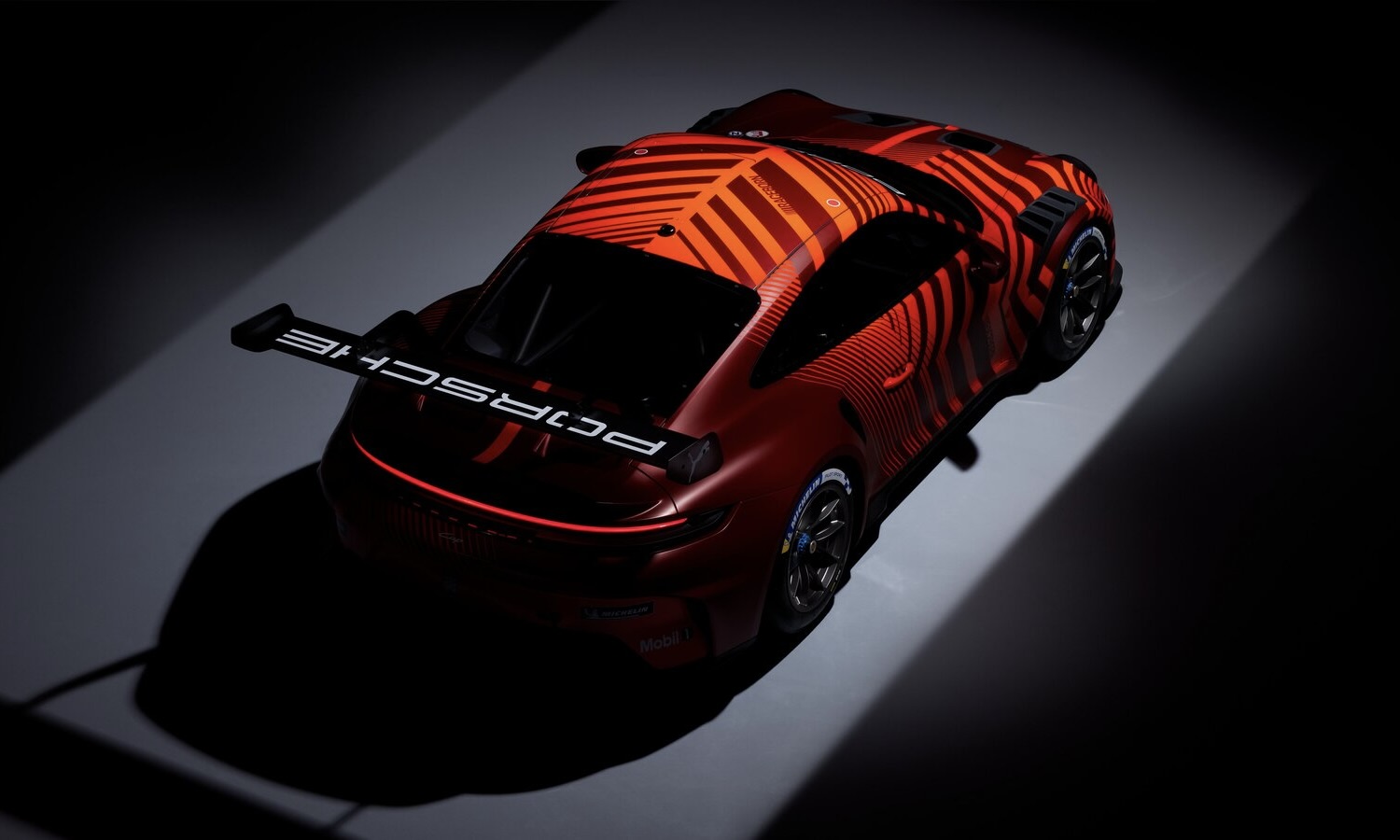
The front end adopts the new design language of the 992.2 with a three-piece front splitter , a solution that reduces the cost and speeds up repairs after minor damage. New air vents in the fenders and rotating fins behind the wheel arches refine airflow, while the revised underbody provides more downforce and improved front-end precision at high speeds.
At the rear, the swan-neck spoiler features improved mounting points for easier adjustments, and the engine cover is new. Much of the bodywork—including the doors—uses recycled carbon fiber with bioepoxy resin, which helps stabilize spare parts prices and reduces waste without compromising performance.
4.0-liter boxer engine and transmission: more power, same reliability…
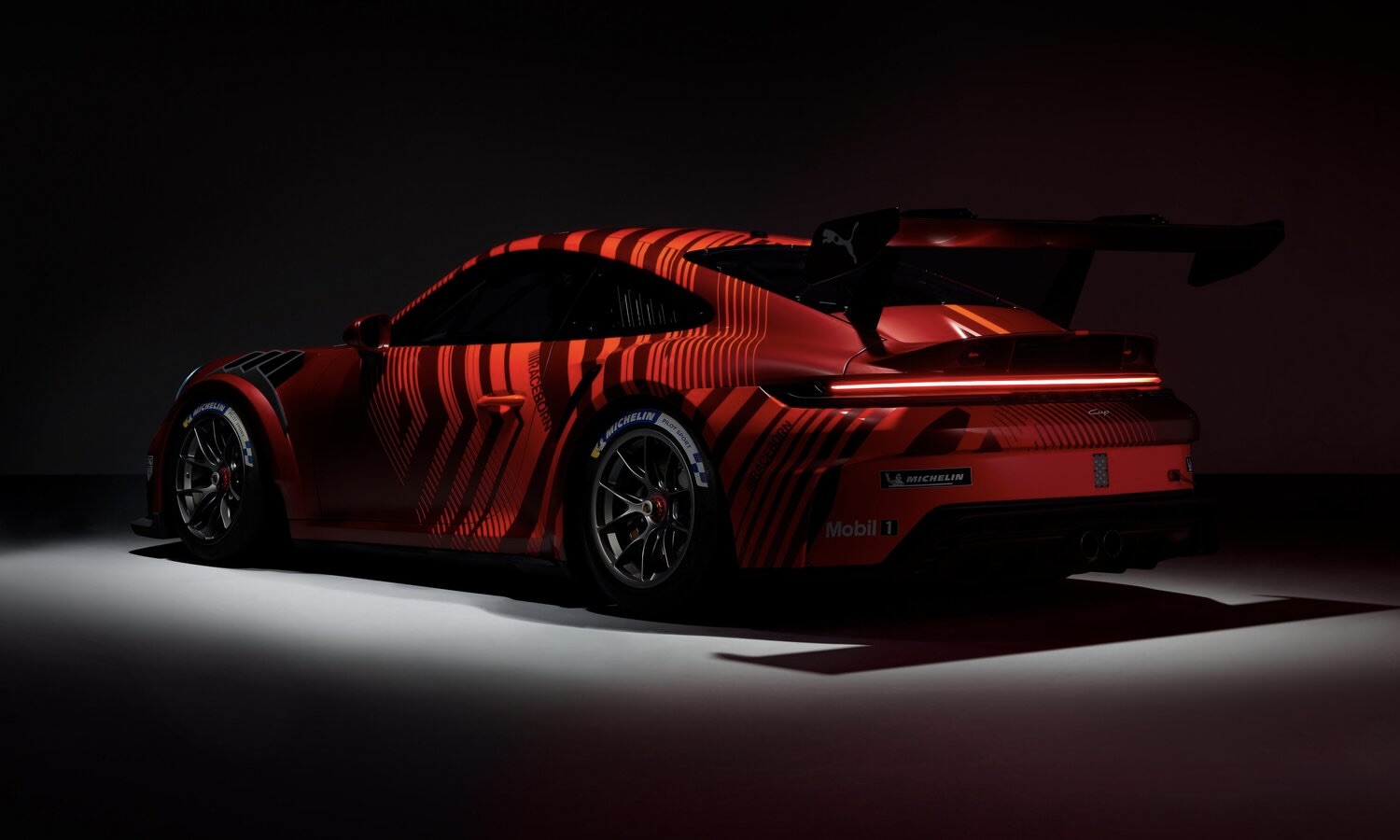
The naturally aspirated 4.0-liter six-cylinder engine remains, now producing 520 hp (382 kW) . It incorporates individual flow-optimized throttle bodies and camshafts with increased overlap, eliminating the central throttle body and allowing for the installation of an air restrictor for championships that require it. Despite the power increase, the engine service interval remains at 100 track hours . Three exhaust systems are available to meet noise regulations.
Power is transmitted through a six-speed sequential gearbox via a four-disc sintered metal racing clutch, which is more robust and capable of handling higher revs . An auto-restart function is added , restarting the engine when the clutch is engaged after a stall, and the brake light incorporates a strobe signal to improve safety during starts and critical maneuvers.
Brakes and handling: more bite and improved stability…
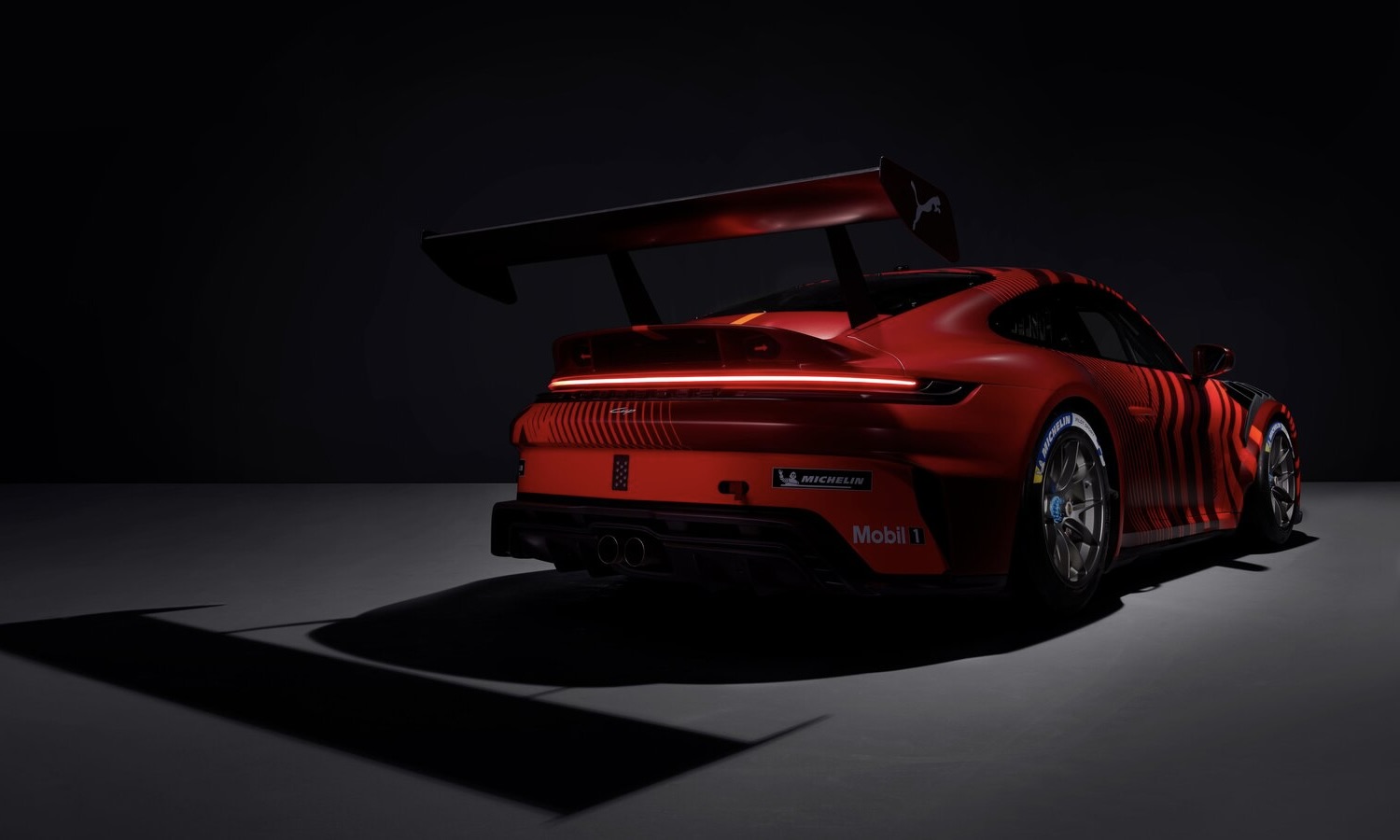
The front axle features new 380 x 35 mm discs with larger ventilation channels for improved heat dissipation. The cooling air intake is now located in the center front thanks to the repositioning of the water radiator. All of these improvements enhance performance under heavy use and extend the life of the brake pads and other components.
The standard equipment includes Bosch M5 racing ABS , now with greater computing capacity and a new acceleration sensor that improves grip interpretation; it can even warn of potential leaks on either circuit. The brake fluid reservoir is larger to accommodate longer races. Furthermore, the steering stops have been recalibrated to achieve a tighter turning radius and a greater steering angle, making it easier to correct oversteer.
Interior and handling: fewer steps, more control…
The new, more ergonomic multifunction steering wheel integrates rotary selectors for on-the-fly adjustment of ABS and traction control . Illuminated buttons improve readability, and the center panel is simplified with eight switches and an extra menu page on the screen. From there , pit lane speed , exhaust map, or steering angle reset can be set without connecting a laptop.
Passive safety has also been enhanced with additional padding on the door sill to protect arms and legs. These small changes, when combined, make daily pit work and race driving more straightforward and leave less room for operational errors.
Electronics and tires: more useful data and joint development…
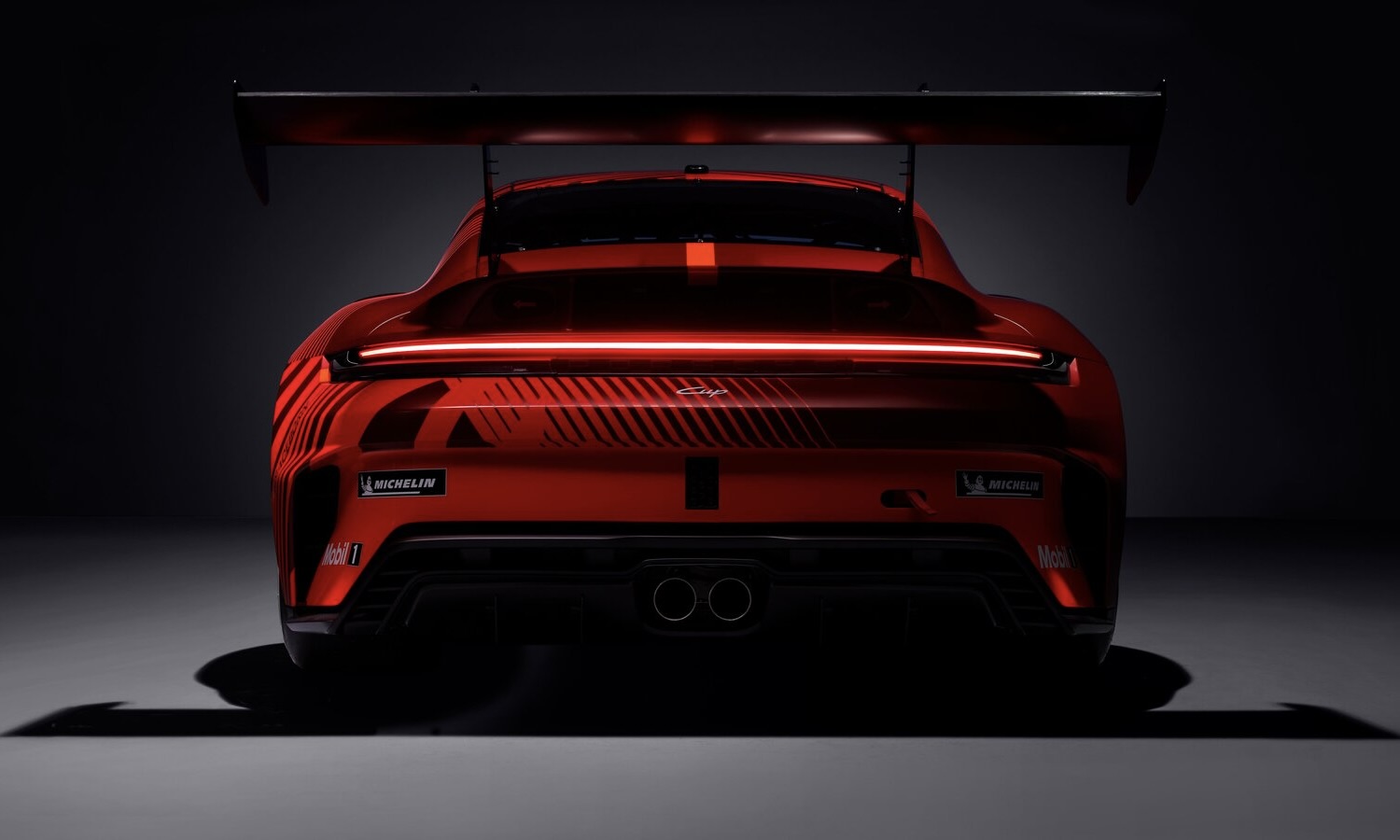
The TPMS now also displays tire temperature on the instrument panel. A more powerful GPS antenna replaces the infrared system, improving timing and vehicle location. Pit stop features already proven in higher-end models are included, such as pre-kill , which shuts off the engine during stops, and an electronic control that monitors the fire extinguisher battery.
The tires have been developed with Michelin in sessions at Monza, the Lausitzring and the Weissach track, with leading drivers such as Bastian Buus, Laurin Heinrich, Klaus Bachler and Marco Seefried, to fine-tune compounds and casings under real-world conditions.
Customer program: production, figures, and prices…
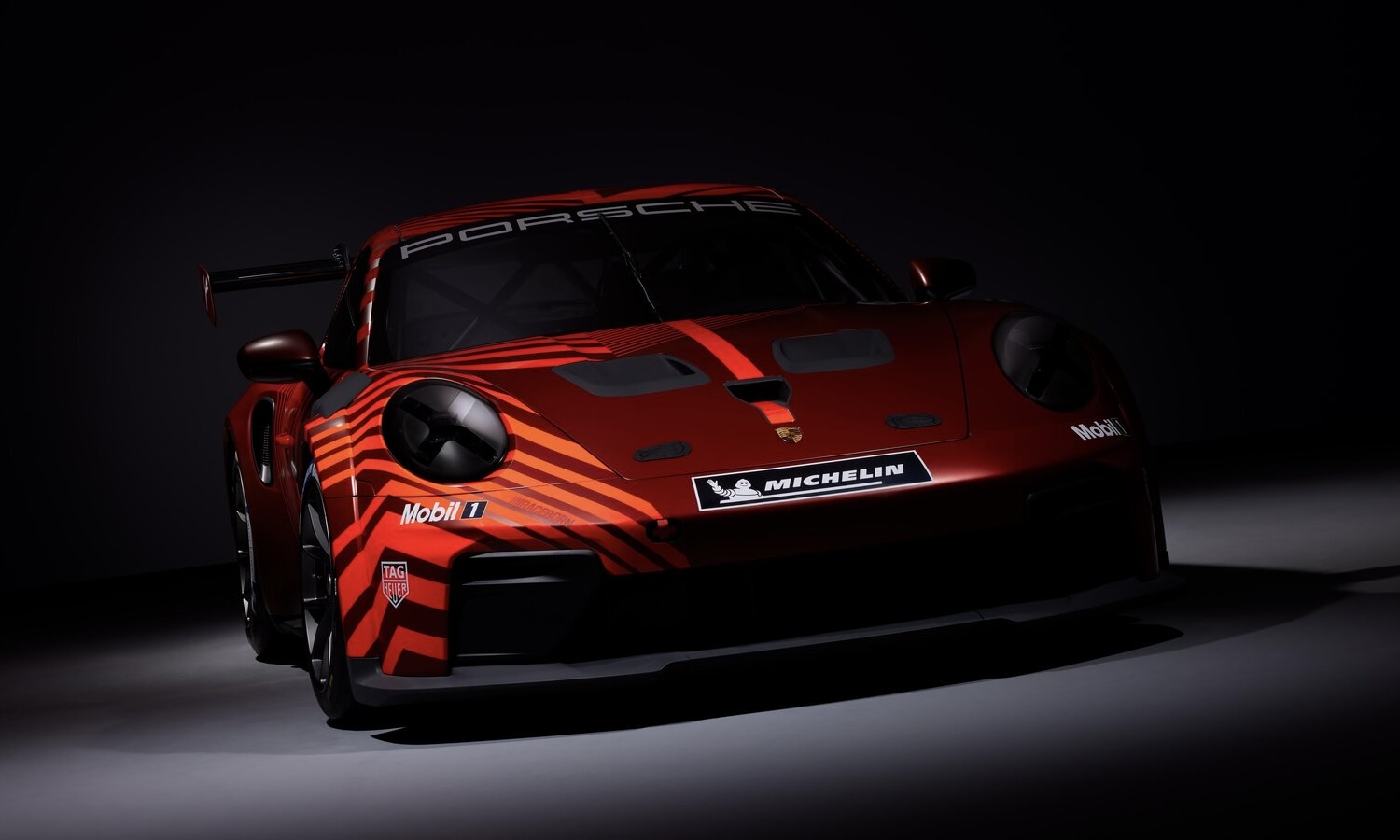
The Porsche 911 Cup is built at Porsche's main plant in Zuffenhausen. It is assembled alongside the road-going 911s, reinforcing the close relationship between the production and racing versions. Since the end of 2020, 1.130 units of the outgoing 911 GT3 Cup have been assembled. The total number of 911s dedicated to cup competitions now stands at 5.381.
The new model will be available to customers from the start of the season. Priced at €269.000 excluding taxes and options, it will compete in the Porsche Mobil 1 Supercup and various national Carrera Cup series .
Source – Porsche
Images | porsche



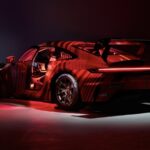
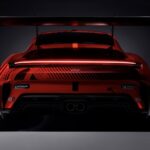
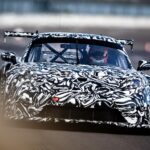
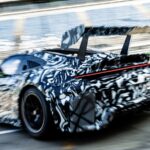
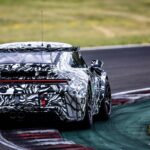

Table of Contents
- 1 Technical evolution focused on performance and costs…
- 2 4.0-liter boxer engine and transmission: more power, same reliability…
- 3 Brakes and handling: more bite and improved stability…
- 4 Interior and handling: fewer steps, more control…
- 5 Electronics and tires: more useful data and joint development…
- 6 Customer program: production, figures, and prices…