

The electrification of the automotive sector poses a major challenge for manufacturers. We've said this countless times in recent months, but it seems that overcoming this challenge will require significant sacrifices. In fact, companies seeking to survive will have to forge relationships that seemed unthinkable just a few years ago. The clearest example is the partnership between Geely and Renault , which will be seen in key models for the market. The new Renault Twingo EV will be one such example.
If you cast your mind back, you'll remember we recently told you that the Twingo would be getting a new iteration . It will be 100% electric (like the current model) but with a different approach. In fact, it will return to its roots, hoping to make a splash and win back those customers who miss it and long for its return. And its creators announced a rock-bottom price of €20,000 , but do you know what the price will be...?
To design the new Renault Twingo EV, the French brand would have looked to Geely…
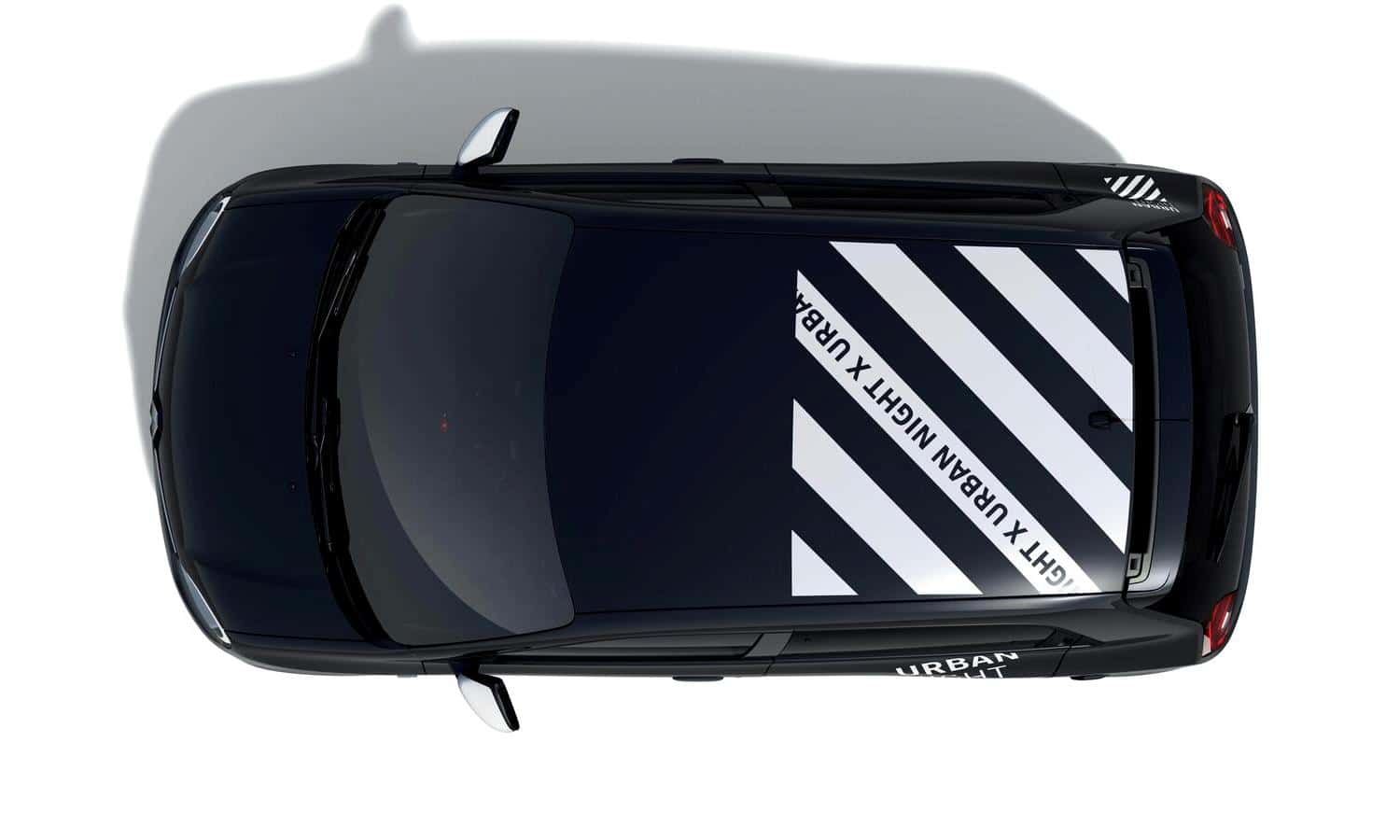
As we told you previously, Renault is promising a new Twingo priced at €20 . It will be a pure electric vehicle designed to facilitate mobility in large cities, and also to show younger drivers the advantages of switching to electric mobility at a "reasonable price." All of this is part of the new mobility company created by Renault called Ampere. Well, it seems there might be a catch to this move.
Indeed, to create this new Twingo Ampere, they propose a new platform : the AmpR Small , which is simply a simplified version of the EV CMF-B platform that will debut in the new R5. However, although it is cheaper to manufacture, the French company still needs to scale up costs further to make a project of this kind profitable. Therefore, the only option is to once again share costs with a partner who has the same need.

And that's where Renault's connections with Geely come into play . In fact, the French and Chinese are working hand in glove with the joint ventures they've established, and the new Twingo would be no exception. As you know, the Horse company is a 50/50 joint venture and focuses on developing internal combustion and hybrid engines. Geely also owns 34% of Renault Korea Motors, and this company will manufacture Polestar models to "troll" the US market.
The reason... share costs with Smart to develop its #2 electric... and thus sell it for 20 thousand euros...
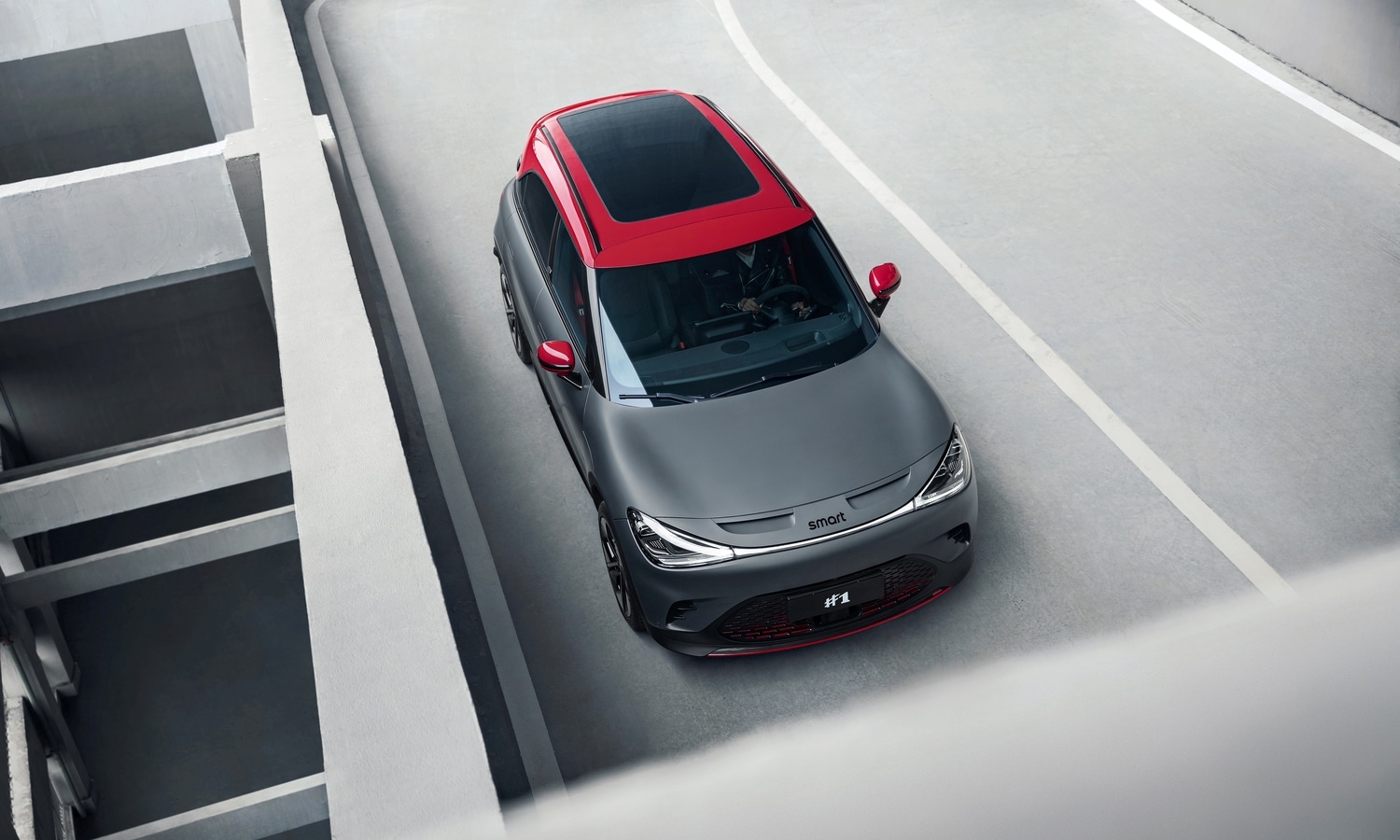
And you might ask, why does Renault need Geely and Geely need Renault? It's quite simple. Smart is the key to this . As you know, the Chinese bought half of the share capital of the "smartest" company of all from Mercedes-Benz. And thanks to them and their deep pockets, they've managed to revive it with new models like the Smart 1 and Smart 3. Well, for the development of the new Smart 2, they need a new platform.
According to several sources, including L'argus, Geely's SEA platform is too large for the new Smart #2. Therefore, Smart engineers need a smaller platform , and that is undoubtedly the new AmpR Small being proposed by Renault. The goal is to develop a smaller model at a significantly lower cost. In fact, the price will have to be below €20 with subsidies.

Furthermore, for the French model to maintain these subsidies in its home country, it will have to meet another requirement: it must be manufactured on European soil. Otherwise, the EU and France will not give it the green light. Therefore, everything suggests that, as with the current generation, it will not only share its genes but also its factory. If there are no changes, it will once again be produced in Novo Mesto , Slovenia, alongside the current Clio.
Finally, we'll tell you what we know about the technology of the new Twingo EV. According to sources, the motor will be a "detuned" version of the e-PT 100 found in the R5. Therefore, it will have less than 125 hp and will be powered by a 50 kWh LFP (lithium iron phosphate) battery . For now, this is preliminary information and could change, although everything suggests there won't be much difference in the final version… Time will tell…
Source – L'argus
