

Hyundai and Uber have partnered to create a new electric flying taxi and here's the result: the S-A1 with a range of 100 km and a top speed of up to 290 km/h.
Improvements in drone technology and the increased capacity of lithium batteries have enabled the S-A1 to take off and land vertically while carrying five people . This makes it suitable for transport operations previously reserved for helicopters.
Currently, several companies are already developing different versions of what could be an electric flying taxi. Each one uses different technologies derived from aeronautics and the automotive industry . Car manufacturers have also joined this race, collaborating with various companies.
The battle of the flying taxis
For example, Daimler has already announced that its 100% electric flying taxi startup , Volocopter, already has several working prototypes. Porsche is also building an electric vertical takeoff and landing (VTOL) aircraft in partnership with Boeing . Now it's Hyundai 's turn , joining the trend with plans to mass-produce electric air taxis for Uber.
Hyundai's flying taxi will be able to fly at a maximum speed of 290 km/h, at a cruising altitude of around 300 to 600 meters above the ground. It will also be able to provide taxi services up to a distance of 100 km, which may vary depending on the number of takeoffs and landings.

Refuel faster than a plane refuels
Since Hyundai's air taxi will be 100% electric, the brand aims for it to have one of the fastest charging speeds in the world. According to company representatives, it will only require between five and seven minutes for a full recharge.
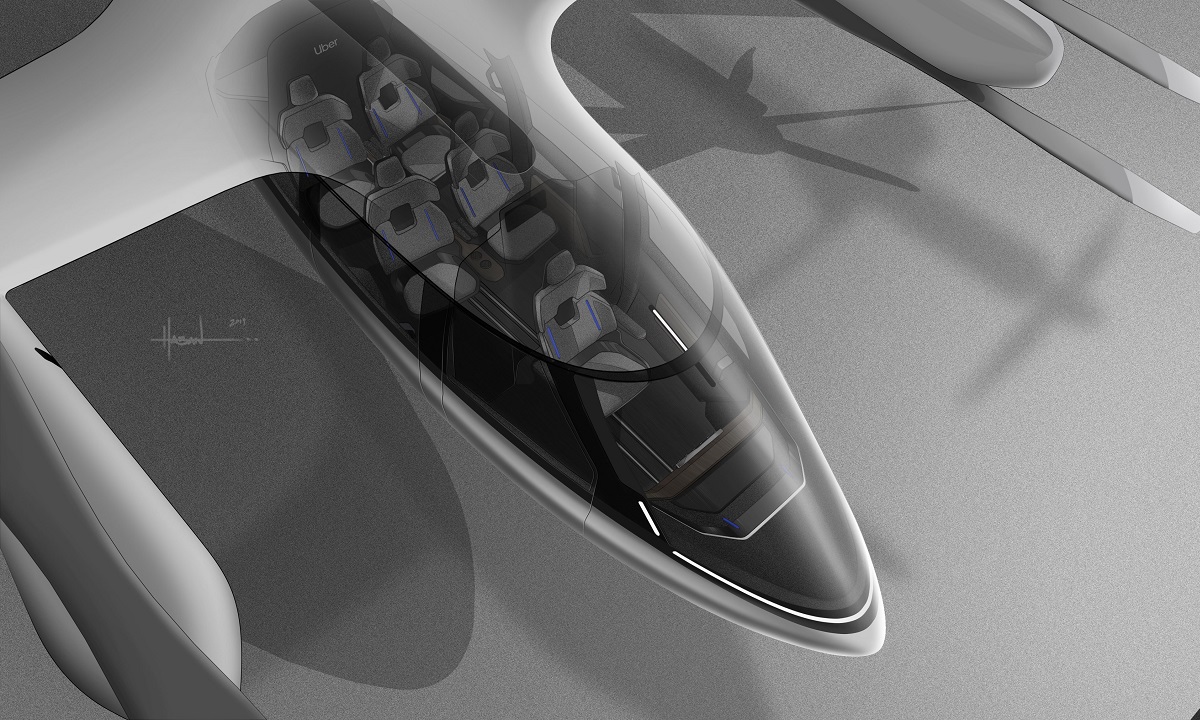
As you can see in the images, the S-A1 will have eight propellers and six engines . This design aims to minimize noise during operation and increase safety by allowing it to continue flying with one or more engines out of service. The four horizontally rotating propellers enable it to take off vertically, then transition to the others for forward movement.

