

Knowing how to change car fuses is the best way to get out of a tight spot. This task involves locating the suspected fuse, checking if it's blown, and replacing it with a suitable one.
In this article, we also explain how to prepare for this situation and how to do it even without fuse pullers . A very useful tool that, unfortunately, not everyone has the first time they change a fuse.
locate the fuse
In most cases, the reason we look for a blown fuse is that something in the vehicle has stopped working . Therefore, the first thing to do is check the owner's manual to see which fuse is responsible. There's usually a diagram indicating which electrical system each fuse belongs to. For example: radio, headlights, taillights, etc. This information may also be printed on the fuse box cover itself.
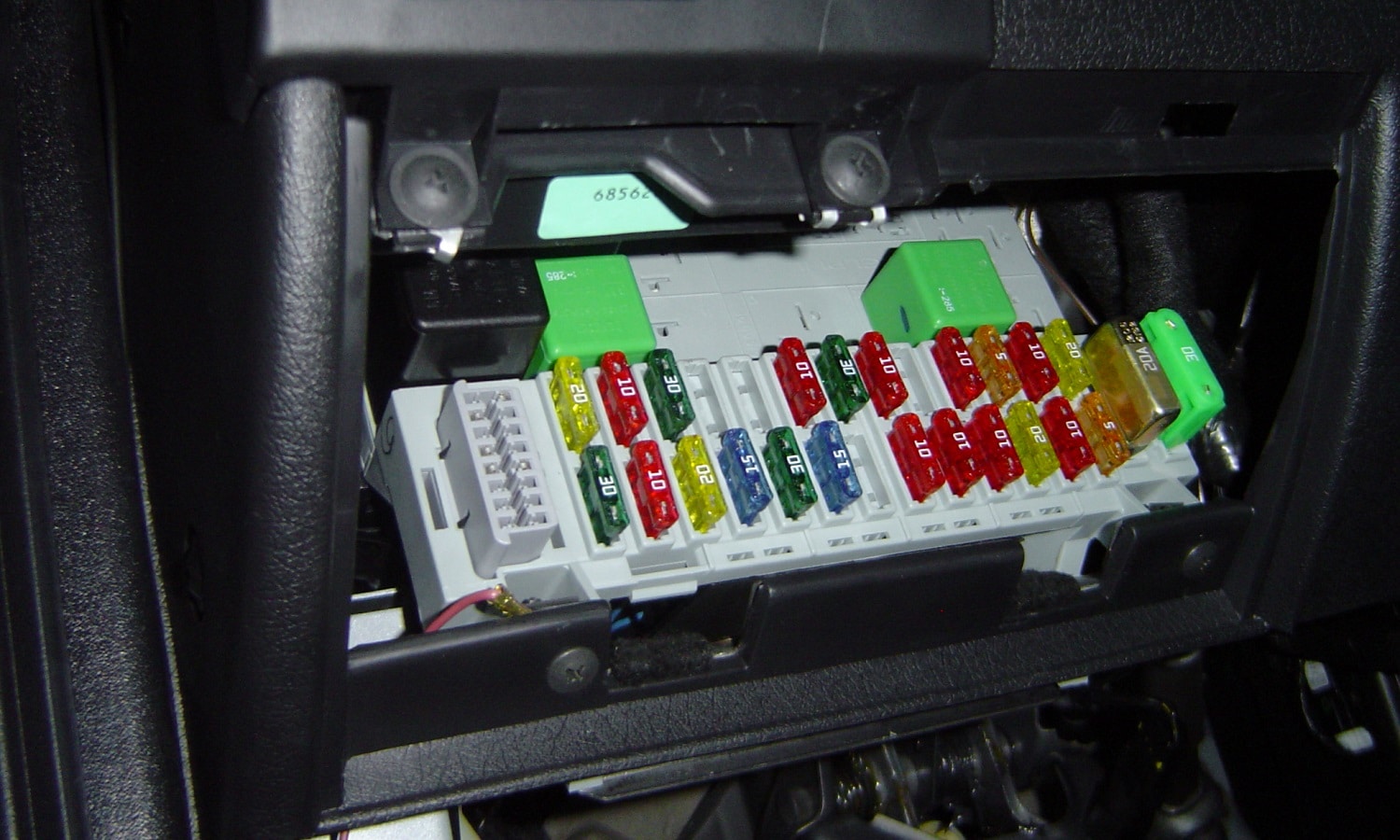
In any case, the manual usually also indicates the location of the fuse boxes . If not, the usual places are in a plastic box located in the engine compartment , in a drawer in the dashboard , behind the glove box , behind a trim piece in the center console , or in the trunk.
Once you've removed the fuses, each one may be in a numbered location (a feature some brands offer). If not, the fuse box will have a recognizable shape on the diagram so you can easily find the one you need.
Check if the fuse is blown
Visual inspection
Before replacing a fuse, the most logical thing to do is check if it's blown. Visual inspection is the easiest method, at least with fuses that allow it. You won't have any problems with blade-type fuses ; however, you might not be able to do this with grinding wheel-type fuses . The image shows what type of fuses these are.
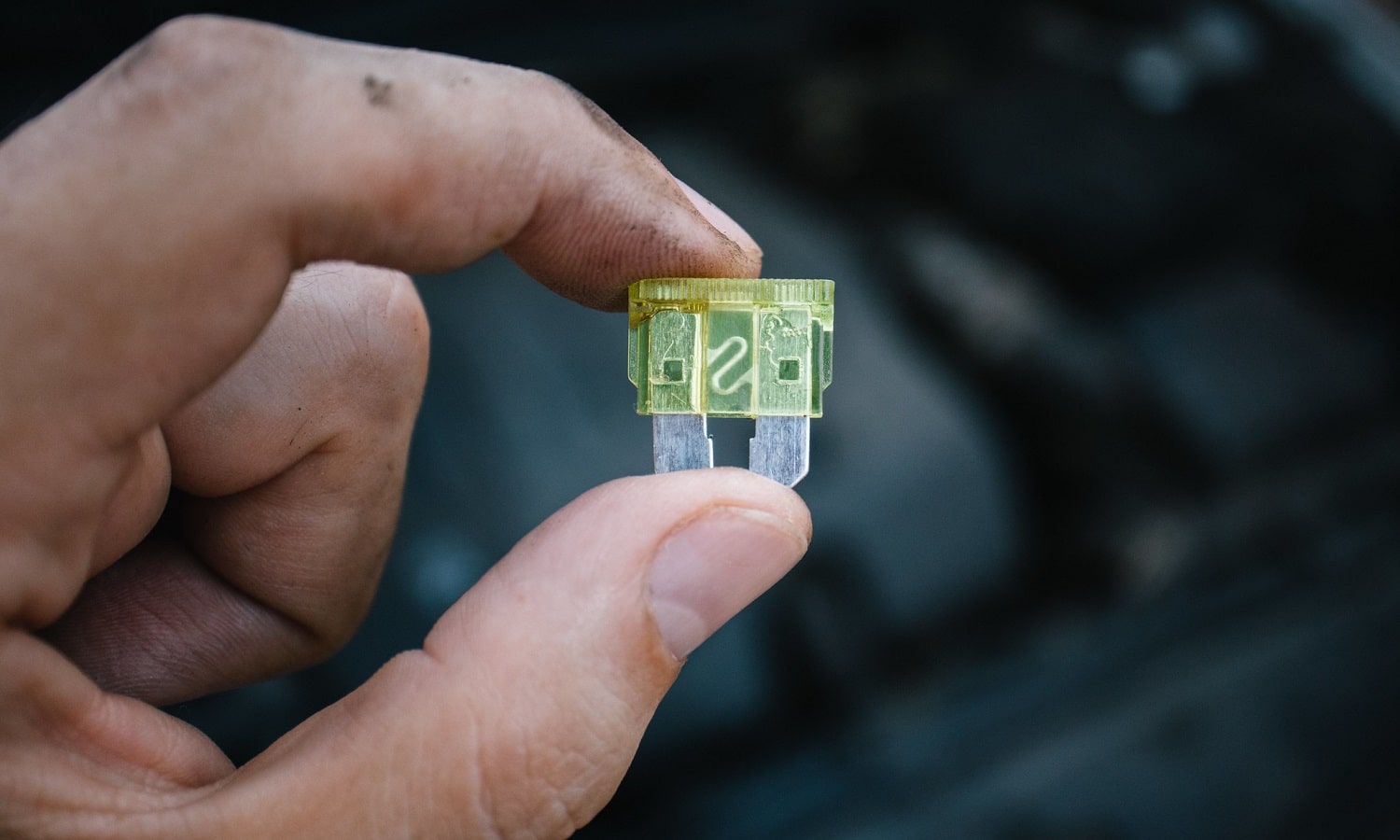
A blown fuse has an internal connection that is broken because an excess of amperage has overloaded the material and caused it to melt.
With a test light
These types of tools are very inexpensive and easy to find . Furthermore, to use a test light , you don't need to remove the fuses , as long as they are the type with a couple of metal contacts on the head. They are there precisely for this purpose. Follow these steps:
- Place the crocodile clip biting some metal part of the body to make dough. You can also put it on the negative terminal of the battery if you have it nearby.
- Touch the tip to the two metal surfaces that have exposed fuses on top.
- If the light on both surfaces the fuse is ok, if one does not turn on, it is burned out.
with a multimeter
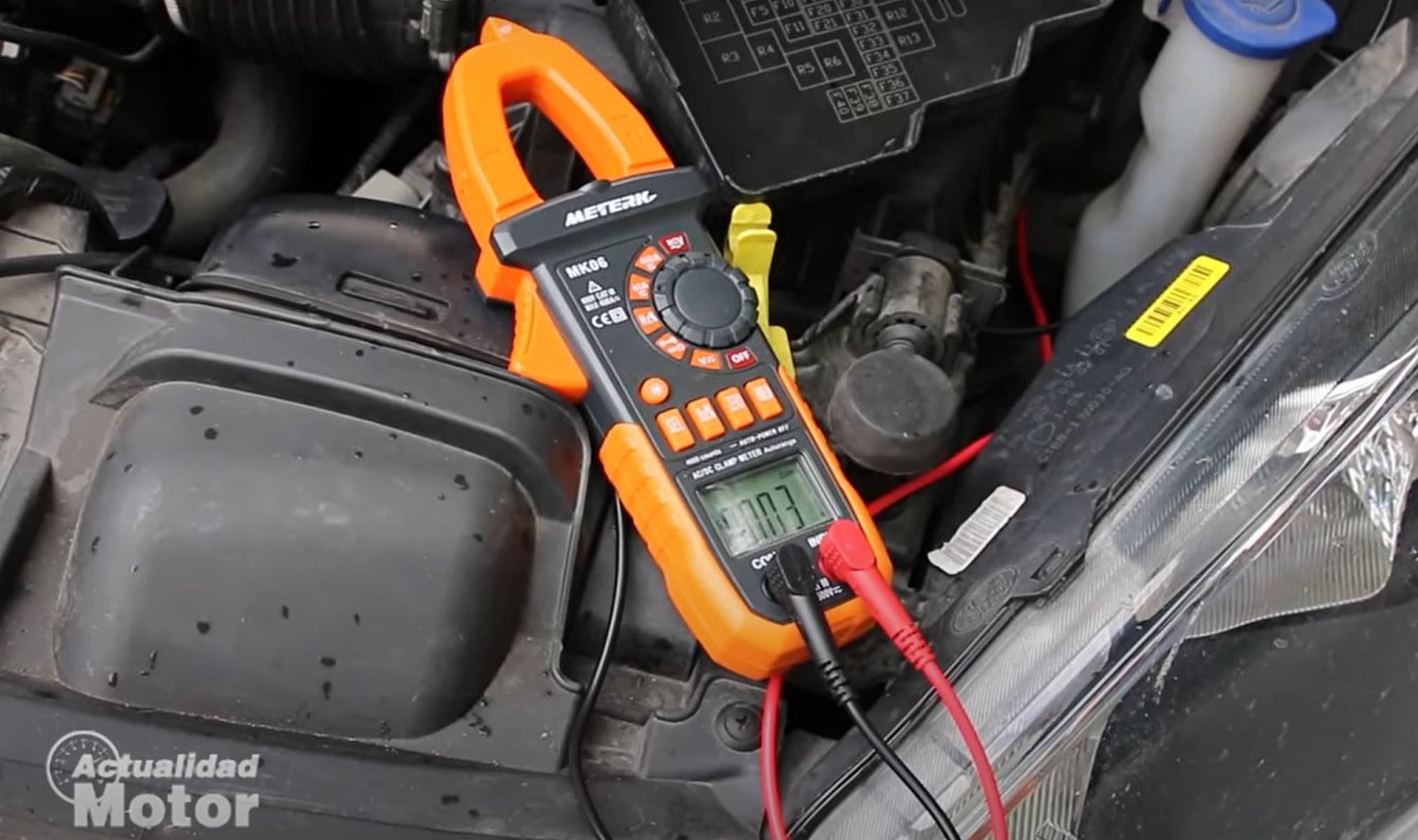
A multimeter or multimeter can also be used to test a fuse, either by removing it or leaving it in place. Here's how it's done once removed:
- Put the multimeter in continuity mode., which is marked with a loudspeaker symbol or an arrow with a vertical line at the end.
- Plug in the black wire on the common connection (COM) and the red wire in the connection that has the letter O. It is often accompanied by other symbols such as VOHz.
- Place the tip on each connecting blade (inserts that come out from the bottom). If a beep sounds It means that the fuse is okIf not, it's melted.

And here is the method to use the multimeter without removing the fuses:
- Important: this test should not be done with the engine running or with current leakage. That is why it is better that you do not use it if you are not clear about it.
- Otherwise it's the same as with the fuses out. That is, put the multimeter in continuity mode.
- Place each tip on the metal surfaces of the fuse head. If the multimeter beeps, the fuse is good., Yes No, it's melted.
Change a blown fuse

To remove a fuse, you usually need to use the appropriate fuse puller . These come with spare fuse packs , which are a good idea to keep in your car for emergencies.
Note : Do this with the engine off and the key removed.
It's essential to ensure the fuse you're using to replace the blown one is the correct rating. This is indicated by the number printed on the top of the fuse. Using a fuse with too high an amperage could start a fire in the car's electrical system and cause far more damage than a simple blown fuse. A fuse with a lower amperage rating will blow quickly.
How to remove a fuse without pliers

Now that we know which fuse is blown, it's time to replace it. If it won't come out by hand, the easiest way to remove a fuse without pliers is with two small flathead screwdrivers. Of course, be very careful, with everything switched off in the car, and wear insulated gloves.
Place the small flathead screwdrivers on each side of the fuse and gently pry it out. However, it's always best to buy clip-on fuses from an auto parts store or a large home improvement store like Alcampo or Carrefour.
When to change a fuse
A blown fuse is usually a sign that something is wrong with your car. However, replacing a blown fuse is a good idea to check if it was a one-off problem or if you can at least complete a trip.

For example, when driving at night on a road, lights are necessary, and if the headlights fail, it is best to stop and check what is happening before continuing and causing or suffering an unfortunate accident.
Since the car is currently running perfectly and the bulbs aren't burned out , the next step is to check for a blown fuse . By following these tips and tricks, and knowing where to look, you can quickly fix the problem.
Be prepared for when you have to change a fuse
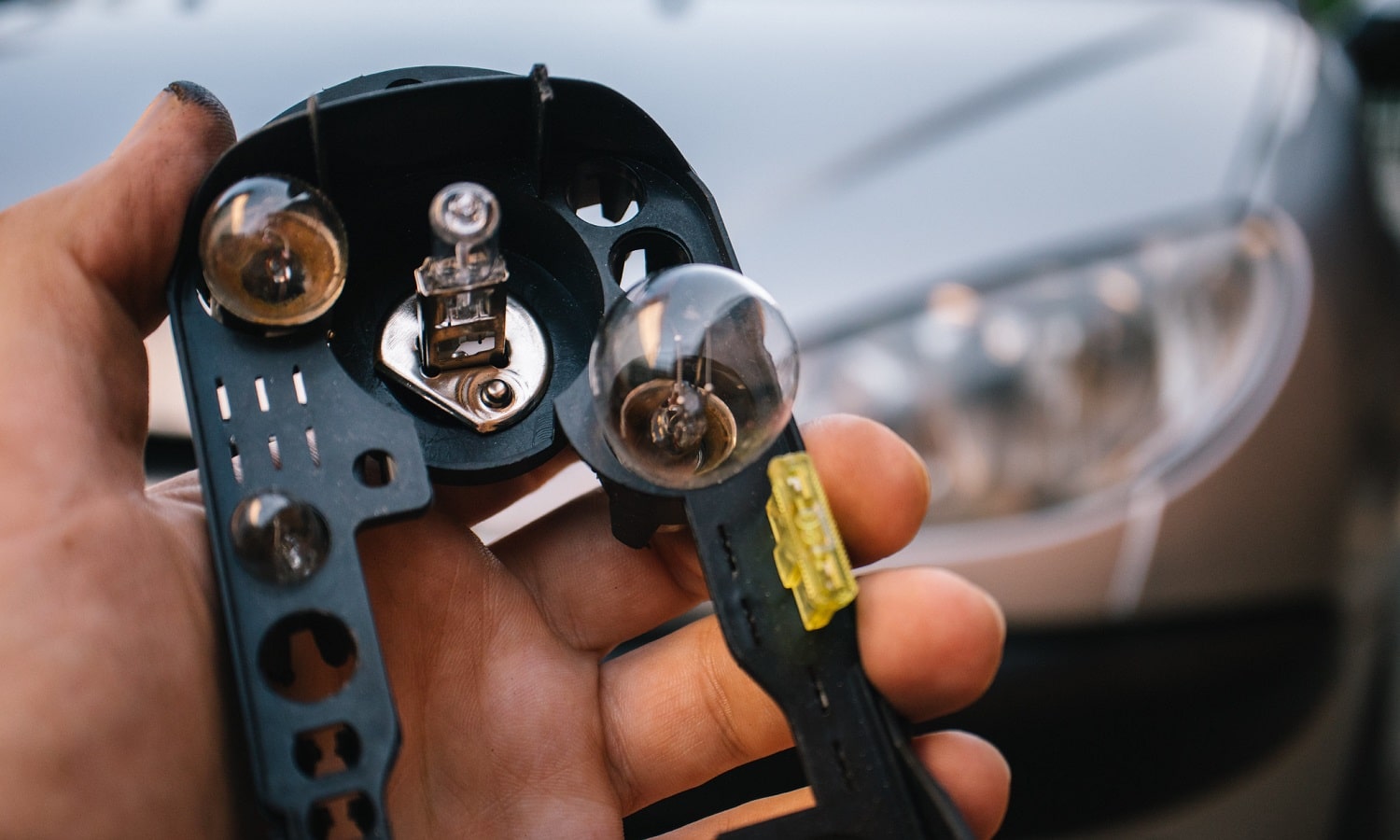
The first thing to do is be well prepared for any eventuality. This means having fuses readily available, not stored away in the garage, where they're useless. Likewise, you can find a set of spare fuses at a good price at any nearby store for emergencies.
Fuses typically come in three sizes: small or mini, standard, and maxi . Mini and standard fuses are color-coded. Maxi fuses, on the other hand, are color-coded a different way than any other fuse.
Therefore, it's important to verify the fuse's amperage to ensure it's correctly positioned. Even a qualified mechanic can make mistakes, so knowing how to change car fuses and being prepared for unexpected breakdowns is the perfect way to ensure your car doesn't experience electrical system failures overnight.
Images – Zach Dischner, Ivan Radic, Nenad Stojkovic, Mitch Barrie
Table of Contents