

The FIA has announced new safety measures to reduce the severity of accidents and prevent potential problems for drivers. These measures are based on an analysis of accidents that occurred during the 2019 season across various motorsport categories. This will strengthen race safety in all aspects, extending beyond the cars themselves to include marshals and other personnel present during the race.
The International Automobile Federation (FIA) has worked closely with the national sporting authorities of each country where these accidents occurred. Based on all the information gathered, they have considered a series of significant changes to prevent further fatalities, or at least reduce the impact of accidents. They will also require the circuit to meet minimum safety standards regarding the quality of its infrastructure and the development of new tools and best practices for organizers.
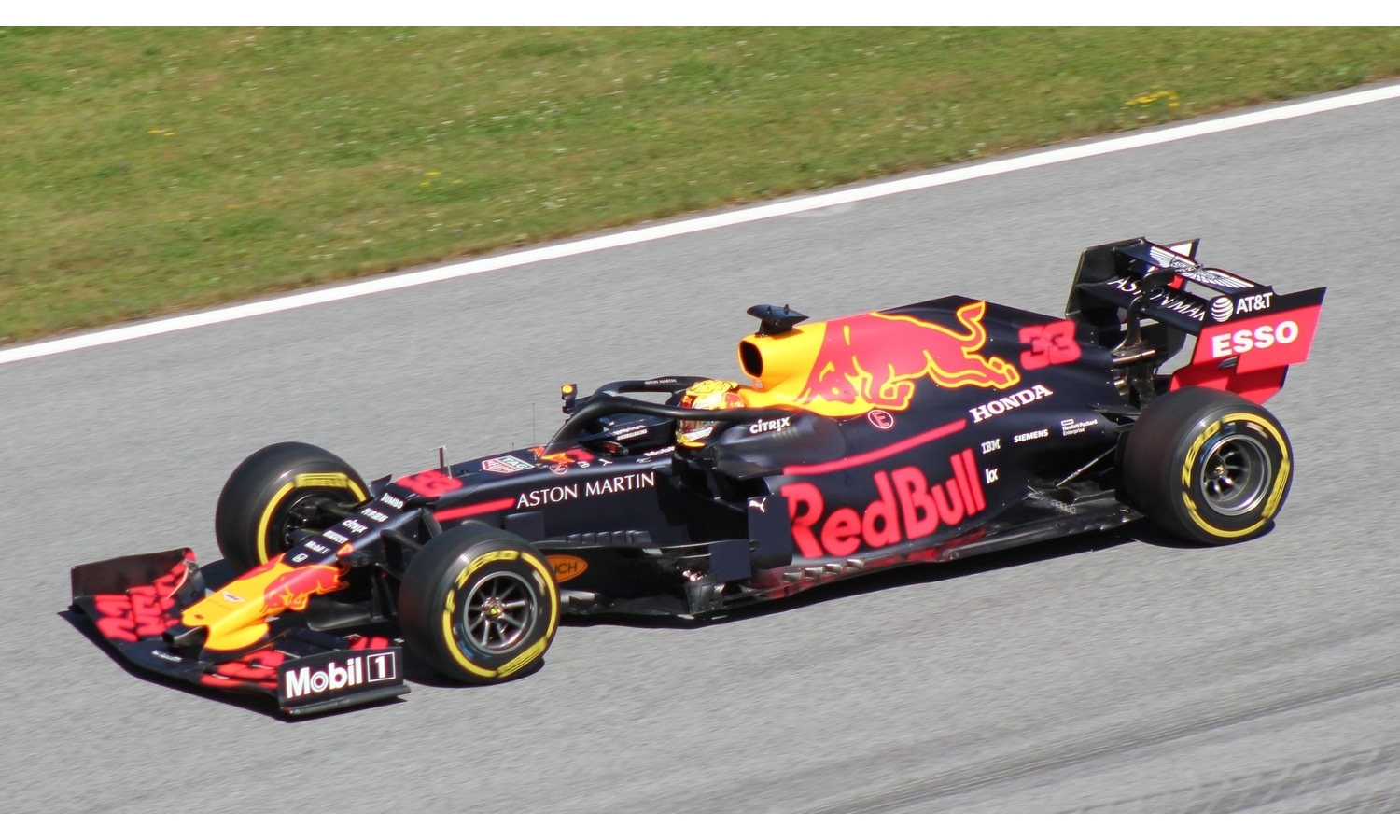
The safety measures proposed by the FIA for the various categories are:
- For open single-seaters:
- Minimize or mitigate the number of pieces that break off during an accident by using anchors or other solutions for smaller debris with new structural solutions.
- Review of frontal and lateral impact structures. It seeks to improve the level of energy absorption for greater passive safety and survival cell compatibility. Something that will be done in F2 and F2 as it is already done in F1, F4, and FE. This also leads to new research for a new generation of impact structures.
- New designs and fixings of the front wing on the nose. The research will also involve future designs to include controlled failure points, that is, to be very fragile so that in the event of a contact, only parts are detached and not larger pieces.
- The shape of the headrest design and attachment is also discussed to increase retention and strength.
- Anti-intrusion front panel incorporated into the next generation of all competition single-seaters.
- For cars with a closed cockpit:
- The FIA is updating the standard for racing seats.
- Electronic security systems:
- In this sense, they will focus on accident perception systems. Especially reduce line of sight reduction and new lighting technologies, notices, etc.
- Deployment of tire pressure monitoring systems. To prevent loss of control due to punctures and reduce the costs of monitoring systems.
- Driver installation:
- They are specifically aimed at additional training material for the pilot to be in a correct position to mitigate serious impact injuries.
- Improvements to the systems and technologies used by race management to improve performance in the event of an accident.
- Circuits:
- New research on low angle barriers (0-20º) that absorb impacts.
- Better designed loopholes to increase deceleration in case a car spins out.
- New solutions so that the pilots do not abuse the limits of the track and that can cause accidents on their rejoining.
- New improvements and standards for track status information.