

The fragile balance between the automotive sector, CO2 emissions reduction, and politics has been shattered. Vehicle electrification has been a turning point that we will all, sooner or later, pay for. Especially when taking this path means breaking the established rules and introducing new ones, without considering who else is involved.
Not long ago, Carlos Tavares, CEO of Stellantis, said that "the electric car is a political decision ." This headline didn't sit well in certain circles of power, but it wasn't entirely untrue. Well, the sector has received another blow following the approval of CO2 emissions reductions ratified by the European Parliament in yesterday's vote. Do you know what this measure entails? Well, take note, because it will change our lives…
The European Parliament has approved that by 2035 vehicles emit zero grams of CO2 emissions...

In July 2021, the European Commission presented a legislative proposal to revise the carbon dioxide (CO₂) emissions standard for new passenger cars and light commercial vehicles. This action was part of the "Fit for 55" proposal, which, ironically, was rejected in many respects yesterday. However, Parliament approved the zero-emissions target for the automotive industry by 2035, banning internal combustion engine vehicles…
To understand this measure, the European Union has a plan. The idea is to contribute to the climate goals of the 27 member states for the years 2030 and 2050. However, this measure entails something bigger: gasoline, diesel, hybrid, and plug-in hybrid cars will no longer be sold from 2035 onwards . Therefore, they will be phased out, and only electric vehicles will be allowed. But this is not the only prohibition ratified by this text.
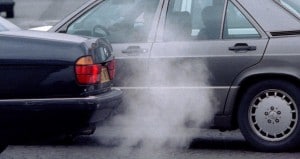
The sale of synthetic fuels and biofuels is also prohibited . To understand its scope, simply take a look at the press release published by the European Parliament…
"The text constitutes Parliament's position for negotiations with Member States. In it, MEPs support the European Commission's proposal to move towards net-zero emissions by 2035 (through a 100% reduction in overall emissions from cars and vans in the EU compared to 2021). The target for 2030 will be a 55% reduction for cars and a 50% reduction for commercial vehicles ."
Now, after this crucial step, the 27 member states must ratify and approve the measure . Only then will it gain traction and begin to put a strain on manufacturers. Meanwhile, they are working to stay ahead of the political landscape and save themselves. And what do you think of this measure? Will it help reduce CO2 emissions and improve the climate situation? Will it be a major blow to freedom of movement?
Time to time…
Source – European Parliament