
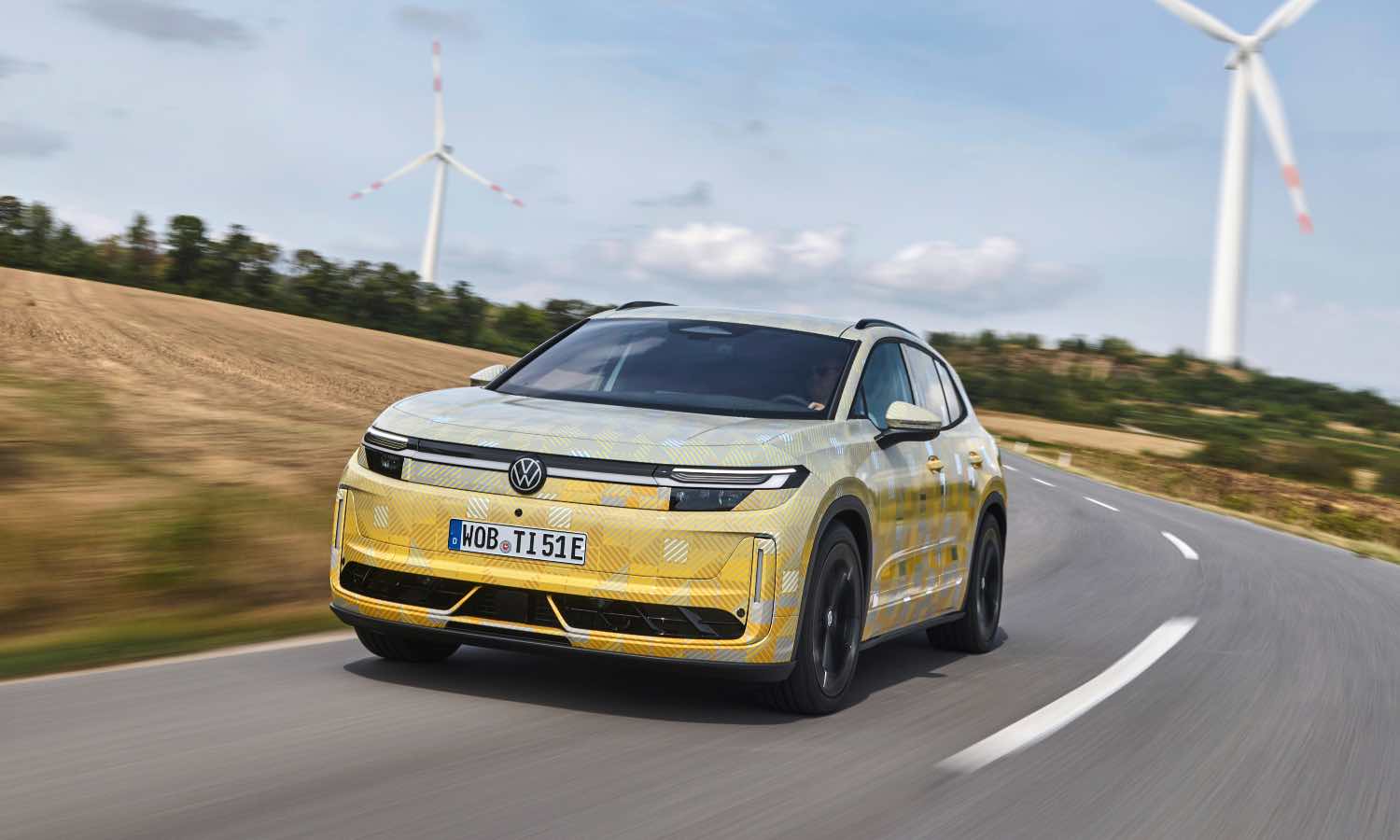
Volkswagen has begun to reveal details about the ID. Tiguan , an electric SUV destined to replace the current ID.4 and ID.5. The German brand has already confirmed the name and released the first images of camouflaged prototypes, although its final appearance won't be revealed until its official unveiling. Its arrival at dealerships is expected in the first months of 2027, with Spain among the European markets that will receive it at that time.
The move aligns with Volkswagen's new naming policy. After reviving familiar names like ID. Polo and ID. Cross , the company is bringing another of its long-established names to the electric vehicle family. However, this isn't a replacement for the current Tiguan: the combustion engine and plug-in hybrid models will continue to be sold alongside it, while the ID. Tiguan will represent the all-electric option.
A name with significant commercial weight
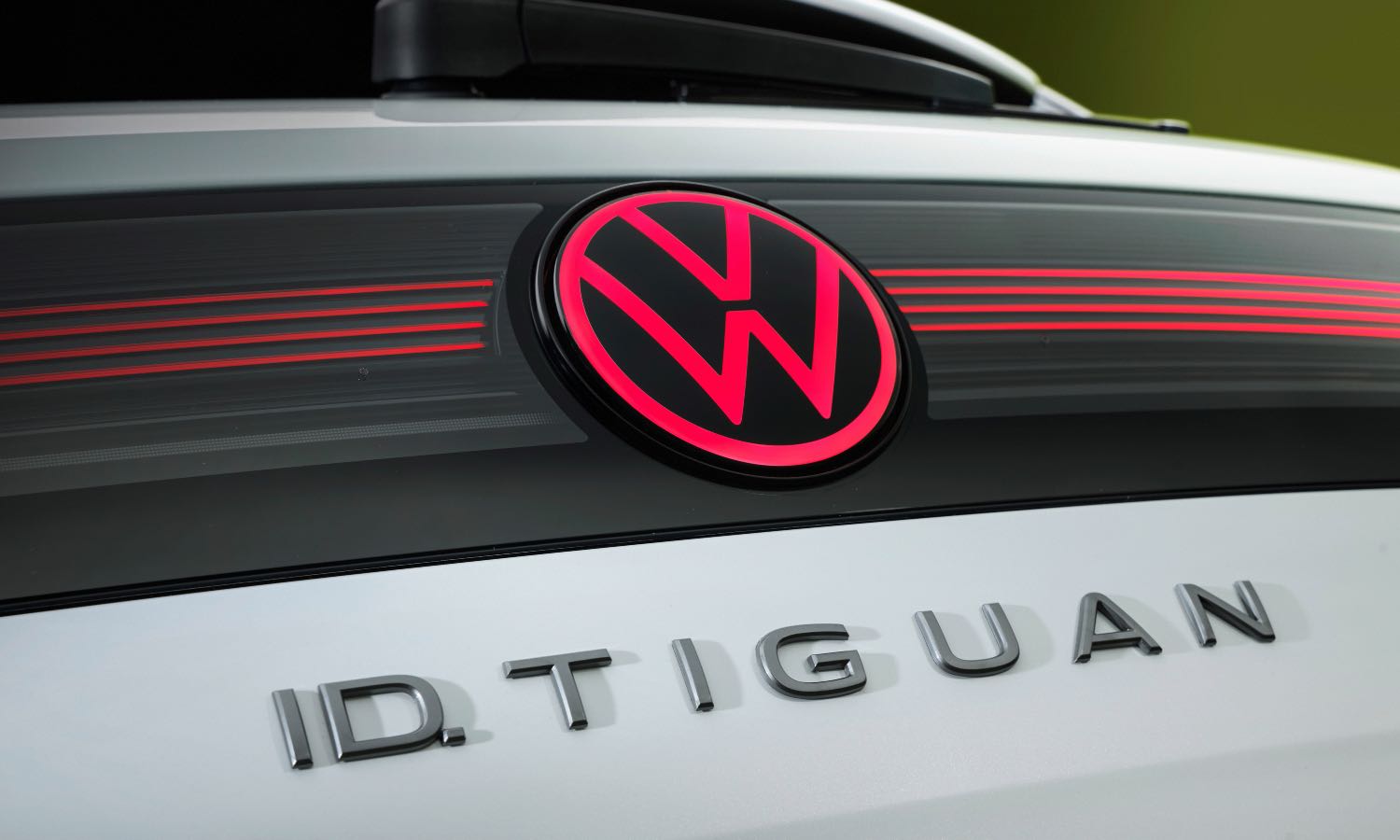
The choice of the Tiguan name is no coincidence. Volkswagen points out that cumulative production exceeds 8,3 million units since the model's inception, making it one of the brand's and the Volkswagen Group's biggest commercial successes. Thomas Schäfer, head of the brand, has indicated that this figure reflects the confidence associated with a name that now aims to carry on into the electric future.
The company argues that using recognizable names makes it easier for buyers to find what they're looking for. The ID. Tiguan will be the third member of this new generation with classic names, following the ID. Polo and ID. Cross. In its case, it also arrives to replace the ID.4 and ID.5 , two electric vehicles that have sold nearly 900.000 units since 2021 and shared a platform, technology, and approach, differing mainly in their body styles.
What is known about its release and its arrival on the market?
The world premiere is scheduled for early October 2026. Shortly thereafter, Volkswagen will begin revealing technical and commercial details, as it has not yet confirmed figures for battery capacity, power, charging speed, range, or price. Sales in Europe will begin in early 2027, and barring any surprises, the ID. Tiguan will arrive in Spain around the same time.
Regarding the price, there's still no official figure. For reference, the current ID.4 has been priced around €33.000 with incentives, discounts, and financing, but the new model aims to be a step up in perceived quality, so it wouldn't be surprising if its price were higher. In any case, Volkswagen prefers not to reveal anything until the full presentation.
Design, interior and technology
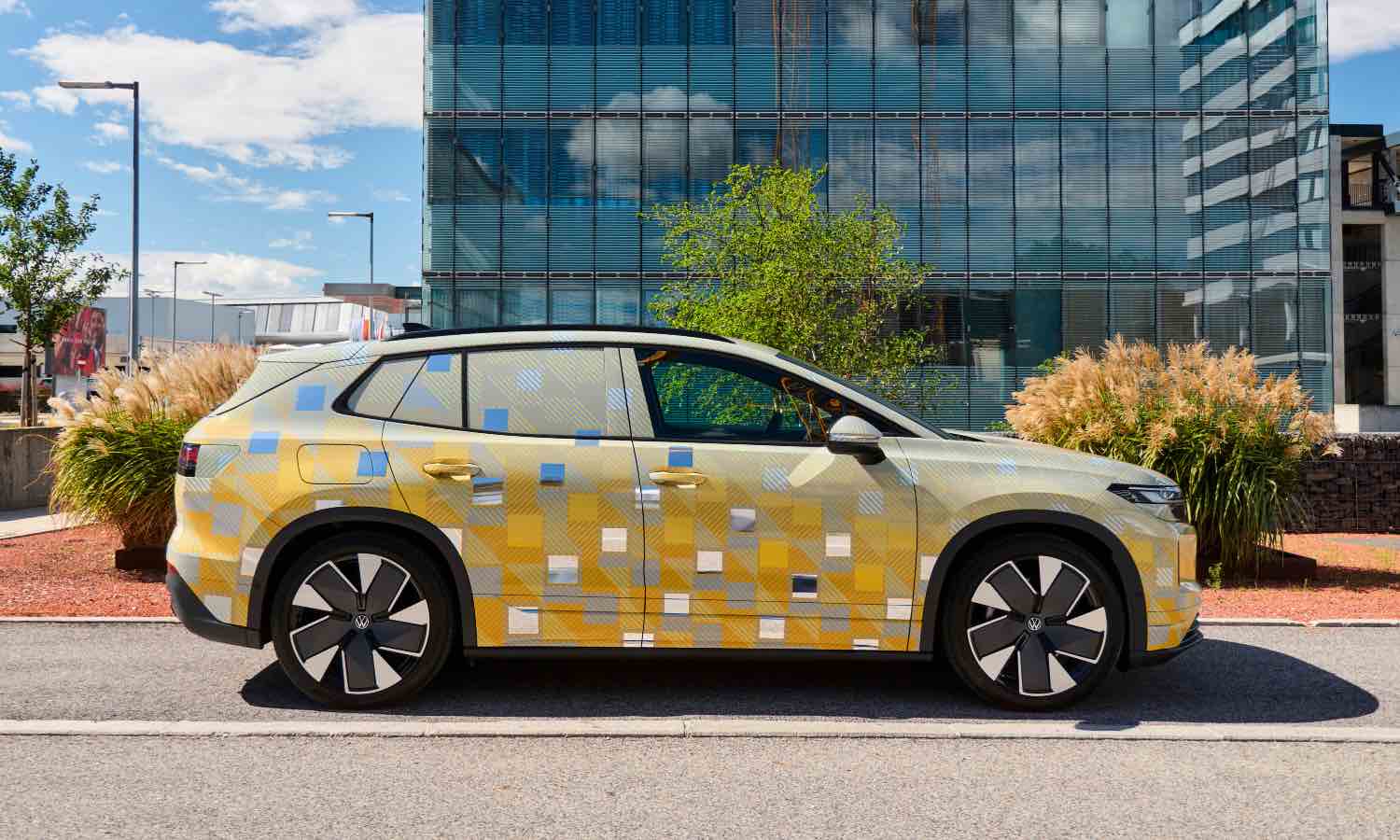
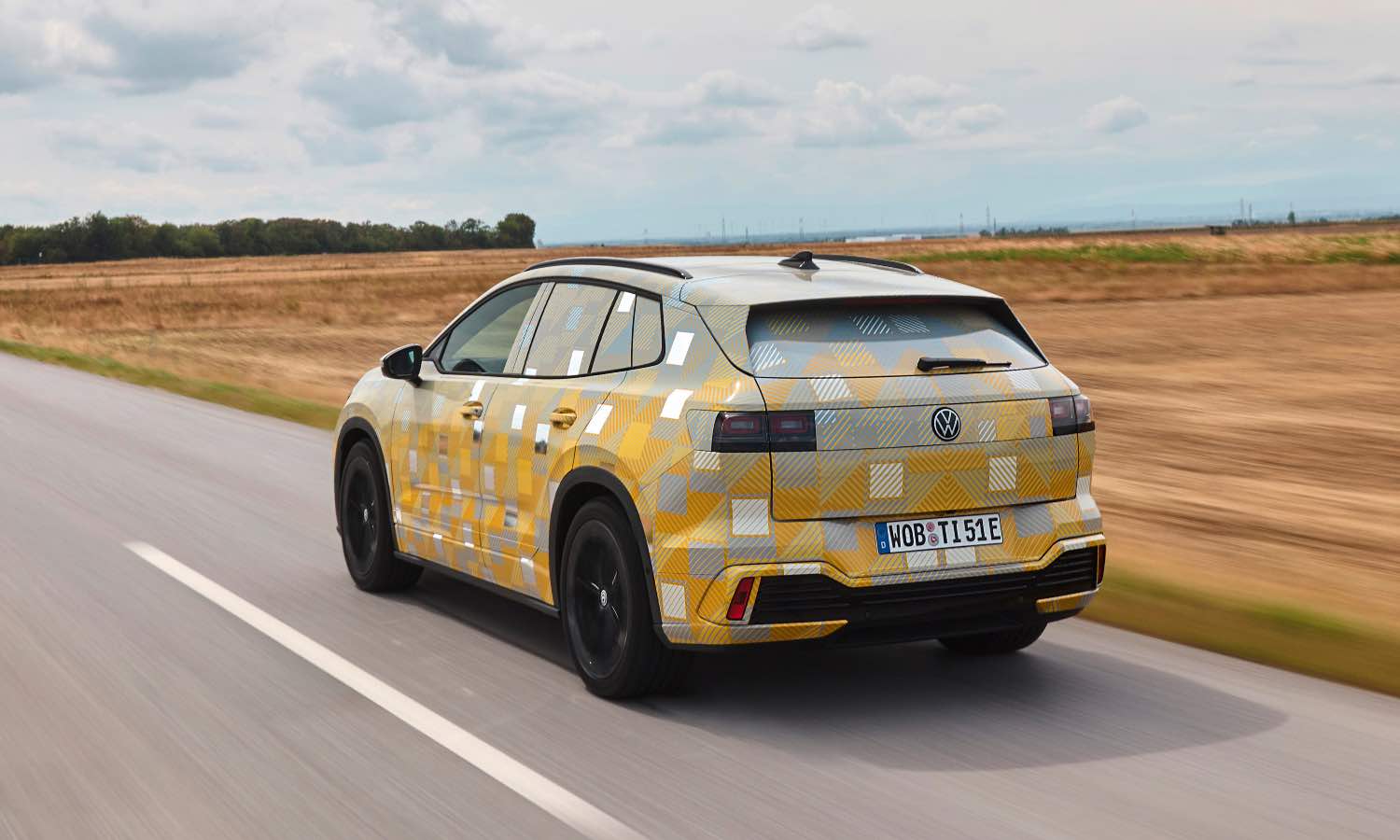
The prototypes seen so far are still covered in camouflage, but they hint at a design closer to the brand's usual style. A light bar at the front connects the headlights and highlights the logo, while the rear features rectangular taillights and an overall design that aims to project a more commanding presence. The brand describes it as a high-end design and a refreshed image compared to the ID.4.
Inside, Volkswagen aims to address some issues that didn't quite convince in the first ID models. The plan is to bring back physical controls and traditional buttons , improve the perceived quality, and opt for larger screens with a more responsive multimedia system. The stated objective is to offer ample space, intuitive controls, and innovative technologies, in line with what Schäfer promised for this model.
On a technical level, the ID. Tiguan is expected to use an evolution of the group's MEB platform , with improvements in software, propulsion, and electric capabilities. Volkswagen has not yet detailed the exact combinations that will be available in each country, nor whether there will be front-wheel drive, rear-wheel drive, or all-wheel drive versions, although everything points to a broad range to cover different family needs.
First impressions and expected autonomy
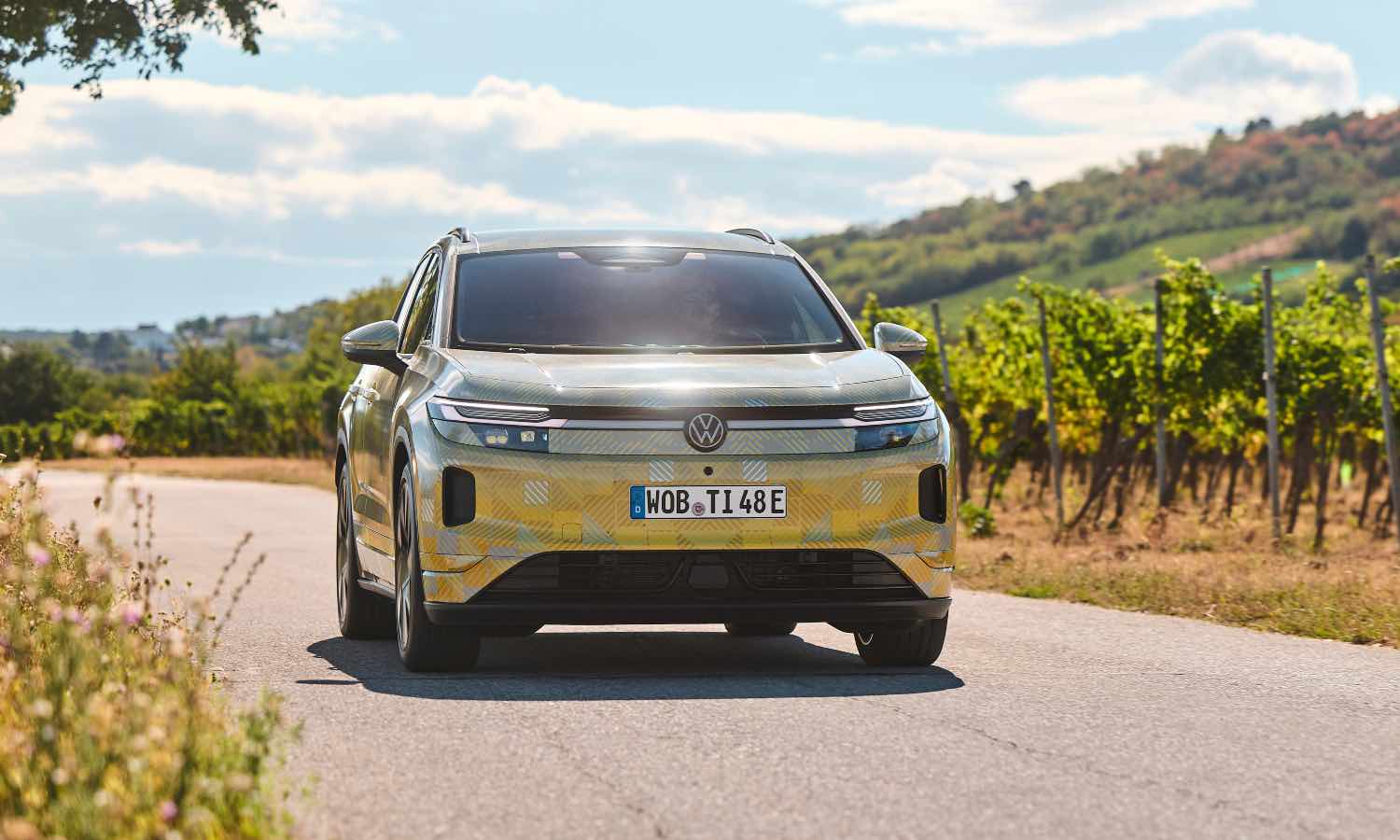
Initial test drives have revealed a comfortable, quiet, and refined SUV. Compared to the ID.4, it boasts a smoother ride and superior sound insulation , with a suspension that prioritizes comfort and steering that inspires confidence without aiming for sporty handling. It has also been noted that it is easy to drive and that interior space appears to have improved.
Regarding range, reports surrounding the model suggest versions capable of achieving around 600 km WLTP in the most powerful variants. However, this data is pending official confirmation. Power outputs could remain similar to those of the ID.4, which offered a wide range of performance figures, but Volkswagen has not yet finalized the specifications for the Spanish market.
Production for Europe will remain in Germany, reinforcing the brand's industrial presence in its home country. However, it hasn't been officially clarified how manufacturing will be divided among the plants or which versions will be assembled first. For Spanish buyers, the key is that the ID. Tiguan will arrive in 2027 as a zero-emissions alternative within the Tiguan family, without immediately replacing the combustion-engine Tiguan.
Two Tiguans to coexist in the market
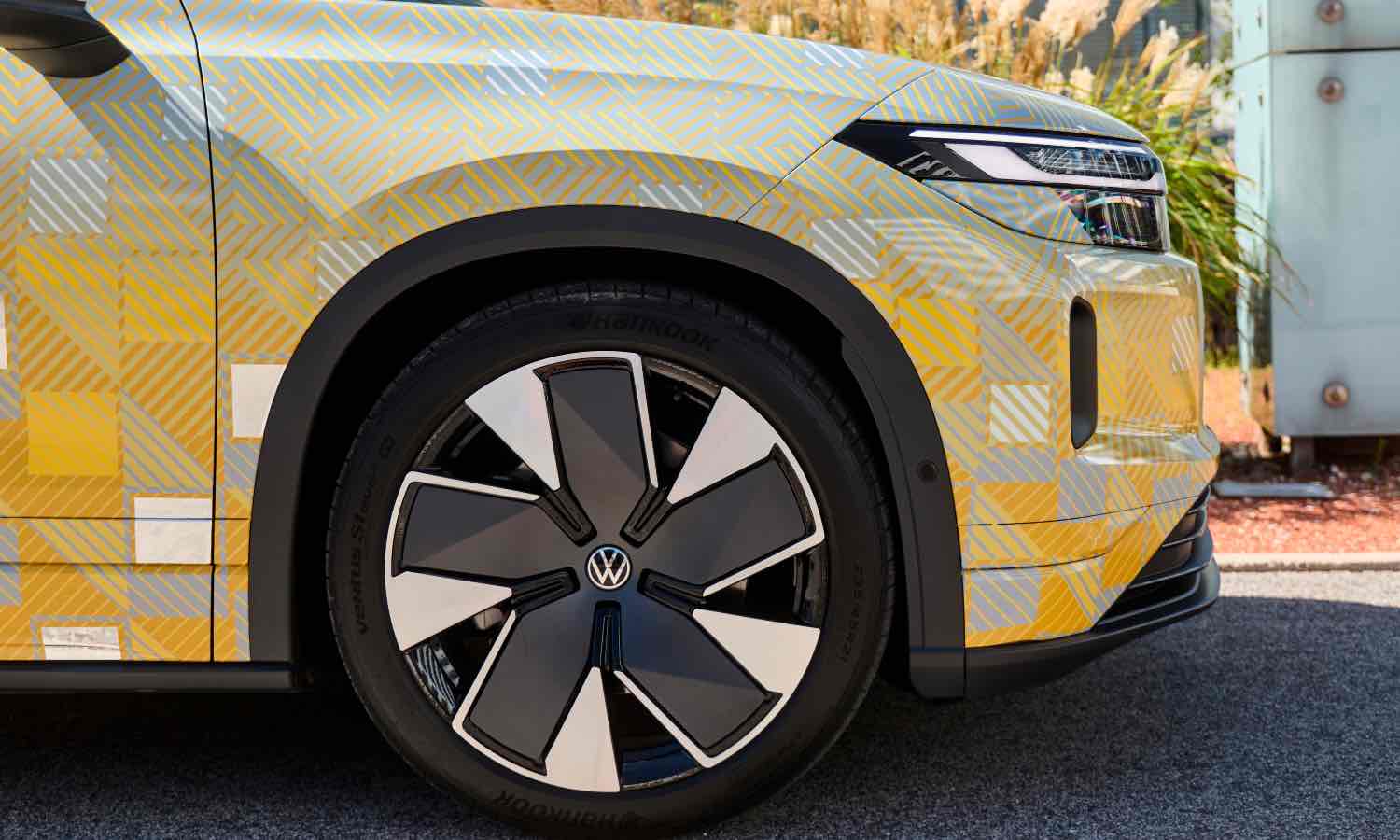
Volkswagen will continue to sell the conventional Tiguan with gasoline, diesel, and plug-in hybrid engines. This way, customers can choose between the traditional Tiguan and the new electric ID. Tiguan . The brand believes that both options complement each other and cater to very different preferences without abandoning a nameplate that performs very well in Europe.
This coexistence also serves to organize the transition to electric vehicles. The company doesn't want to force a sudden leap, but rather prefers that familiar names act as a bridge between what already exists and what's to come. The ID. Tiguan will therefore be a key piece in this strategy and one of the models destined to set the course for the next generation of Volkswagen electric vehicles.
The new Volkswagen ID. Tiguan arrives with the mission of replacing the ID.4 and ID.5, capitalizing on the popularity of the Tiguan name, and maintaining both combustion and hybrid powertrain options. Its unveiling is planned for October 2026, with sales beginning in early 2027, targeting Spain. Although some key details are still pending, the concept is clear: more space, a higher perceived quality, and a range of approximately 600 km , pending official confirmation.
