

The Labor Inspectorate has turned its attention to the vehicle inspection sector . In Catalonia, Applus faces sanction proceedings for how it assesses its staff's exposure to diesel engine fumes, while in the Basque Country, ITV Itasua has been fined for replacing striking workers. These are two separate cases, but they share a common thread: working conditions and regulatory compliance at vehicle inspection stations.
The first case stems from complaints filed by the Reformist Workers' Union (SRT) against Applus, a company that manages numerous vehicle inspection stations (ITV) in Spain. The union maintains that its employees have been inhaling diesel engine fumes for years without adequate safety measures. The Labor Inspectorate has ultimately sided with the union and opened disciplinary proceedings after verifying that the hygiene assessments did not meet the required technical standards.

Diesel fumes: a carcinogenic risk that is not properly measured
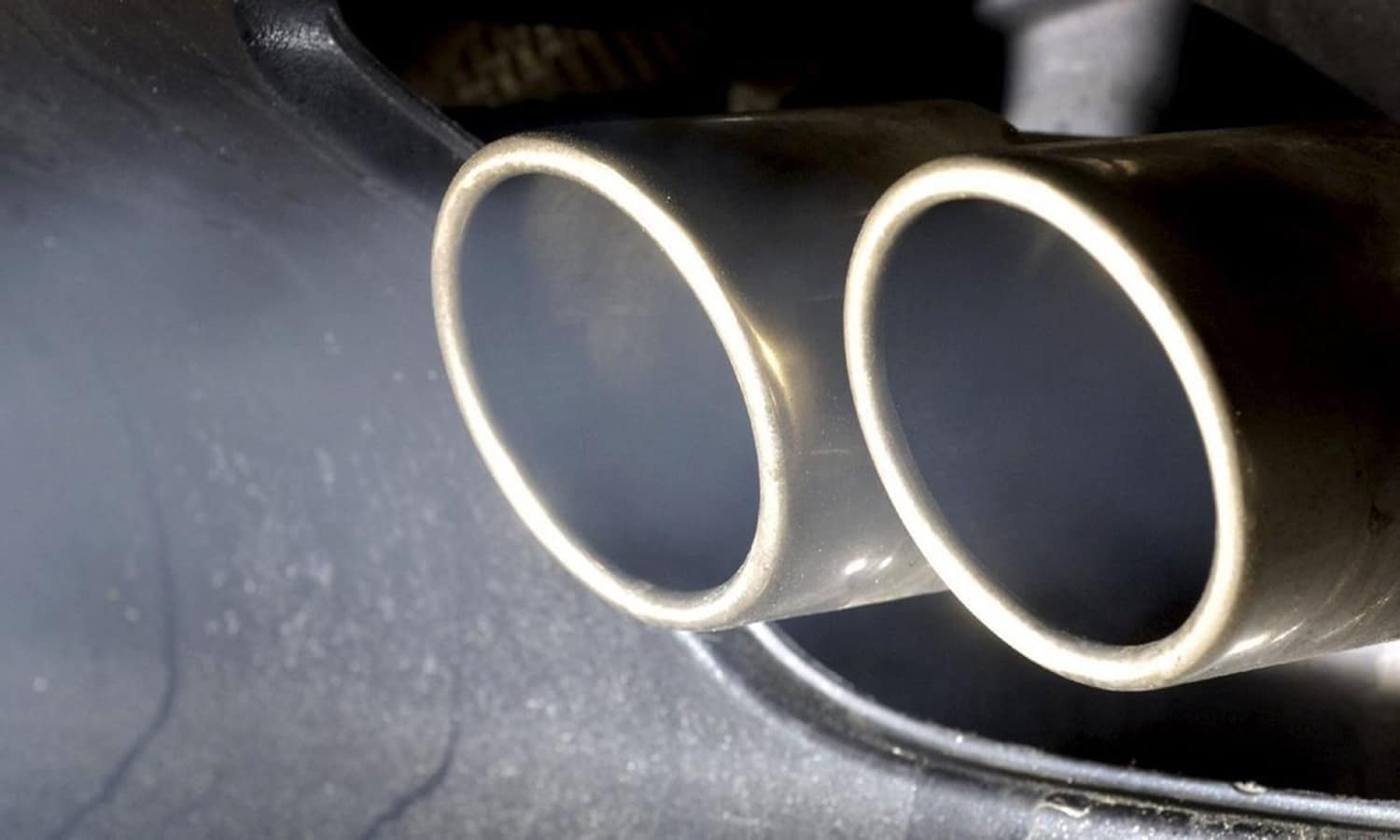
The conflict stems from exposure to diesel engine emissions, which have been classified as carcinogenic since the amendment of Royal Decree 665/1997. According to SRT, Applus used generic studies and its procedures did not always reflect actual working conditions. Among the irregularities detailed are failing to take the minimum number of measurements required by the UNE-EN 689:2019 standard, grouping different stations into the same Similar Exposure Groups, not assessing the combined effect of NO, NO₂, and SO₂, conducting sampling with unrepresentative timeframes, and failing to comply with technical criteria for taking diesel emissions samples.
The inspection team visited centers in Sant Just Desvern, Viladecans, Cornellà, Diputació, Sant Andreu de la Barca, Granollers, Igualada, Olèrdola, Vilanova i la Geltrú, Motors, Sabadell, Puigmadrona, and other locations within the Applus network. In many cases, investigations were opened after detecting violations of occupational health and safety regulations . In addition to penalties, the company is required to correct the identified health and safety deficiencies.

The matter reached the Supreme Court. Applus appealed, but the high court dismissed its appeal and clarified that being below the environmental limit value does not exempt companies from applying preventive measures against carcinogens. The ruling distinguishes between the environmental limit value and the threshold value, and reiterates that in these cases, the limits are not a boundary below which the risk can be considered eliminated. The regulations require reducing exposure to the lowest level that is technically feasible.
According to Colectivo Ronda, the law firm representing the union, Applus will have to take care of laundering work clothes so employees don't take them home, provide double lockers to prevent cross-contamination between uniforms and personal clothing, supply adequate personal protective equipment—such as masks and gloves—and guarantee sufficient time for personal hygiene at the end of the workday. The goal is to prevent particles from emissions from remaining on skin or clothing.
ITV Itasua fined for violating the right to strike
The other front is in the Basque Country. The Labor Inspectorate has fined ITV Itasua Bergara and Zarautz €30.000 for violating the right to strike, according to the ELA union. The fine stems from the hiring of a worker to replace another who was participating in the strike, a practice prohibited by Article 6.5 of Royal Decree 17/1977 on labor relations.

The ELA union points out that the vehicle inspection (ITV) is mandatory and that the service generates significant revenue. In fact, they maintain that in the last five years, the owners have earned around €10 million in profits , while the staff is demanding an agreement that would allow them to receive a share of that wealth, also generated through their efforts.
The strike in Zarautz and Bergara continues. After 83 days of work stoppage , the company and unions failed to reach an agreement at the last meeting held in Vitoria. Workers are called to demonstrate in Zarautz, with a march starting from the Town Hall square and a reading at the end. The company maintains that it will not offer more than what was agreed upon at the Vitoria plant, where a deal was reached with a raise of CPI plus 1%. In Gipuzkoa, the unions are demanding CPI plus 3%, a request the company considers unfeasible for maintaining its financial stability.
At the Júndiz plant in Álava, which also belongs to Itasua along with the two plants in Gipuzkoa, 52 of the 95 total employees work. There, the renewal of the collective bargaining agreement passed with a vote of 30 to 0, including a salary increase of CPI plus 1%. The parties also exchanged proposals: the unions, with a majority from ELA but with some members from LAB, offered to suspend the strike if the company withdrew the complaints filed against several strikers and committed to signing an agreement specific to Gipuzkoa, separate from the one for Álava. Itasua proposed minimum services to allow certain vehicles, such as school buses, ambulances, or those with long-expired vehicle inspections , to undergo inspection. No agreement was reached, and for now, no new meeting has been scheduled.
Thus, the current state of vehicle inspections (ITV) is not just about appointments and stickers: it also has a labor and health dimension . In Catalonia, the Applus case has resulted in a ruling that mandates stricter protection against diesel fumes, even when measurements are below the limits. In the Basque Country, the Itasua strike and the fine for replacing striking workers keep the conflict over the collective bargaining agreement and working conditions alive. These two episodes point to the same thing: the Labor Inspectorate and the courts are prepared to scrutinize how safety and labor rights are managed at vehicle inspection stations.

Table of Contents