

The Spanish Directorate General of Traffic (DGT) has implemented a comprehensive reform of the General Traffic Regulations through Royal Decree 518/2026. The regulation will generally come into force on October 1, 2026 , although some obligations have been postponed until October 1, 2027. The stated objective is to adapt the rules to a very different mobility landscape than that of two decades ago and to focus on those most likely to be seriously injured in an accident.
For the first time, the text includes a formal definition of vulnerable road users . This category includes pedestrians, especially children, the elderly, people with disabilities, and people with reduced mobility, as well as cyclists, drivers of personal mobility vehicles, and occupants of motorcycles and mopeds. The reform is also presented as aligned with several goals of the 2030 Agenda, such as good health and well-being, sustainable cities, and climate action.

More protection for vulnerable users
The new regulations are more than just a statement of intent. The DGT (Spanish Directorate General of Traffic) aims to reduce accidents involving the most vulnerable road users and, to achieve this, is changing how we share the roads and highways. The regulations are based on a simple idea: we can all be vulnerable at some point, whether due to the mode of transport we use, our age, or personal circumstances that increase the risk.
The text also makes it clear that local authorities will have more leeway to regulate urban mobility. Municipal ordinances must respect the national framework , but will be able to develop aspects such as low-emission zones, residential priority areas, safe routes to school, and traffic calming measures. This combination of national and local regulations is one of the keys to the new model.
Overtaking, emergency lanes and snow
One of the changes drivers will notice most affects overtaking cyclists and personal mobility vehicle (PMV) users . To pass cyclists, groups of cyclists, or PMV users, drivers must maintain a lateral separation of 1,5 meters and, on intercity roads, reduce their speed to at least 20 km/h below the speed limit. If the road has more than one lane in each direction, it will be mandatory to change lanes completely. The same precaution applies when overtaking a vehicle stopped due to a breakdown, accident, roadside assistance, maintenance, or traffic control.

On motorways and dual carriageways, the reform specifies how to manage traffic jams. Vehicles must create an emergency lane to allow ambulances, fire trucks, and police vehicles to pass. On two-lane roads in each direction, this lane is located in the center; on roads with three or more lanes, it is between the leftmost lane and the next one. Furthermore, when snow makes driving difficult, overtaking will be prohibited, and the leftmost lane must be kept clear for emergency services and snowplows.
- Withholdings: The vehicles move to the ends to leave a central or lateral gap depending on the number of lanes.
- Snow: Traffic flows in the right lane, and the left lane is reserved for priority vehicles and snowplows.
- Beacon V16: The connected light signal has replaced the emergency triangles since the beginning of the year.
Motorcycles, mopeds and delivery vehicles
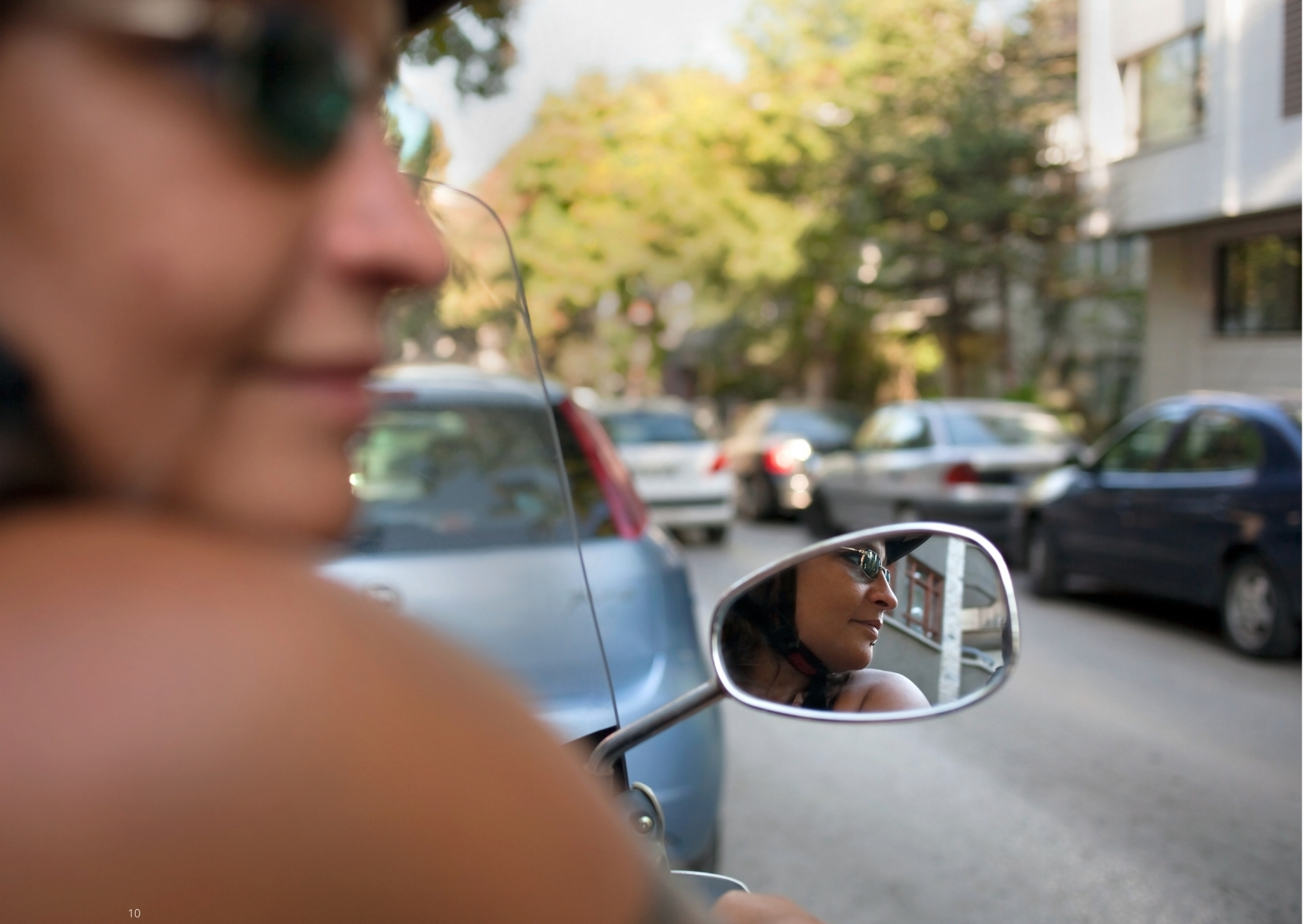
Motorcyclists face new equipment requirements. Protective gloves will be mandatory on intercity roads , and closed footwear must cover the entire foot on all types of roads. For mopeds, helmets must be approved according to the UNECE R22 standard, although certified helmets can continue to be used until October 1, 2027.
The use of the shoulder has also changed. Motorcycles will be allowed to use the shoulder in traffic jams , provided the section is signposted, traffic is congested, they travel single file, and their speed does not exceed 30 km/h. They must respect the right of way of those required to use the shoulder, such as bicycles.

Those who work on two wheels, such as delivery riders, will have stricter obligations. They must wear a helmet and reflective vest during their professional activity , whether they use a bicycle, personal mobility vehicle (PMV), moped, or motorcycle. In the case of motorcycles, wireless devices integrated into the helmet will be permitted only for intercom or navigation, provided they do not cause distraction.
Bicycles: more visibility and distance
The reform eliminates exceptions to the helmet requirement for cyclists on intercity roads. All cyclists must wear helmets on roads , and those engaged in professional cycling must also wear reflective vests. In urban areas, the regulation requires cyclists to ride preferably in the center of the lane and that motor vehicles maintain a minimum distance of 5 meters from the bicycle in front of them in the same lane.
On certain single-lane urban streets with a maximum speed of 30 km/h or less, city councils may authorize two-way cycling , provided there is adequate signage. The possibilities for transporting cargo, animals, or passengers by bicycle are also expanded, subject to technical requirements, including the use of additional seats, trailers, and approved equipment.
Electric scooters and personal mobility vehicles (PMVs): clearer rules
Personal mobility vehicles, such as electric scooters, will now be subject to much more detailed regulations. The minimum age to drive a PMV will be 15 , and helmets will be mandatory. Between sunset and sunrise, or in conditions of reduced visibility, at least one light or reflective element visible from 150 meters will be required. Those who use these vehicles professionally must wear a high-visibility reflective vest.
Furthermore, personal mobility vehicles (PMVs) will not be allowed on sidewalks or on highways, motorways, through towns, urban tunnels, or interurban roads, except for designated cycle paths or authorized lanes. They will also require mandatory civil liability insurance and registration in the National Vehicle Registry , with an identification sticker. From October 1, 2027, they must have their lights on during the day as well.
- Helmet and age: Mandatory, with a minimum age of 15 to drive.
- Insurance and registration: current civil liability insurance and registration with certificate and label.
- Lighting: lights on during the day from October 2027.
Pedestrians, motorhomes and the city
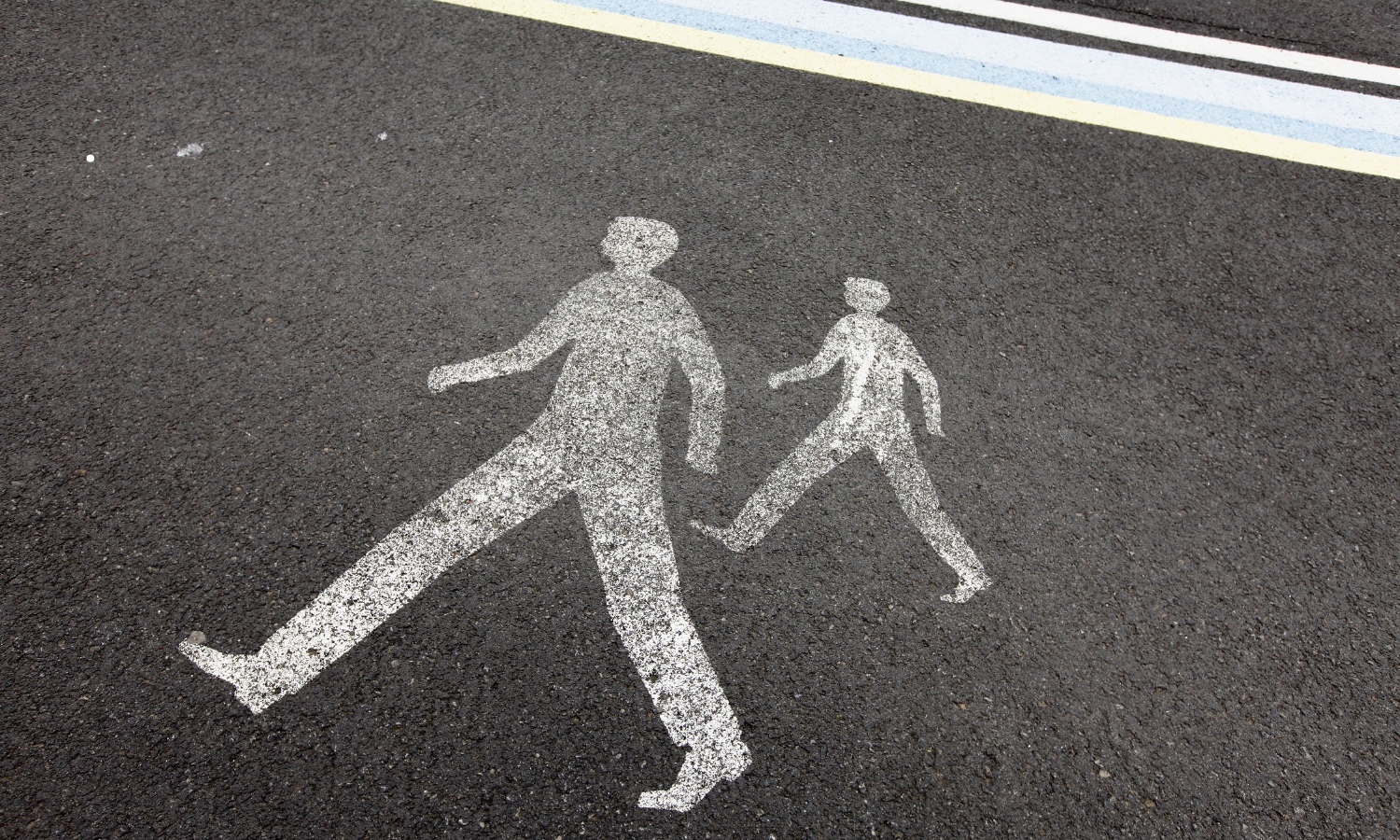
Pedestrians gain explicit protection. They will have priority in pedestrian zones, marked crossings, and certain turning maneuvers , and on intercity roads with poor visibility, they must wear reflective elements visible from 150 meters away. At traffic light-controlled crossings, as a general rule, the flashing amber light for vehicles cannot coincide with the steady green light for pedestrians.
Motorhomes and campervans will have specific parking rules. They will not be allowed to extend any elements beyond the perimeter, must be parked on their tires, and cannot leak fluids from the living area . In urban areas, the reform covers low-emission zones, residential priority areas, regulated parking, and safe routes to school.
Beltway, buses and other new features
The reform also affects exceptions that have been in place for years. Taxi drivers, delivery drivers, and driving instructors will no longer be exempt from wearing seat belts in the situations previously permitted. An exception remains for passengers in ambulances attending to a patient during an emergency.
Buses carrying standing passengers or passengers without seatbelts will have their speed limited to 80 km/h outside built-up areas. HOV lanes are also being updated , with new provisions for vehicles displaying a V-15 sign or a parking permit for people with reduced mobility, and the framework for municipalities to manage urban traffic without contradicting state regulations is being strengthened.
The regulatory package creates a scenario with more obligations for drivers, motorcyclists, cyclists, and scooter users, but also with greater protection for those who travel outside of a car. The target date is October 1, 2026 , although it's worth noting that daytime running lights for personal mobility vehicles (PMVs) and approved helmets for mopeds will be required in 2027. The underlying idea is to make coexistence between different modes of transport safer and to provide cities with the tools to manage their streets.
Table of Contents
- 1 More protection for vulnerable users
- 2 Overtaking, emergency lanes and snow
- 3 Motorcycles, mopeds and delivery vehicles
- 4 Bicycles: more visibility and distance
- 5 Electric scooters and personal mobility vehicles (PMVs): clearer rules
- 6 Pedestrians, motorhomes and the city
- 7 Beltway, buses and other new features