

Stellantis is going through a very difficult time . The world's fourth-largest car manufacturer has just lost its CEO, Carlos Tavares, due to risky and controversial management. Amidst the decline in electric vehicle sales, he was the only executive still betting on them, even if it meant jeopardizing his own operations. Faced with this situation, the board of directors of the Italian-French-American group had to take action, asking him to leave the company… all of this shrouded in an atmosphere of "resignation" when what actually happened was a clear dismissal.
Whatever the case, the new management at Stellantis has a monumental problem on its hands. The group now has to consider its next steps, and among them is diversifying its product range. Electric vehicles will be its cornerstone, but while they are becoming more accessible, they must offer more mechanical alternatives to customers and loyal clients. And the path to improving their situation would involve upscaling the technology of their models. Yes, because to be more efficient in terms of economies of scale, the new electric compacts would be based on the STLA Small platform.
Stellantis will “shrink” the technology of its compact cars onto the STLA Small platform…

It's common knowledge that Stellantis is developing a new family of platforms . We now know about the STLA Medium, Large, and Frame platforms, which are intended for their larger models. In fact, the new Peugeot 3008 already uses the Medium version, which, at least initially, is yielding good results. The last one yet to arrive is the STLA Small , which, if all goes well, should arrive sometime in 2026 when the new Peugeot 208 debuts.
Well, it seems that the managers of the Italian-French-American group have made a decision regarding the Small platform. As you know, this platform is being designed specifically for electric vehicles . In other words, it's not planned to include internal combustion engines or any other type of powertrain. Furthermore, it can accommodate vehicles up to 4,5 meters long, so it could potentially compete with the Medium platform in the mid-size segment.

In terms of battery capacity, the STLA Small can accommodate batteries ranging from 37 to 82 kWh. Thanks to the larger capacity, its vehicles will be able to achieve homologated average ranges of up to 500 kilometers . Its specifications and adaptability are among the best on the market, especially for the urban vehicles that are planned to be built using it. The problem would be that Stellantis wants to apply it to compact segment models.
Yes, because several sources have accessed information that would confirm this. Apparently, the new Opel Astra , Lancia Delta, and Peugeot 308 were going to be designed on the Medium platform . However, since the Small platform allows for vehicles up to 4,5 meters long, they decided to "shrink" their technology. Essentially, it would be the same as what they already do with the Citroën C4 , which uses the smaller CMP platform instead of the EMP2.
Using the STLA Small platform they seek to reduce costs… and increase their margins…

The strategy behind this platform change would be to reduce production costs. In fact, they already use this tactic, as we've mentioned, in the current Citroën C4. However, being a platform designed for electric vehicles, its performance might fall a little short. Indeed, the announced 500 kilometers of range won't be much for a compact car that will arrive on the market in the second half of this decade.
Currently, the Volkswagen ID.3 offers a homologated range of over 500 kilometers, and Kia is also competing in that market. Therefore, Stellantis is reportedly working to adapt this platform to accommodate more powerful batteries. They are also working to adapt it for use with other internal combustion and hybrid powertrains . This will allow them to give customers what they want, as pure electric vehicles are not yet selling as expected.

This modification could delay the launch of the STLA Small platform. As it's a native electric platform, modifying it would require a significant investment and considerably more time. While it's not yet official that the group is working on this, given what its rivals are doing, this rumor makes sense. Ultimately, Stellantis needs to improve its electric vehicles, increase profits, and be more customer-friendly.
Time will tell if they are able to achieve everything they set out to do or if they fall by the wayside…
Source – L'argus
Images | Stellantis
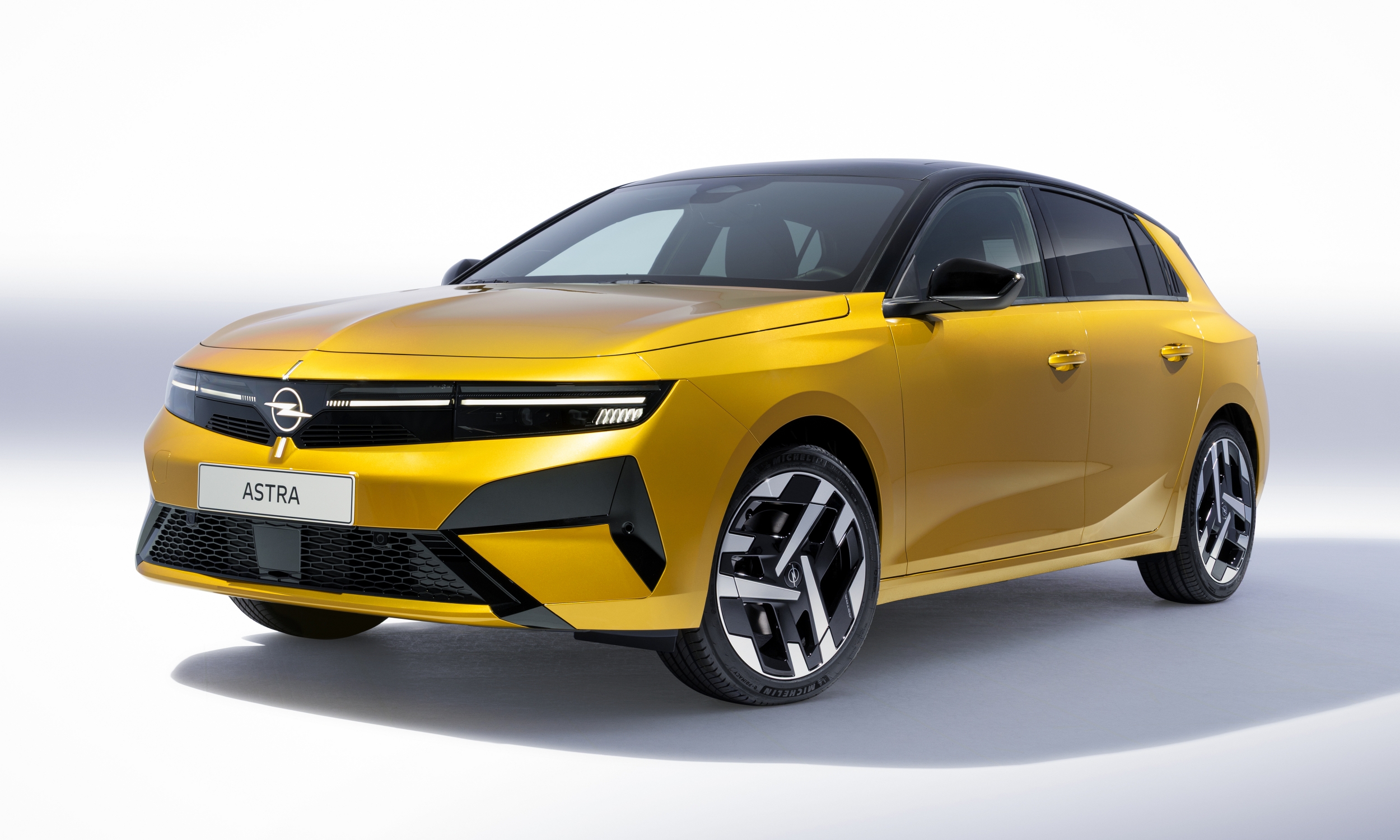
Table of Contents