

Stellantis has taken another step in its alliance with China's Leapmotor by announcing that the B10 and C10 SUVs will be assembled in Brazil, becoming the brand's first models produced in the country. This move places the South American market at the heart of an industrial strategy that also has clear implications for Europe, with Spain well-positioned in the local manufacturing plans.
This decision goes beyond a simple change of origin for two electric and electrified SUVs. The Brazilian plant in Goiana, in the state of Pernambuco, will be transformed into a true innovation hub , where Stellantis will combine Leapmotor's technological base with its own developments, such as the new plug-in hybrid solution powered by ethanol. Meanwhile, in Europe, the plan to produce the B10 in Zaragoza, Spain, is being solidified to circumvent tariffs and improve competitiveness.
Goiana: the new home of the Leapmotor B10 and C10…

The multinational has officially confirmed that the Leapmotor B10 and C10 engines will be added to the assembly line at its Goiana automotive plant , a key factory for the group in South America. This plant already manufactures important models such as the Fiat Toro, the Jeep Renegade, Compass, and Commander, as well as the Ram Rampage pickup, all based on a shared architecture.
To accommodate Leapmotor's new SUVs, Stellantis is expanding its Goiana plant , a clear sign of its long-term commitment to local production. The company is not simply importing Chinese vehicles ready for sale, but rather integrating Leapmotor into its industrial network, with the capacity to adjust production volumes, versions, and technologies to the needs of each market.

From the regional management's perspective, the interpretation is very clear: manufacturing the B10 and C10 in Brazil is seen as a key element in consolidating Leapmotor's presence in the country and, by extension, in South America. The shift from imports to domestic production implies a greater investment commitment and greater stability in price, supply, and product adaptation.
All-electric versions of the B10 and C10 are already in the spotlight…
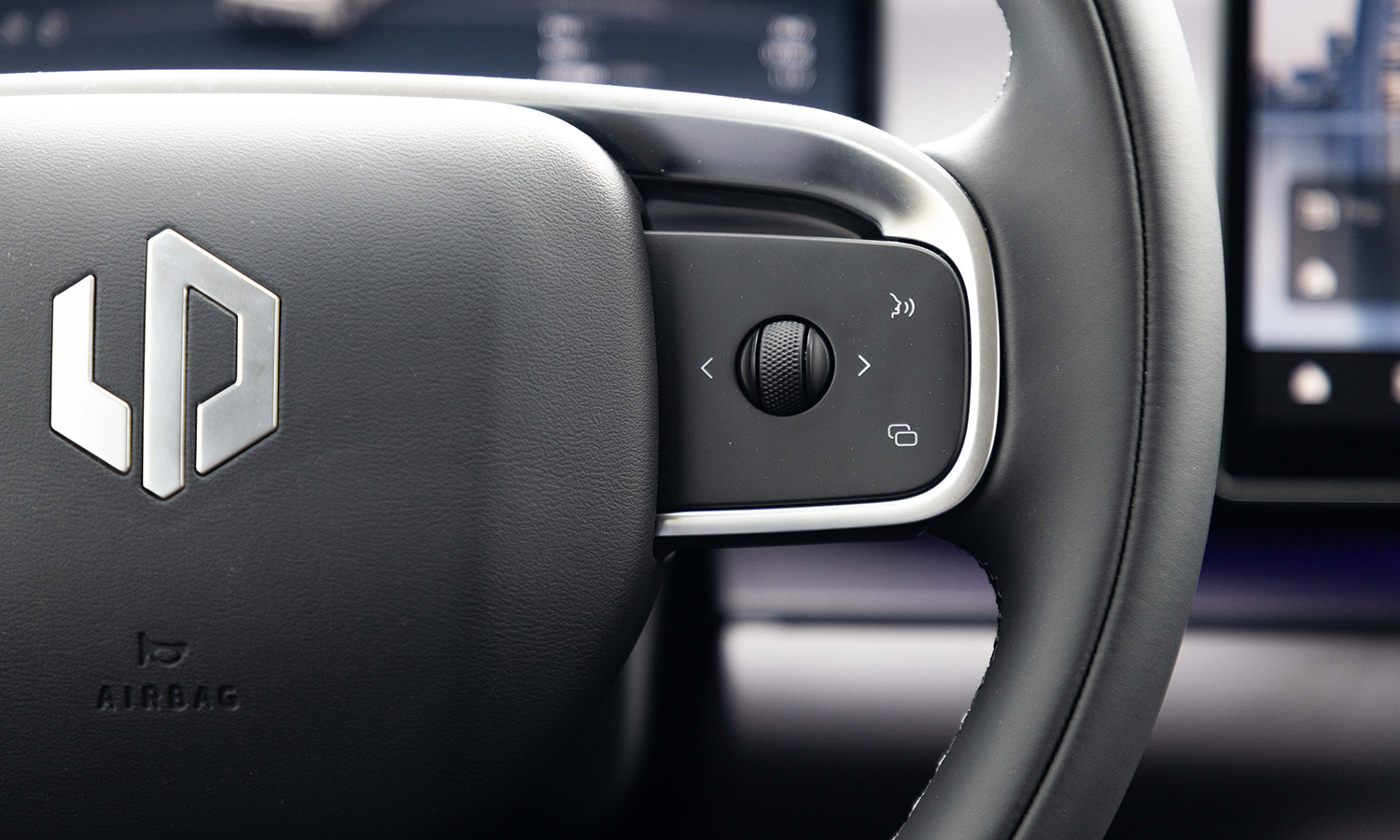
While progress is being made on hybrid developments using ethanol, the Leapmotor B10 and C10 already have fully electric variants (BEVs) that serve as a foundation for the brand's expansion outside of China. In their current configuration, both SUVs feature a 218 hp electric motor, in line with the expected figures in the competitive compact and midsize SUV segment.
In these versions, the official range is around 361 kilometers for the B10 according to the WLTP cycle , while the C10 achieves approximately 338 kilometers according to the PBEV protocol. These figures serve as a benchmark for demanding markets like Europe, where the psychological barrier of 300 km of real-world range remains a reasonable minimum for everyday use.
In Brazil, the data is adjusted to local regulations. The Leapmotor B10 is equipped with a 56,2 kWh battery and boasts a range of up to 288 km on the Inmetro cycle , which is stricter than some international standards. For its potential arrival in Europe, this same technical package could be adapted through software adjustments, aerodynamic optimization, or energy management improvements to further increase the certified range.
REEV and the leap to REEV Flex technology with ethanol…

Leapmotor's arrival in Brazil isn't just about chassis and bodies. Stellantis has confirmed that it is already developing REEV Flex technology , an evolution of the extended-range hybrid system that will allow the use of ethanol as the primary fuel to generate electricity.
This solution is based on the REEV system already available in the C10 SUV sold in the neighboring country. The current version combines a 215 hp electric motor with 320 Nm of torque, responsible for driving the wheels , with a 1.5-liter gasoline engine that doesn't directly propel the car, but rather acts as a generator to recharge the battery while driving.
"]
The unit can be plugged into the mains and accepts fast charging from 30% to 80% in about 18 minutes , a competitive figure within its segment. Thanks to the combination of battery, electric motor, and combustion engine, the range can reach up to 950 kilometers in combined use, drastically reducing charging anxiety on long journeys.
The innovation Stellantis is preparing is that this generator engine will be capable of running on ethanol thanks to the REEV Flex system , leveraging the group's extensive experience with flex-fuel engines in South America. The goal is to offer a highly versatile plug-in hybrid solution, capable of adapting the fuel type to the resources and specific needs of each region, starting with Brazil.
Performance and fast charging of the Leapmotor B10…
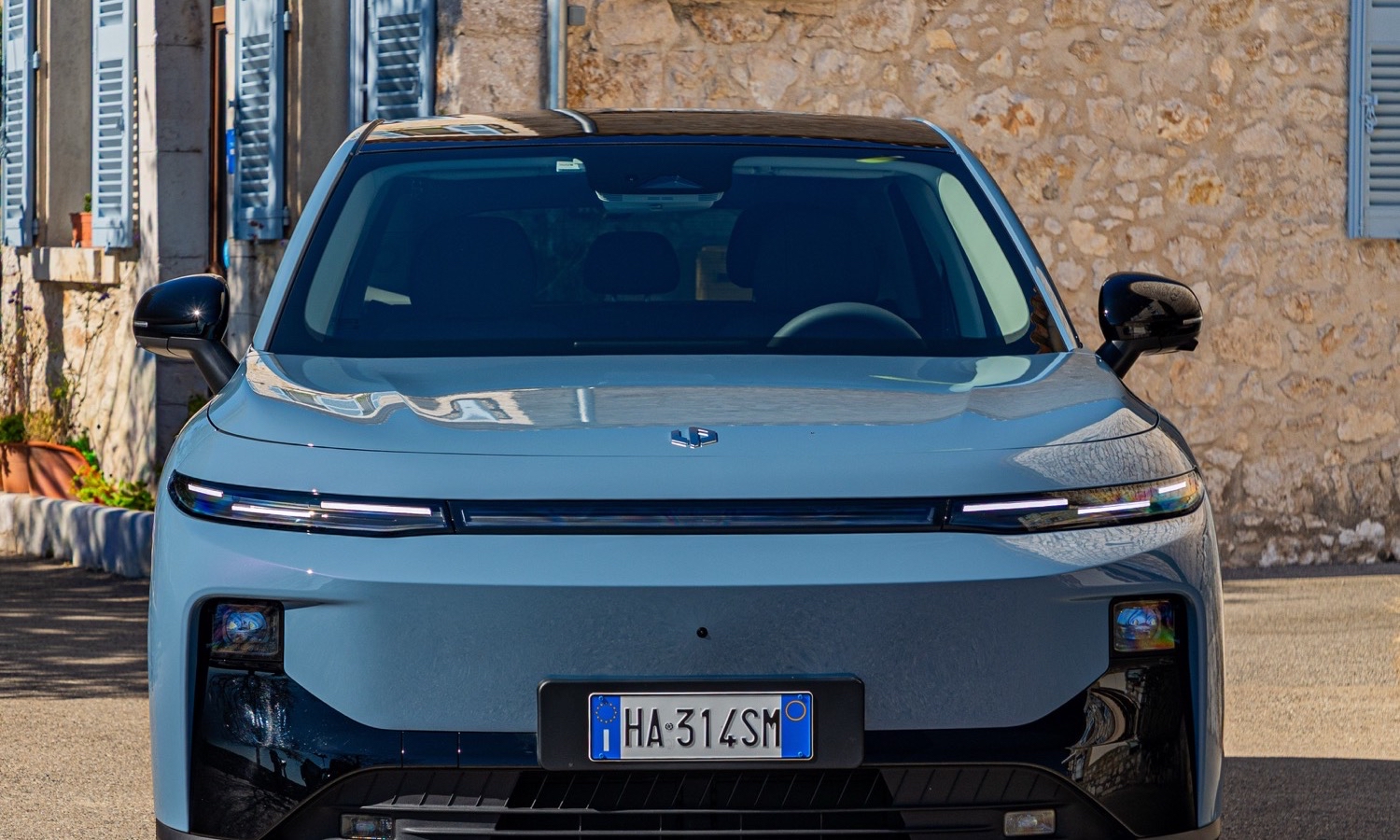
Beyond its lab specifications, the B10 is presented as the 100% electric entry point to Leapmotor's lineup in Brazil , targeting the booming market for zero-emission compact SUVs. Its 218 hp electric motor, producing 24,4 kgm of torque, allows for acceleration from 0 to 100 km/h in about 8 seconds, with a top speed limited to 170 km/h—more than enough for family and highway use.
The aforementioned 56,2 kWh battery benefits from fast-charging capabilities that stand out in its class . Using a 140 kW DC fast charger, the time required to go from 30% to 80% battery level is just 16 minutes, placing the model in a range designed for short stops.
In real-world use, this fast-charging capability allows drivers to take advantage of short breaks on highways or quick charges in the city , reducing the feeling of "wasted time" that still affects some drivers' perceptions of electric cars. Although the official range in the Brazilian cycle falls short of other models with larger batteries, the fast charging partially compensates for this difference, especially for those with access to regular charging points.
Equipment, connectivity and safety on par with higher-end SUVs…
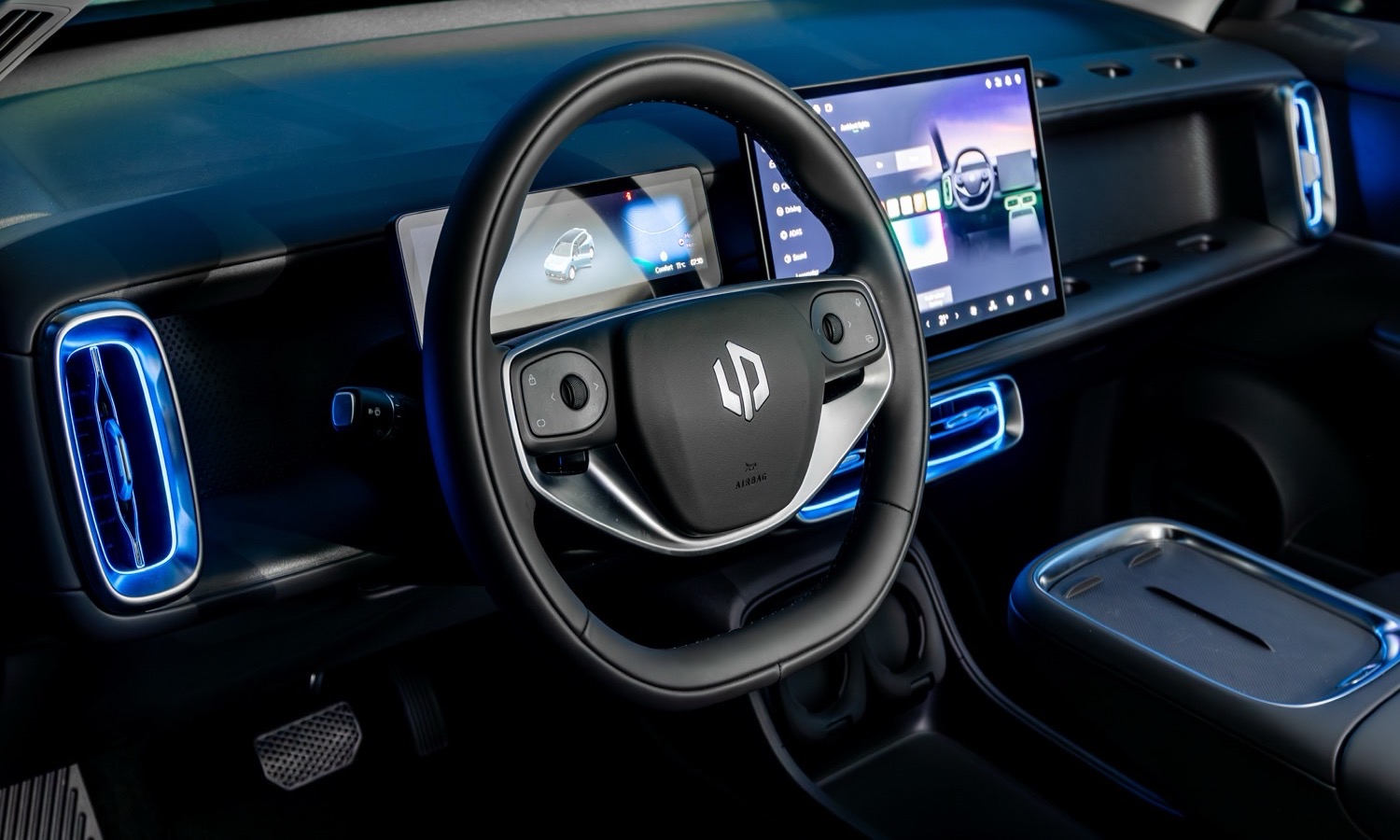
The new Leapmotor B10 stands out with its robust electric SUV aesthetic, featuring LED headlights and 18-inch wheels. Its exterior design projects a presence that surpasses its segment, appealing to those seeking an imposing yet compact vehicle. Inside, technology takes center stage with a 14,6-inch multimedia screen and the LeapOS system. This premium interior includes soft-touch surfaces, a digital instrument cluster, and full wireless connectivity, enhancing the perception of quality and comfort for the modern driver who prioritizes innovation.
Functionality is another key pillar, offering a 365-liter trunk complemented by a practical 21,5-liter front frunk . This extra space is ideal for storing charging cables, optimizing the main area for everyday luggage. Furthermore, the model integrates smart storage solutions that enhance the urban driving experience. Thanks to this flexible layout, the B10 positions itself as a benchmark in urban mobility , perfectly balancing compact exterior dimensions with maximum use of available interior space.

In terms of safety, this model incorporates the most advanced Advanced Driver Assistance Systems (ADAS), such as autonomous emergency braking and blind spot detection. Systems like adaptive cruise control and lane keeping assist place the vehicle on par with higher-end models, complying with strict European regulations. This technological package guarantees comprehensive protection through cross-traffic and driver fatigue alerts. Thus, the Leapmotor B10 ensures safe and reliable driving, making it one of the most complete and competitive options on the market today.
Price positioning and market strategy in Brazil…
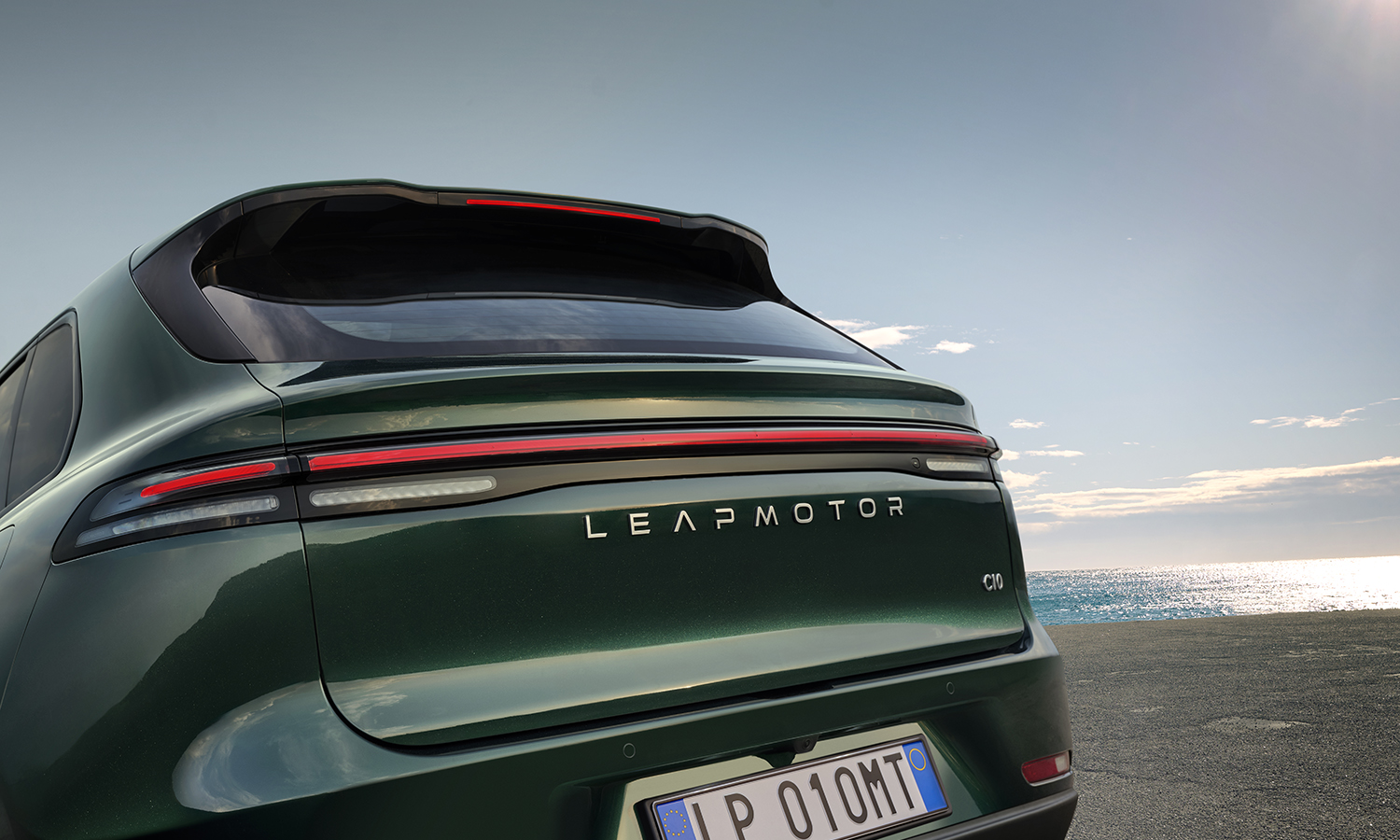
In the Brazilian market, the Leapmotor B10 has been launched as an entry-level electric SUV with a pricing structure and terms that vary depending on the customer. The standard price is 182.990 reais, with a special offer of 175.990 reais for those who trade in a used car as part of the payment.
In addition, special rates have been established for specific groups : approximately 141.190 reais for taxi drivers, 161.390 reais for people with disabilities (PwD), and 168.290 reais for business-related purchases (CNPJ). This pricing policy aims to make the switch to electric vehicles more affordable for professional fleets and those with tax incentives.
To lower the barrier to entry for electric vehicles, the model includes a home wallbox and a voucher for charging point installation as part of the offer. This type of comprehensive package makes it easier for users who don't yet have their own charging infrastructure to get started with electric cars, and it aligns with Stellantis's strategy of providing charging solutions alongside vehicle sales.
Europe and Spain: B10 production in Zaragoza on the horizon…
As Brazil gains prominence as a technological hub, Stellantis is looking to Europe to establish Leapmotor's presence with local production . The most advanced plan involves assembling the B10 electric SUV starting in 2026 at the group's plant in Zaragoza, one of the company's most important factories in the region.
This move has several implications. On the one hand, manufacturing in Spain would allow manufacturers to circumvent the planned tariffs on electric cars imported from China , improving their price competitiveness against rivals. On the other hand, bringing production closer to the European market reduces delivery times, facilitates country-specific equipment adjustments, and reinforces the perception of a "homegrown" product among buyers.

Industrial integration also opens the door to sharing technical elements between Leapmotor and other group brands, such as Fiat, Peugeot, and Opel , leveraging common platforms, electrical components, and software solutions. Furthermore, Stellantis already has an R&D center in Munich that could play a key role in adapting these models to European regulations and preferences.
From Chinese start-up to key player in global electrification…

Leapmotor 's global rollout under the Stellantis umbrella marks an ambitious industrial expansion. The brand is using plants in Spain and Brazil as strategic hubs to accelerate the production of efficient electric vehicles . By integrating the Chinese ecosystem with the expertise of a leading group, the company is consolidating a robust infrastructure capable of dominating the sustainable mobility sector . This integrated manufacturing model allows for cost optimization and agile response to the demand for modern vehicles in key and competitive international markets.
In North America, the group is exploring assembly tactics to overcome complex trade restrictions. In Canada, it is considering reactivating the Brampton plant to assemble models using kits from Asia, a vital strategy for introducing electric vehicle technology to the region. While this method raises questions about genuine local production, it represents a strategic gateway to the United States. Thus, each continent assumes a specific role, adapting the supply of eco-friendly vehicles to existing regulatory frameworks and ensuring effective and rapid market penetration.
Finally, the arrival of models like the B10 in Argentina in 2026 reinforces this phased roadmap. The use of REEV technology adapted to local fuels, such as ethanol in Brazil, demonstrates superior technical versatility. Stellantis is reconfiguring its electrified SUV lineup , using Leapmotor as a central lever for the global energy transition. With factories in Zaragoza and innovative developments in the Americas, the corporation secures a dominant position, offering highly profitable and sustainable products for the consumer of the future.
Source – Stellantis
Images | Stellantis – Leapmotor
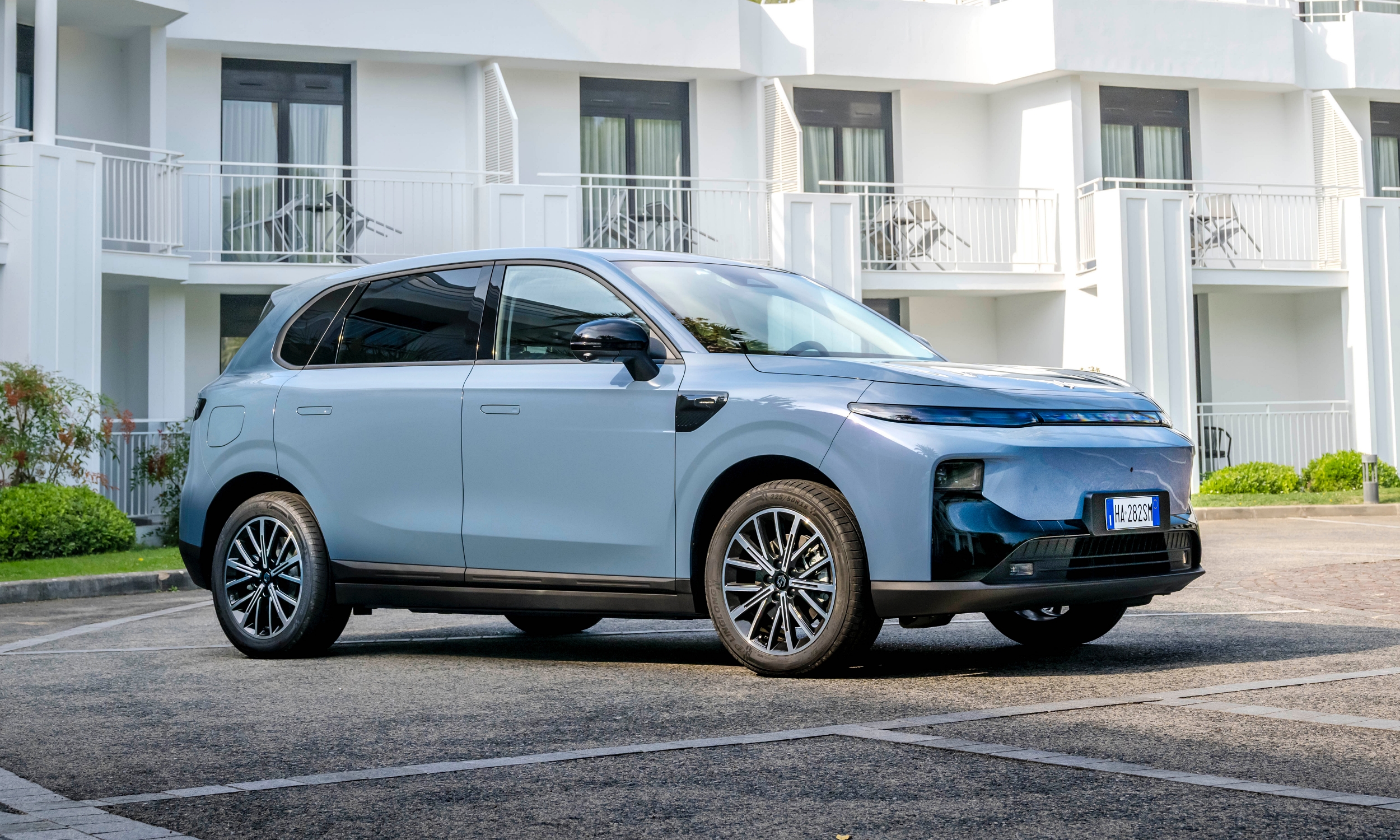
Table of Contents
- 1 Goiana: the new home of the Leapmotor B10 and C10…
- 2 All-electric versions of the B10 and C10 are already in the spotlight…
- 3 REEV and the leap to REEV Flex technology with ethanol…
- 4 Performance and fast charging of the Leapmotor B10…
- 5 Equipment, connectivity and safety on par with higher-end SUVs…
- 6 Price positioning and market strategy in Brazil…
- 7 Europe and Spain: B10 production in Zaragoza on the horizon…
- 8 From Chinese start-up to key player in global electrification…