

The powerful Storm Nils, which is battering Catalonia, has forced Seat and EBRO to suspend shifts at their factories due to the severe weather . The red alert for strong winds issued by the Catalan government has led the companies to cancel entire shifts to prevent thousands of employees from having to travel in particularly difficult weather conditions.
The windstorm, with gusts exceeding 160 kilometers per hour in some areas, not only disrupted the plans of these two automakers but also triggered a cascade of shutdowns and adjustments across other industries and services. The common goal was to minimize risks to employees and reduce movement while the storm reached its peak intensity.
Seat cancels shifts in Martorell and other centers…

The management of Seat Martorell and the unions agreed to suspend Wednesday's night shift as a preventative measure due to the severe windstorm. This strategic decision aimed to guarantee the workplace safety of thousands of employees who had to travel to the production centers in extreme weather conditions. The absolute priority was to prevent accidents on the routes to the industrial parks, areas with access roads particularly vulnerable to the violent gusts of wind that battered the entire Catalan region.
The company decided to extend the cancellation of shifts to Thursday morning and afternoon, completely halting its assembly line for much of the day. This protective measure affected not only the main plant but its entire industrial network, given the risks associated with traveling by private vehicle or public transport . By implementing several periods of suspended production, the company aligned itself with official recommendations to reduce mobility, demonstrating a firm commitment to the physical safety of its entire operational workforce.
https://www.actualidadmotor.com/seat-impulsa-en-martorell-la-nueva-produccion-del-ibiza-y-arona/
After monitoring the weather, the company expects to resume normal production during Thursday night's shift. Although the pause poses a challenge to industrial planning , official sources emphasize that the precautionary measure was necessary given the maximum alert issued by the authorities. This incident highlights how industry must adapt its logistics in the face of the climate crisis, prioritizing human well-being and promoting remote work in administrative areas where physical presence is not essential.
Recent history: problems caused by other storms…

This current shutdown adds to the difficulties Seat had already faced in recent days due to weather conditions. Storm Leonardo, which hit southern Spain and the Moroccan coast hard, disrupted supply logistics in the Strait of Gibraltar, slowing the arrival of essential components for production in Martorell.
That incident forced the automaker to cancel some shifts due to a lack of parts , a situation that highlighted the extent to which the automotive industry depends on very tight supply chains that are highly sensitive to any disruption. In just a few days, the company has had to deal with both logistical problems caused by storms in other parts of the country and the direct impact of the wind in Catalonia, which is now limiting staff access to the plants.
EBRO replicates the strategy and halts its production…

The Ebro factory in Barcelona , strategically located in the Zona Franca industrial park, decided to suspend operations during Wednesday night's shift to ensure safety. This measure was a direct response to the red alert issued by authorities due to the severe weather, aiming to reduce worker movement during the hours of greatest weather risk. Management prioritized the safety of its workforce given the extremely dangerous weather conditions on the access roads to the assembly plant.
The production line shutdown also extended to Thursday morning shifts, keeping the factory completely shut down for much of the day. As with other major automotive companies , the primary concern was preventing workers from having to travel during peak winds. This decision minimized the risks associated with the strong gusts, which were disrupting both public transportation and private vehicle traffic throughout the region.

To mitigate the economic impact, the company encouraged teleworking among its office staff, allowing engineers and administrative personnel to continue their work remotely. The current plan is to resume normal operations on Thursday night, provided that Civil Protection reports confirm an improvement in the weather. This crisis underscores the importance of risk prevention and the adaptability of Catalan industry in the face of extreme natural phenomena that affect its operations.
Suppliers and other industries are also halting or reducing activity…
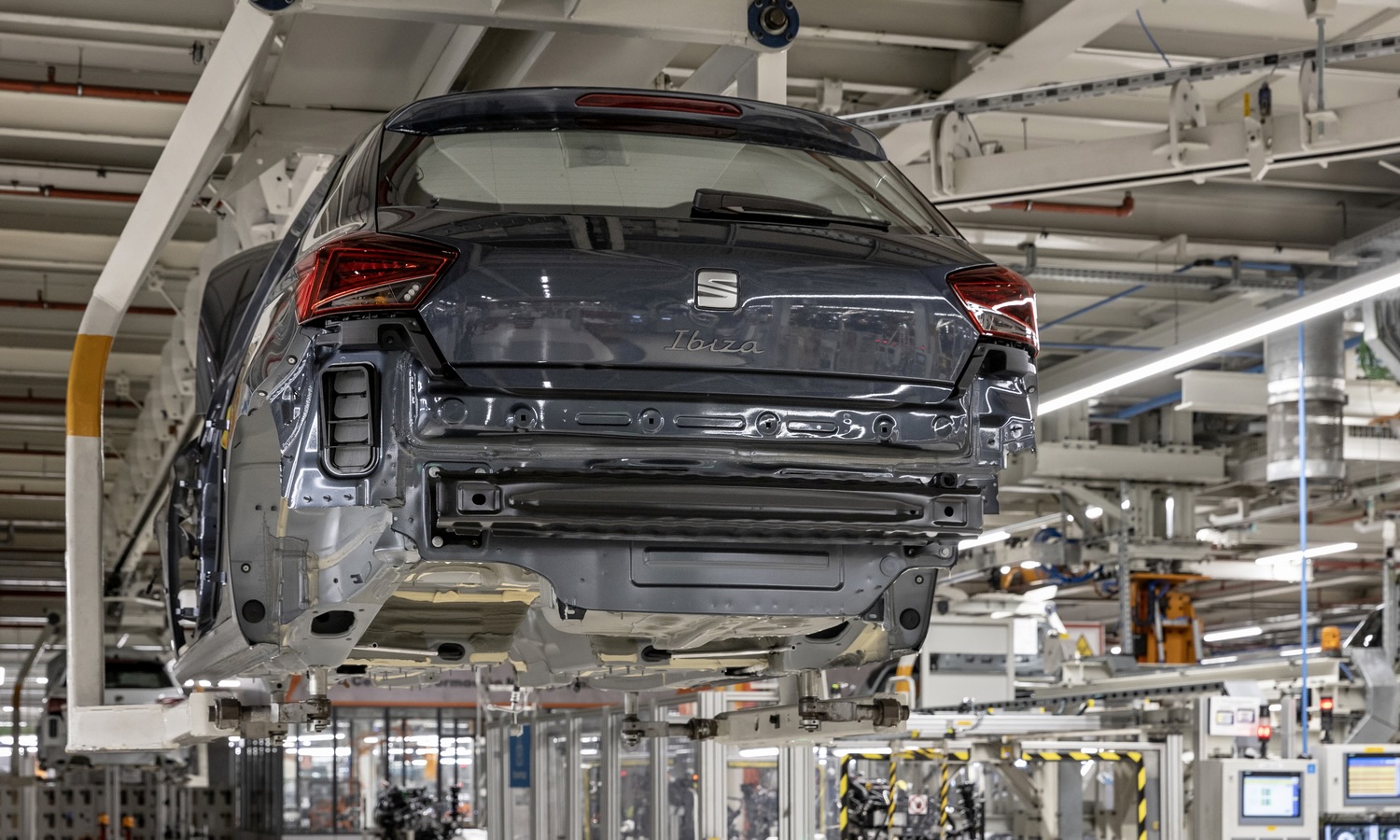
The storm's impact hasn't been limited to the large factories. Union sources indicate that several Seat suppliers, such as Adient, Monterson, Faurecia, and CMP Automotive , have also experienced work stoppages at their facilities. Because these companies are closely linked to the automotive value chain, adjustments to production at the main plants have immediate effects on the workload of these suppliers.
Beyond the automotive sector, other industrial companies such as Schneider Electric, Mecalux, and Rivisa have adopted various measures to scale their operations, from reducing shifts to adjusting work schedules. In all cases, the priority has been adapting to the wind alert and ensuring safety in the workplace, especially in facilities with outdoor areas, high-ceilinged buildings, or exposed access points.
A particular case is that of Grifols, considered an essential company , which has opted to activate a "containment mode" at its plants in Parets del Vallès. This configuration involves operating with the minimum resources necessary to avoid halting critical production lines, while simultaneously minimizing the number of people traveling to the facility. The company has indicated that, ultimately, the impact of the storm was less than anticipated and that operations were able to return to normal relatively quickly.
Remote work and preventative measures in the business sector…

Given the severity of the storm, the employers' association Pimec has recommended that its member SMEs and companies facilitate teleworking for their employees whenever the nature of their work allows it. The organization has emphasized the importance of offering flexible work schedules, both for arrival and departure times, for those employees who must be physically present at their workplaces and may be affected by road or rail disruptions or other incidents.
Furthermore, Pimec has focused on prevention and safety measures at its facilities . Among its recommendations are checking access points, loading and unloading areas, yards, roofs, and any outdoor area that could be compromised by the wind. The message is clear: minimize the risks arising from falling objects, debris, or structural problems, and prevent personnel from moving through potentially hazardous areas during the event.
These guidelines align with the general position of the Catalan government, which has asked businesses to prioritize solutions such as teleworking or shift reorganization whenever feasible, in order to reduce mobility. Coordination between companies, unions, and the government has proven crucial for adjusting decisions like the suspension of night and morning shifts in large factories as they arise.
A high-impact storm with effects on mobility and services…
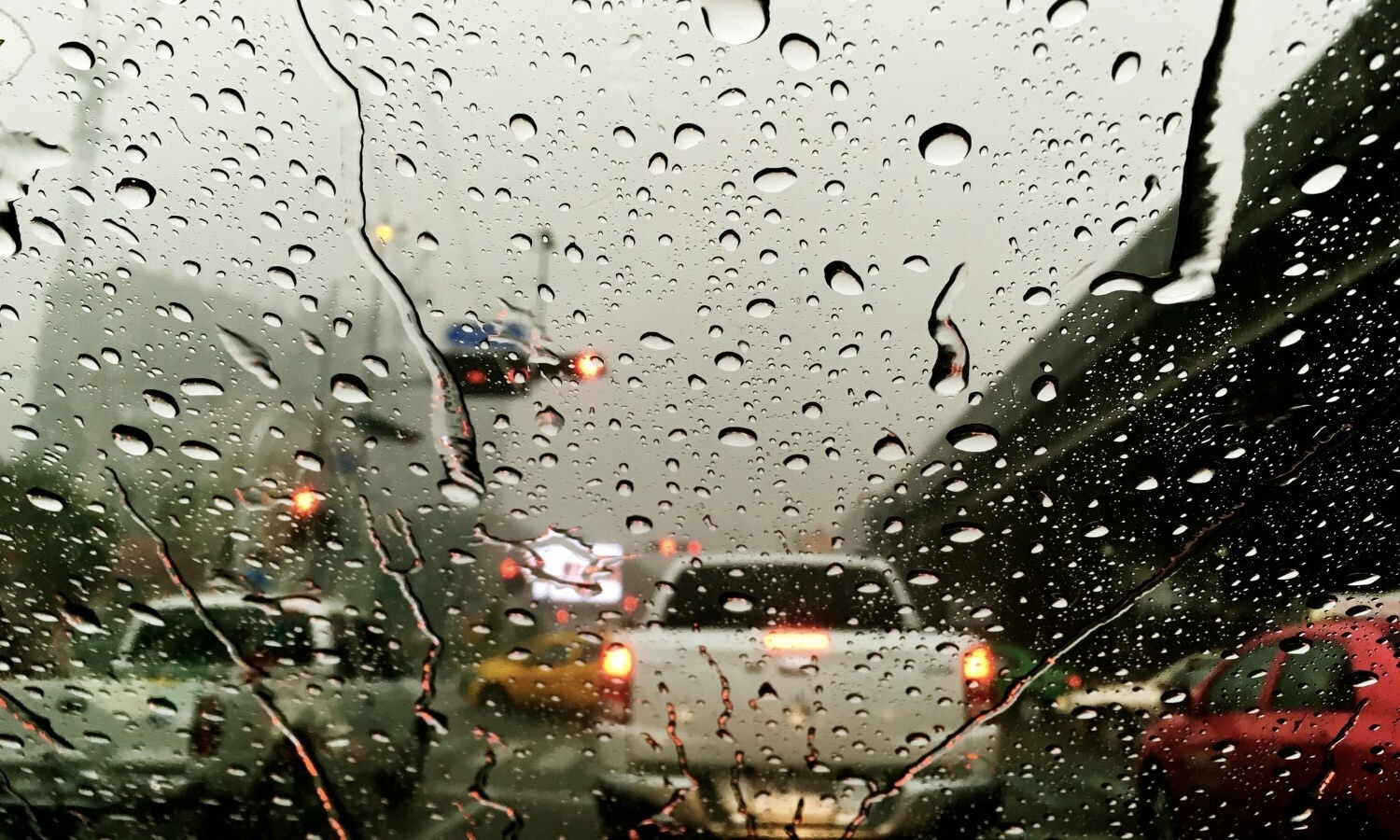
The arrival of Storm Nils has unleashed a historic storm in Spain, registering wind gusts of up to 167 km/h in various parts of Catalonia. This extreme weather event has left nearly one hundred people injured due to falling objects and other injuries, triggering widespread alerts regarding weather-related damage coverage . The intensity of the storm has forced authorities to maintain constant vigilance, while emergency services manage the numerous incidents reported in urban areas and particularly vulnerable locations across the region.
The impact on transport infrastructure has been severe, seriously affecting mobility on strategic routes such as the AP-7 motorway and the Rodalies commuter rail network. Obstructions on the road and the preventative closure of train stations caused significant traffic jams and restrictions during the storm's peak hours. Although the Catalan government has eased travel restrictions, it is still urged to maintain road safety and avoid unnecessary journeys, as the risk from strong gusts of wind has not yet completely disappeared.
Economic activity has also suffered the consequences of the climate, forcing key sectors such as the automotive industry to suspend work shifts as a precaution. Major companies like Seat and Ebro have been forced to adapt their production due to the inability to guarantee the arrival of supplies or the safety of their employees. This episode highlights the vulnerability of Catalan businesses to adverse weather events, reopening the debate on the need for more robust protocols to protect logistics and transport in climate emergencies.
