

More than four decades have passed since the first Seat Ibiza rolled off the assembly line at the Zona Franca factory in Barcelona, and what then seemed like a simple new city car has become one of the most influential models in the Spanish market. From that April 27, 1984, to today, the Ibiza has gone from being a symbol of the brand's industrial independence to becoming a firmly established bestseller that continues to hold its own against the dominance of SUVs.
Throughout its history, the Ibiza has successfully combined an affordable price, reasonable size, and versatility that makes it equally at home in the city and on the open road . This formula has allowed it to remain among the best-selling cars in Spain and build a strong presence in Europe, with over six million units already manufactured . Despite market changes and the emergence of electrified rivals, it continues to be a benchmark when it comes to urban city cars.
The birth of the Seat Ibiza: a turning point for the Spanish brand
When SEAT started production of the Ibiza in 1984, the brand's future hinged on much of its success. It was the first model developed entirely in-house after embarking on its new phase as a manufacturer with technical autonomy, at a time when it needed to demonstrate its ability to stand on its own without relying on other manufacturers.
To make that leap, he surrounded himself with some of the most prestigious names in the industry. The body design was entrusted to Giorgetto Giugiaro, one of the most influential designers in the sector , who created a compact and easily recognizable silhouette. Industrial engineering involved Karmann, while engine development relied on Porsche, a collaboration commemorated by the legendary "System Porsche" inscription engraved on the cylinder head cover.

The result was a city car measuring 3,6 meters long, 1,6 meters wide, and 1,39 meters high , with a wheelbase of 2,44 meters that offered interior space and comfort uncommon in its class. It was a compact and maneuverable car, but with interior space more akin to models from higher segments, something that helped win over those looking for a small vehicle without sacrificing a degree of comfort on board.
First generation: range structure and record-breaking first figures…
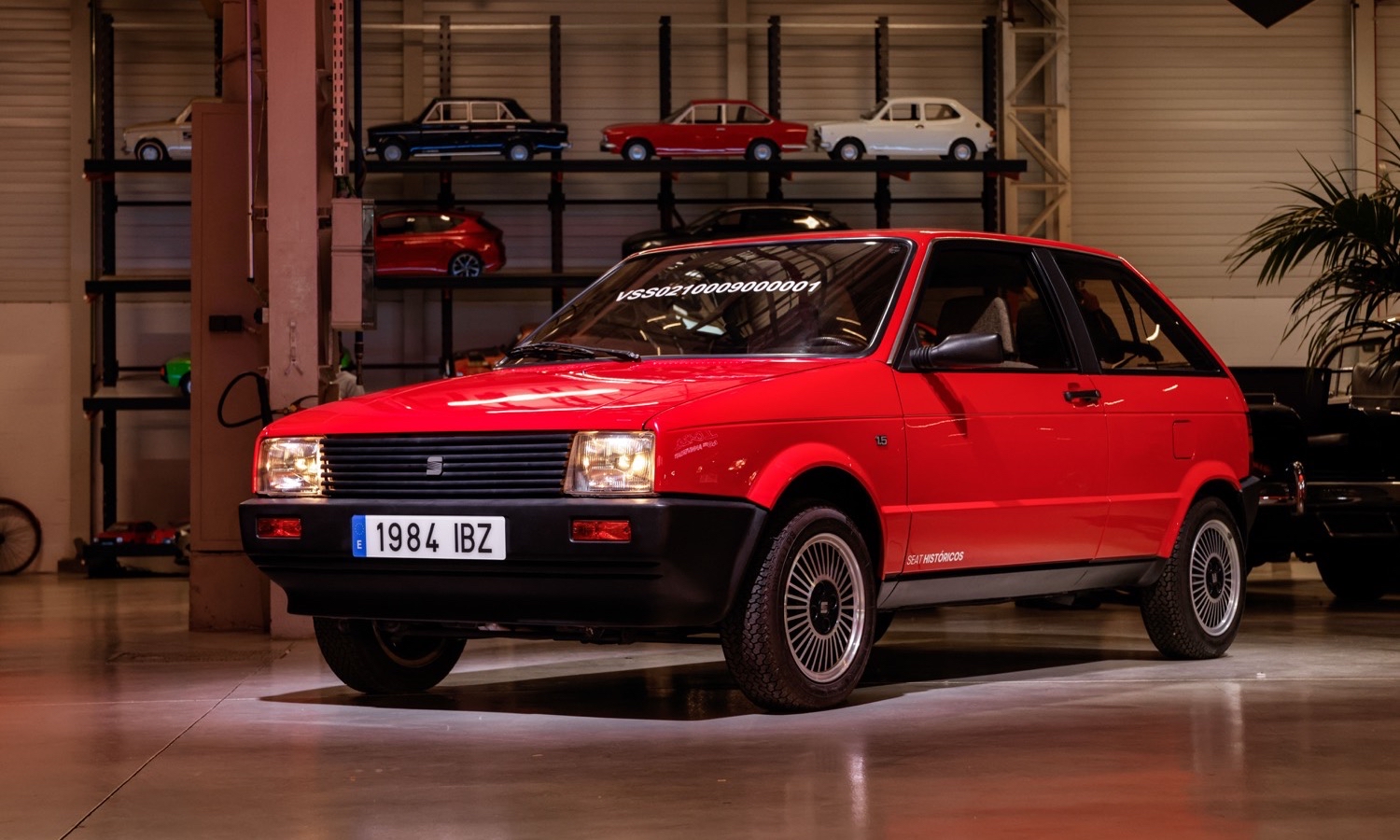
From its launch, the SEAT Ibiza offered three trim levels: L, GL, and GLX. These versions were initially paired with 1.2-liter and 1.5-liter gasoline engines, with a diesel variant later added to complete the range. This model was designed to meet the needs of everyone from those seeking basic features to those looking for a higher level of equipment in the supermini segment. The brand thus succeeded in establishing a versatile classic that defined a golden age for the Spanish automotive industry in the 1980s.
The top-of-the-range model was the Ibiza 1.5 GLX , which featured an 85 hp engine capable of reaching 169 km/h. This vehicle stood out for its front-wheel drive, five-speed manual transmission, and independent McPherson strut suspension. In terms of comfort, it offered advanced technological innovations for an urban environment, such as electric windows and electromagnetic central locking. These features, along with its sporty alloy wheels, gave it a clear competitive edge over other contemporary models in the same segment.
The historical significance of the model is undeniable, as the first unit manufactured in Barcelona was precisely a 1.5 GLX. This example, chassis number 1, is currently housed within the company's collection of historic cars . Alongside this emblematic piece, other significant vehicles stand out, having successfully participated in prestigious competitions such as the Rally Catalunya Històric. These preserved vehicles symbolize the legacy of an automobile that not only transformed urban mobility but also became a lasting cultural icon.
From asphalt to the stage: the sporty side of the Ibiza…
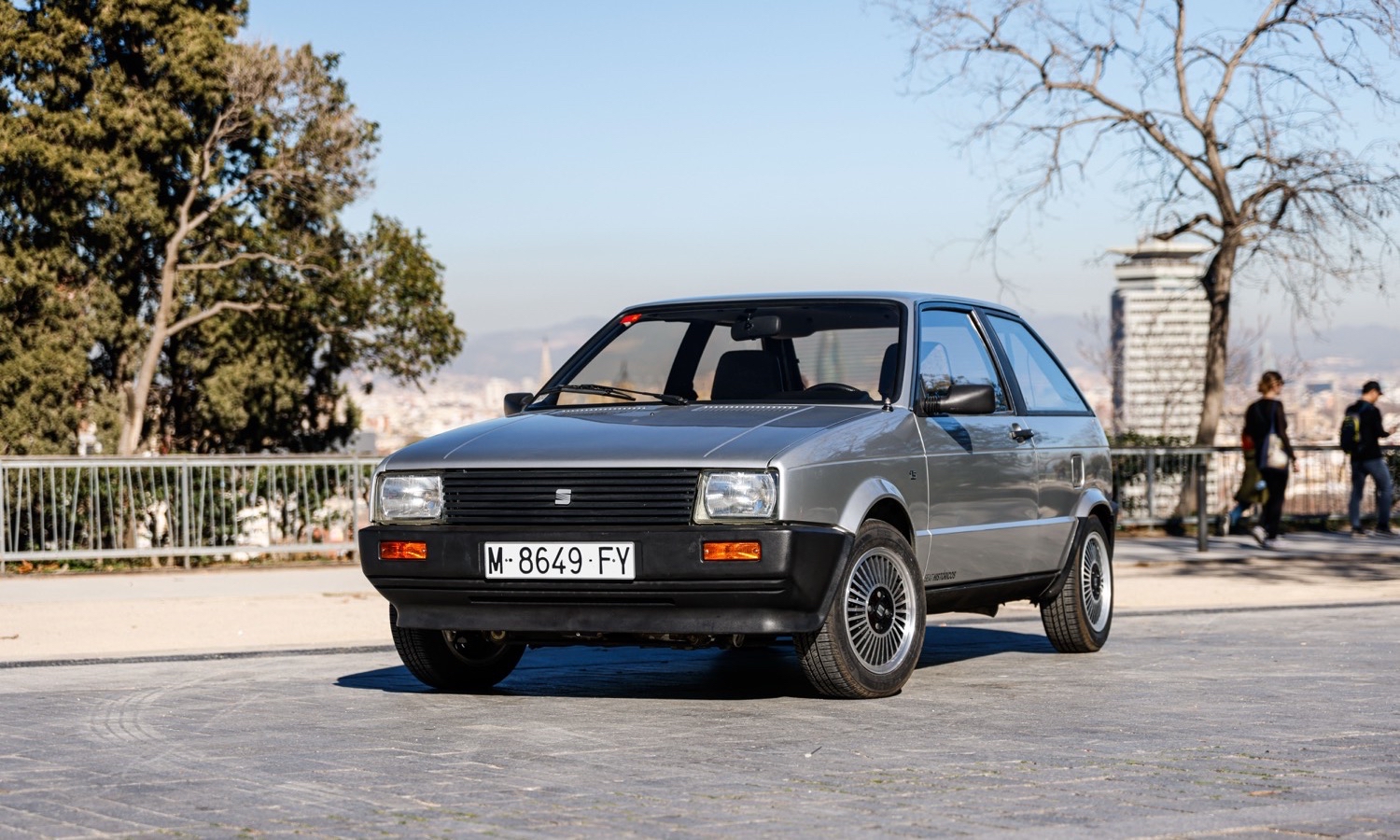
SEAT quickly capitalized on the model's potential in the motorsport arena. One of the first steps was the Inter-Ibiza Championship, a one-make trophy series in which all participants competed with identical 1.5 GLX models. This championship served as a real-world testing ground to demonstrate the car's reliability and strengthen its image, bringing the Ibiza closer to the world of motorsport.
Over time, the range incorporated higher-performance versions. In 1988, the Ibiza SXI appeared with fuel injection and 100 hp, representing a significant leap in performance over the initial models. From there, part of the model's sporty reputation was built, later consolidated with the GTI, FR, and CUPRA designations.

One of the most fondly remembered variants by fans was the Ibiza Kit Car, which won three FIA 2-Litre World Rally Championship titles for Manufacturers between 1996 and 1998. Following that success came the first road-going Ibiza CUPRA, with a 2.0-liter, 150-hp engine, bringing some of the rally spirit to the road. For a more radical approach, the twin-engine Ibiza developed by SEAT Sport, with two engines and nearly 300 hp, remains the most powerful version the model has ever had.
Range expansion and leap to the second generation…
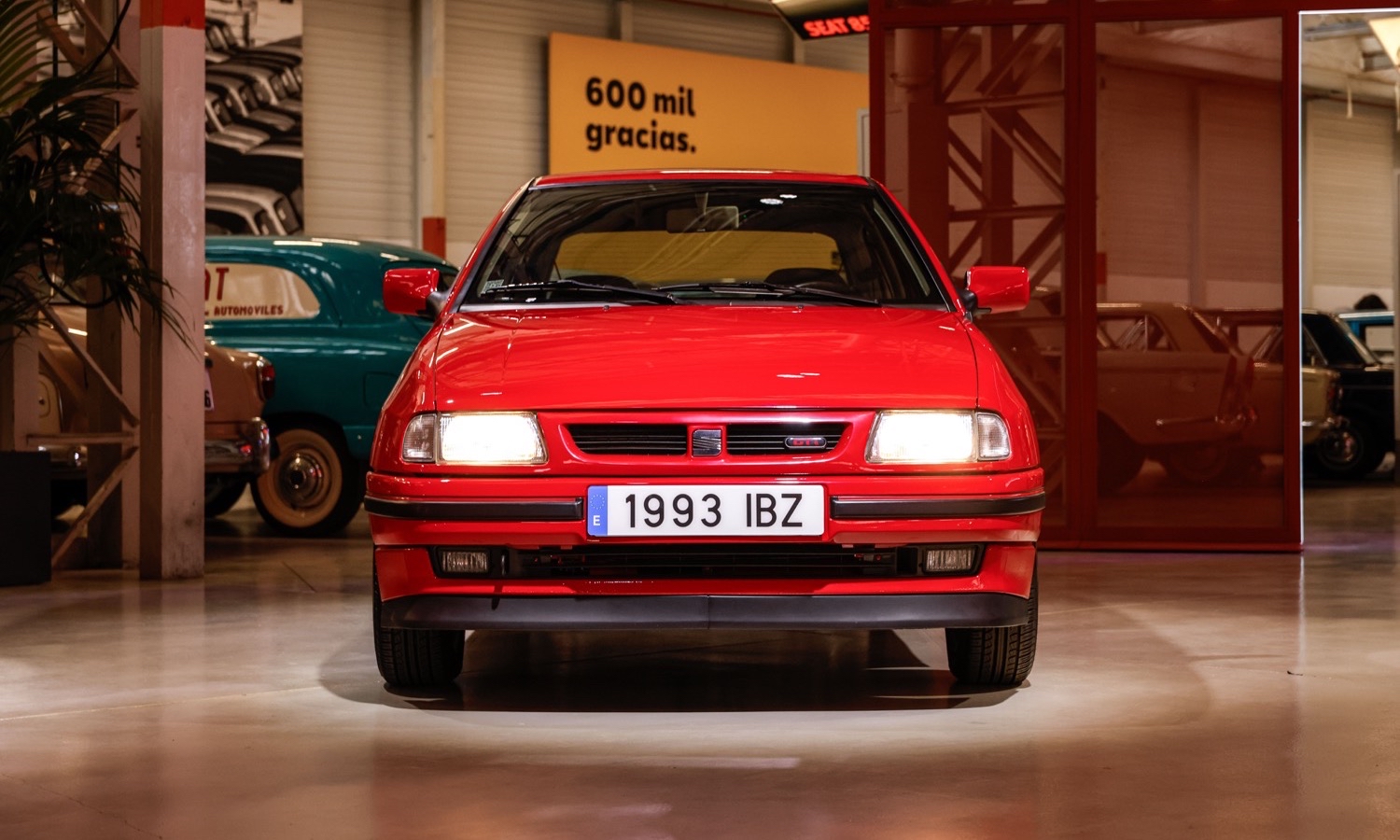
During its initial sales period, the Ibiza adapted to market needs. In 1986, the five-door body style was introduced, designed for families and users who required added practicality. Two years later, the arrival of the 100 hp 1.5 SXI engine strengthened the performance offering, and in 1989 and 1991 the model received updates that refined its design and equipment before the next generation.
Between 1984 and 1993 , 1.284.648 units of the first generation were manufactured , making the Ibiza the second SEAT model to surpass one million units, second only to the 127/Fura. This solid foundation was key to the brand consolidating its image both in Spain and abroad.
This success also had a clear international dimension. In the early 90s, Ibiza exports exceeded 119.000 units annually , with a growing presence in various European markets. This volume helped strengthen SEAT's position outside of Spain and, incidentally, contributed to attracting the attention of the Volkswagen Group, which would eventually integrate the brand into its structure.
Five generations, one same role in the urban segment…
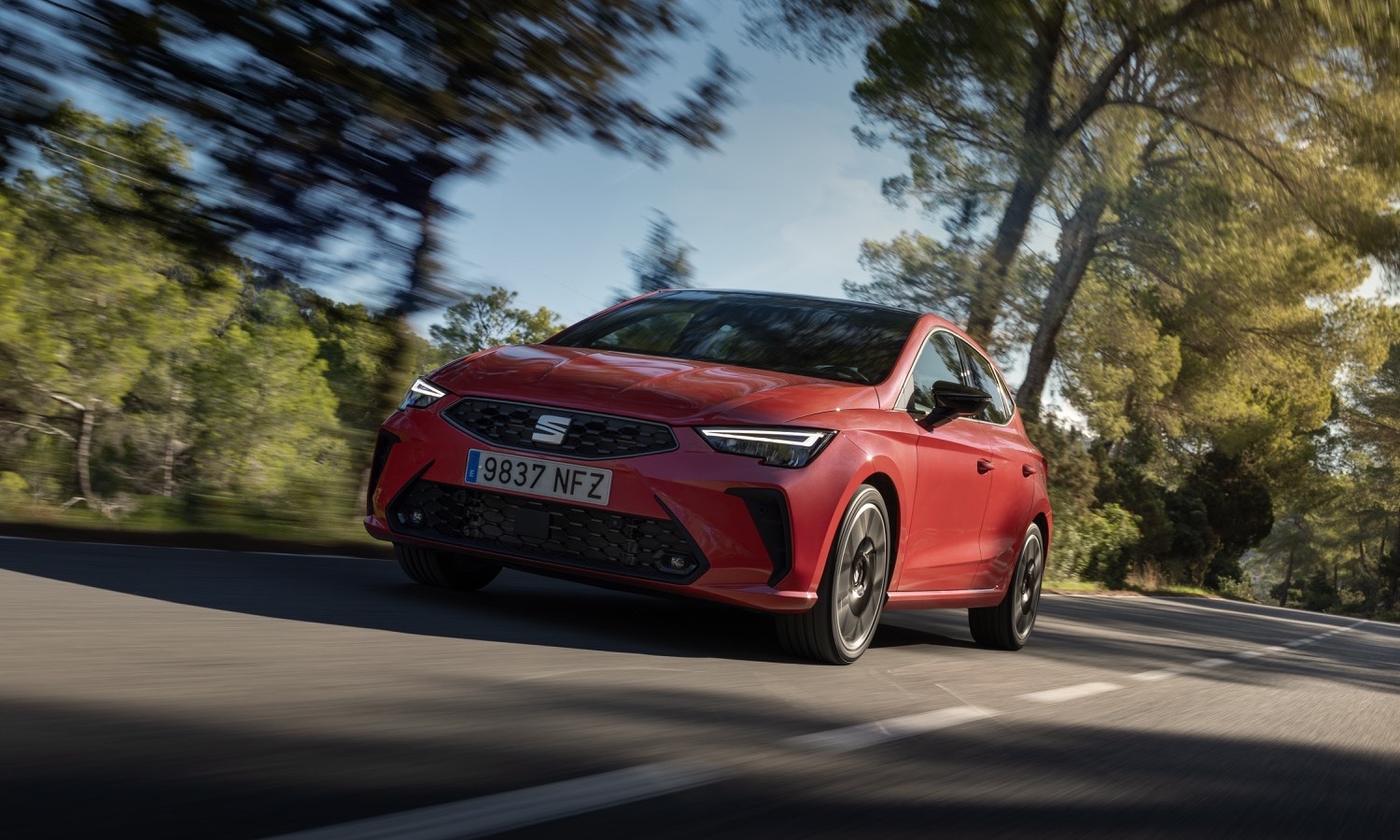
The SEAT Ibiza 's journey is defined by five generations, each adapting its versatile, city car approach to the technological demands of its time. The second generation, launched in 1993, was a pioneer, being manufactured in Martorell and achieving sales of over 1.5 million units. The third generation introduced the iconic FR badge and the efficient Ecomotive variant. These advancements allowed the model not only to grow in size and build quality but also to solidify its position as a cornerstone of the Spanish brand's lineup thanks to its versatility and innovative design.
The fourth generation, introduced in 2008, exceeded four meters in length and diversified its offerings with three different body styles and the advanced DSG automatic transmission . Subsequently, in 2017, the fifth generation adopted the MQB-A0 platform, optimizing interior space and dynamic performance. At this stage, the vehicle integrated full connectivity with systems such as Android Auto and safety features from higher segments. These technical improvements reflect the ongoing commitment to offering a high-tech city car that remains competitive against the most demanding rivals in the European market.

With over six million units produced globally, the Ibiza is officially the best-selling model in the company's history. From the million units of the first series to the current success of this compact car , its evolution demonstrates an exceptional capacity for adaptation. Today, its legacy lives on thanks to a winning combination of stability, safety, and efficiency. The trajectory of this car symbolizes the driving force behind industrial development in Spain, positioning the Martorell plant as an international benchmark in the manufacture of high-volume, commercially successful passenger cars.
Ibiza update in 2026: design, quality and technology up to date…
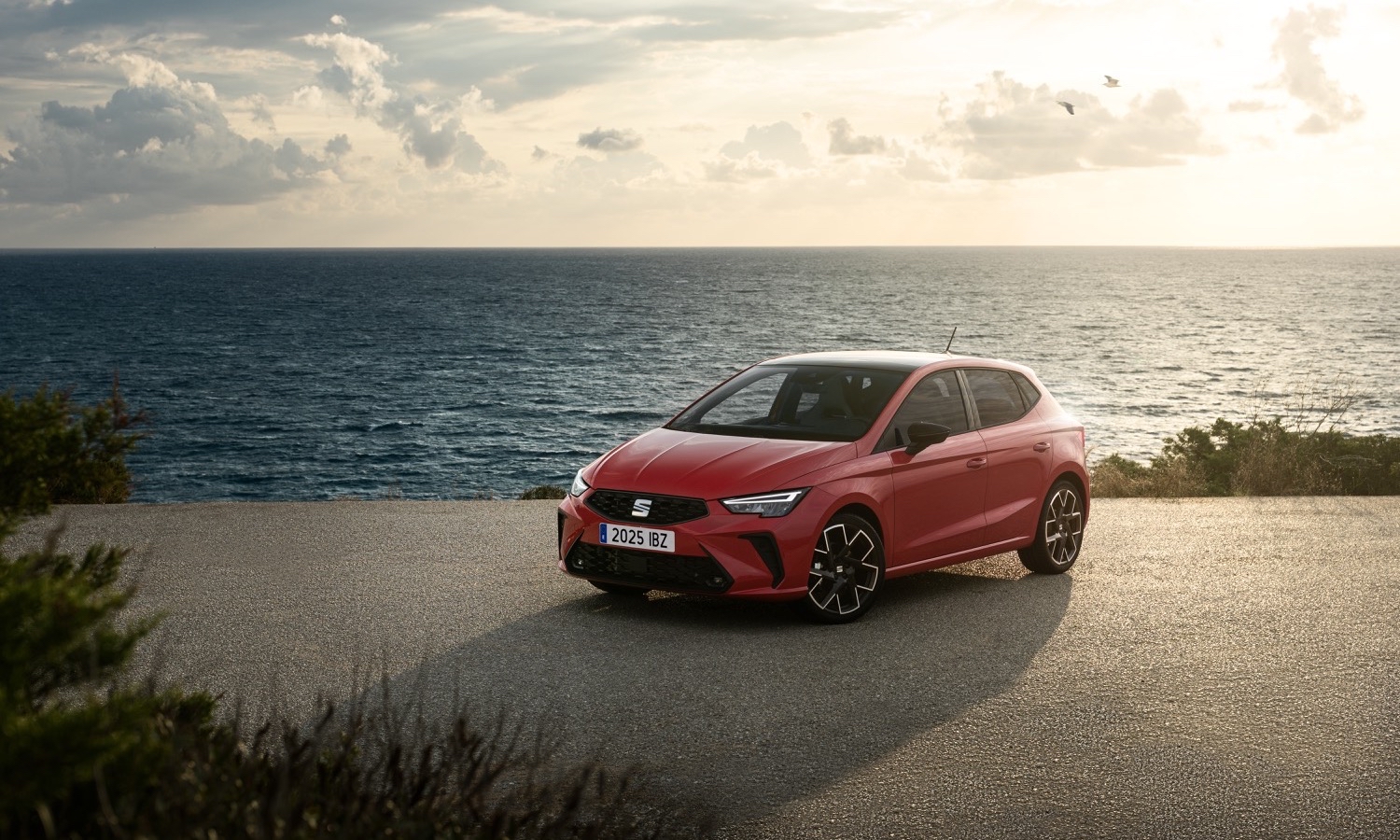
As the market shifts towards electrification, SEAT has chosen to keep the Ibiza at the forefront with a 2026 update that refreshes its image and features, without changing its generation. This is a significant update to remain competitive against rivals such as the Renault Clio, Peugeot 208, and Toyota Yaris.
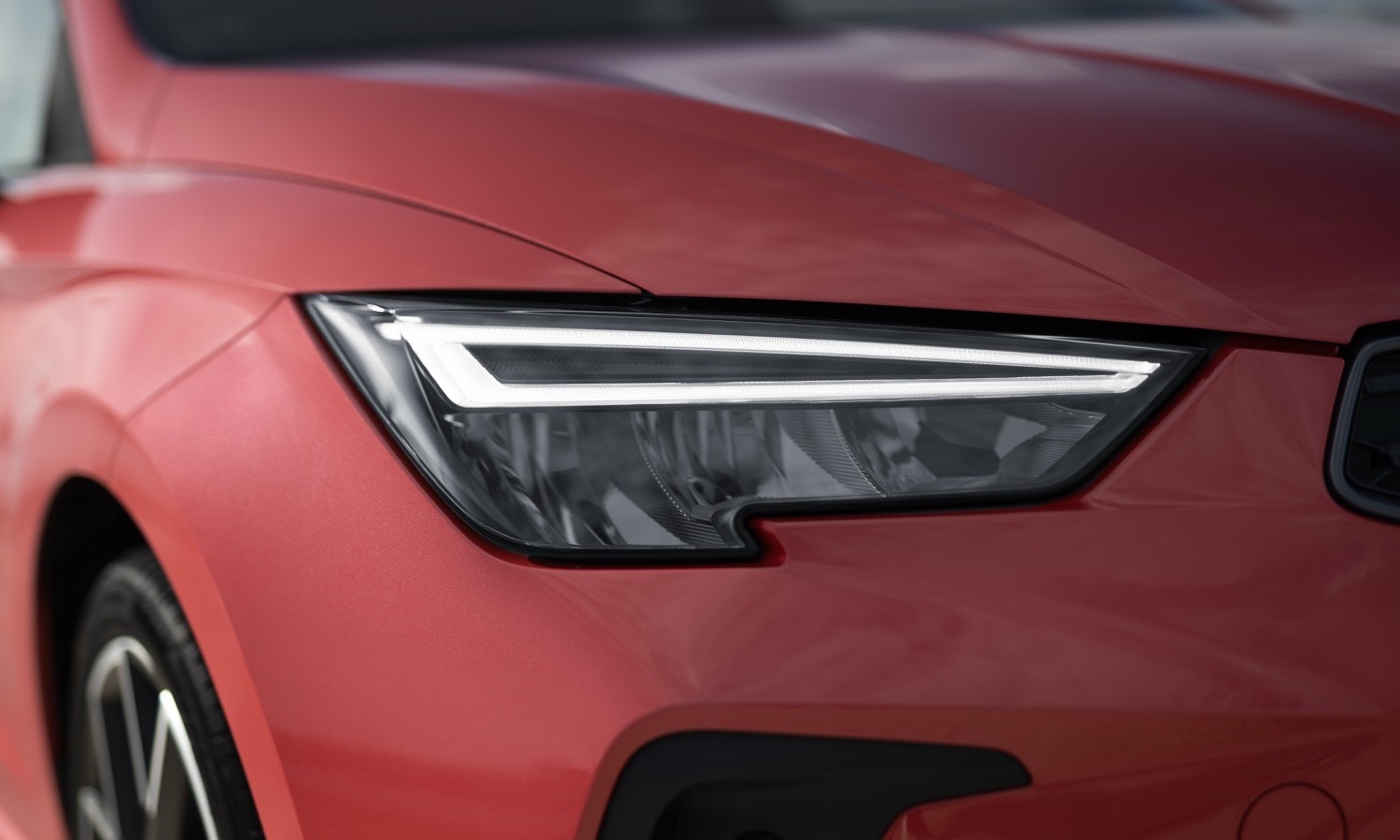
This refresh introduces a more modern exterior design and improvements to the perceived quality of the interior , with revised materials and some adjustments to offer a more refined ambiance. The multimedia system has also been updated, with new connectivity features and a more modern interface, in line with what is expected of today's technologically up-to-date city car.
Furthermore, the range incorporates new body colors such as Liminal Red, Oniric Lake, and Hypnotic Yellow, with which SEAT seeks to give the model a more striking look and update its aesthetic presence. There is no platform change or revolution in the car's architecture, but rather a series of adjustments designed to extend its commercial life for a few more years.
Current mechanical offering: only combustion engines amidst the electrification boom
The SEAT Ibiza 's mechanical approach in 2026 is notable for maintaining a range focused exclusively on internal combustion engines. Unlike its competitors, which are embracing electrification, this model retains its C environmental rating across all variants. The lineup starts with the 1.0 MPI 80 hp engine, an economical option designed for drivers who prioritize affordability. With a fuel consumption of 5,3 l/100 km, this gasoline car positions itself as the simplest entry-level alternative for those seeking urban mobility without demanding high-performance driving dynamics.
At the heart of the range is the well-balanced 1.0 TSI with 115 hp, available with a manual gearbox or the efficient seven-speed DSG automatic transmission . This three-cylinder engine is the most recommended for mixed use, as it combines capable performance on the road with low fuel consumption. Above it sits the powerful 1.5 TSI with 150 hp, offering the most energetic response in the family. These options ensure that the supermini remains a benchmark in dynamism, maintaining the agile and fun driving experience characteristic of the segment.
However, the absence of the ECO label presents a strategic challenge in light of new urban traffic restrictions. This decision simplifies production and reduces the final cost, a factor highly valued by customers on a budget. Nevertheless, the Ibiza is at a disadvantage compared to hybrid models that offer greater long-term mobility benefits. Even so, its reliability and low maintenance costs keep this city car as one of the most solid and logical choices in today's automotive market.
Sales and market position in Spain…
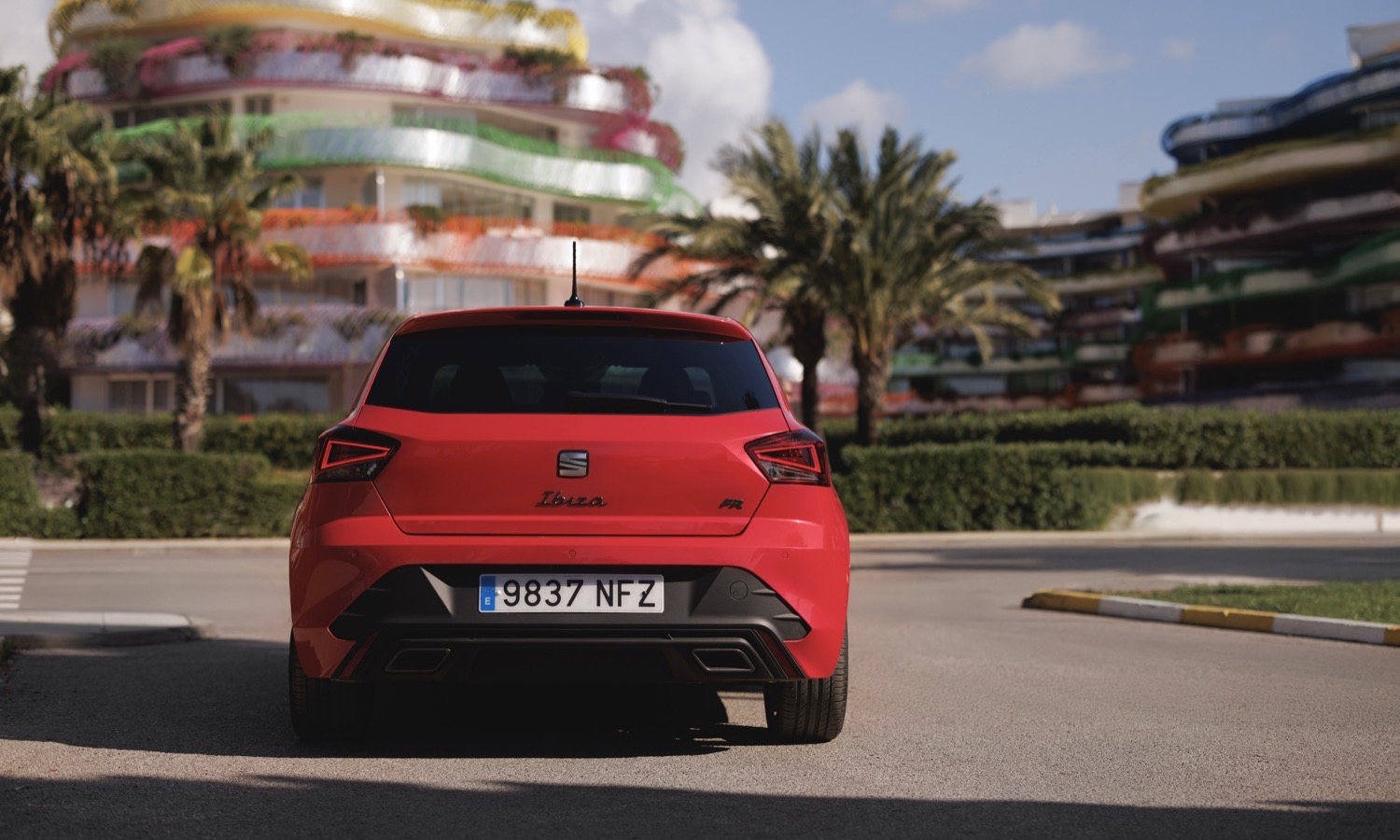
Four decades after its launch, the Ibiza remains a mainstay in national registrations. In the first quarter of 2026, it ranked as the second best-selling car in Spain , a particularly significant achievement in a market dominated by compact SUVs.
The brand itself emphasizes this importance. Markus Haupt, CEO of SEAT, recently recalled that the Ibiza is the company's best-selling model ever , an industrial and commercial reality that explains much of the brand's growth since the 80s. Beyond the total number of units sold, the Ibiza's presence is felt on the streets: it is one of the most recognizable cars in the Spanish vehicle fleet.
In a market where many drivers have switched to larger vehicles, the Ibiza maintains a clear advantage for those seeking a reasonably sized car with affordable running costs and easy everyday use . Its position in the rankings demonstrates that there is still strong demand for traditional city cars, especially among those who value the balance between fuel economy, practicality, and purchase price.
A model that has been a car for everything: from first car to work tool…
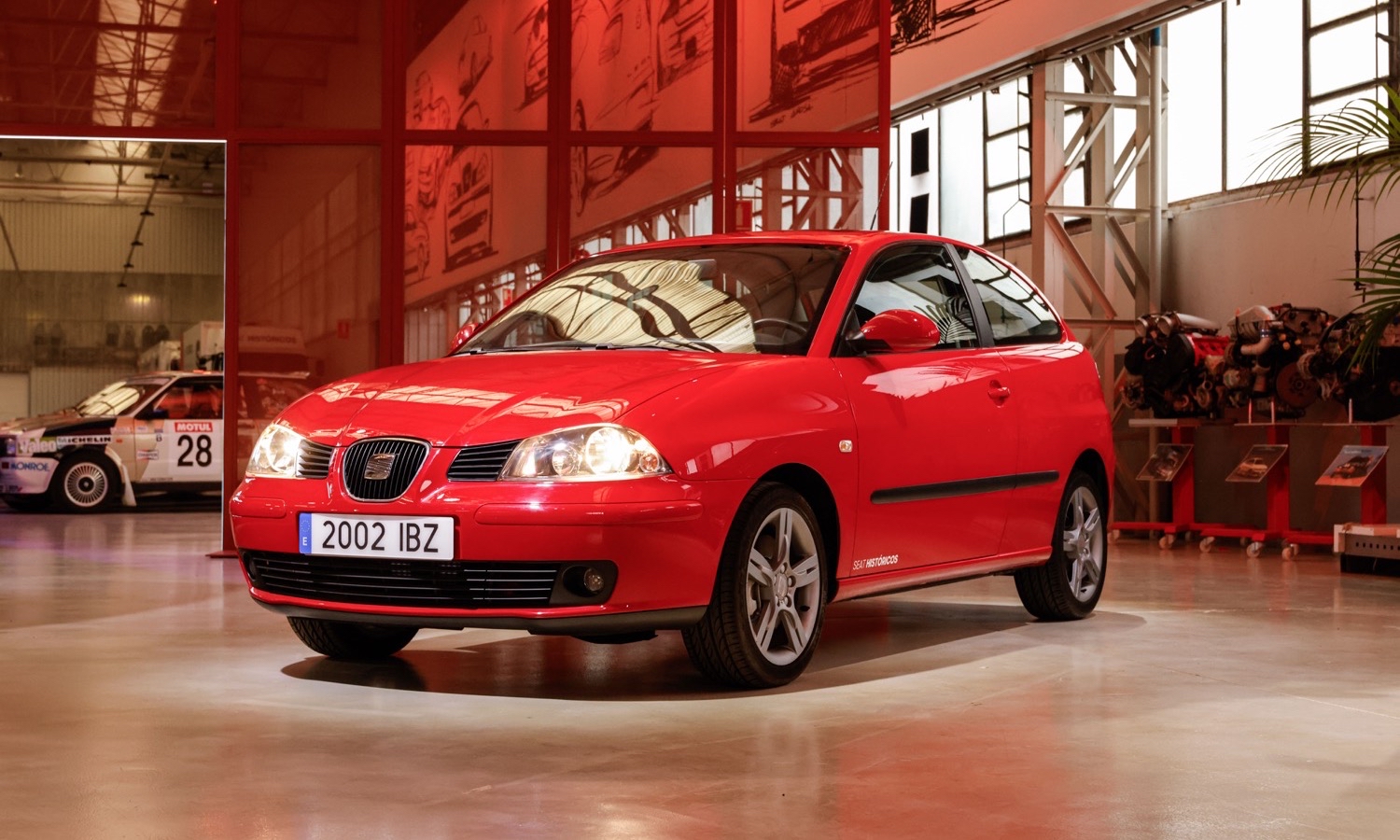
For five generations, the Ibiza has served as a veritable "multipurpose" car for a large portion of Spanish drivers . It has been the first car for many young people, the family vehicle for couples with young children, and also a work tool for companies that need urban fleets with controlled costs.
Part of this versatility is explained by its relationship between exterior size and interior capacity . While not a large model, it offers reasonable space for four occupants and a trunk that, in the current generation, measures 355 liters, a competitive figure within the segment and sufficient for weekend getaways or light family use.

Efficiency also plays a key role. In a context of high fuel prices, their engines have maintained low fuel consumption, which in modern versions can be below 5 liters per 100 km in the combined cycle , depending on the configuration. For drivers who cover many kilometers per year, this aspect can make all the difference compared to heavier alternatives or those with less favorable aerodynamics.
Direct rivals and comparison in the utility vehicle segment…

The 2026 SEAT Ibiza competes against the Peugeot 208 in the city car market. At 4,06 meters long, the Spanish model stands out for its spacious interior and larger trunk. While both share similar exterior dimensions, the practical approach of the Martorell-based manufacturer positions this city car as the ideal choice for those seeking versatility. Its functional design remains a key pillar for maintaining its relevance against competitors who favor more daring aesthetic solutions.
The main difference between the two lies in their technological strategy. While the Ibiza relies on gasoline engines, the 208 diversifies its range with electric versions. This decision allows the French model to display the ECO label , granting advantages in traffic restrictions. Conversely, the SEAT hatchback maintains an internal combustion engine configuration that simplifies maintenance costs and reduces the purchase price, making it a very attractive economy vehicle for buyers who prioritize their initial budget.
In a performance battle, the Ibiza's 1.0 TSI 115 hp engine delivers solid performance. Compared to hybrid systems, the Spanish car offers a more traditional and direct driving experience. Although its fuel consumption is slightly higher, its agility and mechanical reliability compensate for this for many drivers. Ultimately, choosing this petrol-powered hatchback means prioritizing simplicity and economy over electric sophistication, solidifying the Ibiza as one of the most logical and sensible purchases in its demanding segment.
Internal pressure: the role of the Cupra Raval and the future of the Ibiza…
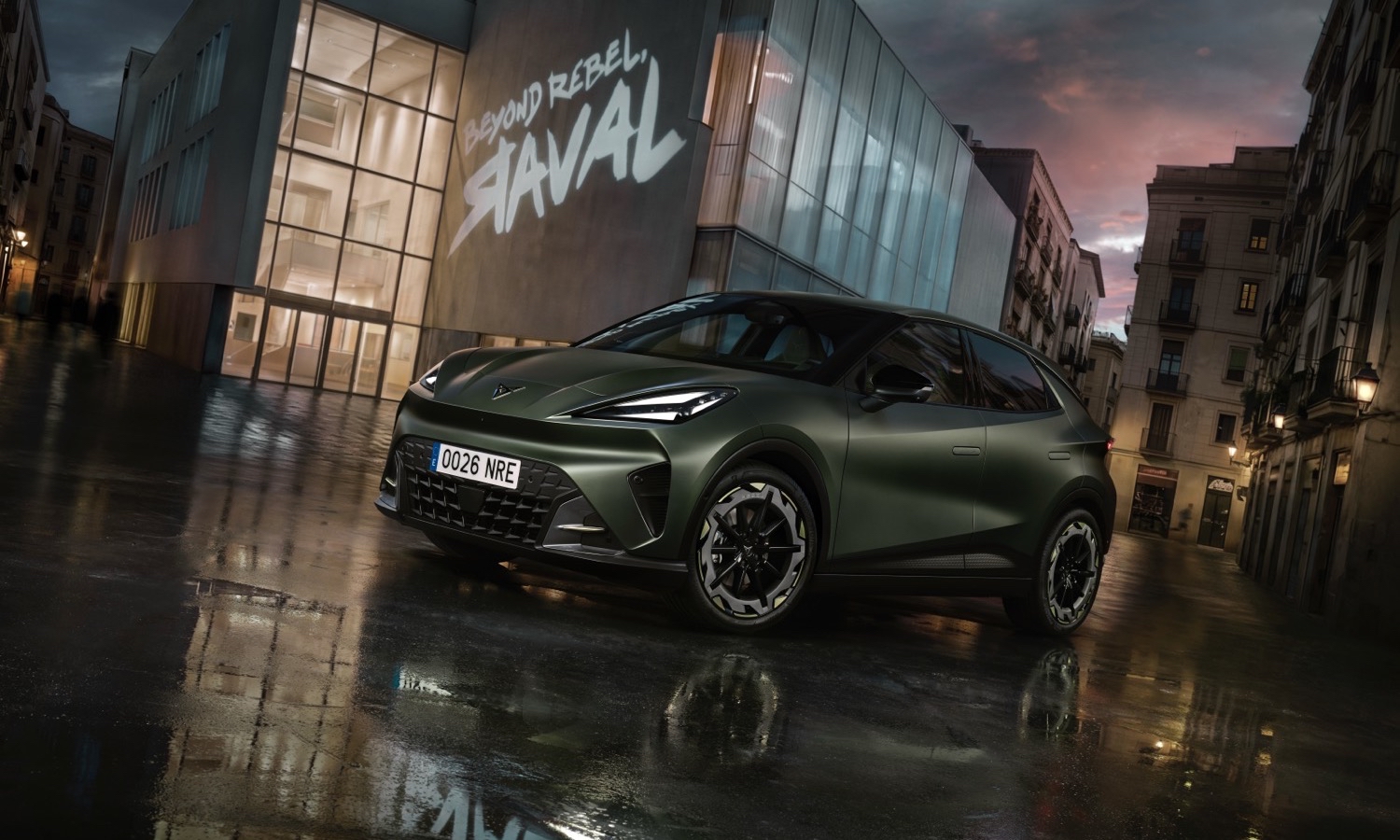
The Ibiza's future isn't solely shaped by its rivals from other brands. Within the group itself, the arrival of the new Cupra Raval , a 100% electric city car , introduces an extra element of pressure on SEAT's supermini, especially in terms of design and technology.
Although the two models are technically in different leagues—one combustion-engine and the other electric—the similar prices for certain versions and Cupra 's more modern image might lead some customers to consider upgrading to the Raval. The entry-level version of the electric model, with an LFP battery of around 37 kWh, offers a range of slightly over 300 kilometers and a charging speed that allows it to recover from 10 to 80% in just under half an hour.
This strategy puts SEAT in a delicate position: keeping the Ibiza competitive means updating it in areas like mild electrification , something planned for the coming years, but these advancements will also increase its price. It's estimated that the introduction of mild hybrid electric vehicle (MHEV) technology and other future adjustments could raise the price by around a thousand euros, further narrowing the gap with the Ibiza and complicating the balance between profit margin and affordability for the end customer.
A historic model that is still very much alive on Spanish roads…
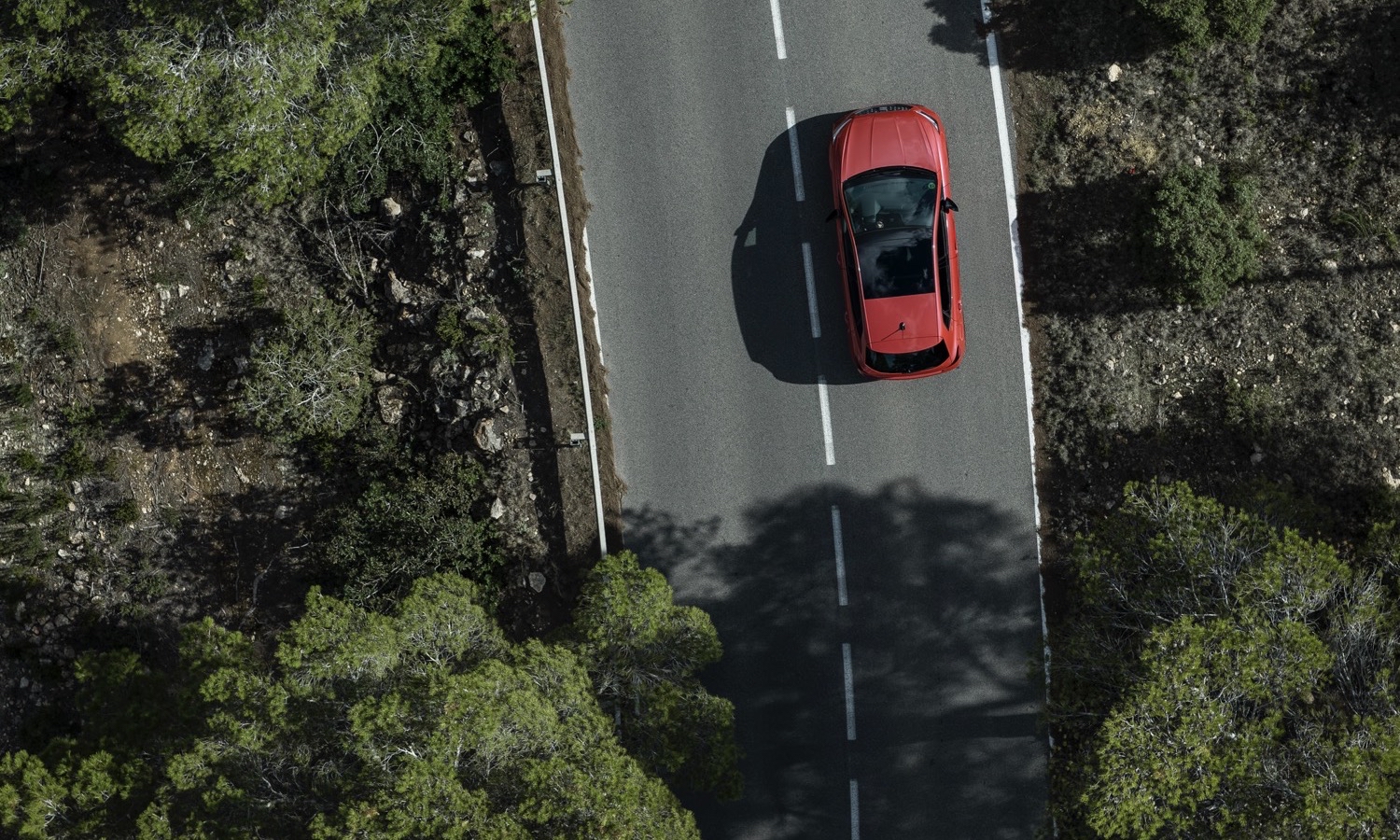
It's rare to find models that, after more than forty years on the market, consistently appear among the best-selling cars in a country , and the Ibiza is one of those few exceptions. From that compact car designed with the help of Giugiaro, Karmann, and Porsche to the current city car with full connectivity and safety features, the model has absorbed industry changes without losing its essence as a practical, affordable, and easy-to-live-with car.
Its track record demonstrates that there's still a place for classic hatchbacks in a market dominated by SUVs and increasingly complex powertrains. While SEAT manages to balance keeping the Ibiza relevant, adapting to new regulations, and competing with electric offerings like the Cupra Raval, the Ibiza's role as an accessible, well-known, and ubiquitous car on Spanish roads remains unchanged . For many drivers, it continues to be that logical choice that doesn't make much noise but gets the job done without too much fuss.
Source – Seat
Images | seat
