

The latest evolution of the Porsche 911 GT3 R focuses on stability, driver confidence, and consistency during long stints, without compromising the technical foundation that has made it so competitive. Porsche Motorsport has refined what already worked to offer its customer teams a more predictable, faster, and easier-to-adjust car for various GT3 championships.
Since its debut in 2023 , the 911 GT3 R has made its mark. A multitude of victories and titles in over 500 races worldwide, the unofficial GT3 manufacturers' crown in the Intercontinental GT Challenge, a clean sweep in all three IMSA GTD-Pro classifications and the WEC LMGT3 Endurance Trophy, with a class win at Le Mans and another victory in the French classic the following season.
What's changing: chassis and aerodynamics for better braking and acceleration
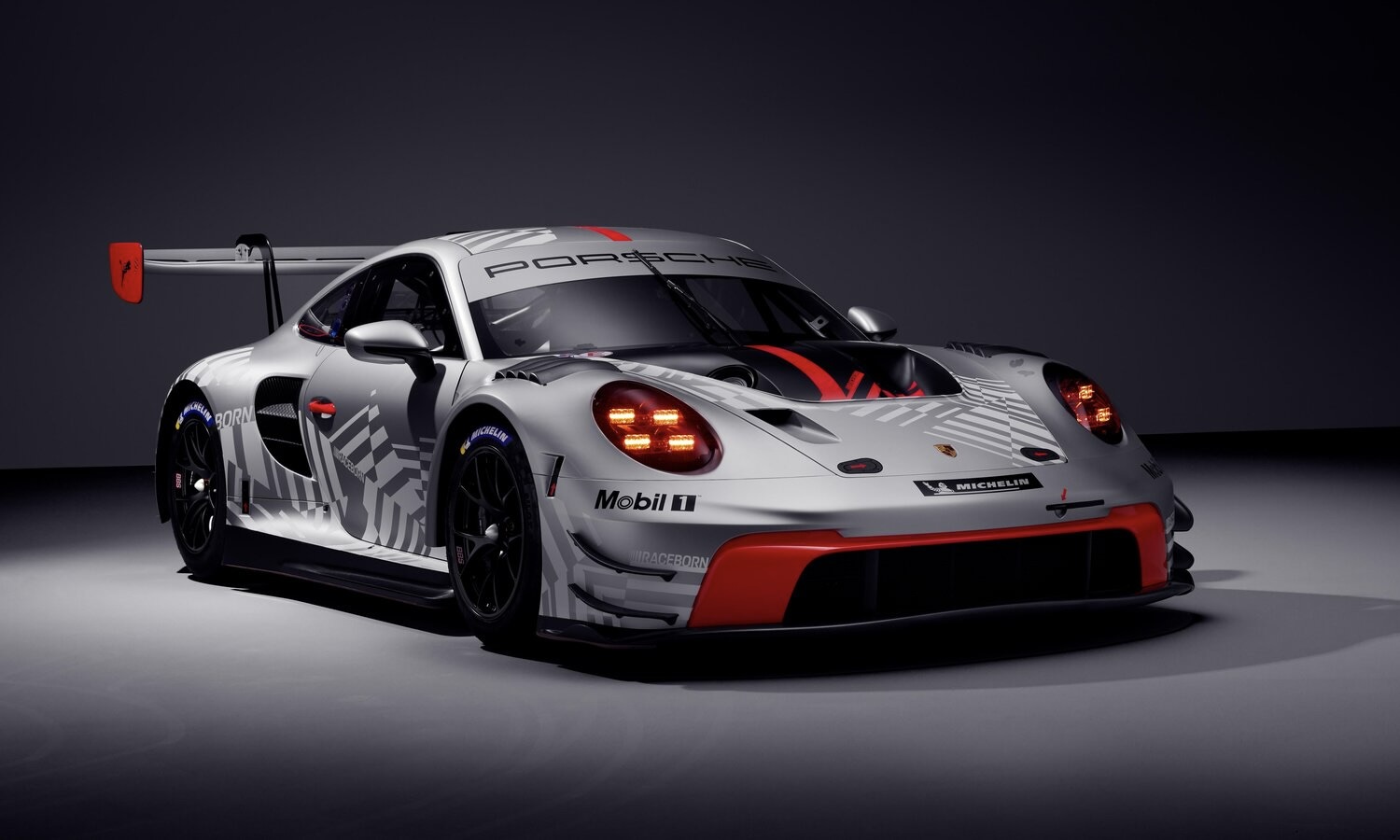
The signature of this evolution is visible in the new air vents above the front fenders. These vents, combined with improved front suspension kinematics, increase anti-dive and reduce pitching sensitivity under braking, maintaining aerodynamic balance and allowing for more precise cornering.
At the rear, the swan-neck wing features a 4mm Gurney flap that provides additional downforce and allows for greater aerodynamic balance adjustment. The rear floor is now fully faired and reinforced, while the multi-link suspension geometry increases anti-squat, resulting in less body roll under acceleration and better distribution of dynamic loads between the axles.
Operation and durability: small details that add up to tenths
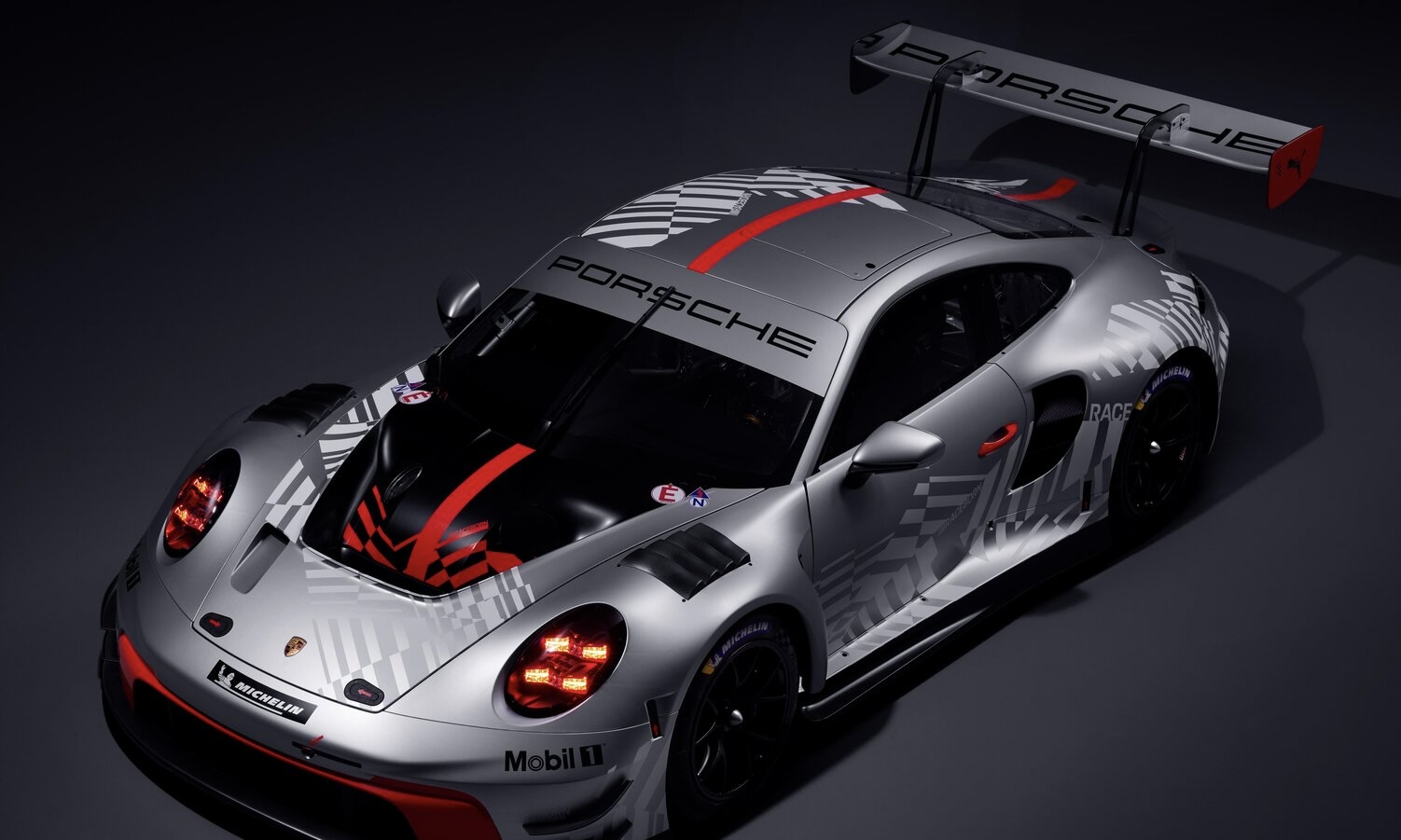
The electro-hydraulic power steering receives extra fluid cooling to stabilize steering effort on challenging tracks like the Nordschleife. More robust ceramic bearings are added to the hubs, and revised centering points speed up half-shaft assembly in the pits.
The half-shafts are cooled by a dedicated air duct, independent of the braking system, through NACA-type intakes. This ensures thermal stability when driving at very low ride heights on fast tracks like Monza or Le Castellet, and allows for separate adjustment of the rear brake cooling, which is especially useful at Daytona.
There are also improvements for the driver and engineer : a revised air intake stabilizes airflow in the cockpit on long runs, and the remote recording unit (RLU) downloads data directly to an interchangeable USB memory stick during a short pit stop, avoiding laptop connections and saving time on strategic decisions.
More than standard: sensors, cameras, and refueling management…
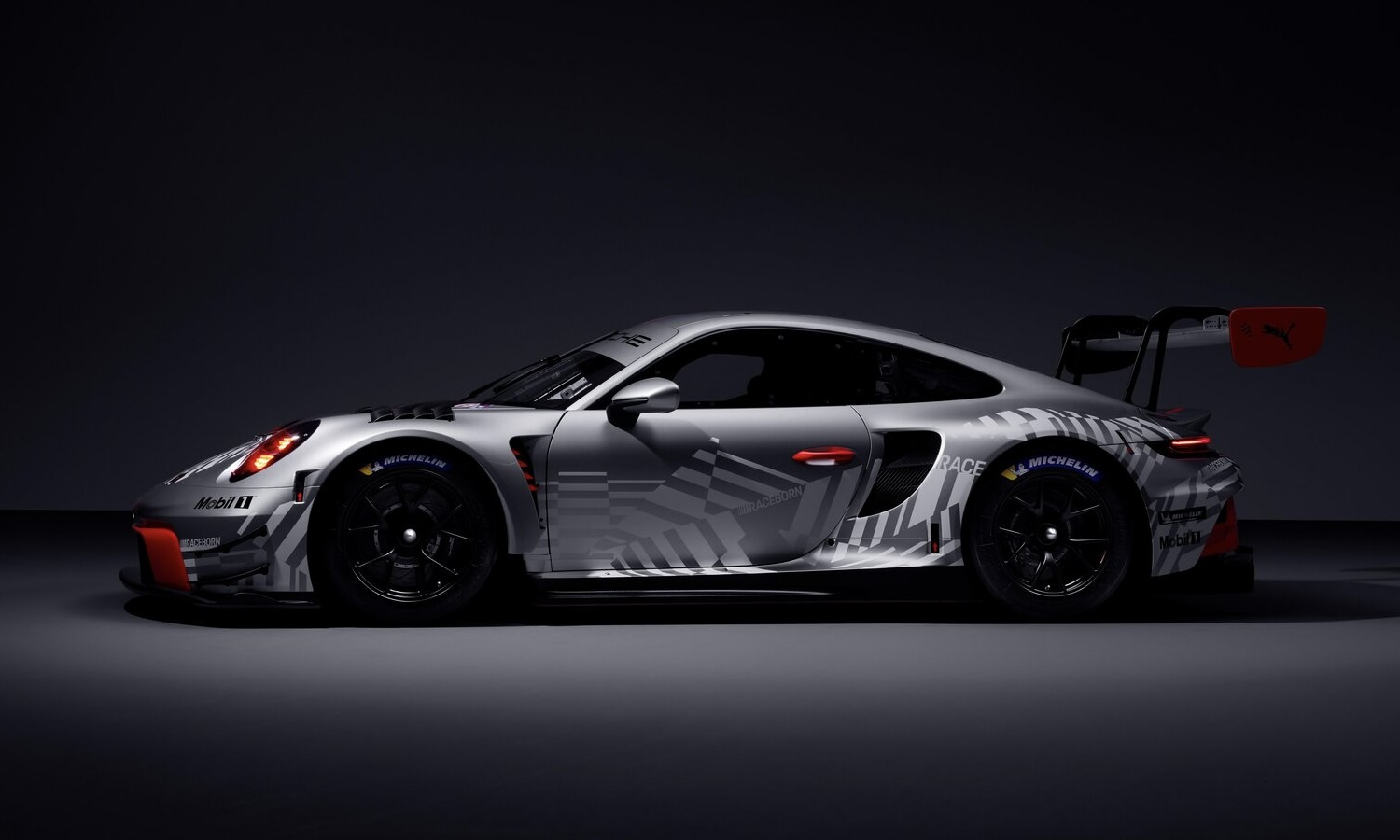
The standard equipment has been expanded with the addition of previously optional packages: sensors, endurance, Pit Lane Link, and cameras. These include four laser altitude sensors, two potentiometers on the main brake pump, a track temperature sensor, a reversing camera, and hydration mounts.
For championships with strict energy control, it carries a refueling detection sensor and an additional refueling LED, tools that facilitate compliance with minimum times and quantity management in both IMSA and WEC and in tests such as the 24 Hours of Spa.
The catalog of options remains available for fine-tuning according to regulations: specific half-shafts for FIA and IMSA LMGT3 and, for the NLS, a pre-silencer similar to that of LMGT3 and wing supports with an extended adjustment range.
Engine and drivetrain: a consistent philosophy, validated performance…
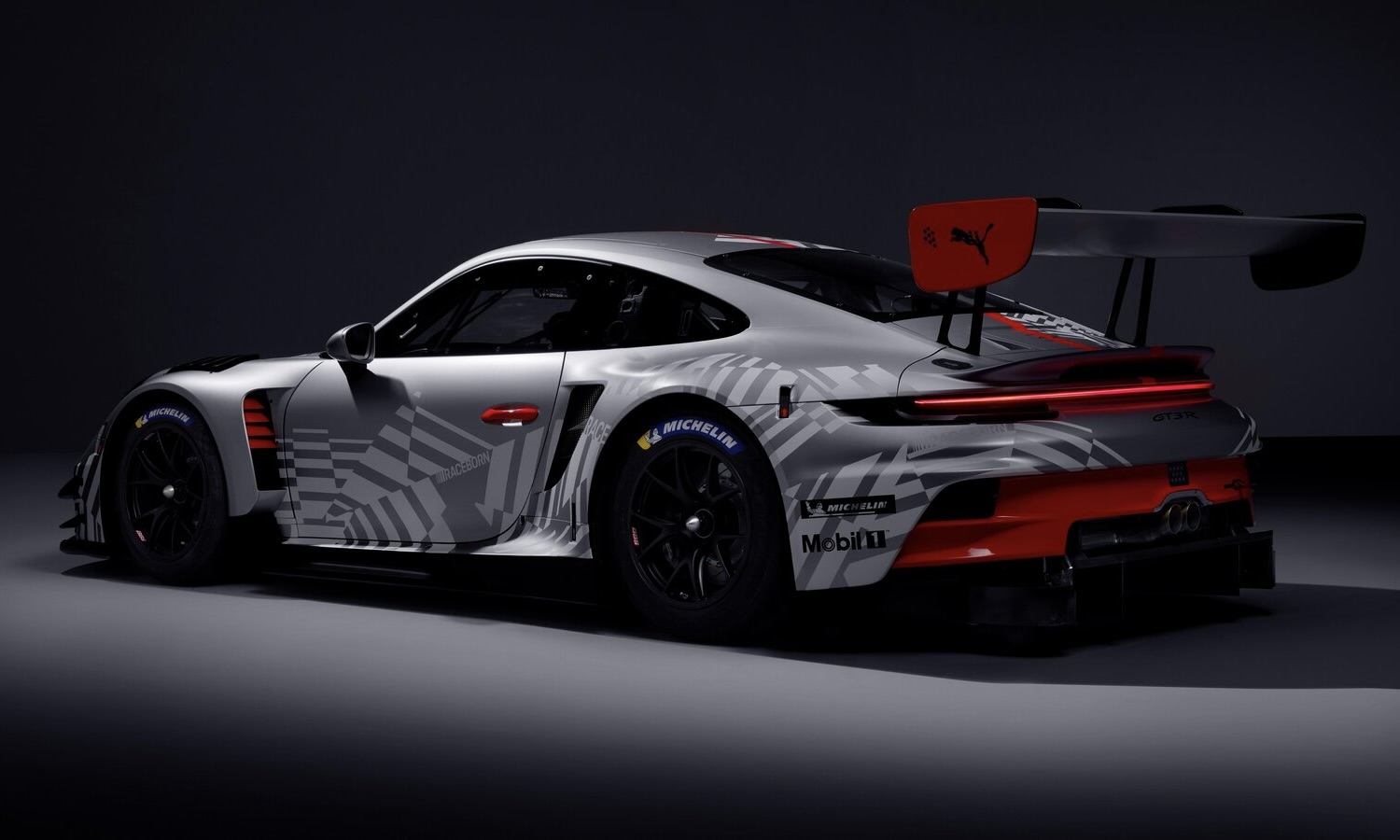
The 4,2-liter, six-cylinder boxer engine remains virtually unchanged, producing up to 565 hp (416 kW) subject to Balance of Performance. The powertrain retains its proven configuration, prioritizing reliability and consistency across a wide range of operating conditions.
The development program began in August 2024, with validations at Weissach and testing at Sebring, Paul Ricard, Spa-Francorchamps, and the Nürburgring Nordschleife. The key verification came in April: a development car entered by Herberth Motorsport finished second overall in the 12 Hours of Spa, with Laurin Heinrich, Ralf Bohn, and Alfred Renauer delivering a solid performance in real-world conditions.
Porsche anticipates producing around 60 upgrade kits to install these improvements on the 992-generation 911 GT3 Rs already in customer hands. This component migration allows for the retention of the base chassis and powertrain, minimizing downtime and optimizing season budgets.
Recent achievements and competitive reach…
On the demanding Nordschleife , the current generation of the GT3 R has racked up six wins in eight NLS races, with 106 units delivered so far, and over 420 podium finishes accumulated by customer teams across various series. In the DTM, 2023 champion Thomas Preining reignited his title hopes with a victory at the Norisring, a testament to the package's exceptional competitiveness in both sprint and endurance races.
What is Porsche pursuing with this evolution?
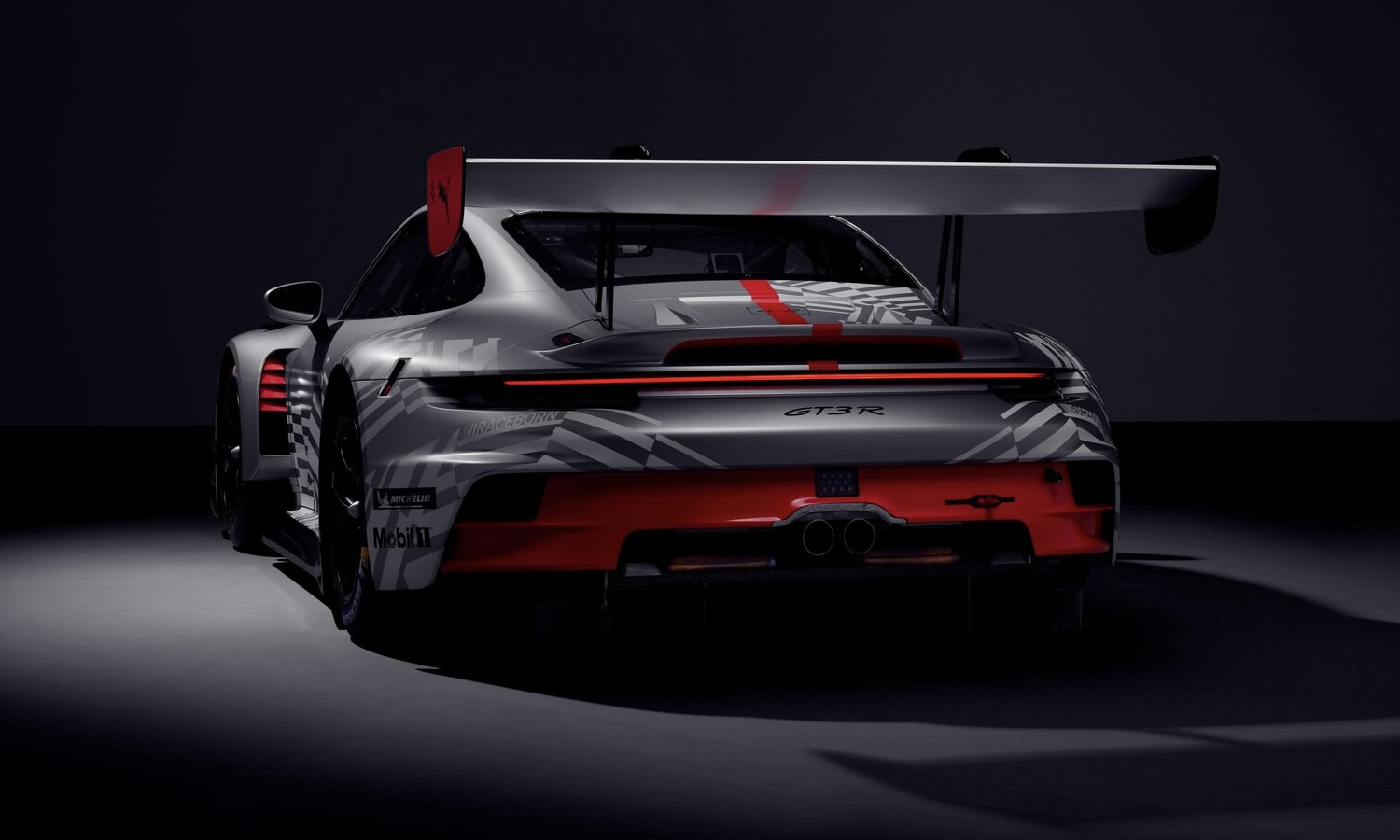
The project team has focused on fine-tuning . These adjustments, based on proven performance, make a difference in the setup window and driver fatigue. Porsche emphasizes that feedback from the initial track tests supported the technical direction and that the resulting package aims to keep teams in contention for wins in all scenarios.
Porsche Motorsport's commercial management emphasizes the value of a car with over 420 podium finishes and its role as the top-of-the-range GT car for customers. The possibility of equipping existing fleets with kits, alongside new cars, aligns with the reality of tight schedules and multiple regulations without compromising performance.
The evolved 911 GT3 R will be available for €573.000 excluding VAT and championship-specific options. Current GT3 R owners can upgrade via kits starting at €41.500 before tax, a more cost-effective option than buying a completely new car.
Source – Porsche
Images | porsche

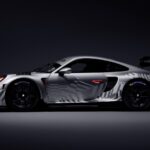
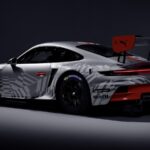
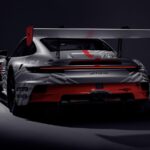
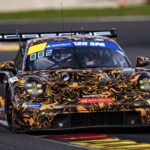
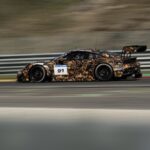

Table of Contents
- 1 What's changing: chassis and aerodynamics for better braking and acceleration
- 2 Operation and durability: small details that add up to tenths
- 3 More than standard: sensors, cameras, and refueling management…
- 4 Engine and drivetrain: a consistent philosophy, validated performance…
- 5 Recent achievements and competitive reach…
- 6 What is Porsche pursuing with this evolution?