

The Swedish firm (with Chinese capital) Polestar has confirmed the integration of Google Gemini across its entire range of electric cars. This move reinforces its commitment to the digital experience in the vehicle. The decision covers everything from the Polestar 2 to future models, solidifying an evolution of the onboard assistant that will move beyond rigid command patterns.
Availability for users is planned to begin in 2026 , with an initial rollout in US English and the promise of expanding to other languages later. In Europe, and particularly in Spain, activation will depend on Google's language rollout schedule, so the arrival of Spanish is expected in later phases. Stay tuned for updates…
What does Polestar Google Gemini bring to the connected car…
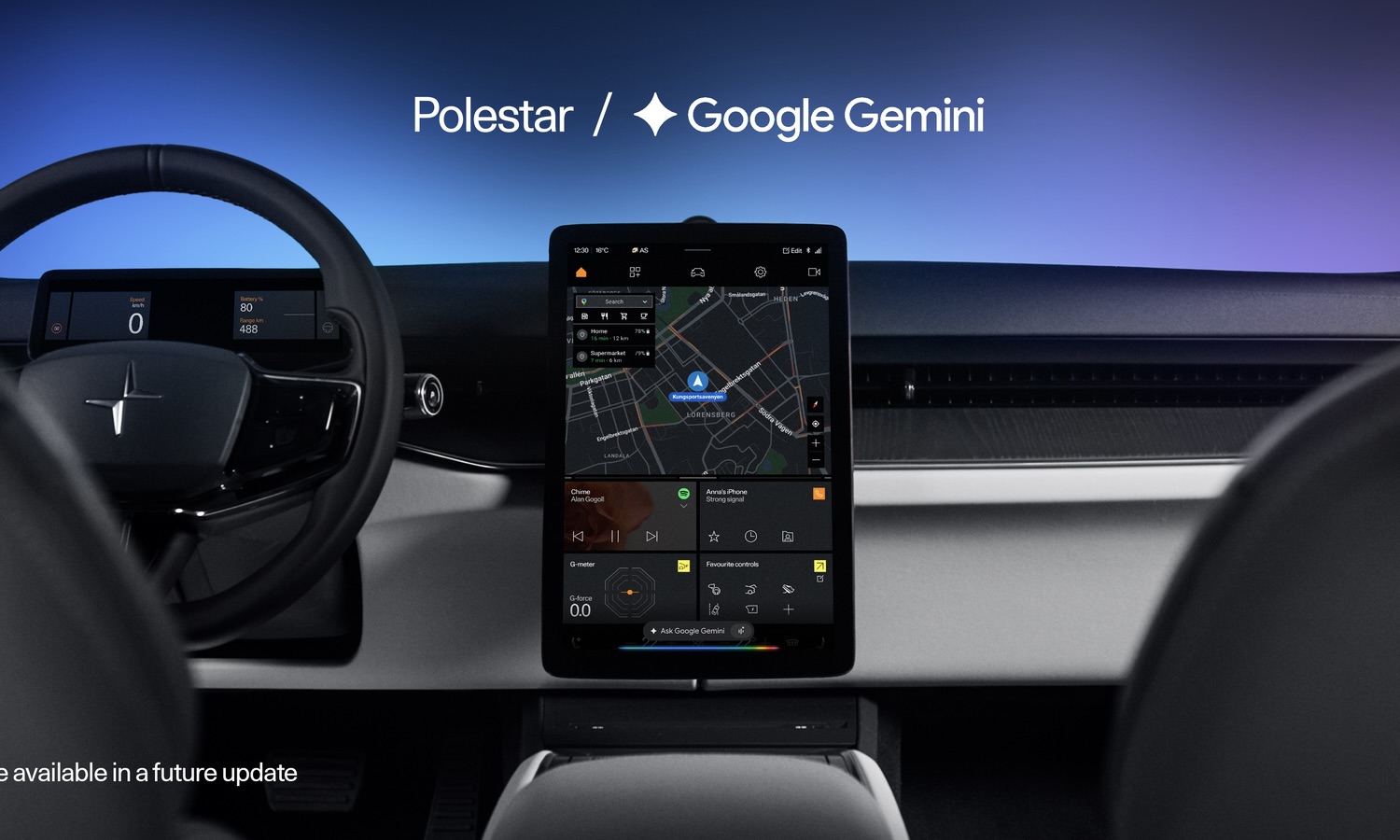
Google Gemini isn't just a replacement for Google Assistant . It's a generative AI platform capable of understanding language more naturally and contextually. In Polestar vehicles, it can hold fluid conversations , understand queries, and adapt to the driving situation without requiring exact phrases.
Gemini Live's conversational mode is activated with the command "Hey Google, let's talk" and opens the door to more open interactions, from suggesting ideas to asking for clarification on received information. The goal is to reduce cognitive load and minimize distractions from menus and screen taps.
Key features of Polestar models…
- Editing and voice message translation to keep your attention on the road.
- Vehicle query resolution (for example, climate control or car functions) without looking in manuals.
- Contextualized information about the route or the destination, with the ability to ask follow-up questions.
- More natural conversations for explore ideas and make complex requests.
Polestar and Google claim the system will go beyond basic commands , offering more precise responses and a better understanding of user intent. It is expected to arrive with the Gemini 3.0 family (recently announced for mobile devices), which improves language comprehension and contextual continuity.
How will it be activated in the Polestar range…
The integration will be done via over-the-air (OTA) update , so it will also be available for vehicles already on the road. This means that owners of the Polestar 2 and later models won't need to upgrade to access the new driver assistance system.
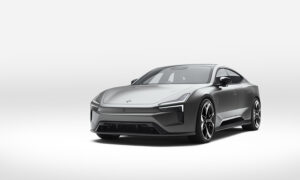
The brand has confirmed that Gemini will replace Google Assistant in its cars. This change leverages the Android Automotive OS platform that Polestar adopted from the start, with services like Google Maps and the Play Store integrated into the infotainment system.
Public presentation and launch schedule…
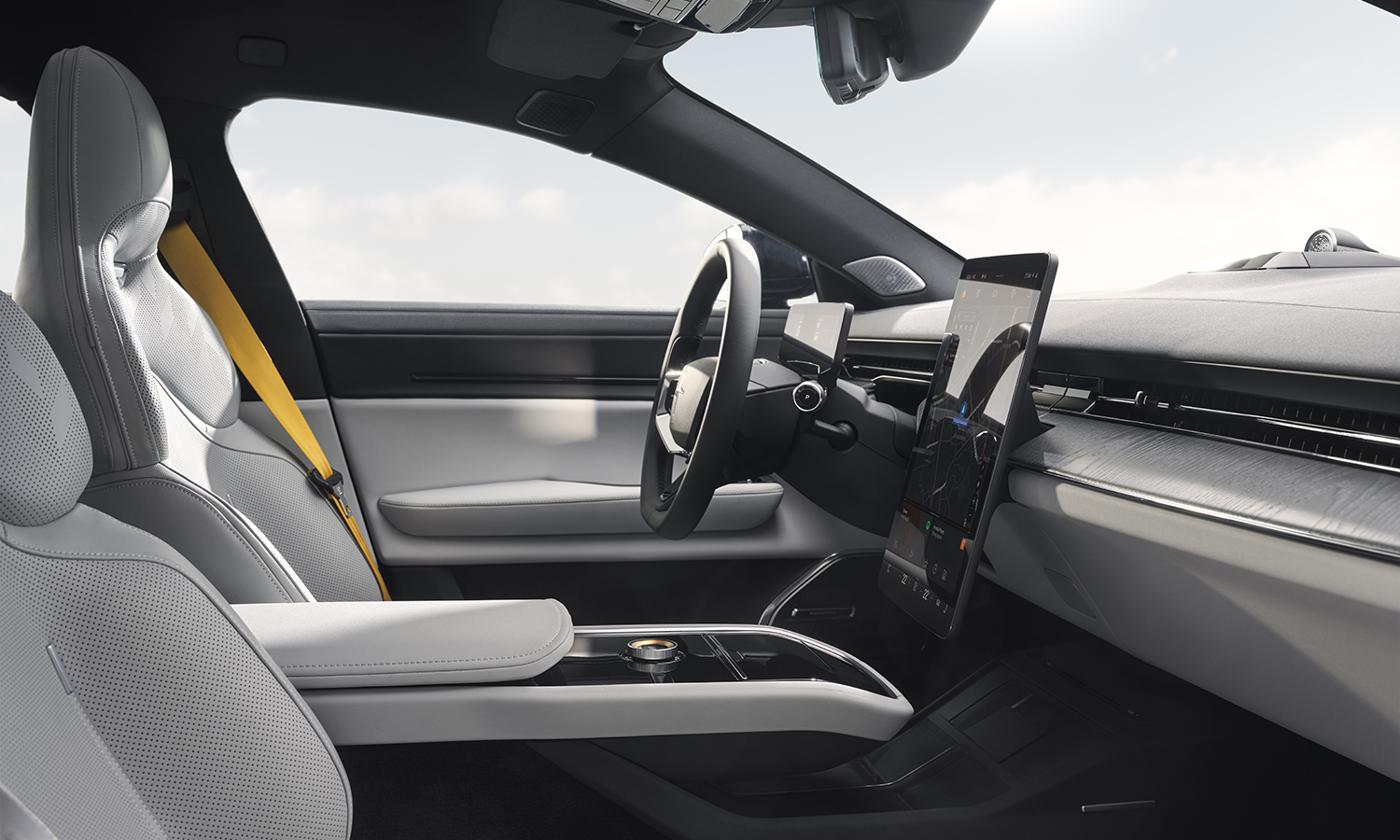
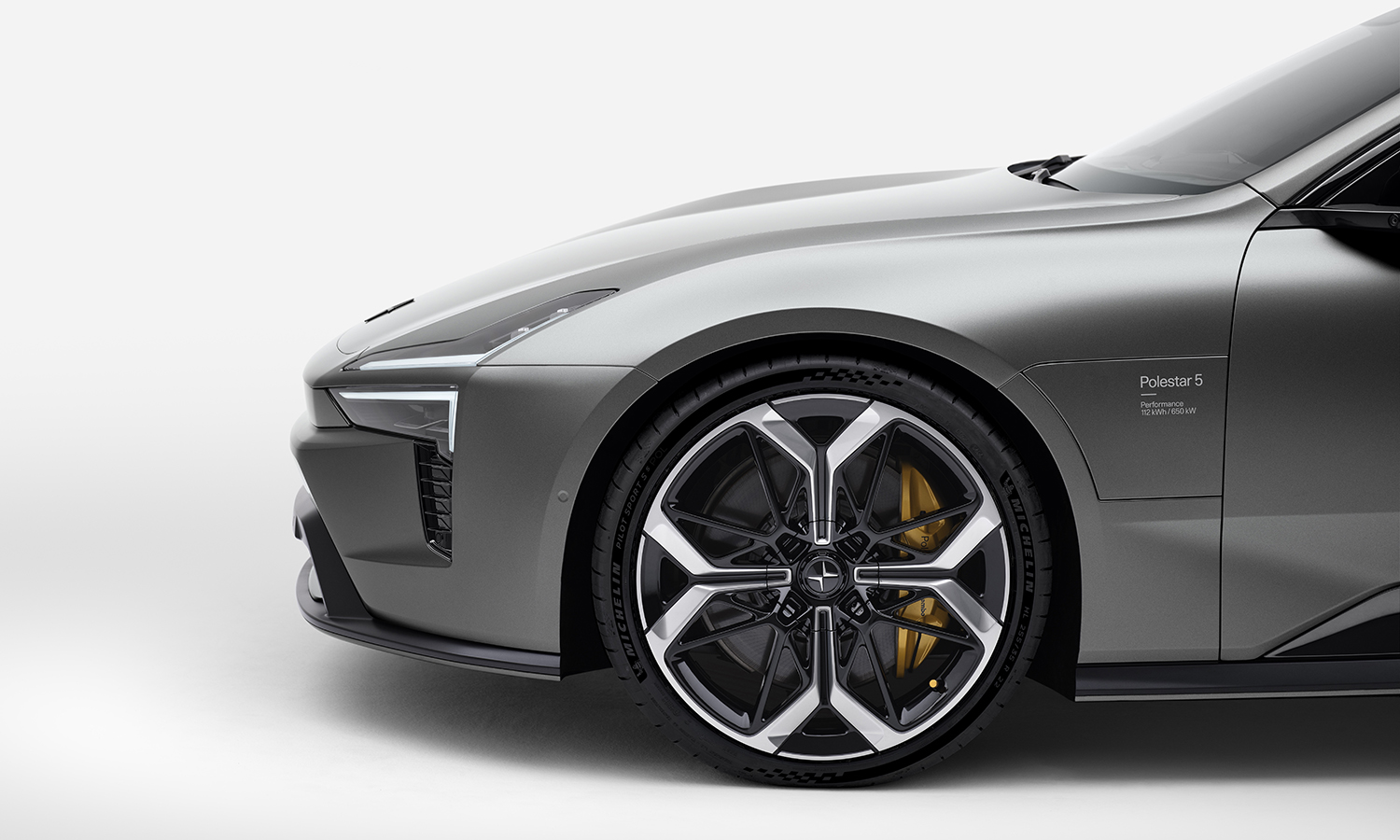
The first demonstration of the solution took place in a Polestar 5 during the Slush technology event in Helsinki (November 19-20) with a guided session showcasing the potential of Conversation Mode and its performance in a real-world environment. Google product managers have indicated that this phase is the culmination of years of collaboration with Polestar to bring tangible innovation to the connected car . Meanwhile, the Swedish company's user experience team emphasized that more natural voice interaction will be the driving force behind the change.
Implications of Google Gemini for Europe and Spain…

Language rollout will be determined by the timeline in each market. With US English as the starting point in 2026, the addition of new languages, including Spanish , will be key for customers in Spain and other European countries to fully utilize the system. While expanding language coverage, Polestar's strategy focuses on continuous software improvements , without waiting for new vehicle launches.

This approach aligns the brand with best practices in the connected car industry. Polestar's move to adopt Google Gemini puts the company at the forefront of advanced voice communication in the automotive sector. It offers a more natural experience, useful tasks without complex menus, and an assistant that learns from context, all powered by Android Automotive OS. The rollout will begin in 2026 and expand in features and languages as implementation progresses.
Source – Polestar
Images | Polestar

Table of Contents