

The Swedish premium brand's flagship electric SUV takes a significant leap forward with a thorough overhaul of its technical design. The Polestar 3 adopts an 800-volt architecture , improves charging times, features more capable electronics, and refines its range of versions to remain competitive against the big names in the premium segment. In addition to all the mechanical upgrades, the Polestar model reorganizes its offering into three variants and enhances its digital ecosystem.
Among the highlights are charging speeds of up to 350 kW , a WLTP-rated range of 593 to 635 kilometers, and the arrival of the NVIDIA Orin processor , which significantly increases computing power compared to the previous hardware. Overall, this is a truly important and exciting step for Geely. With it, in addition to improving an already excellent product, they're showing customers they're not afraid of competing with premium German brands. We'll tell you all its secrets because it has them…
Design, finishes, and packages of the renewed Polestar 3 MY2026…
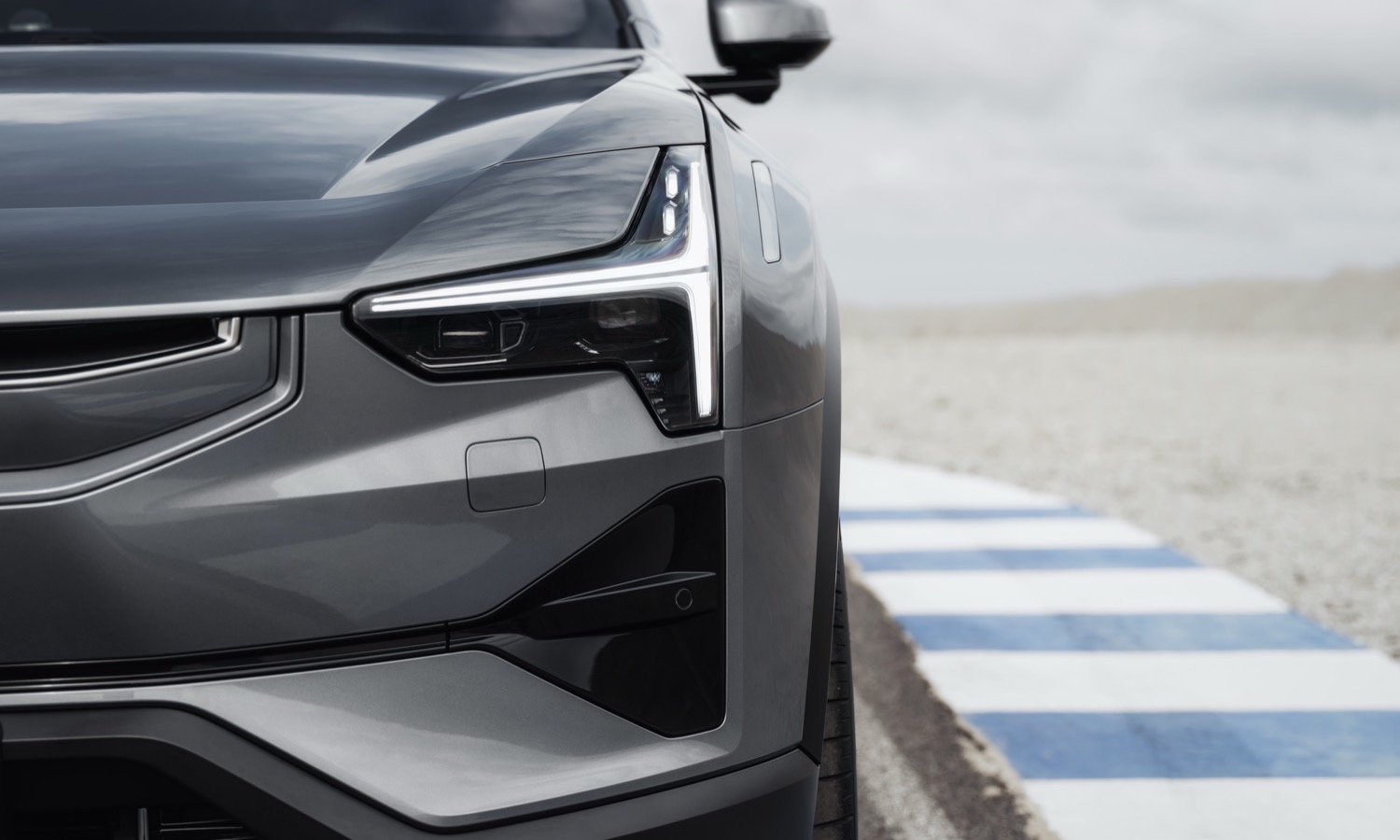
Measuring 4,90 meters long , with a 2,99-meter wheelbase and 20 centimeters of ground clearance, the Polestar 3 competes head-to-head with rivals such as the BMW iX , Mercedes EQE SUV , and XPENG G9. It offers two cargo spaces: a 32-liter front trunk and a 484-liter rear trunk (which includes a 90-liter double floor). The model uses the SPA2 platform and is manufactured in China and the United States.
Following this restyling, the lineup reinforces its personality with subtle details. Black belts for the entry-level version, gold accents on the Dual, and a full gold finish on the Performance. The Storm color (dark metallic gray) is introduced , and the exterior graphics are updated with larger typography.

Inside, the standard upholstery uses bio-based MicroTech fabric with recycled aluminum accents. Notable packages include the Climate Pack (heating for the rear seats and steering wheel, among other features), the Prime Pack (which integrates Pilot, Plus, and Climate trims with tinted rear windows), and the Bowers & Wilkins audio system with headrest speakers and active noise cancellation.
Onboard electronics: a brain eight times faster…
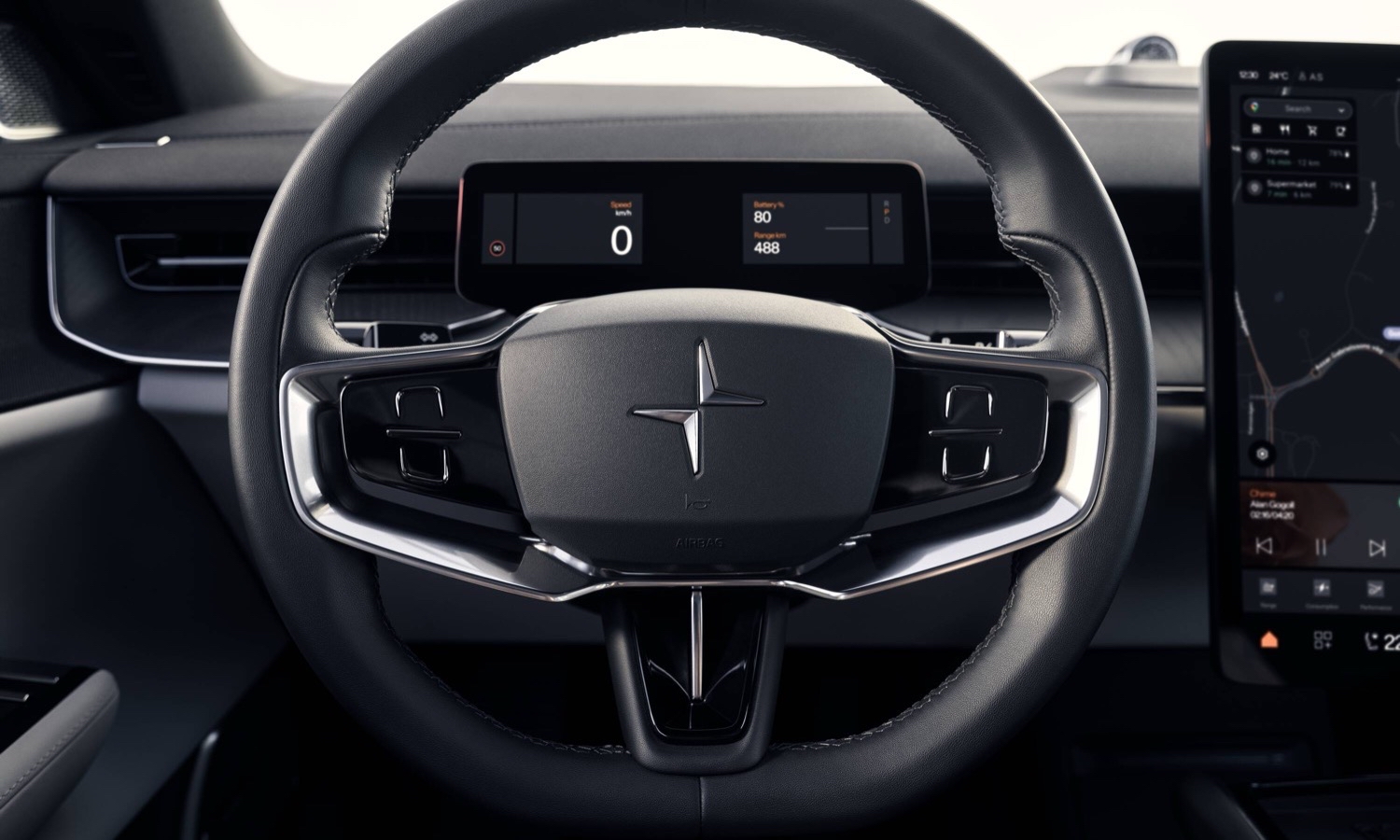
The core computing power jumps to the NVIDIA DRIVE AGX Orin processor, boosting computing capacity to 254 TOPS (up from around 30 TOPS previously). This represents an improvement of more than eight times the processing power for active safety , battery management, and sensor data processing, and will be available as a free upgrade for current owners starting in 2026. In terms of infotainment, it maintains the minimalist approach with a 14,5-inch vertical screen and Android Automotive system , featuring over-the-air updates and an interface already familiar to brand users.
800V architecture and batteries: more efficiency, less waiting time
The core of this upgrade is the switch to an 800V electrical platform , which allows for lower currents and better heat management. In practice, this translates to DC charging peaks of up to 350 kW and a 10-80% charge in about 22 minutes , as well as an efficiency improvement of up to 6% in the WLTP cycle.

The batteries, supplied by CATL , are offered in two sizes: 92 kWh for the single-motor (rear) version and 106 kWh for the Dual and Performance configurations. With this setup, the Polestar 3 boasts a WLTP range of 593 to 635 km, placing it among the electric SUVs with the longest realistic range on the market. The onboard AC charger delivers 11 kW of power.
Range and performance: three flavors, one approach…
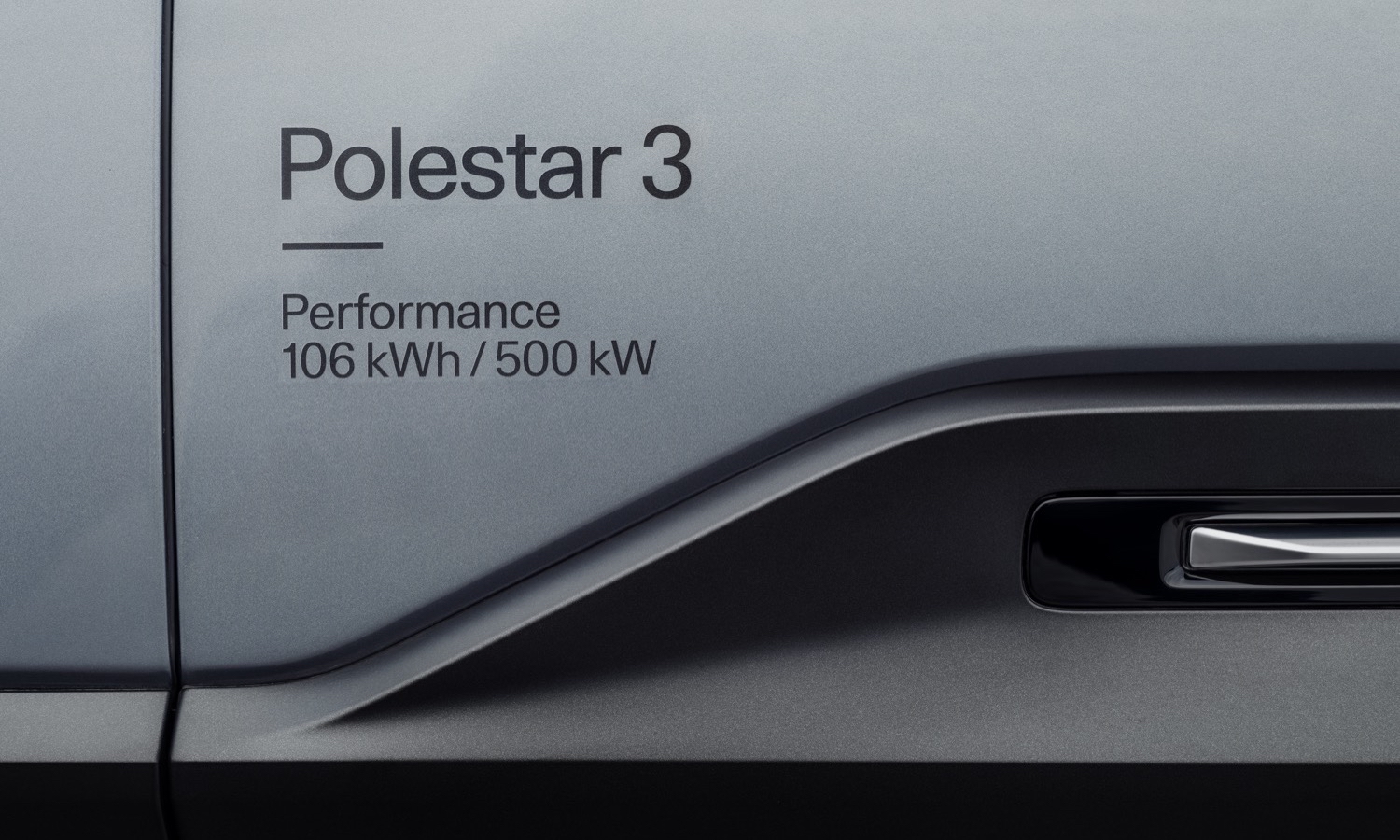
The range is structured around three variants: Rear motor (333 hp) , Dual motor (544 hp) , and Performance (680 hp) . In terms of performance, the base model achieves 0-100 km/h in 6,5 seconds and a top speed of 210 km/h, the Dual motor reduces this to 4,7 seconds and reaches 230 km/h, while the Performance version accelerates in 3,9 seconds and also reaches 230 km/h. The powertrain includes an in-house developed permanent magnet synchronous motor on the rear axle.

Furthermore, it also features a front asynchronous motor with automatic shut-off in the twin-motor versions. The torque distribution favors the rear axle for a more direct feel, and the stabilizer bars and steering software have been revised for more precise handling.
Chassis, brakes and suspension…
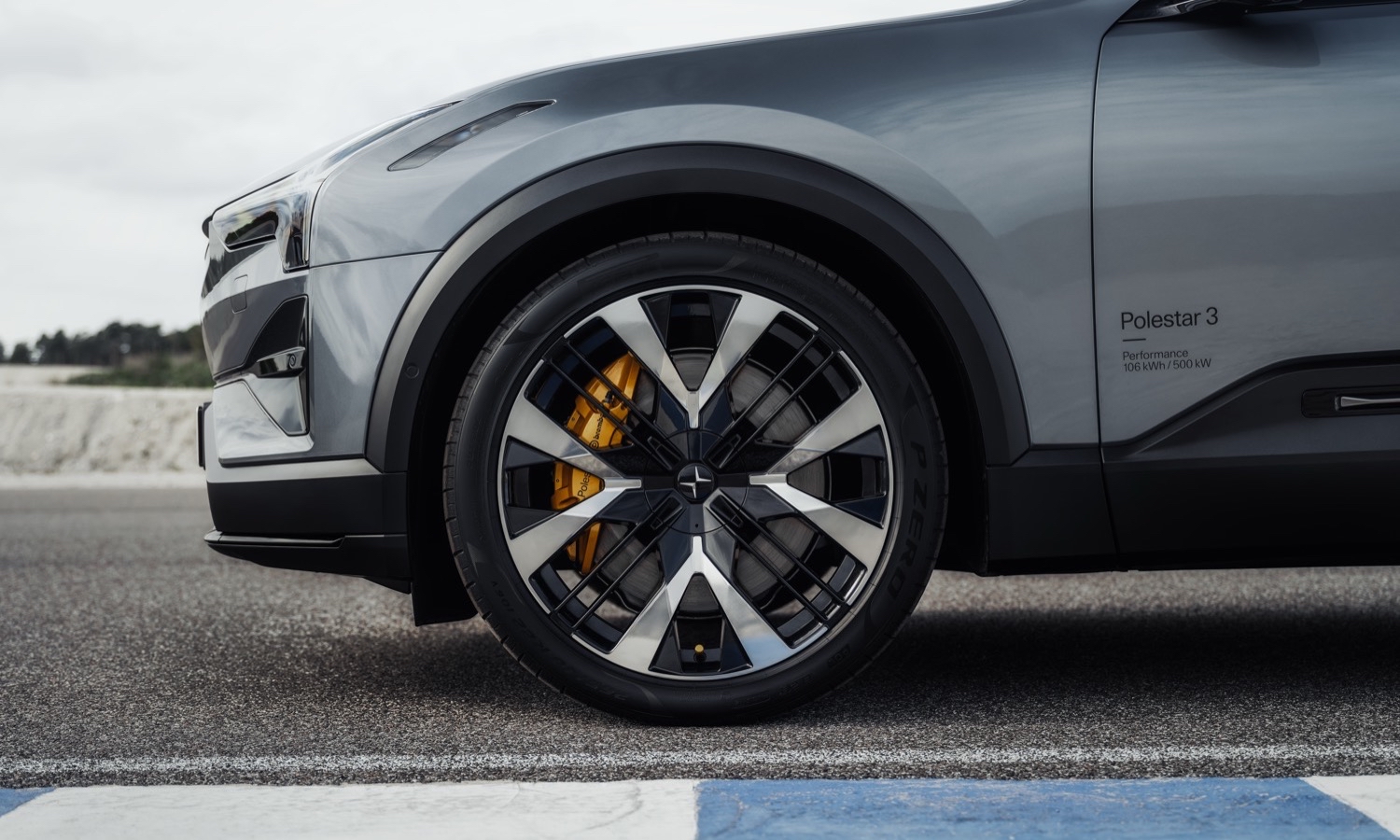
The front braking system is provided by Brembo , with four-piston calipers and 400 mm slotted and drilled discs , while the rear features 390 mm ventilated discs with a single-piston caliper. Alloy wheels are available in 20 or 22 inches as standard.
Adaptive air suspension is now optional on the Dual Motor and standard on the Performance trim , featuring variable-firmness dampers that adjust their characteristics every 2 ms (500 Hz). The aim is to offer a wide range between everyday comfort and more dynamic driving.
Quality and service campaigns…
The current Polestar 3 has not been without its issues. A previous recall addressed a potential water ingress problem in a front connector that could cause electrical faults, with the risk of unintended braking. The manufacturer corrected the component through official network repairs, and the new electronics and sealing aim to reduce the recurrence of similar scenarios.
With the arrival of the 800V architecture, 92 kWh and 106 kWh batteries, the NVIDIA Orin chip, and a well-defined performance range, the Polestar 3 reinforces its position as a solid alternative among premium electric SUVs, combining faster charging, good range, and a software approach that will continue to grow with updates.
Markets and deadlines…
The launch will begin in the UK , where demand has sold out the previous model, and will later expand to other European countries with more ultra-fast charging stations. While official pricing for this version has not yet been announced, the current range in Europe starts at €74.590 , suggesting a slight price increase.
Source – Polestar
Images | Polestar











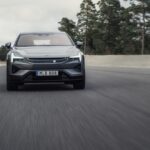
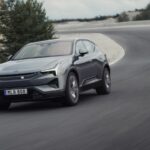

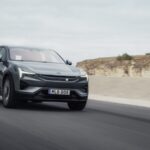







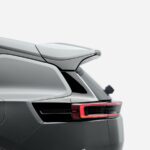











Table of Contents
- 1 Design, finishes, and packages of the renewed Polestar 3 MY2026…
- 2 Onboard electronics: a brain eight times faster…
- 3 800V architecture and batteries: more efficiency, less waiting time
- 4 Range and performance: three flavors, one approach…
- 5 Chassis, brakes and suspension…
- 6 Quality and service campaigns…
- 7 Markets and deadlines…