

Many people don't know it, but the current Opel Astra we see on our roads traces its roots back to the Opel Kadett B. Indeed, for those most familiar with the industry, the Kadett marked the beginning of the Astra saga. In fact, if you do a Wikipedia search and delve into the history of the Astra, you'll see which generation we're currently on. There were five generations of the Kadett, which were codenamed "A, B, C, D, and E." And right after it came the Astra, which is now in its L iteration , launched in 2021.
But most importantly, the Opel Kadett B established itself as one of the most influential compact cars of its time . A model that debuted in Frankfurt in 1965 and became a benchmark for its variety of versions, its practical approach, and its key role in Opel 's global expansion . With a proposition that combined ample space, versatility, and competitive pricing , the Kadett B perfectly met the needs of the era and left a lasting mark on industry and motorsports.
Opel Kadett B: From IAA debut to global success…
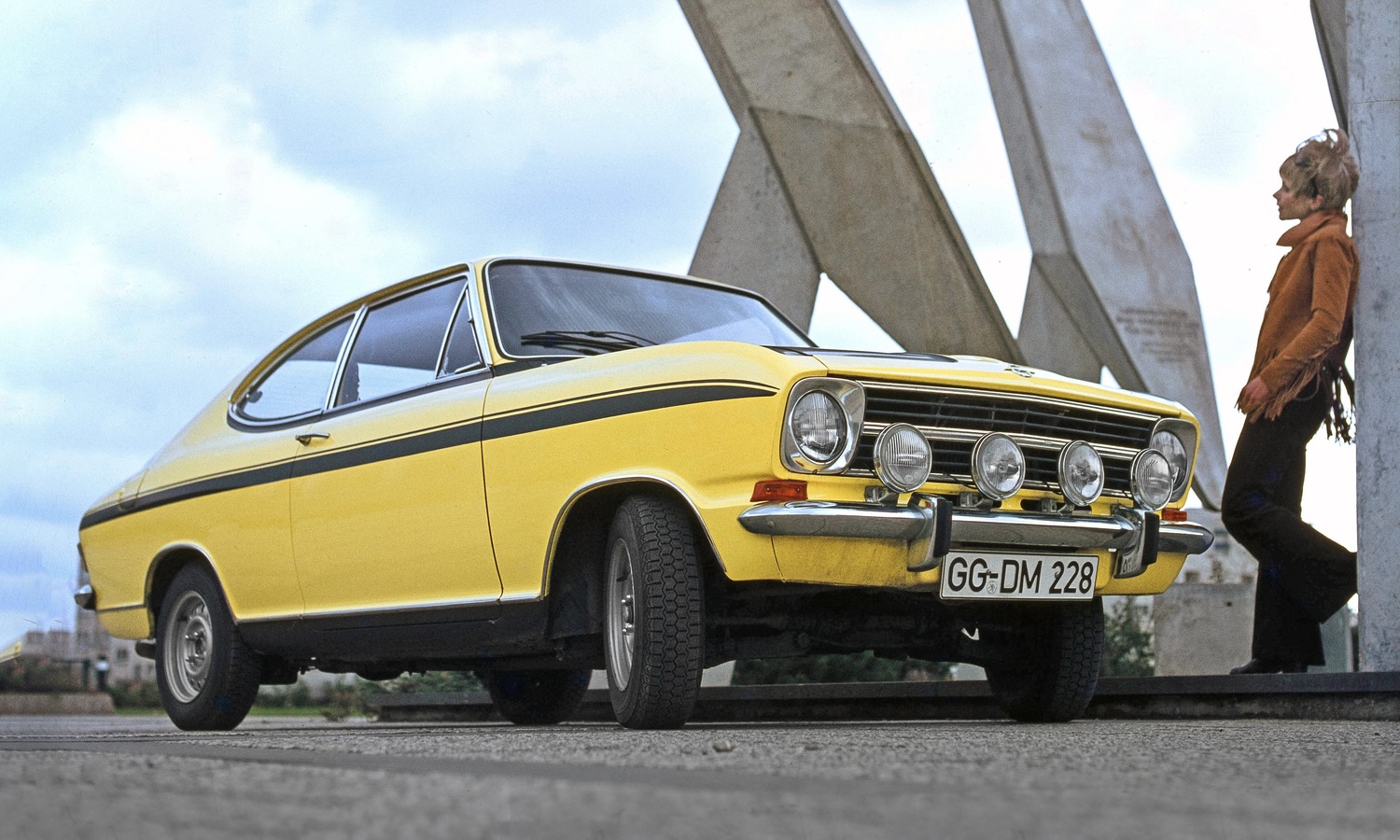
Its official unveiling at the Frankfurt Motor Show (IAA) was accompanied by the Experimental GT , Opel's first concept car, with which it shared more than just the stage. The production GT was technically based on the Kadett B platform, and from there, Opel's compact car took off in sales, becoming the first Opel to surpass one million units . This achievement was driven by its broad range and rational design.

Regarding the Kadett A, the second generation grew 18 cm to over 4 meters in length , was homologated as a five-seater in the sedan variants, and increased trunk capacity to 337 liters (VDA) . In the station wagon, the cargo area reached 1,57 meters with the rear seats folded down. All of this came with a very modest price increase, amounting to just 100 marks at the time.
Bodywork and mechanics for everyone…
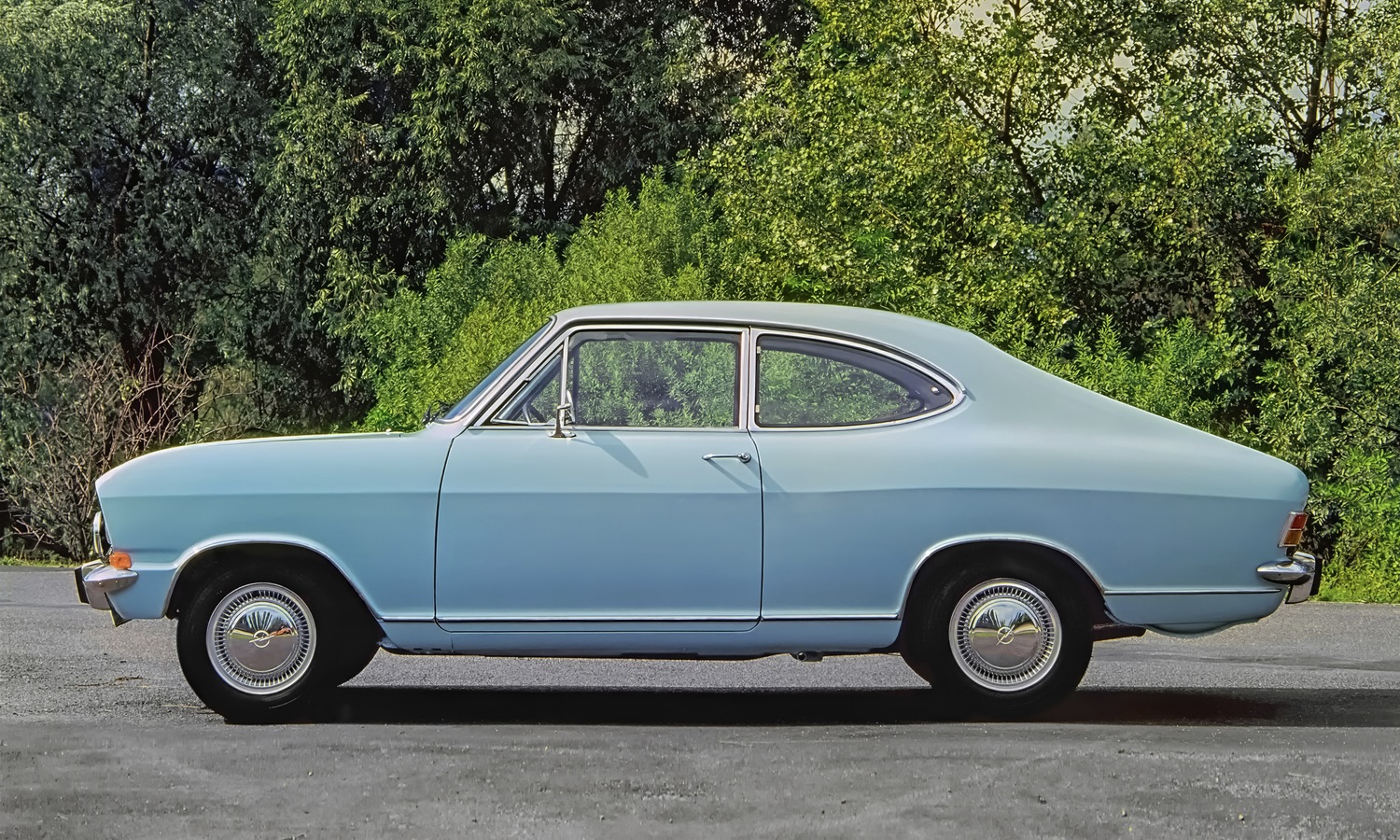
The Opel Kadett B catalog covered up to eight body styles , an unusual deployment in the compact segment that allowed it to cover everything from family needs to more emotional tastes, including versions with a sporty look.
- 2 and 4 door sedan
- 3 and 5-door family
- Two-door coupé “Gill Coupé”
- 2- and 4-door "LS" hatchback
- Two-door "LS" coupe
The engine offering was based on four longitudinally mounted inline four-cylinder engines: 1.1, 1.2, 1.7, and 1.9 liters, configurations that provided a balance between efficiency, cost of use, and performance for each driver profile.
Rallye-Kadett: competition and character…
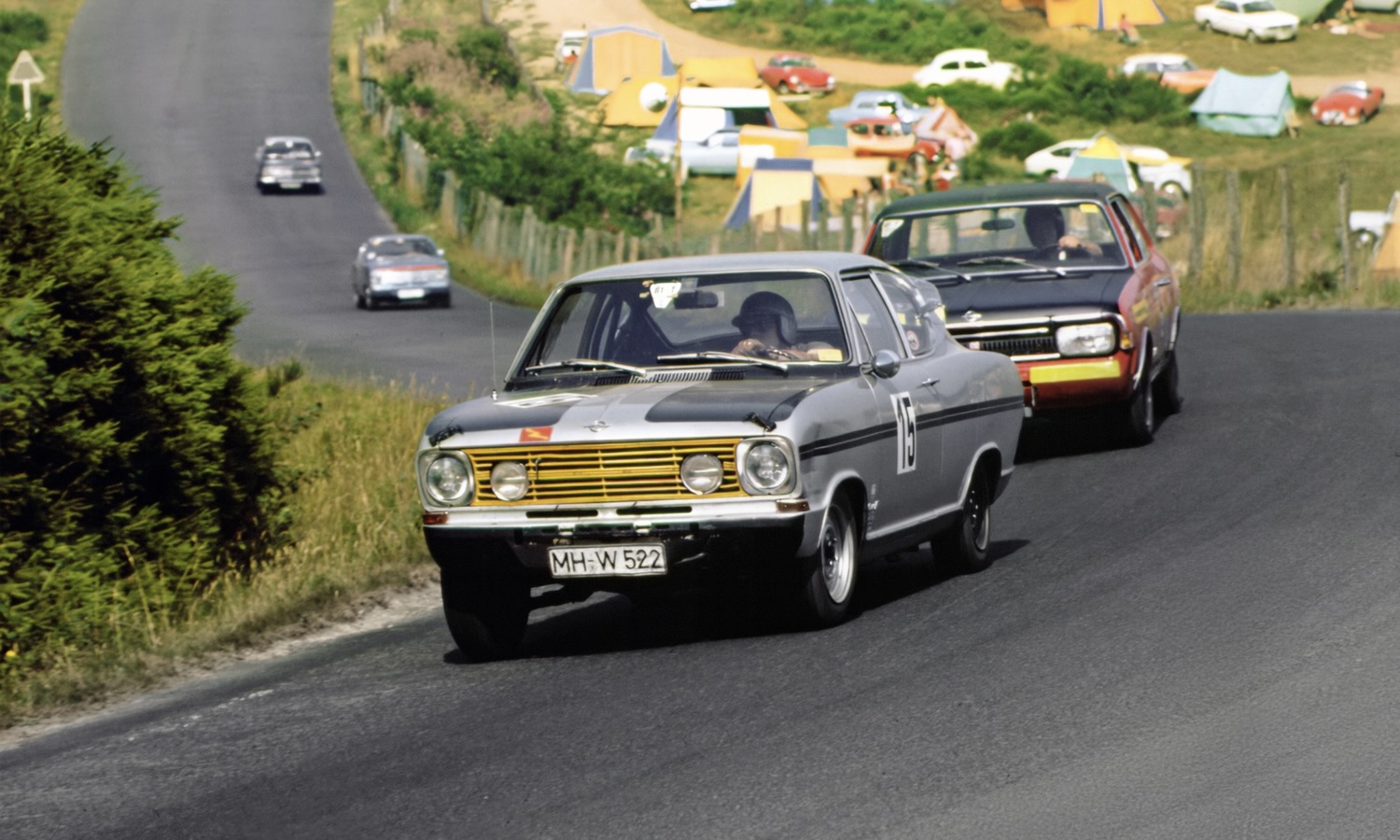
The sporty variant took shape in the Rallye-Kadett , which started with a 1.1-liter twin-carburetor engine producing 44 kW (60 hp) and, from 1967, incorporated a 1.9-liter engine producing 66 kW (90 hp) capable of reaching 170 km/h . Its matte black hood was not simply an aesthetic feature: it helped to avoid reflections, a direct nod to its use in rallying.

The results came quickly: victories and podium finishes in events such as the Stuttgart-Lyon-Charbonnières , the Hesse Rally, the Trifels, and the Tour of Luxembourg. In 1967, Günther Irmscher won the Tour de Europe , and the Lambart/Vogt duo won their class in the Monte Carlo Rally . The figures for 1968 speak for themselves: in 238 events, the model amassed 222 class wins , along with 345 gold and 287 silver medals.
Olympia A: the more refined side…
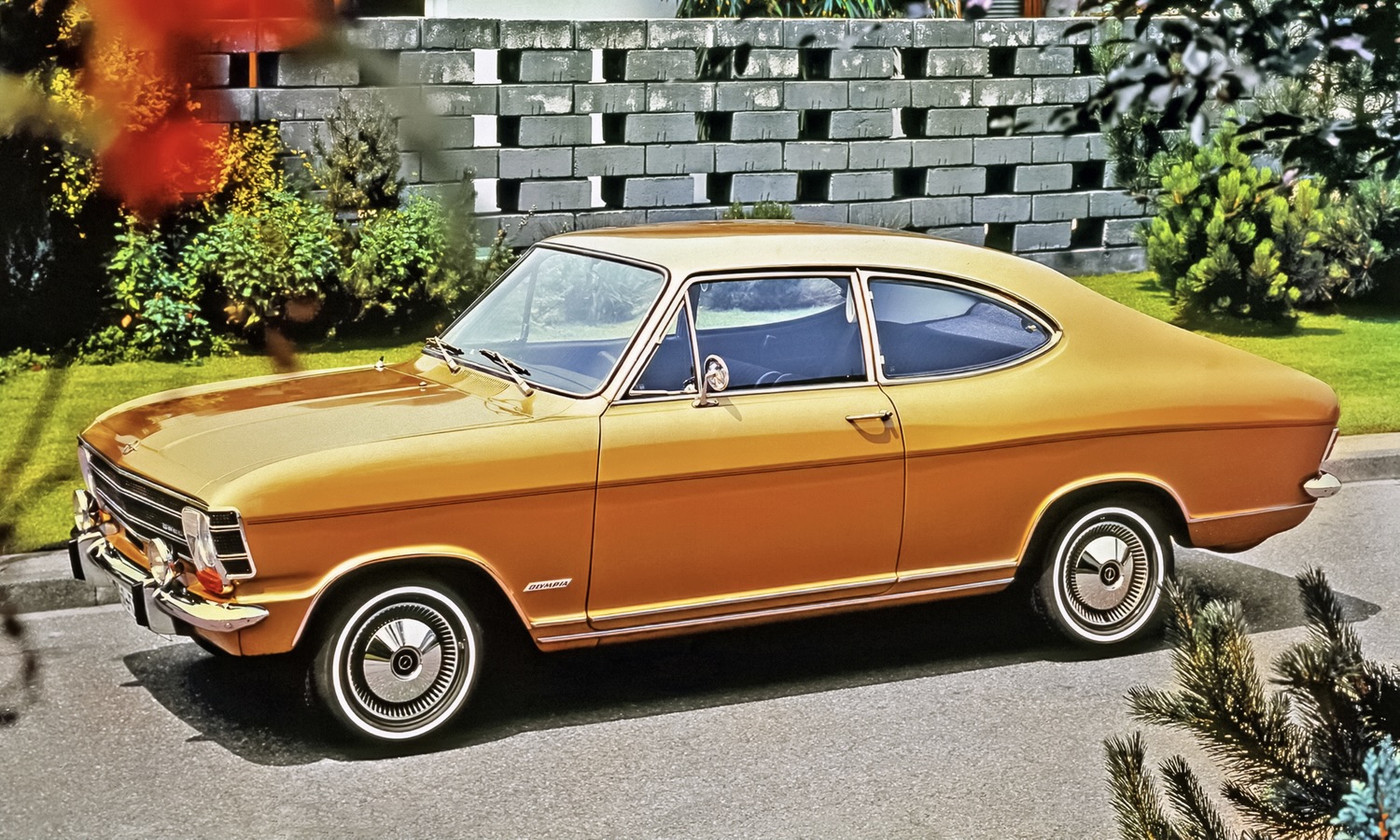
In September 1967, the Opel Olympia A arrived , a more sophisticated variant based on the Kadett B that raised the bar in terms of equipment and presentation without sacrificing compactness. It offered 44, 55, and 66 kW (60, 75, and 90 hp), an interior with unique carpeting and a dashboard featuring a "fine wood" finish, and a distinctive exterior with a chrome grille , rectangular headlights, and larger rear side windows.
Pioneer in electrification…
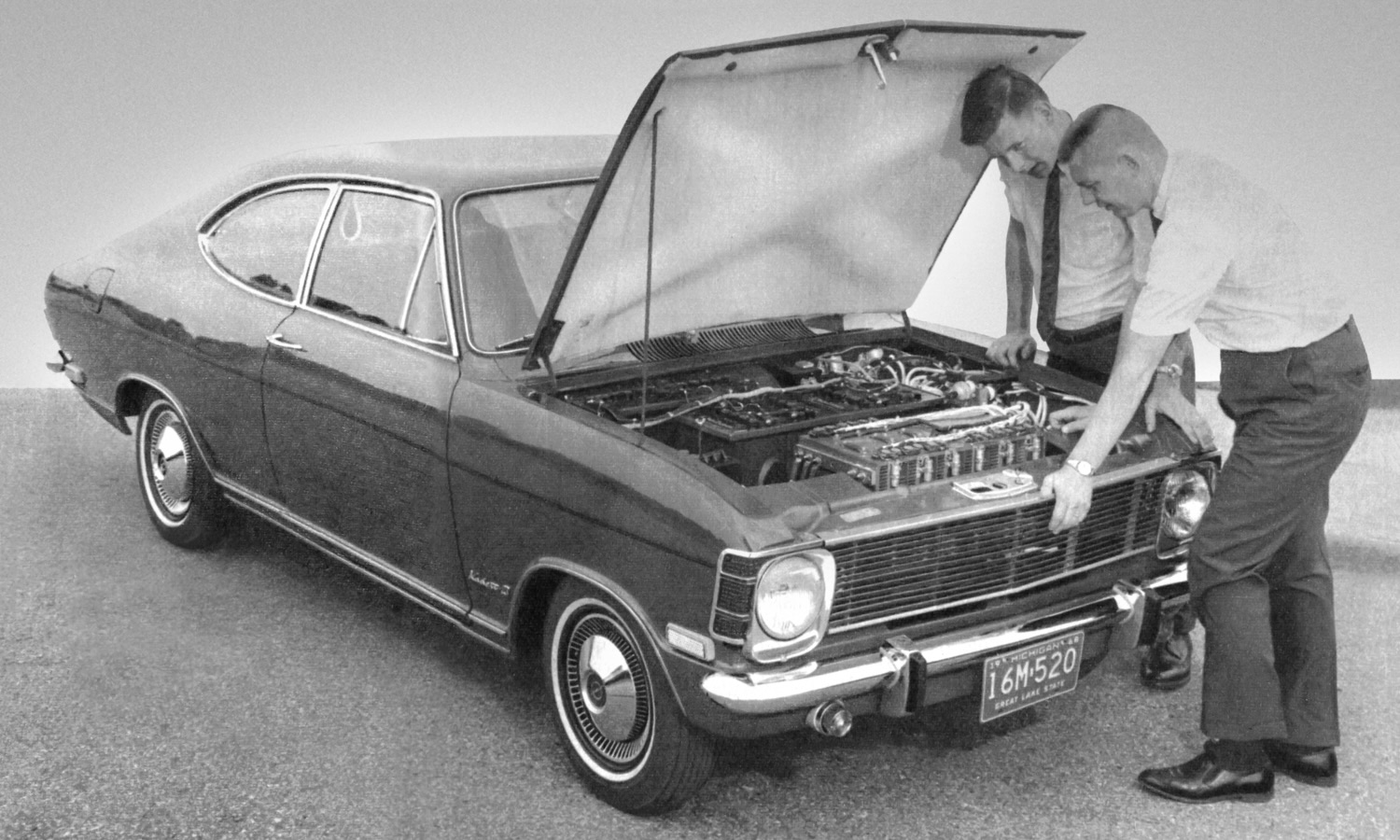
The Opel Kadett B chassis also served to explore alternative propulsion systems: in 1969 the Stir-Lec I , a test hybrid, appeared, and in 1970 the fully electric Kadett XEP . Those prototypes anticipated current concerns about mobility and demonstrated the platform's technical versatility.

A global car with a lasting impact…
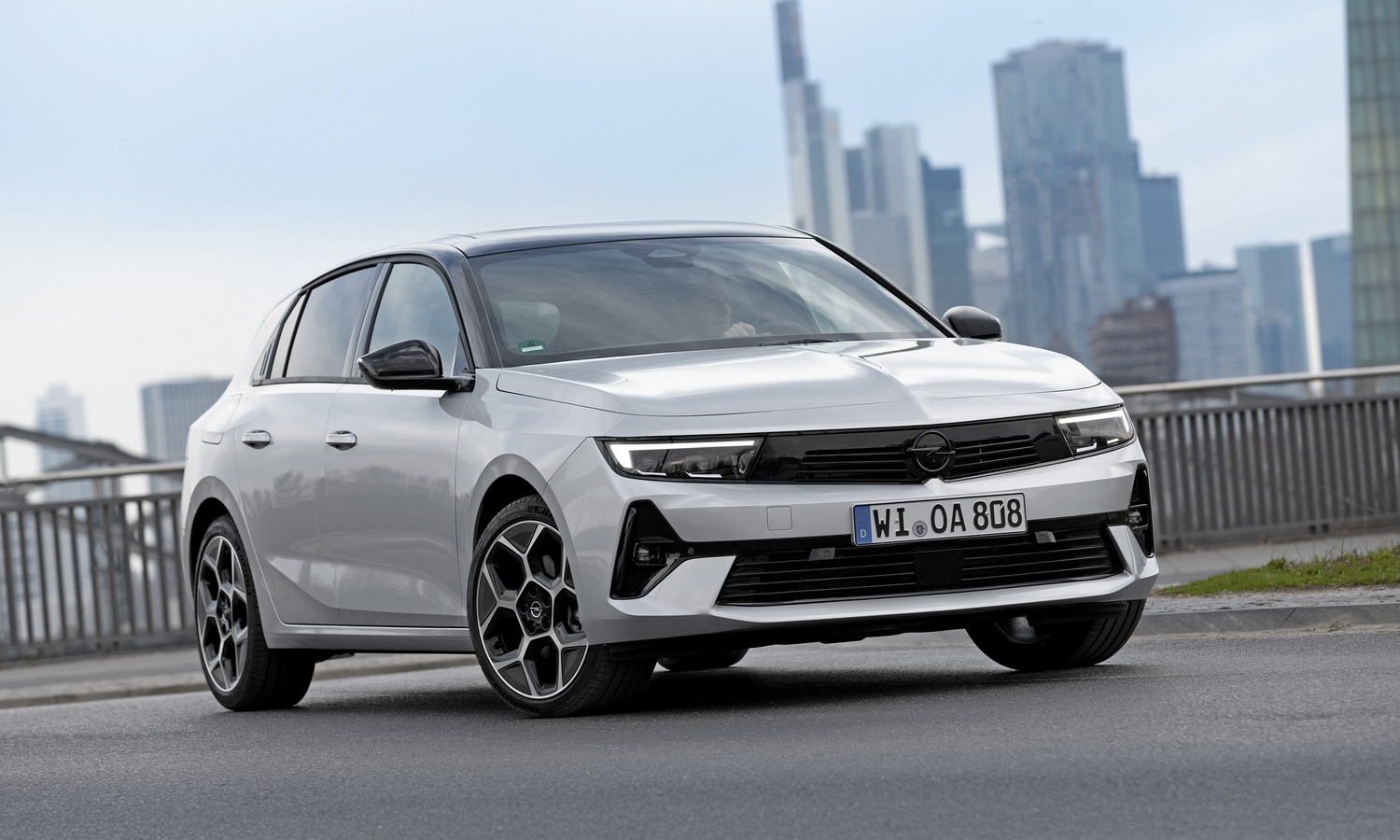
The Kadett B's production run lasted until July 1973 , during which it was sold in over 120 countries . Beyond its role on the road, it provided the technical foundation for the Opel GT, cementing its status as a cornerstone of the brand's history and of the European compact car. Beyond figures and records, the Kadett B was a key compact car thanks to its wide range of features, fuel efficiency, and sporting success . This combination allowed it to transcend trends and leave a legacy that is still recognized today when discussing the versatility, straightforward engineering, and practicality of the segment.
Source – Opel
Images | Opel

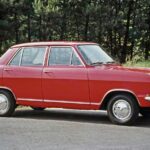

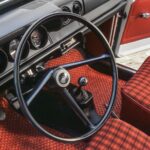
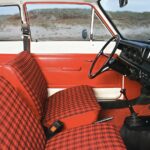

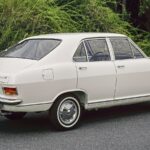
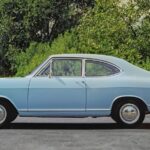
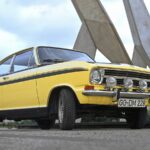
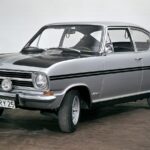
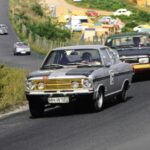
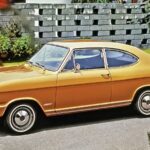

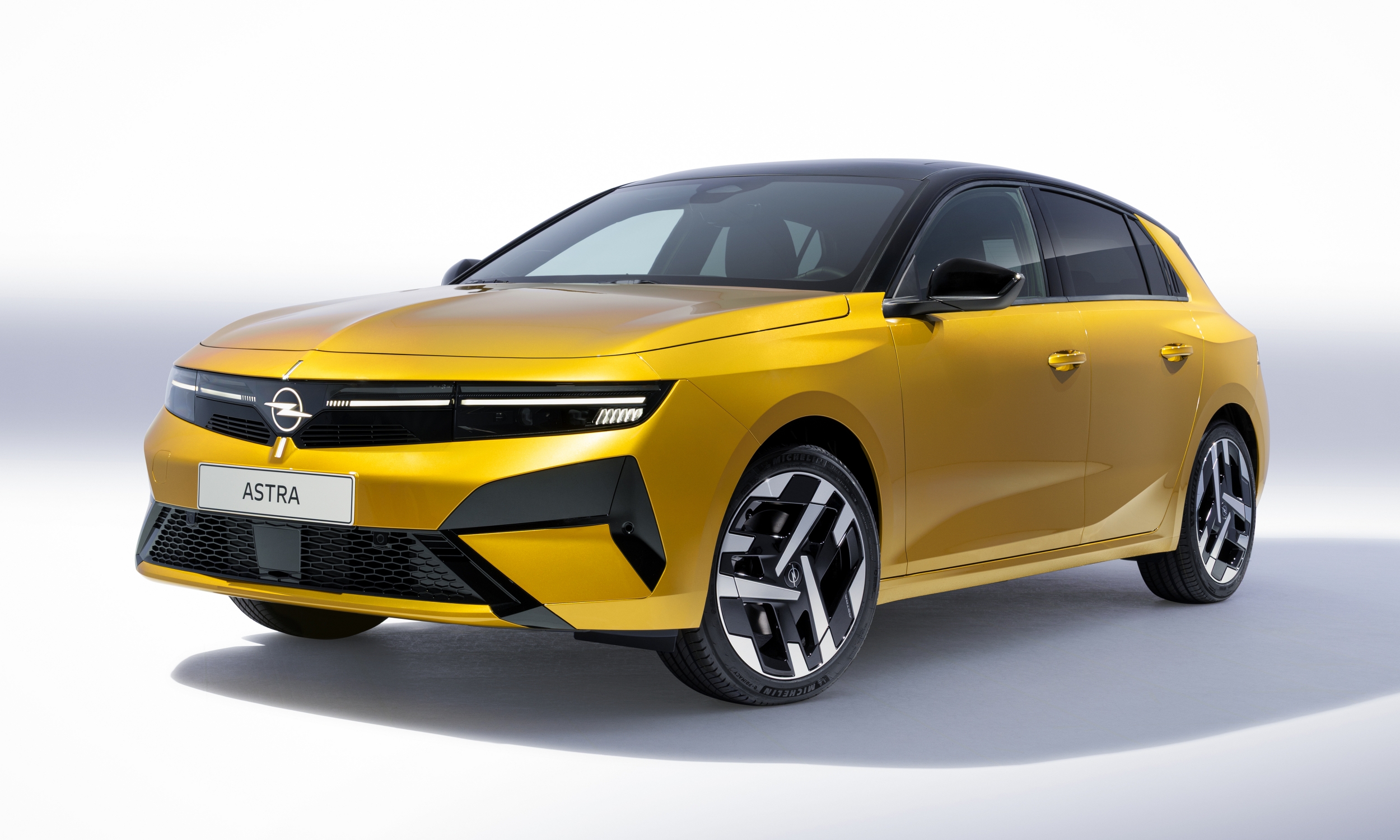
Table of Contents