

Nissan 's decision to divest its historic Rosslyn plant in South Africa marks a new chapter in the restructuring of its global production and in the international expansion of China's Chery. The agreement, still pending final regulatory approvals, paves the way for the Chinese group to take control of the facility, which has been operating for over half a century, while the Japanese automaker focuses on a leaner industrial structure and strengthening its commercial presence in the region.
Although the operation is taking place thousands of kilometers from Europe, the move is directly linked to Chery's strategy in Barcelona and the European market , where the Chinese giant has already begun to leverage former Nissan plants to increase production capacity and brand presence. The South African case once again highlights how the repositioning of traditional manufacturers opens up opportunities for new players, especially those from China.
Sale of the Rosslyn plant: what the agreement includes…
As confirmed by both companies, Nissan Motor has reached an agreement to sell its Rosslyn industrial assets to Chery South Africa (Chery SA) , the Chinese manufacturer's subsidiary in the country. The transaction includes the land, buildings, and all associated facilities and equipment, including the stamping plant located near the main complex.
The transaction is expected to close by mid-2026, subject to obtaining the necessary regulatory approvals . While the parties have not disclosed the sale price, they have specified that it involves a complete transfer of the industrial infrastructure, with the aim of maintaining production under new ownership.
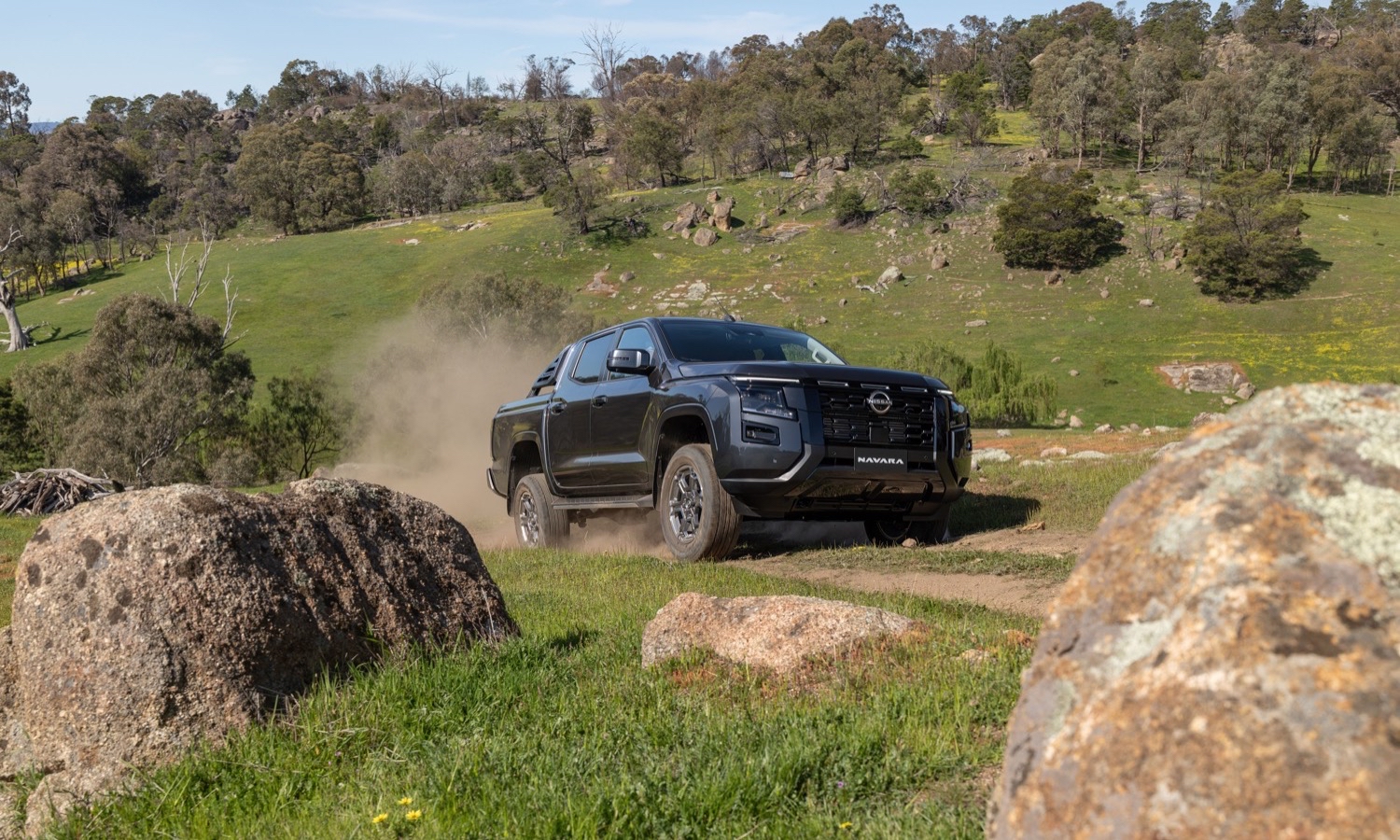
Looking ahead, production of the Nissan Navara at Rosslyn will cease in May . This pickup, which was the only model currently being assembled at the South African plant, was manufactured for both the local market and for export to various countries across the African continent.
Employment and supplier network: continuity under the Chery Auto umbrella

One of the key aspects of the agreement is its impact on the workforce. Most of the workers associated with the Nissan plant will receive job offers from Chery SA , with working conditions considered similar to their current ones. The aim is to minimize the social impact of the change in ownership and preserve the industrial fabric built around Rosslyn.
In a statement released by the company, Jordi Vila, president of Nissan Africa , emphasized that the decision was made after a thorough analysis of the plant's viability: “We sought a responsible alternative that protects our employees, customers, and strategic partners. External factors have significantly impacted the utilization of the Rosslyn plant, but this agreement guarantees job security and keeps opportunities alive for our supplier network.”
Vila, who began his career at Nissan in Barcelona, emphasized that the acquisition will allow the facilities to continue contributing to the development of the South African automotive sector , albeit under Chery's new management. This aims to avoid the complete closure that occurred at other plants of the brand in the past.
Why Nissan is divesting itself of Rosslyn…
The Japanese company explained that the sale is due to “external factors” that have had a clear impact on the plant's utilization and its future viability within the group . These factors include both the economic and regulatory environment in South Africa and the reconfiguration of Nissan's global industrial network, which is undergoing an adjustment process after several years of inconsistent results.
The withdrawal from local manufacturing is part of a global restructuring plan that includes the closure or consolidation of seven factories in various countries , including facilities in Argentina, Japan, India, and Mexico. Overall, the group expects to cut approximately 20.000 jobs worldwide, with the aim of concentrating investments in plants and markets it considers strategic.
In the specific case of South Africa, the context hasn't helped either. Since the end of NP200 production in 2023, Nissan has lost ground in a key segment of the local market . At the same time, the brand has faced intense competition in the pickup and commercial vehicle sector, where models like the Toyota Hilux , Ford Ranger , and Isuzu D-Max regularly occupy top sales positions.
Nissan maintains its commercial presence and is preparing new launches…
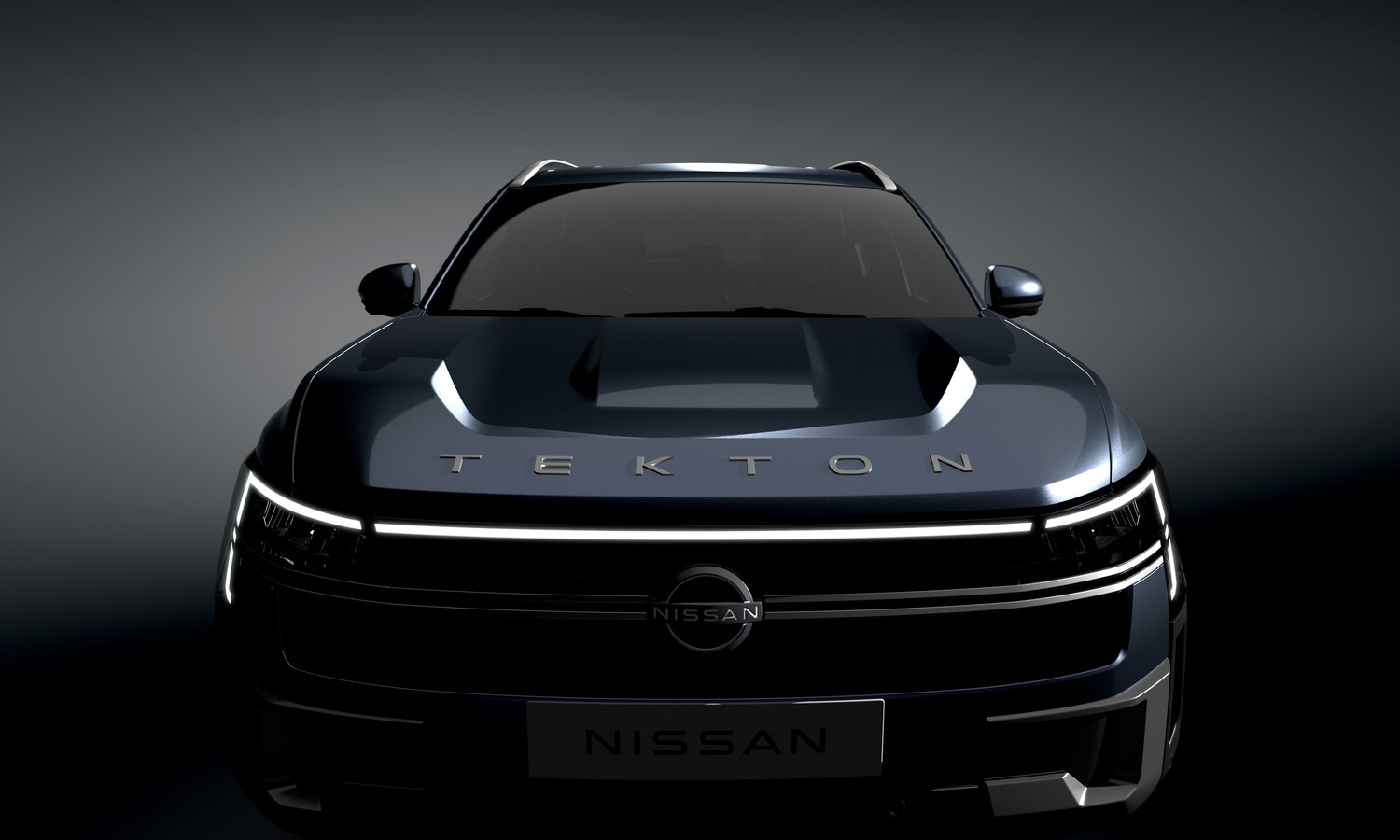
Despite the sale of its industrial assets, Nissan will not abandon the South African market . The company has confirmed that it will continue operating in the country through imports, maintaining its sales and after-sales service network to serve current and future customers.
In fact, the company has several new model launches planned for fiscal year 2026. Among them are the Nissan Tekton and the Nissan Patrol, two products with which the brand aims to strengthen its position in high-value-added segments, albeit without local production support. This strategy, based on importing rather than manufacturing in the country, seeks to maintain the Japanese brand's presence without assuming the fixed costs of its own plant in an uncertain environment.
Chery gains ground in Africa: a long-term industrial bet…
For Chery, China's third-largest automaker by volume and one of the country's major vehicle exporters , the acquisition of Rosslyn represents another step in its industrial expansion outside of China. The company had been exploring options for production in South Africa for some time, including purchasing an existing factory, forming an alliance with another manufacturer, or building a new plant from scratch (a greenfield facility).
By securing existing facilities, Chery is accelerating its production expansion in Africa and gaining a base from which to serve both the South African market and potential export destinations on the continent. Although the local subsidiary has been cautious in its public comments, the move aligns with the group's stated strategy: to have production centers on every continent to reduce dependence on exports from China.
The Rosslyn operation is part of a pattern already seen in other markets, taking advantage of plants that traditional manufacturers no longer consider strategic . This approach allows Chery to save time and resources compared to building factories from scratch, while simultaneously positioning itself as an alternative that maintains employment and industry where other players are withdrawing.
The parallels with Barcelona and Chery's European strategy…
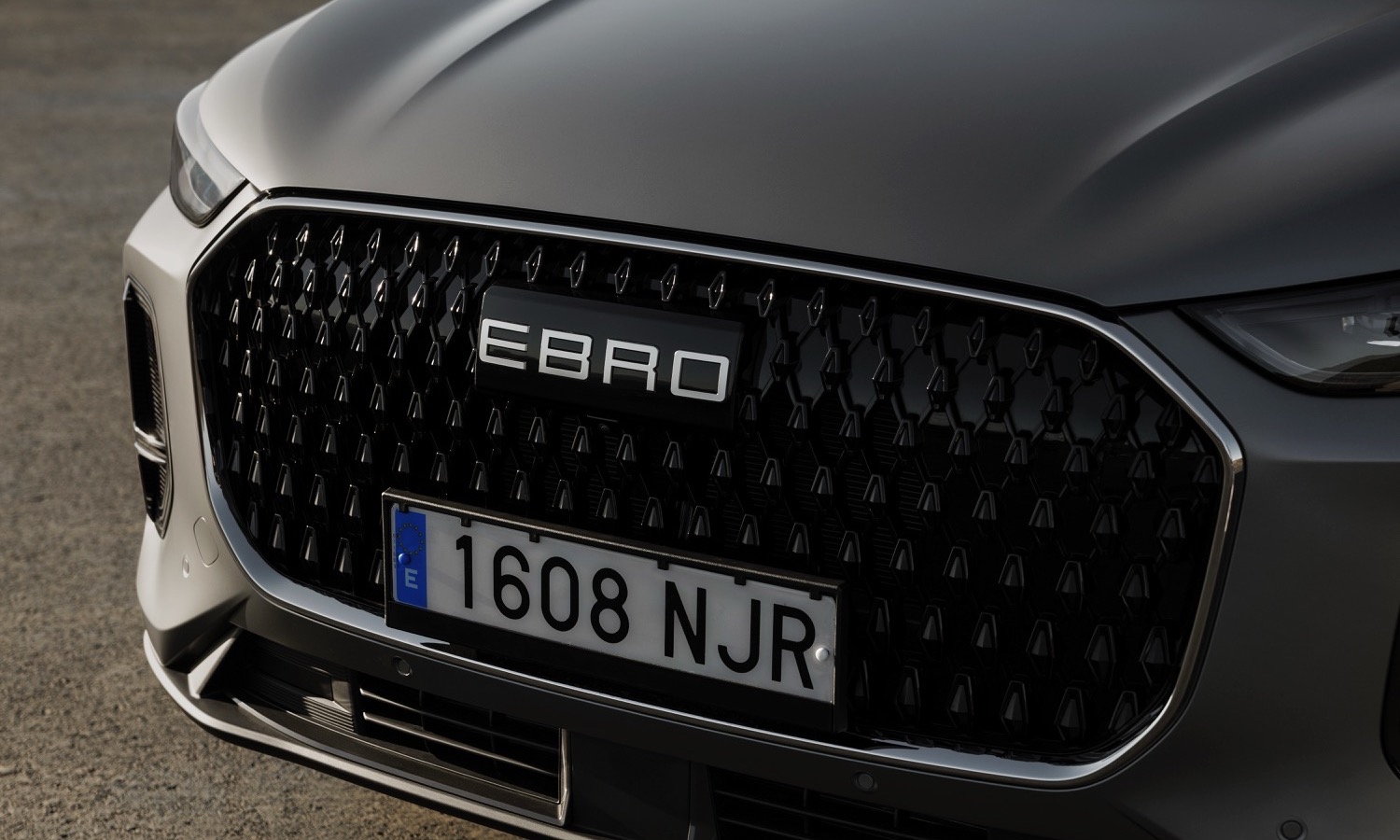
The South African case bears numerous similarities to what happened at the former Nissan plant in Barcelona . There, the closure announced by the Japanese manufacturer opened the door to a new industrial project driven by Ebro EV Motors, in which Chery has joined as a key partner to assemble vehicles and utilize part of the installed capacity.
In Barcelona, the Chinese conglomerate assembles modular vehicles alongside Ebro , initially prioritizing the Spanish brand's models. Ebro has already configured a range of four SUVs (S400, S700, S800, and S900), while Chery is preparing to launch several models from its Omoda and Jaecoo brands once production stabilizes. This shared focus has led to some adjustments in the timeline, with delays in the start of production for certain Chery models in Spain to allow time for Ebro's launch.

Beyond production, Chery has chosen Barcelona as its European headquarters , reinforcing the city's and Spain's importance in the group's strategy. From this base, the company coordinates its commercial expansion and potential growth in industrial capacity within the European Union, where it is considering acquiring a new plant in another EU member state.
In parallel, the Chinese group has announced the arrival in Spain of its premium brand Lepas , scheduled for the second quarter of 2026. With this offensive, Chery seeks to cover different price and positioning levels within the European market, from more generalist proposals to products with a more exclusive focus.
Impact for Spain and Europe: an industrial landscape undergoing profound change…
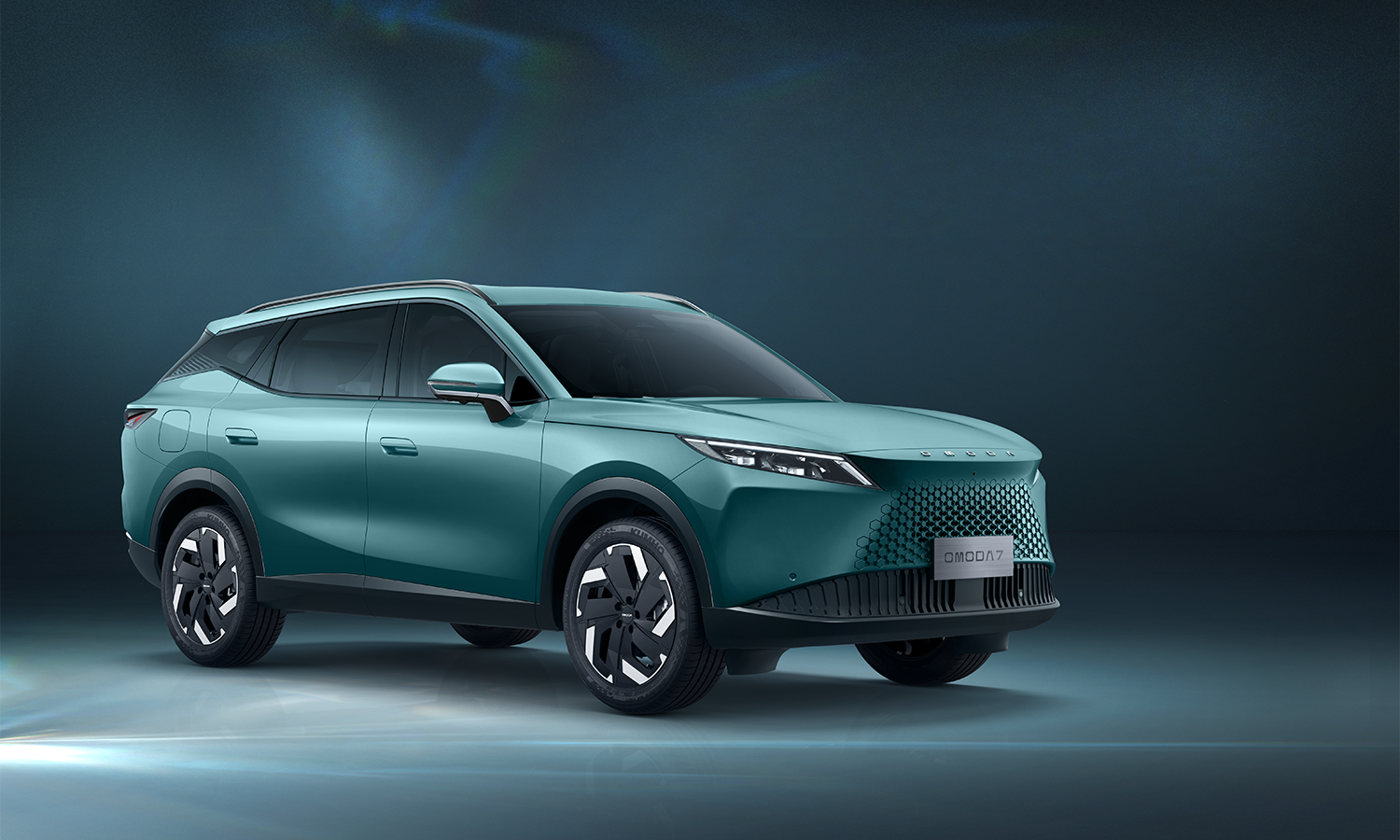
The sale of Rosslyn and the repurposing of the former Nissan factory in Barcelona illustrate a similar European industrial phenomenon. Traditional manufacturers are relocating production and downsizing. Nissan is concentrating resources and focusing on selective imports. Meanwhile, groups like Chery are leveraging existing assets to gain a rapid foothold. This process intensifies the debate about Chinese manufacturers in Europe and also reopens questions about strategy and industrial sovereignty.
For Spain and the EU, the scenario has two distinct sides. It can save facilities, supply chains, and industrial jobs . It prevents permanent closures, as happened with the Barcelona plant. However, it requires guaranteeing sustainable projects with sufficient volume. Innovation and adaptation to electrified vehicles are also essential . Without these factors, the risk of dependence increases. That's why it's important to measure real results, beyond mere announcements.
In this context, Barcelona is gaining relevance as an automotive industrial hub . The city combines a production base, a skilled workforce, and access to the European market. This makes it attractive for projects like Chery and Ebro. At the same time, it necessitates adjusting incentives and entry requirements. Nissan's restructuring in Africa and China's expansion fit into the same picture. The future will depend on the competitiveness and stability of each investment.

Table of Contents
- 1 Sale of the Rosslyn plant: what the agreement includes…
- 2 Employment and supplier network: continuity under the Chery Auto umbrella
- 3 Why Nissan is divesting itself of Rosslyn…
- 4 Nissan maintains its commercial presence and is preparing new launches…
- 5 Chery gains ground in Africa: a long-term industrial bet…
- 6 The parallels with Barcelona and Chery's European strategy…
- 7 Impact for Spain and Europe: an industrial landscape undergoing profound change…