

The automotive industry in Mexico is preparing for a significant shift following Nissan 's decision to close two of its most renowned plants in the country . This move is part of the Japanese firm's global restructuring plan in response to economic challenges and profound transformations within the automotive sector. They hope this will help them reduce their already precarious financial situation. Furthermore, this is not the first step they will take in this direction.
Civac, in Morelos, and COMPAS, in Aguascalientes, will cease operations as part of Nissan's production network in Mexico . This marks not only the end of a production era but also a reconfiguration of the region's industrial landscape. In any case, the Japanese firm expects to compensate for these closures at other production facilities. Therefore, it is expected that there will be no significant changes to its product lineup for now. The same applies to Infiniti, which is gradually reorganizing its operations in Japan and the US.
Closure of the historic Civac plant…

The Civac plant , located in Jiutepec, Morelos, was inaugurated in 1966 and is considered Nissan's first factory outside of Japan . Since its opening, it has been a key player in the brand's expansion in Latin America. There, the company manufactured iconic models such as the Tsuru (V16) , Sentra , D21/Terrano , and NV200 (the iconic New York City taxi). Today, it assembles the Navara/Frontier . With a historical capacity of up to 160.000 vehicles per year , in 2024 it only managed to produce approximately 80.000 units.

This poor performance reflects its loss of competitiveness and its limitation to producing only models for the Latin American market. The definitive closure of Civac is scheduled for March 2027 , marking the end of a trajectory spanning more than six decades, during which the plant manufactured over six million vehicles and became a benchmark for both job creation and industrial growth in the region.
COMPAS: A joint project that fell short of expectations…
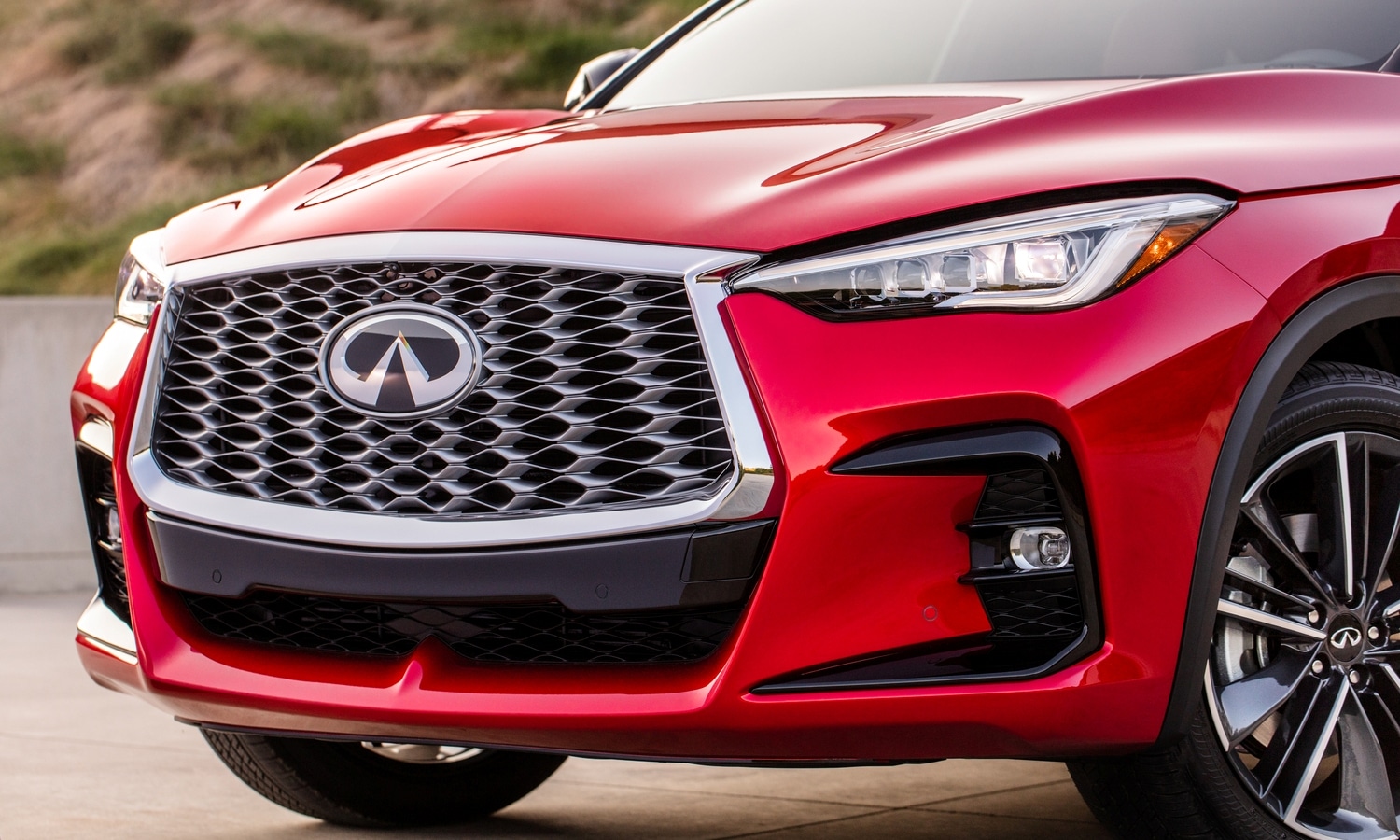
The COMPAS (Cooperation Manufacturing Plant Aguascalientes) plant began construction in 2015 as an ambitious joint venture between Nissan , Infiniti, and Mercedes-Benz , with the intention of supplying the US market with premium and luxury vehicles. Models such as the Mercedes-Benz A-Class , GLA , and GLB , as well as the Infiniti QX30 , QX50, and QX55 , rolled off its production lines . However, the imposition of US tariffs and lower-than-expected demand negatively impacted the plant's economic viability.

Regarding the closure schedule, Infiniti will end production of the QX50 and QX55 by the end of 2025 , while Mercedes-Benz will conclude manufacturing the GLB in the first quarter of 2026. Thus, COMPAS will complete a decade of operation without reaching its intended production volume, despite having an installed annual capacity of over 200.000 units.
Motivations and relocations within Nissan's plan
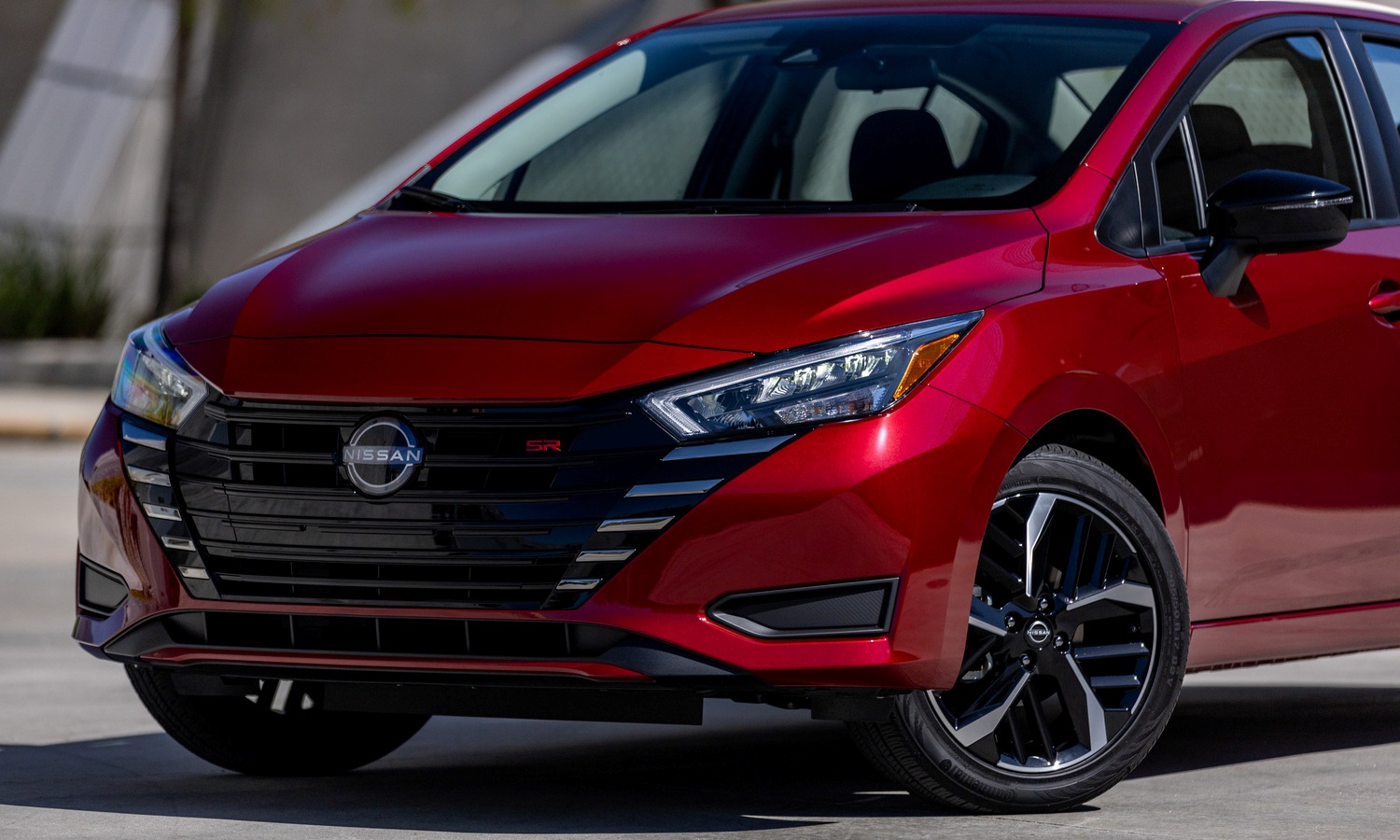
Nissan's restructuring is part of a global reduction in its production capacity , aiming to decrease its number of plants worldwide from 17 to 10 and reduce its annual manufacturing volume by 30%. The company has seen a nearly 40% drop in global sales compared to pre-pandemic years and is facing one of its biggest financial crises in decades, with losses in the millions and workforce reductions on an international scale.

Production currently taking place in Civac will be transferred to the Aguascalientes plants , which are more modernized and more efficiently utilize resources. AutoForecast Solutions estimates that these facilities are operating at 79% capacity, allowing them to absorb the displaced manufacturing without difficulty. On the other hand, although Nissan has not announced the sale of its Civac facilities, Chinese manufacturers such as BYD and SAIC could leverage the existing infrastructure to expand their industrial capacity in the US.
Regional impact and outlook…

The closure of Civac and COMPAS represents the end of two emblematic production centers , which were not only key to Nissan's exports and market leadership in Mexico, but also provided skilled employment and were catalysts for technological and industrial development in their respective regions.
As this process unfolds, Nissan reiterates that Mexico will remain a strategic location for the company, and that its presence will continue through its remaining plants in the country. The Japanese automaker assures that it will issue an official statement once the assessments are complete and final decisions are made regarding the future of the affected industrial complexes. We shall see.
Source – Automotive News
Images | nissan

Table of Contents