

Mercedes-Benz 's most recognizable van is facing a significant generational leap. The next Sprinter , slated to debut in 2026, will arrive with substantial changes to its platform, powertrain, connectivity, and design—a move aimed at reinforcing its role in urban delivery and professional transport in Spain and the rest of Europe. In the European market, where operational efficiency and regulations dictate daily life, it will combine new architectures and digital services.
All of this aims to reduce downtime and improve fleet profitability. Far from being a simple facelift, the project reorganizes the offering around two platforms and focuses on zero-emission versions, without abandoning those who still need traditional engines. In this way, Mercedes-Benz acknowledges current demand while paving the way for broader electrification, with features such as the 800V network and remote updates taking center stage.
What's changed in the new generation of the Mercedes-Benz Sprinter…
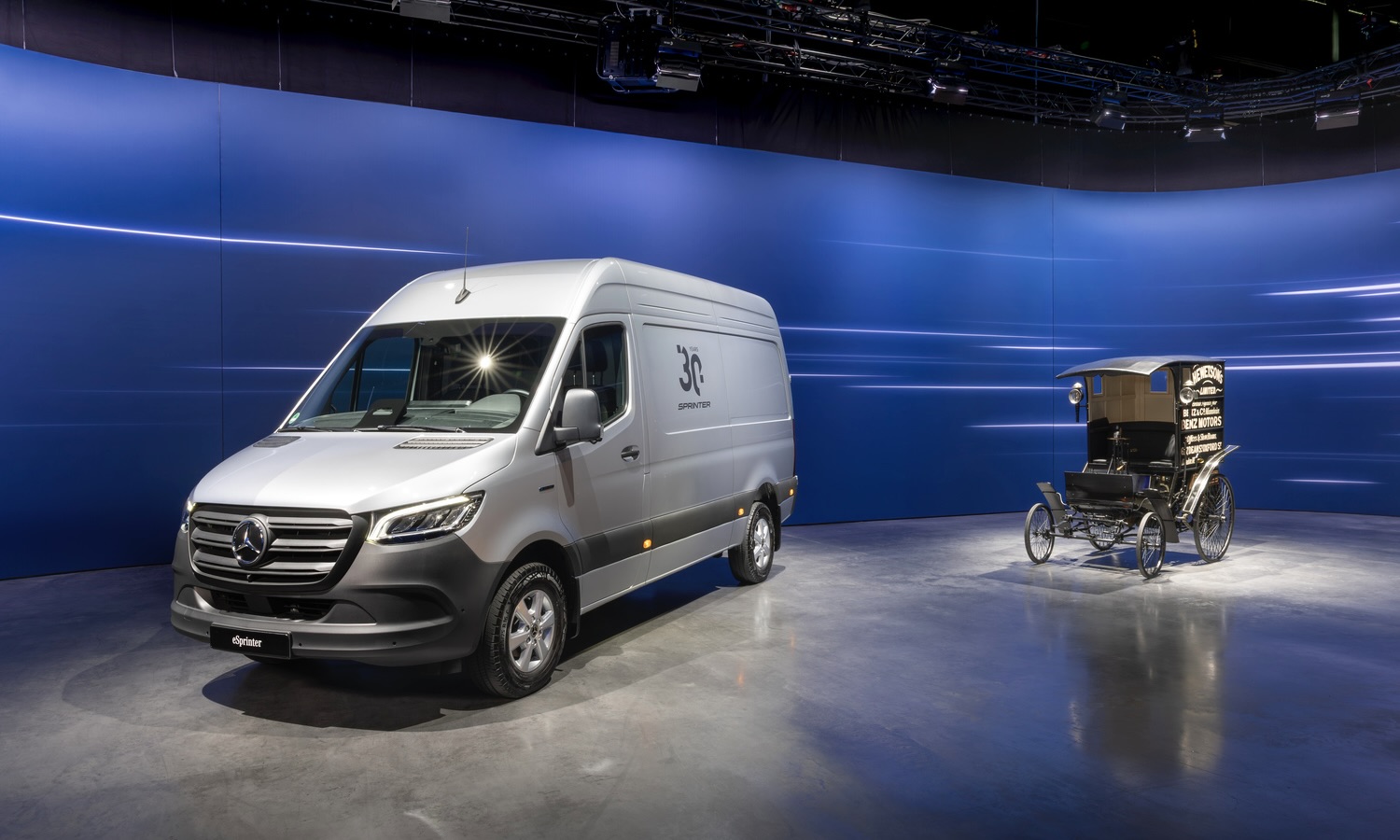
The fourth generation will be based on two platforms: VAN.EA (Van Electric Architecture) for the all-electric variants and VAN.CA (Van Combustion Architecture) for the combustion engine versions. Both will share around 70% of their components, a strategy that should keep production costs down and facilitate a wide range of configurations for work and passengers.

Mercedes-Benz considered an exclusively electric vehicle lineup, but has opted for a more flexible transition given the slower-than-expected growth of the electric vehicle market. Thanks to this modularity, there will be greater differentiation between commercial uses (van, chassis cab, platform, tipper) and passenger transport, even for the Sprinter in its MPV and minibus variants.
800V and faster charging…
The most significant technical leap in the electric versions will be the adoption of an 800-volt architecture , similar to that seen in other recent models from the brand. This system allows for considerably higher charging power, with shorter charging times on highways for long journeys. As a preview, a prototype of the future model lineup traveled from Stuttgart to Rome (1.090 km) in approximately 13 hours with only two 15-minute stops.

Although the final figures will depend on homologation and the available charging infrastructure, the objective is clear: to minimize waiting times and maximize the vehicle's overall availability for daily work. Furthermore, the next Sprinter will offer rear-axle steering as an option. This solution facilitates maneuvering in narrow streets, reduces the turning radius, and improves stability when the vehicle is loaded—all highly useful features in European urban environments.
Software and connectivity: MB.OS…
In terms of digital features, the van will fully adopt the Mercedes-Benz Operating System (MB.OS) , a proprietary platform that connects hardware and cloud services using a chip-to-cloud architecture. The system precisely controls sensors and actuators, encompassing everything from infotainment and comfort to cargo management.
Over-the-air ( OTA) updates will keep the vehicle up-to-date without requiring a visit to the workshop, while third-party app integration will allow access to fleet management software directly from the screen. Among the company's own services, telematics tools such as the Van Uptime Monitor proactive diagnostic system stand out , designed to anticipate issues and improve vehicle availability.
Design: clues from 'The Boulder'

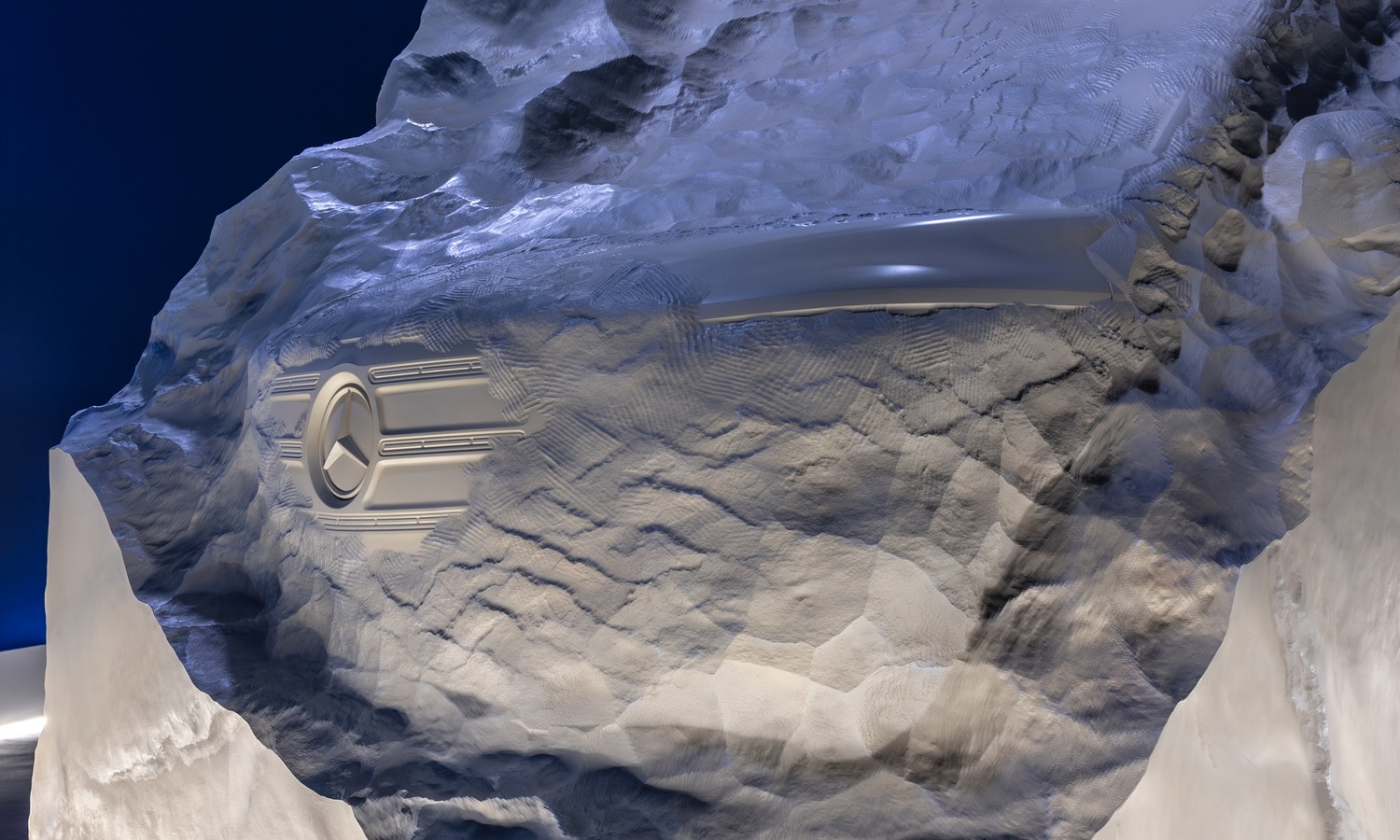
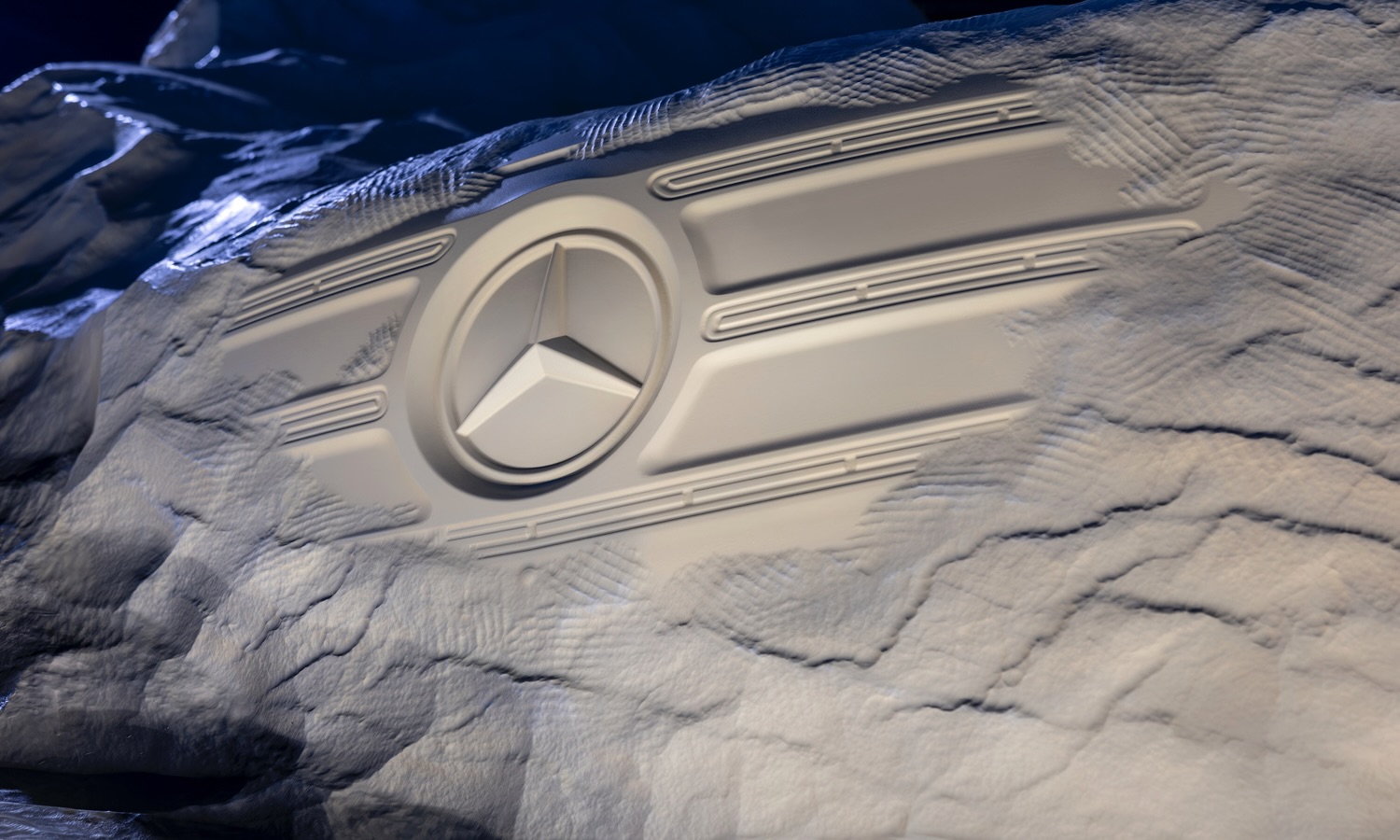
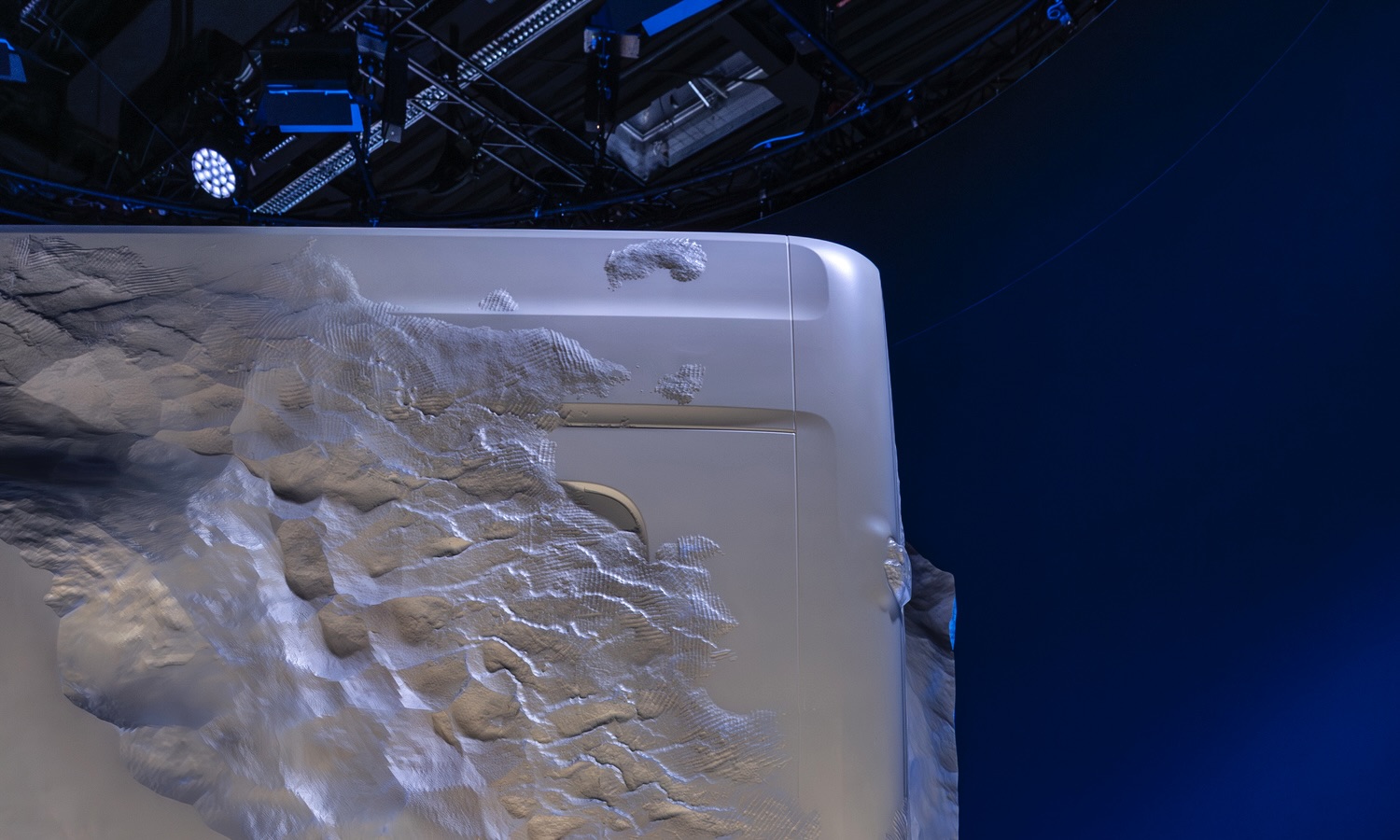
Mercedes-Benz has revealed the first design cues through a stone sculpture nicknamed 'The Boulder' (6,50 m long, 2,75 m wide, and 2,50 m high). This block hints at several elements of the upcoming Sprinter, such as a more prominent grille , a long, low hood, and a more squared-off cargo volume, all with a functional and robust design.

The less steeply raked, more truck-like front end suggests classic front-engine proportions and could leave room for a small storage compartment at the front, a possible frunk made possible by the new rear-wheel-drive architecture in electric vehicles. A closed-door presentation showcased an interior concept with screens, futuristic air vents, and multiple storage compartments, although the final details will depend on the production model.
Range and variants for professionals and passengers…
The Sprinter will continue to be offered in multiple lengths, heights, and maximum weights, with factory solutions ranging from panel vans to flatbeds and tippers. Adaptations for passenger transport, shuttle services, reduced mobility, and camper conversions are also planned.
In parallel, the brand is preparing two passenger-focused derivatives as part of its 'Grand Limousines' strategy. The VLE, successor to the V-Class, which will arrive first, will prioritize comfort and space, while the VLS will be positioned above it as a more luxurious option. Following the VLE's debut, the electric commercial variants based on the VAN.EA platform will be rolled out gradually.
Safety and legacy: from pioneer to benchmark…
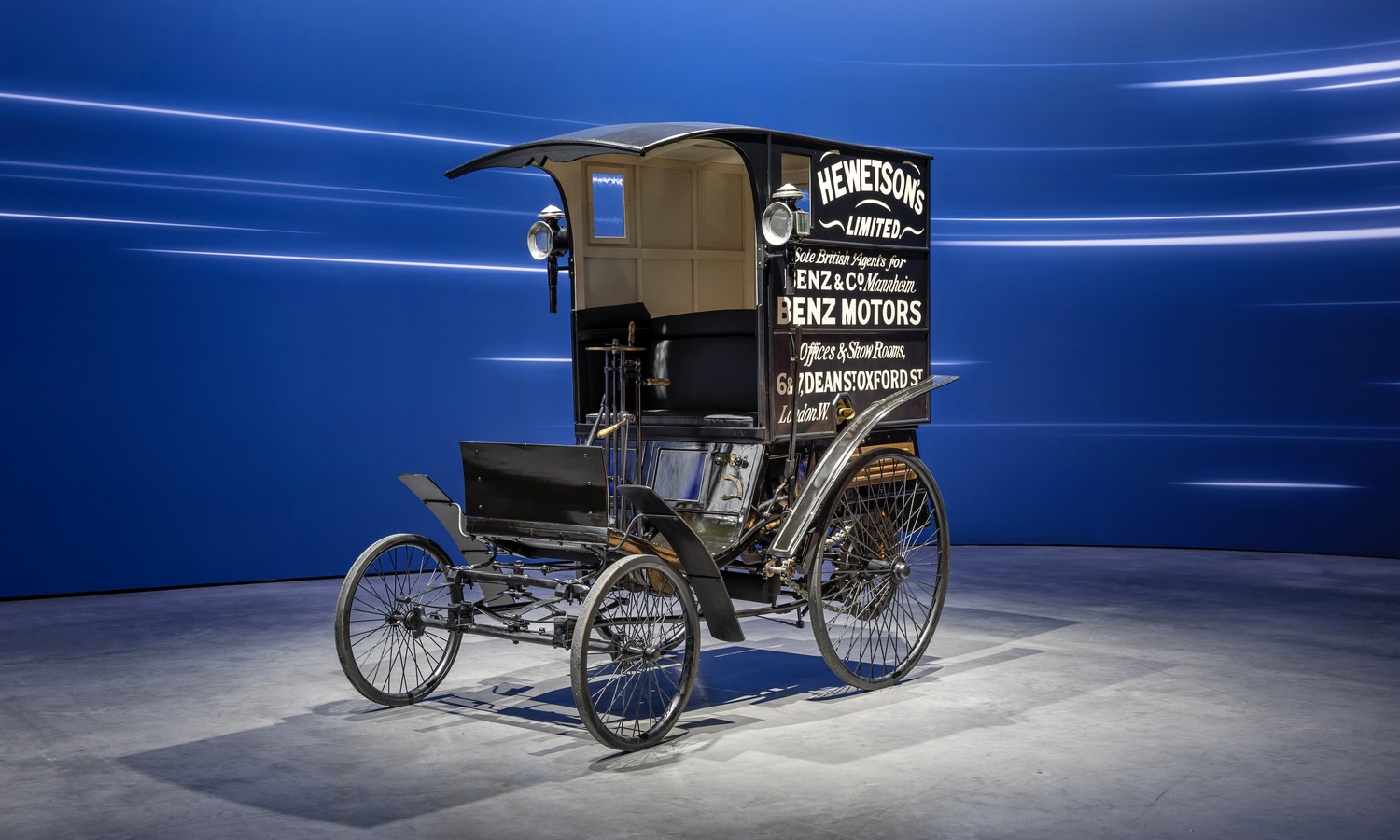
The Sprinter was the first Mercedes-Benz van to adopt its own name and also one of the first to bring passenger car technologies to the professional world: four-wheel disc brakes, ABS, specific seatbelts, and a driver's airbag, among others. A major update in 2000 added side curtain airbags and, later, stability control.
The second generation, launched in 2006, debuted a new look and a wide range of sizes with three wheelbases, four lengths, and three heights , with a maximum authorized mass (MAM) of 3.000 to 5.000 kg. The third generation, presented in 2018, added advanced connectivity and, since 2019, 100% electric versions; in 2024, the BEVs switched from front-wheel drive to rear-wheel drive, gaining efficiency and improving load handling.
Calendar and future roadmap…
The fourth generation is slated for 2026, with a strategy that prioritizes electric variants but maintains combustion engine options to support the transition. The VLE will launch first on the VAN.EA platform, and a few months later, electric commercial vehicles will begin to be incorporated; in parallel, the VAN.CA architecture will serve the needs of those who still require internal combustion engines.
Source – Mercedes-Benz
Images | Mercedes-Benz


















Table of Contents