

Hyundai unveiled the fifth generation of its Tucson in New York, a model that has become a cornerstone of the Korean brand. This isn't just a superficial update: the new generation represents a complete overhaul and adopts a design approach that bears little resemblance to what we've seen before. The event took place on October 1st and was streamed live on the brand's official channels.
Since its debut in 2004, this compact SUV has surpassed 11 million registrations worldwide, so expectations were high. Hyundai has opted to break with tradition and implement a design language called Art of Steel, in addition to completely redesigning the interior and powertrain options. Below, we review the key features of the new 2027 Hyundai Tucson , which aims to remain a benchmark in its segment.

Exterior design: muscle and a new identity
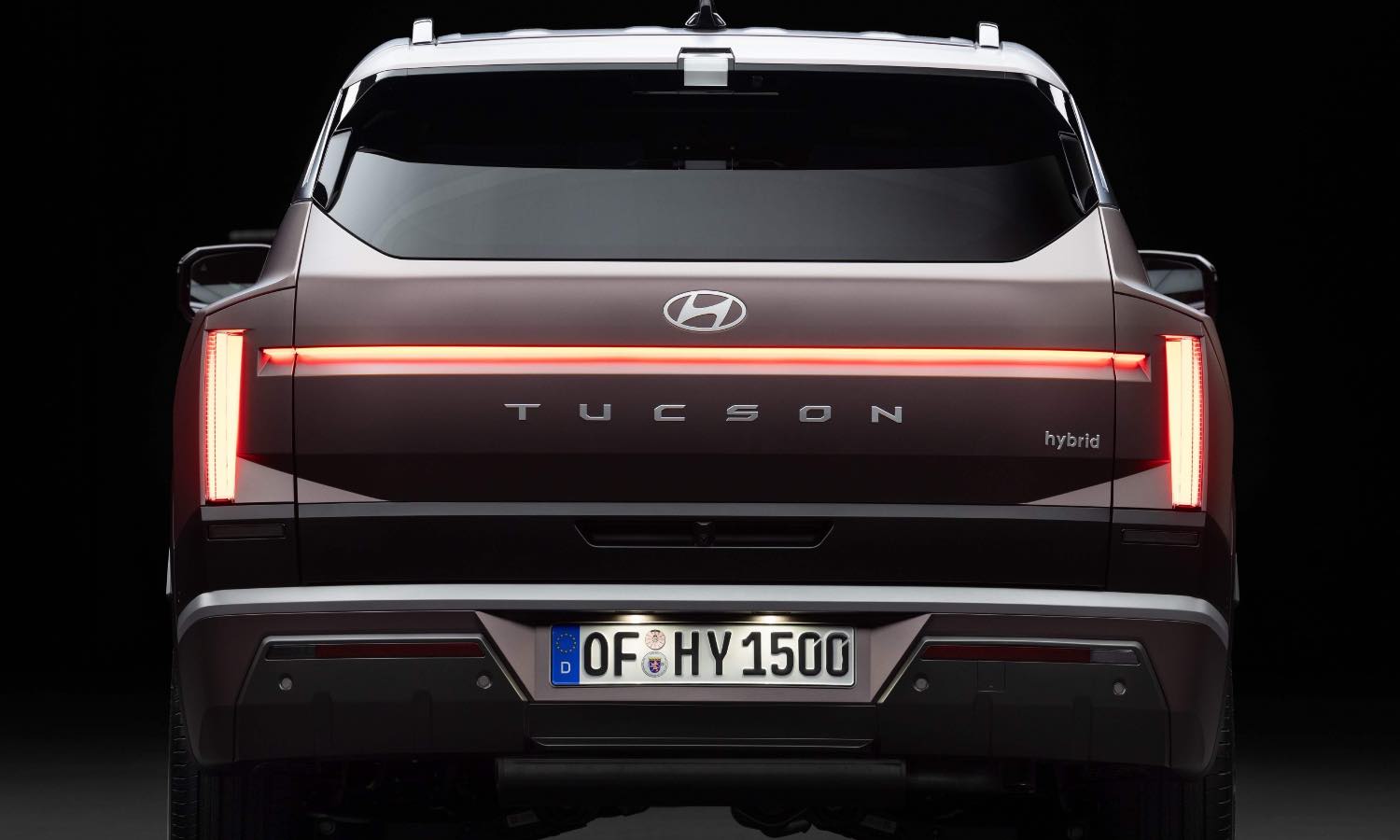
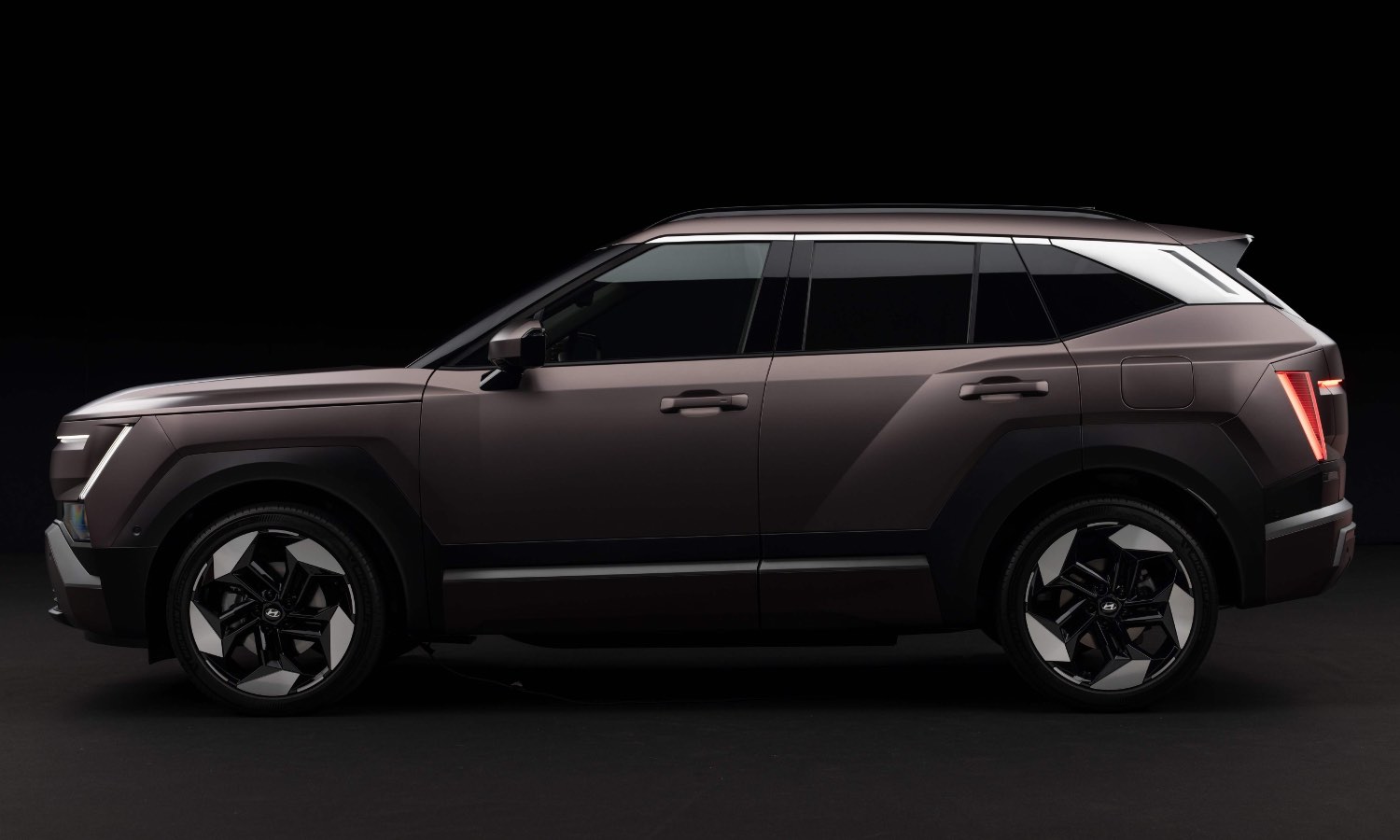
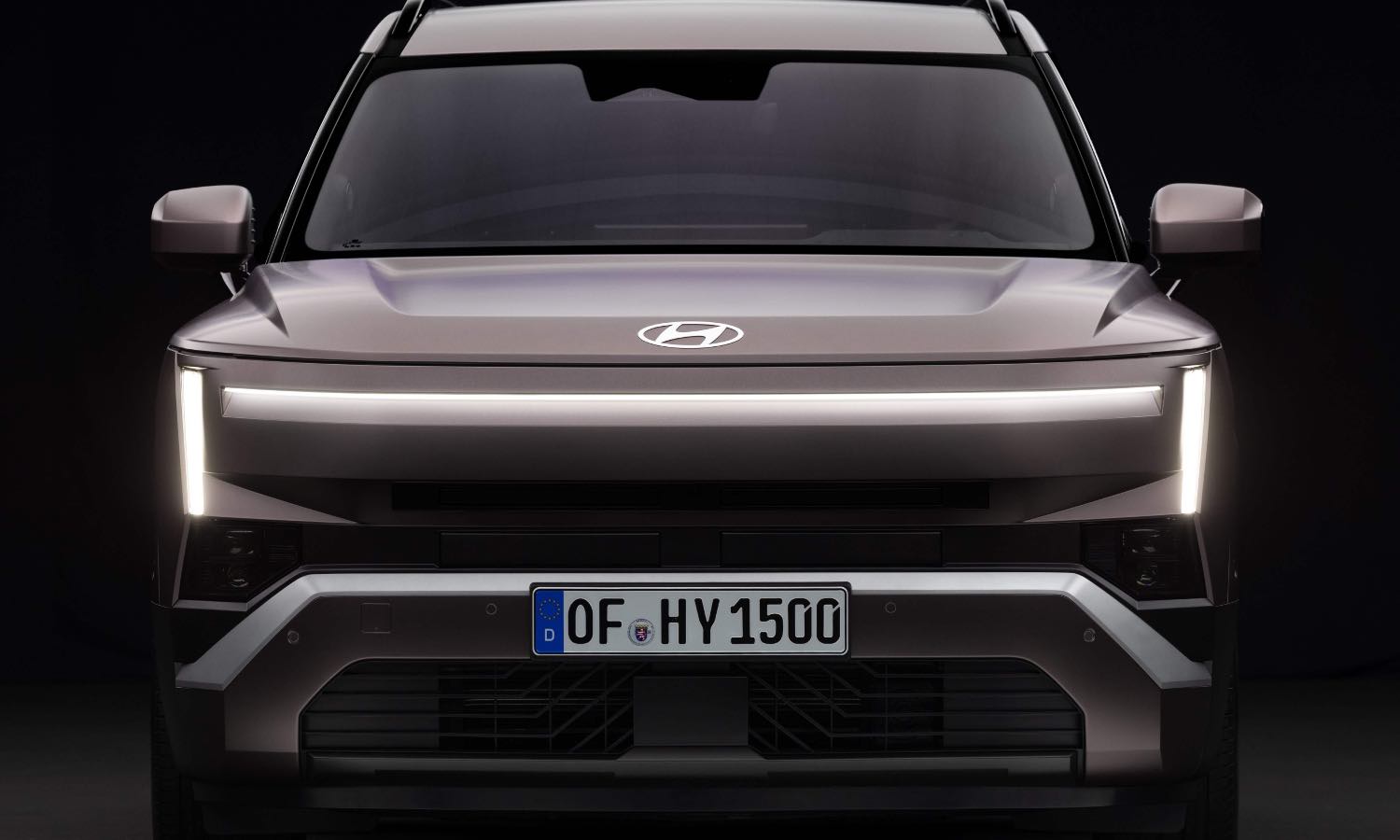
The first thing that strikes you is that the Tucson no longer resembles its predecessor . The rounded lines have given way to more sculpted surfaces, with pronounced creases and widened wheel arches. The front end features the new H-Edge lighting signature, while the rear uses Prism Rear Lamps. Furthermore, some versions will be available with Micro Pixel Lighting, a technology that integrates 25.600 individual LED pixels capable of creating different animations and patterns. The headlights use indirect light, projected onto the bodywork, which softens the beam and prevents unnecessary glare.
In terms of dimensions, the car has grown in every direction . The long-wheelbase version measures 4,70 meters long, 1,905 meters wide, and 1,685 meters high, with a wheelbase of 2,785 meters. This represents an increase of approximately 6 centimeters in length, 4 centimeters in width, 2 centimeters in height, and a 3-centimeter increase in wheelbase compared to the outgoing model. Ground clearance remains at 7,1 inches for the standard trims, while the XRT Pro variant increases that figure to 8,3 inches and adds all-terrain tires, recovery hooks, and all-wheel drive.
Interior: technology without sacrificing buttons
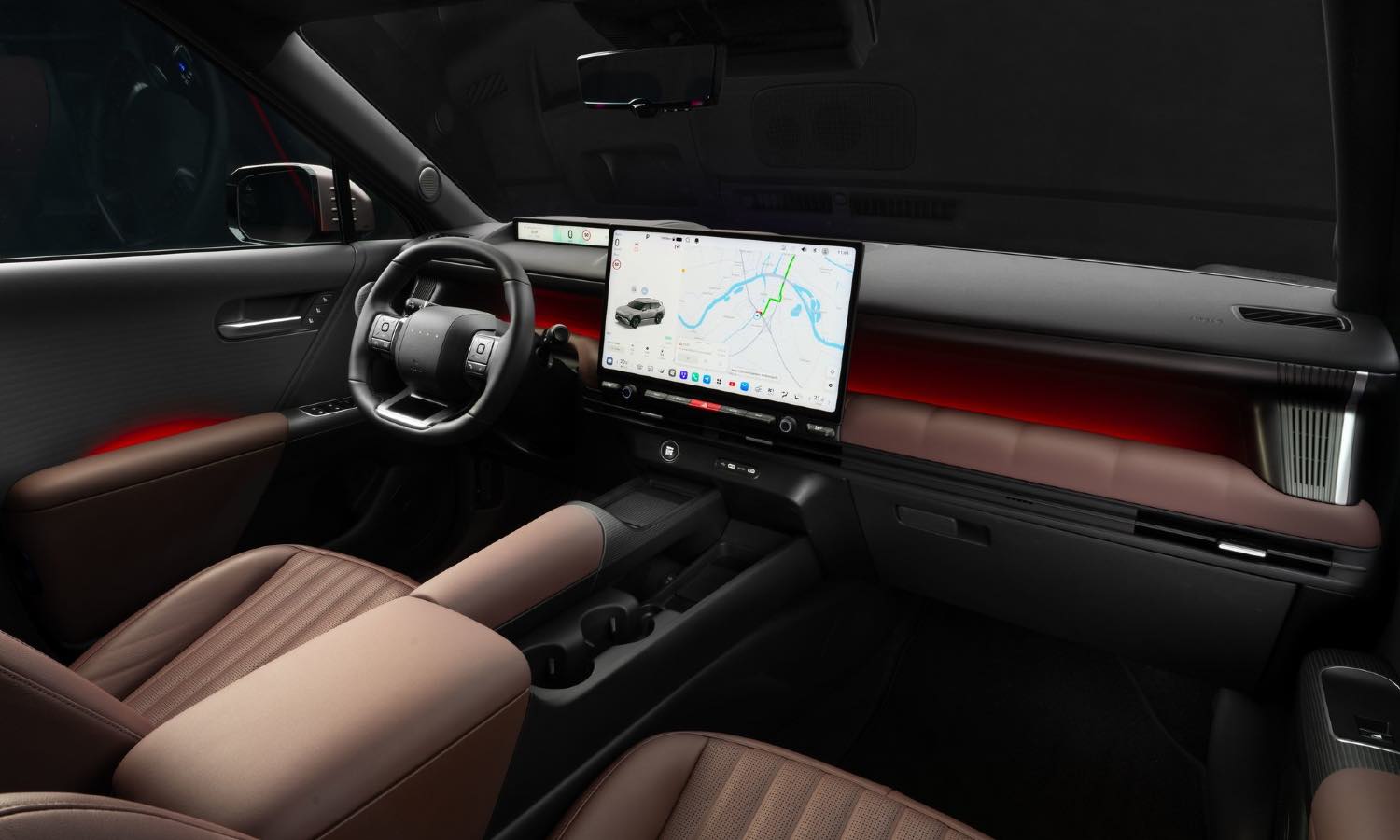
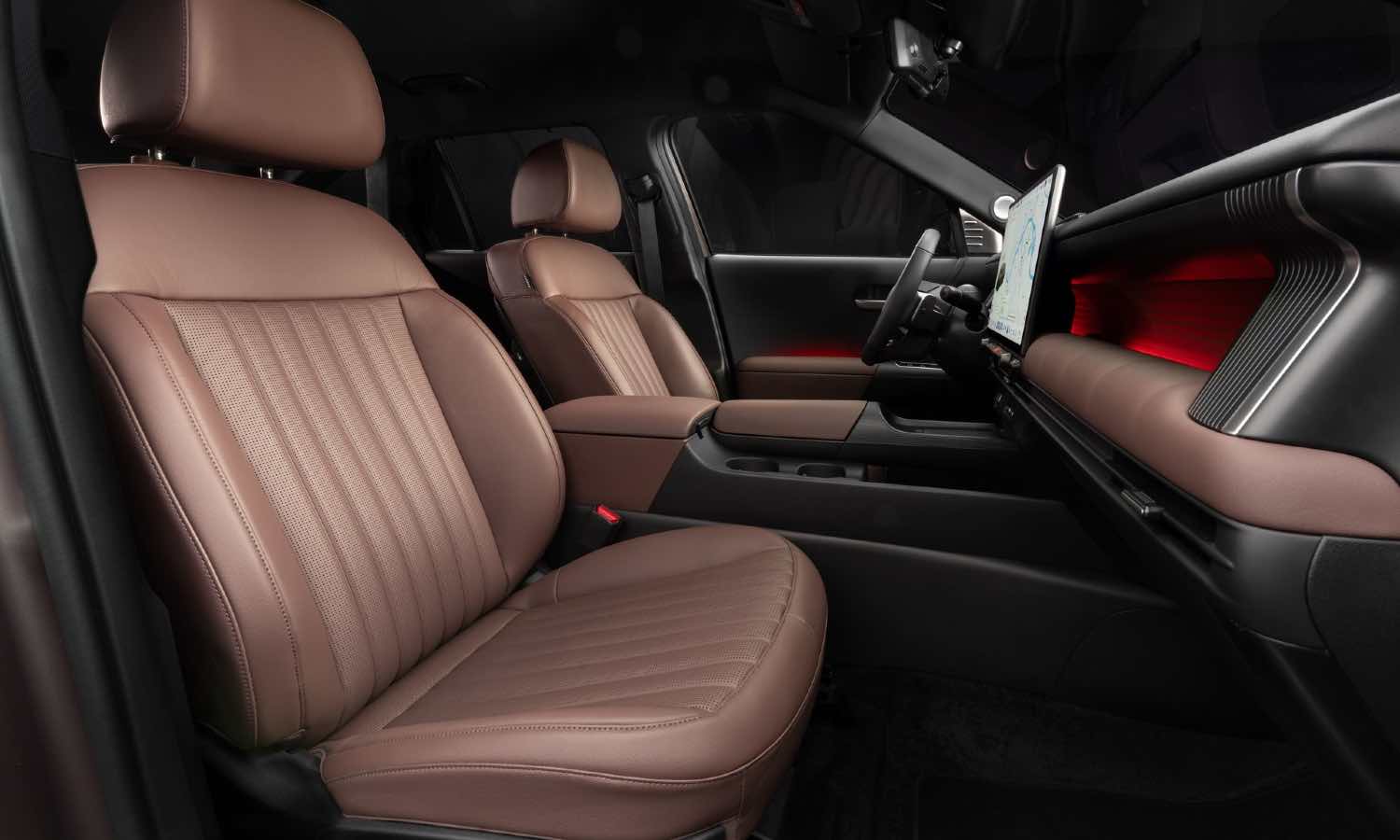
The interior is probably where the leap forward is most noticeable. Hyundai has designed a two-tiered dashboard based on the Curve of Upholstery concept, with soft-touch surfaces and a lower storage compartment. The digital instrument cluster is a slim 9,9-inch screen located near the windshield, while the central screen can be either 12,9 or 17 inches depending on the trim level. The system, called Pleos Connect, is based on Android Automotive and allows for a customizable interface with up to three information windows.

Despite the large screens, the climate and audio controls remain physical . This design choice aims to reduce distractions while driving. There are also two 15-watt wireless chargers, USB-C ports up to 100 watts, and an electronic gear selector on the steering column.
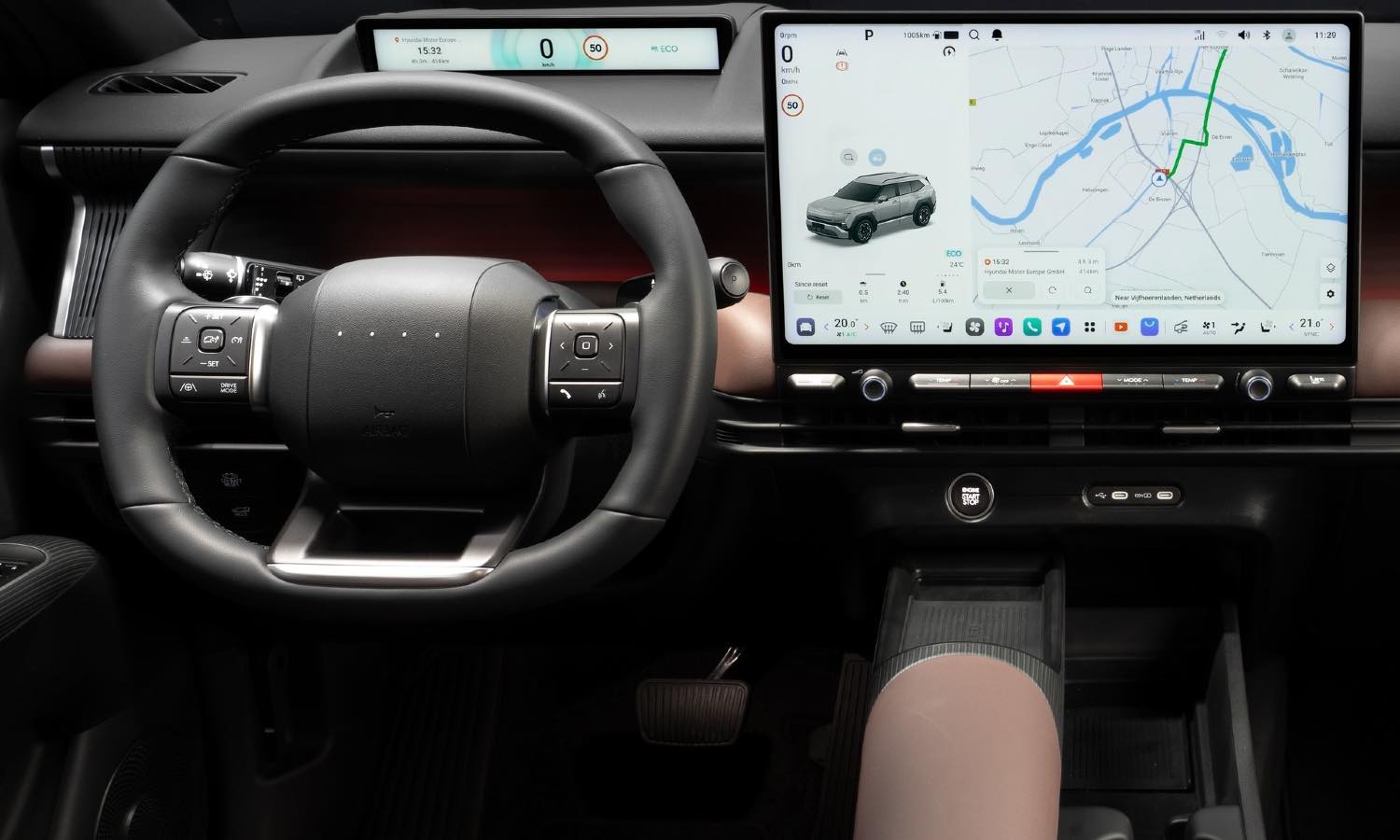
Artificial intelligence arrives in the form of Gleo AI, an assistant capable of understanding natural language and controlling functions such as the navigation system and temperature. The trunk boasts a capacity of 695 liters in its normal configuration and up to 1.067 liters with the seats folded down.
Engines: electrification for all tastes
The engine range is extensive, combining conventional and electrified options. The entry-level engine is a 1.6-liter turbocharged gasoline engine that produces 150 hp in Europe, also available with a 48-volt mild hybrid system. Above this are the hybrid variants, with power outputs around 233 hp in the North American specification and 238 hp in the European one. The plug-in hybrid (PHEV) version raises the figure to 288-292 hp depending on the market and uses a 17,1 kWh battery.
One of the most frequently mentioned specifications is the electric range of up to 81 kilometers for the PHEV, which also features an integrated 7,2 kW charger. The hybrid versions include HEV Stay mode, which keeps the climate control, audio system, and device charging running even when the combustion engine is off. All variants offer a choice of front-wheel or all-wheel drive, and the hybrids use a six-speed automatic transmission, while the gasoline version has an eight-speed.

Off-road assistance and capabilities
The Hyundai SmartSense safety package is updated with features such as second-generation Forward Collision-Avoidance Assist, Highway Driving Assist 2, and intelligent cruise control that uses navigation to anticipate curves, roundabouts, and intersections. New systems also debut include Memory Reverse Assist , which memorizes the route at low speeds and can manage reversing, and the Ground View Monitor, which provides a bird's-eye view of the surroundings.
The XRT Pro version includes Smart Terrain Assist, a tool that analyzes terrain conditions in real time and recognizes surfaces such as snow, mud, sand, or rock. It also features off-road cruise control that maintains a speed between 2 and 25 km/h, as well as a camera that displays what's under the vehicle. Inside, there's driver monitoring to detect drowsiness or distraction, along with child safety features and rear occupant alerts.
Availability and prices
Hyundai has confirmed that the new Tucson will first arrive in South Korea in late 2026. It will then be rolled out in North America, Europe, and other markets throughout 2027. In Europe, the first units are expected in spring 2027, possibly coinciding with its debut at the Paris Motor Show, although the brand has not officially confirmed this. Pricing has not yet been announced; for reference, the current generation starts at €35.525 in Spain.
The next-generation Tucson represents a complete departure from its predecessors. Its exterior design, tech-packed interior, commitment to electrification, and the arrival of more advanced driver assistance systems create a compact SUV poised to remain a top seller. We'll have to wait until early 2027 to learn the final pricing and see if the package lives up to the hype.


