

When we notice a crack or chip in our windshield, our first thought is to replace the glass and forget about the problem. However, in modern cars, the glass isn't just a barrier against the wind; it's the support for complex technology. Many vehicles have cameras and sensors integrated just behind the rearview mirror that act as the car's eyes, allowing it to understand what's happening around it.
If your windshield is replaced without recalibrating the rearview camera, it's like the car starting to drive with incorrectly prescribed glasses. Even if the new glass looks identical to the old one, any millimeter-level variation in the camera's position can cause the vehicle to misinterpret distances or road signs, turning a safety feature into a potential hazard if it's not properly adjusted according to the manufacturer's manual.
What exactly is ADAS calibration and what is it used for?
Simply put, ADAS calibration is a specialized technical process used to adjust the orientation and angle of the cameras and radar. It's not about adding new features to the car, but rather restoring its original factory accuracy. This adjustment allows the vehicle to accurately recognize lane markings, detect pedestrians and cyclists, and calculate the actual distance to the vehicle ahead.
Without this process, the system can continue to function and not display any alerts on the instrument panel, but its visual references will be distorted . This means the car might think the lane is further to the right than it actually is, or that an obstacle is farther away than it really is, thus negating the effectiveness of the driver assistance systems.
Assistants affected by a poor adjustment
Not all cars react the same way, but systems that rely on forward vision are the most vulnerable. Among the most critical are automatic emergency braking (AEB) , which could react too late or not at all, and lane-keeping assist, which could make unexpected swerves or fail to center the car correctly.
- Adaptive Cruise Control: It may fail to calculate the safe distance.
- Traffic sign recognition: He might misread speed limits or ignore critical signs.
- High beam management: The system could dazzle other drivers by not correctly detecting oncoming headlights.
- Pedestrian detection: Accuracy decreases, increasing the risk of collision in urban environments.
Why does a new lens misalign the camera?
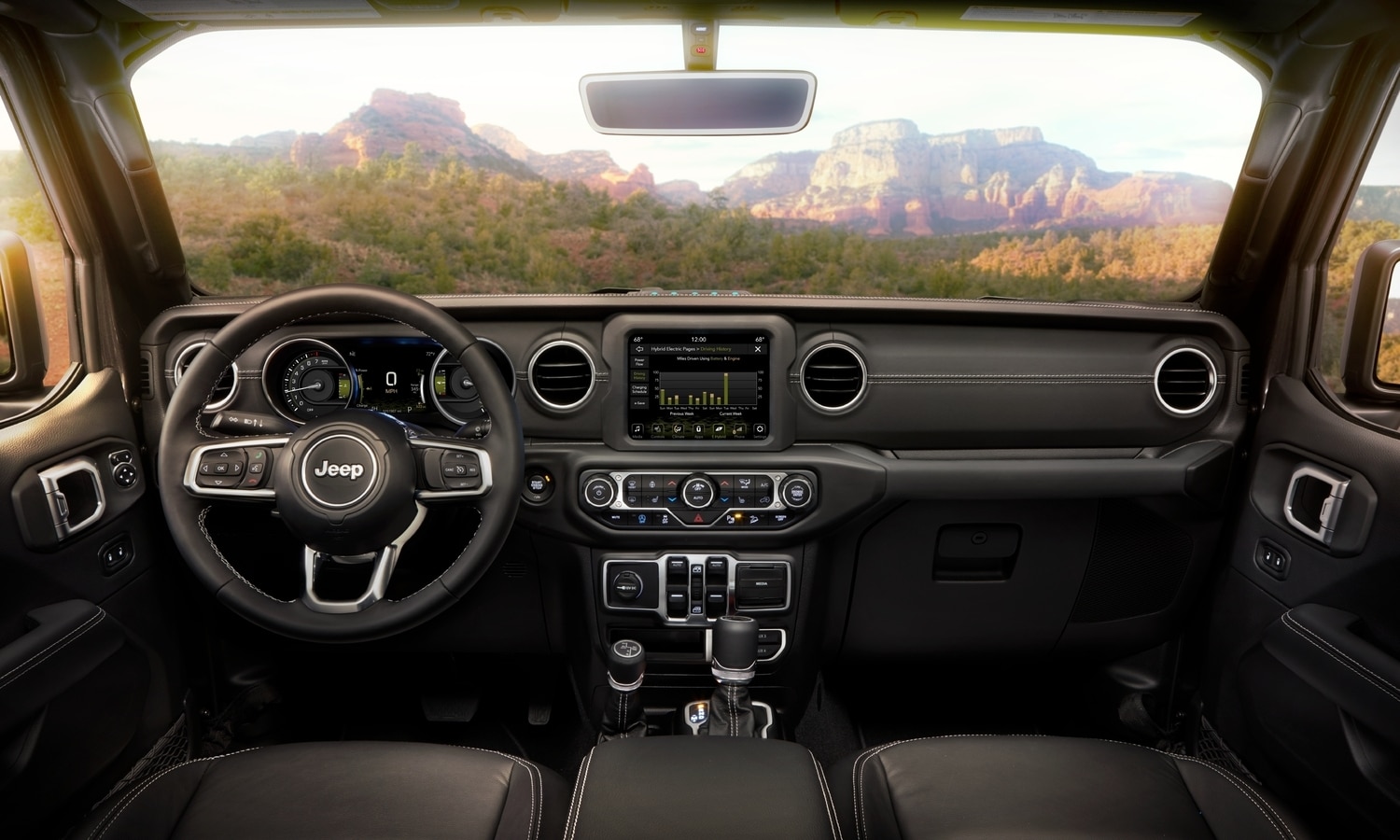
Sometimes we think that if the glass is original or high-quality, nothing should happen. But the reality is that there are optical and physical factors that alter the sensor's view. For example, the curvature of the glass can vary slightly, or the bracket where the camera fits can be displaced by just a few microns during installation.
Furthermore, any air bubbles, adhesive residue, or dirt left in the sensor's reading area can cause distortion. When changing the lens, components are manipulated that must remain in the exact same position as before; otherwise, the optical effect amplifies the error as the camera points toward the horizon, turning a minimal deviation into an error of several meters at long distances.
Calibration methods: Static vs Dynamic
Depending on the make and model, the workshop will use one or more of the following procedures. It is essential that the technician uses up-to-date diagnostic equipment to determine the best course of action.
Static calibration is performed with the car stationary in a controlled environment. Panels with specific patterns and reference targets are placed in front of the vehicle at precise distances and heights. The ground must be perfectly level and the lighting adequate for the system to recognize the patterns without error.
On the other hand, dynamic calibration requires the car to be driven on a real road. The vehicle must travel at a specific speed and on a road with clear and visible markings so that the system can learn and adjust its parameters based on the real-world environment. In some cases, the manufacturer requires combining both methods to ensure maximum safety.
Prerequisites and maintenance
For reliable calibration, the car must be in optimal condition. A car with misaligned wheels or incorrectly inflated tires cannot be calibrated, as this changes the vehicle's ride height and tilt , and therefore the camera's position relative to the road surface.
In addition to tire pressure, it's vital to check the vehicle's load and ensure there are no fault codes stored in the ECU. If the car has a pre-existing electronic fault, the calibration process could fail or be unnecessarily prolonged.
Costs, MOT and advice for used cars
As for the cost, this service typically ranges from €150 to €300 , depending on the system's complexity and the number of sensors. While it may seem like an extra expense, it's an investment in safety, since omitting it leaves emergency braking without reliable references.
Regarding the vehicle inspection (ITV), although they don't usually measure the exact camera angle, any illuminated warning light or obvious fault in a mandatory system could cause a problem during the inspection. Therefore, it's advisable to arrive with the system clear of alerts.
If you're buying a used car, be very careful. If you notice traces of fresh filler around the edges of the windshield or see that the glass markings are different, it may have been replaced. In that case, don't just assume the car "starts fine"; ask for the invoice or calibration report and, if possible, have the car scanned with an OBD scanner to verify that the sensors aren't registering any errors.
Maintaining your vehicle's safety means leaving nothing to chance. From regularly cleaning the area of the windshield where the camera is located to avoiding stickers that obstruct its view, small details make a big difference. Remember that after any work on the windshield, wheel alignment, or even a frontal collision repair, you should confirm that the ADAS system has been checked by a professional to ensure the driver assistance features function exactly as designed.
Table of Contents