

The start of the new era in Formula 1 has not been a bed of roses for Aston Martin and its engine partner, Honda. What promised to be a winning project, with the arrival of Adrian Newey and a dream factory, has run into a harsh reality: the Japanese engine has not lived up to expectations. However, after a first half of the season to forget, the horizon is beginning to clear. The Silverstone-based team and the Japanese manufacturer have worked against the clock to present a significant evolution of the power unit, which will make its debut this weekend at the Dutch Grand Prix.
Expectations were sky-high, but the debut of the AMR26 was a major disappointment. Severe vibrations and reliability issues turned the early stages of the championship into a nightmare. Shintaro Orihara, chief engineer at Honda Racing Corporation (HRC), has been tasked with explaining the problems and, also, the solutions. In a series of interviews, the Japanese engineer revealed that the turning point came in January, when tests at the Circuit de Barcelona-Catalunya showed that performance was far below expectations and that the battery was malfunctioning. This shock forced Honda to choose between power and reliability, sacrificing five months of development to avoid engine failures.

A January to forget and a test in Barcelona that changed everything
Orihara was very clear in explaining the timeline of events. At the end of 2025, the situation didn't seem alarming, but everything quickly took a turn for the worse. The Barcelona test was a shock for the team , as unexpected vibrations were detected after just a few laps, causing a terminal battery failure. "In January, we realized that our performance and reliability wouldn't be competitive," the engineer confessed. This setback not only hampered development but also completely affected the preseason and the start of the championship, where Aston Martin has only managed to score one point thanks to Fernando Alonso in Monaco.
The new technical regulations, with the MGU-K increasing from 120 to 350 kilowatts, the elimination of the MGU-H, and the reduction in fuel flow, have presented a major challenge for all manufacturers. Honda, returning as a factory engine supplier, has been particularly affected by the combination of so many simultaneous changes. "It's difficult to say which component poses the biggest challenge, because everything has changed so much," admitted Orihara, acknowledging that energy management and drivability have suffered considerably.

The Spec 2: three key changes to regain lost ground
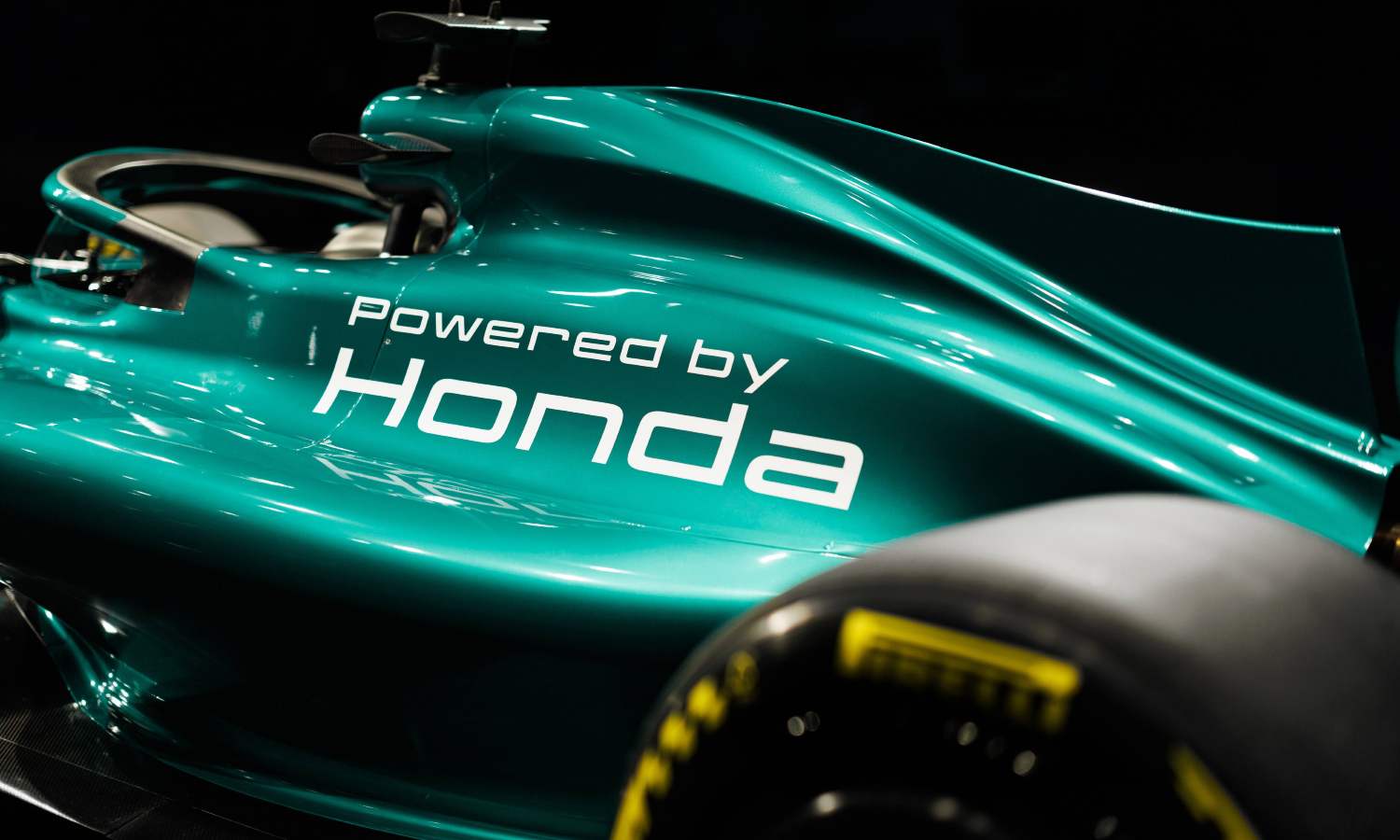
With the aim of reversing the situation, Honda has been working tirelessly at its Sakura factory to develop the second specification of its engine, Spec 2. This new unit, which will debut at Zandvoort, is not a simple update, but a thorough overhaul of the internal components to improve combustion efficiency. Engineers have modified the pre-combustion chamber, the piston shape, and the lubrication systems to accelerate combustion and reduce friction. Orihara, while not wanting to give exact figures, is confident: "We have achieved our internal target, and I have faith in the work of the HRC Sakura Factory team."
The debut of this new engine is not an isolated event. It comes after Aston Martin unveiled a major package of 16 aerodynamic upgrades in Hungary, which, according to Alonso himself, represented "a whole new World Championship for him." The combination of a more competitive chassis and an engine with greater potential has generated a wave of optimism within the team. The first tests of the new engine, carried out during a filming day at the Hungaroring, were positive , and the vibrations that plagued the team for months did not reappear. Now, the question is whether this improvement will translate into a significant leap forward on the track.

Zandvoort, the acid test for the new era
The Dutch Grand Prix presents itself as the perfect stage to see if the Aston Martin-Honda project has turned things around. The Zandvoort circuit, with its banked corners and short straights, will test the traction and grip of the AMR26 , while the new power unit should offer smoother and more consistent power delivery. Orihara has confirmed that the upgrades will focus primarily on the power unit, but that work is also being done on the chassis. "We want to make sure we get a good result at Zandvoort," he stated.
Beyond the immediate result, this second half of the season is crucial for laying the foundations for the future. Honda has brought back engineers with F1 experience, and the young members of the project have gained valuable experience during challenging times. According to Orihara, the team is well-positioned to regain performance and reliability . For Fernando Alonso, who will turn 45, this evolution comes at a pivotal moment. The Spaniard needs a competitive car, and although there is still a long way to go, the direction seems to be the right one. The new era for Aston Martin and Honda is beginning to take its first firm steps, and Zandvoort will be the first test to gauge the reality of a project that promises to generate a lot of buzz.

Table of Contents