

Honda is in the midst of rebuilding its automotive business after a very difficult fiscal year and having to thoroughly review its electric vehicle plans. The Japanese manufacturer has decided to halt its most ambitious roadmap for pure battery electric vehicles and redirect a large part of its resources to the development and sale of hybrid and gasoline models, as well as strengthening its software and driver assistance technologies.
This move doesn't mean Honda is abandoning electric vehicles, but it does acknowledge that, given the current market situation and the associated costs, focusing solely on electric cars isn't realistic in the medium term. The company has admitted it wasn't able to react to industry changes in time and is now redesigning its strategy, prioritizing products that allow it to recover profitability more quickly, especially in key markets like North America, China, and India.
A financial blow that forces Honda to change course…
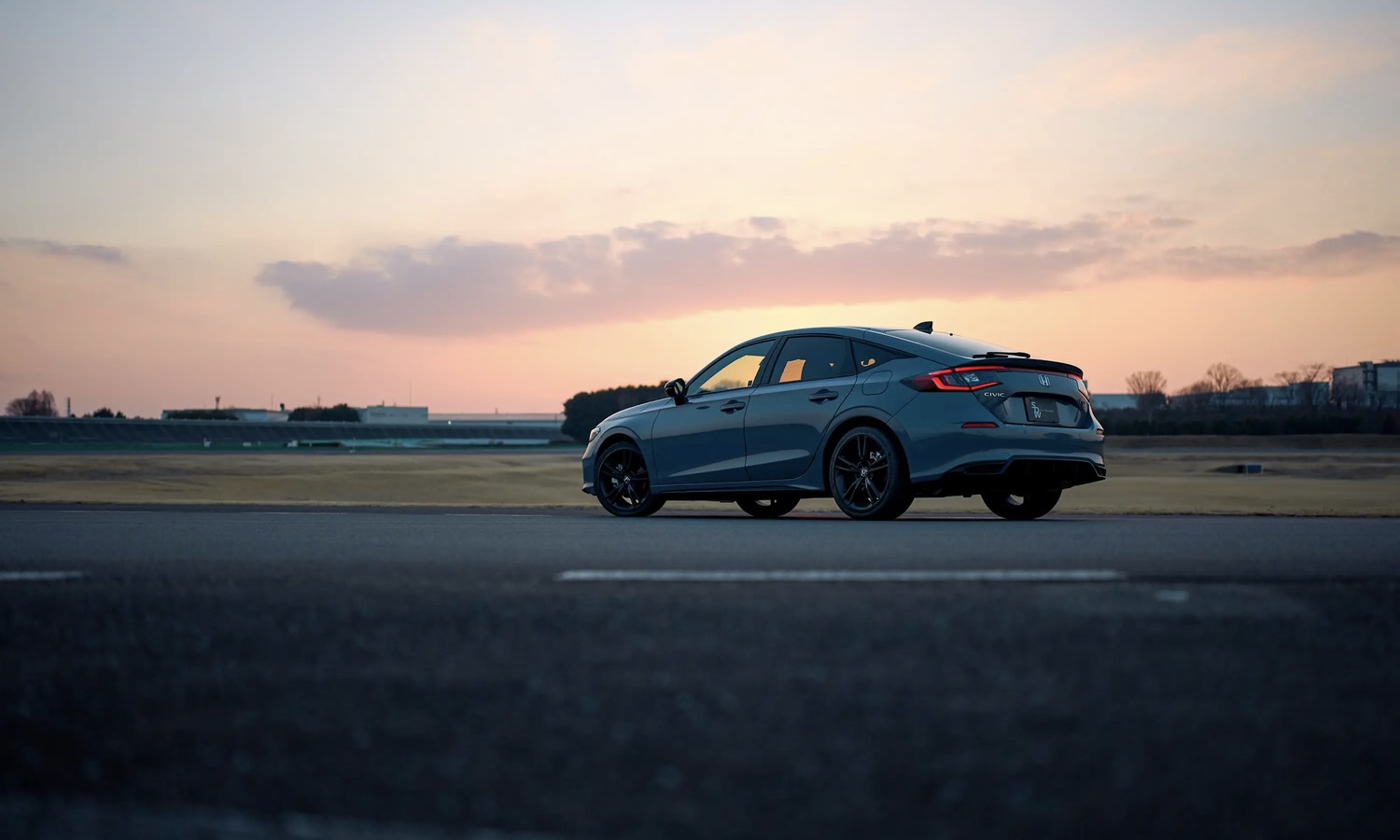
Honda has closed its last fiscal year with record losses of nearly €2.300 billion, an unprecedented negative milestone since its debut on the Japanese stock exchange. This financial setback is primarily due to the cancellation of ambitious electric vehicle projects destined for the North American market, resulting in massive accounting adjustments. The company has had to halt the development of models that were ready for mass production, severely impacting its bottom line and forcing a profound restructuring of its short-term industrial and economic planning.
The magnitude of the accounting adjustment exceeds €6.000 billion due to the discontinuation of flagship vehicles such as the Honda 0 Saloon and the highly anticipated electric SUV . Even collaborative projects like AFEELA have suffered the consequences of this global strategic shift. President Toshihiro Mibe acknowledges that the transition to a completely emission-free range is now unfeasible under the current conditions of the automotive sector. This situation perfectly illustrates the profitability crisis facing traditional manufacturers as they attempt to compete in an extremely volatile and complex sustainable mobility market.

The Japanese giant admits that its goal of exclusively selling fuel cell vehicles by 2040 must be reconsidered given current demand. External factors such as the shift in US environmental policies and pressure from Chinese competitors have forced this new business approach. Now, the brand's priority is to consolidate its hybrid technology to ensure financial viability while stabilizing its international operations. Honda seeks to adapt to an environment where efficiency and cost control are vital to regaining investor confidence.
Where the money is going now: gasoline, hybrids and software: target 2050…
Honda will invest 6,2 trillion yen by March 2029 to strengthen its automotive division and redefine its electrification strategy. Approximately 70% of that amount will be allocated to gasoline and hybrid models , while pure electric vehicles will take a back seat. The Japanese automaker is thus prioritizing technologies with higher profitability and stable demand in key markets such as North America.
Of the total budget, Honda plans to allocate approximately 4,4 trillion yen to internal combustion and hybrid vehicles, 1 trillion yen to software development, and 0,8 trillion yen to exclusively electric projects. This means the company will invest more than five times as much in hybrid vehicles as in battery electric vehicles over the next few years. Even so, the company will continue working on solid-state batteries, dedicated platforms, and new electronic architectures for future electrified models.
Despite this change in focus, Honda remains committed to its goal of achieving carbon neutrality by 2050. The strategy will combine sustainable mobility , hybrids, electric vehicles, and carbon-neutral fuels to reduce CO₂ emissions. According to the company, hybrids will no longer be just a transitional technology, but a key element in balancing profitability, sustainability, and competitiveness within the future automotive industry.
Fifteen new hybrids and a new generation of systems…
Honda is preparing a major hybrid vehicle offensive with the launch of 15 new global models before fiscal year 2029. North America will be the priority market for this strategy, which will include both passenger cars and large hybrid SUVs . The Japanese brand seeks to strengthen its presence in high-demand segments while accelerating the electrification of its international lineup.
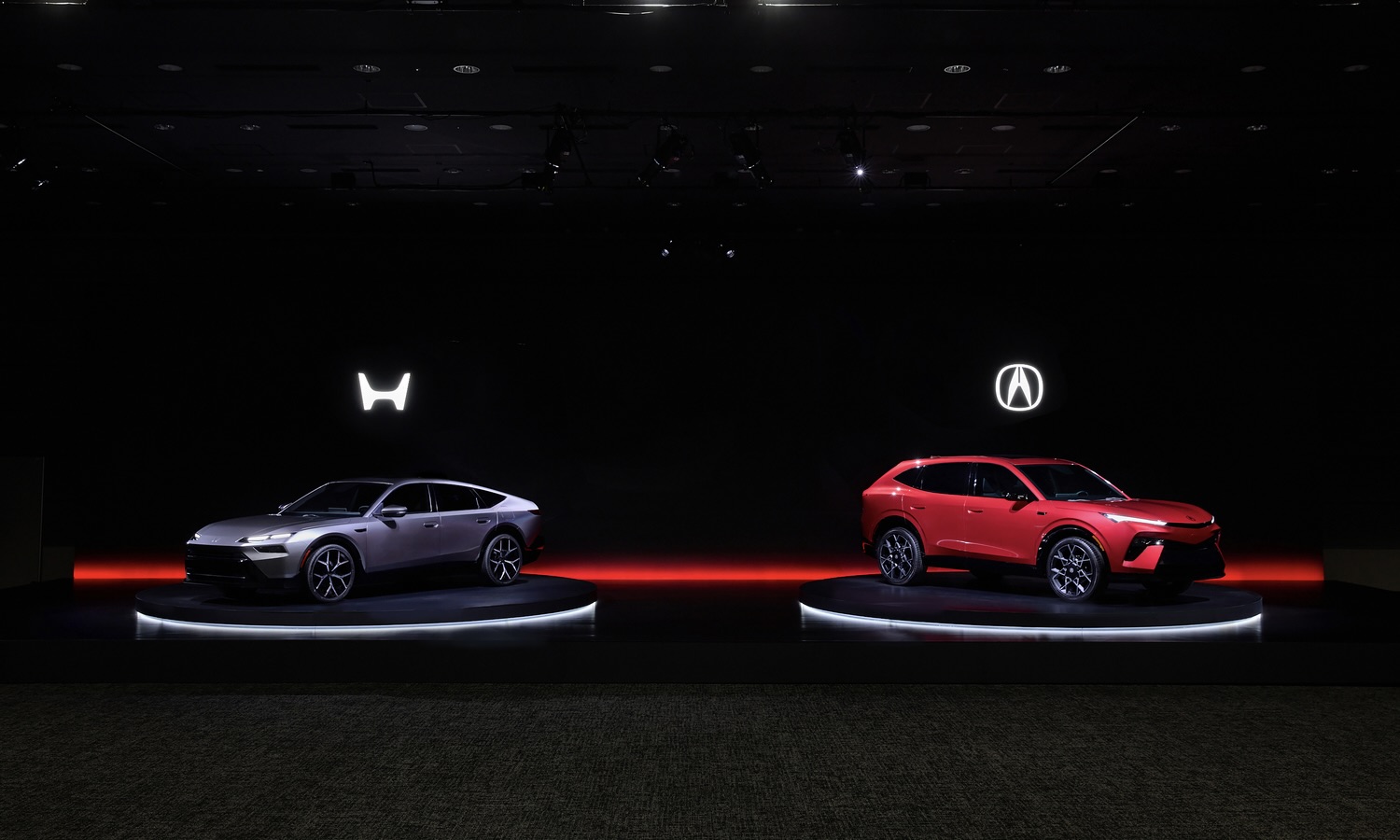
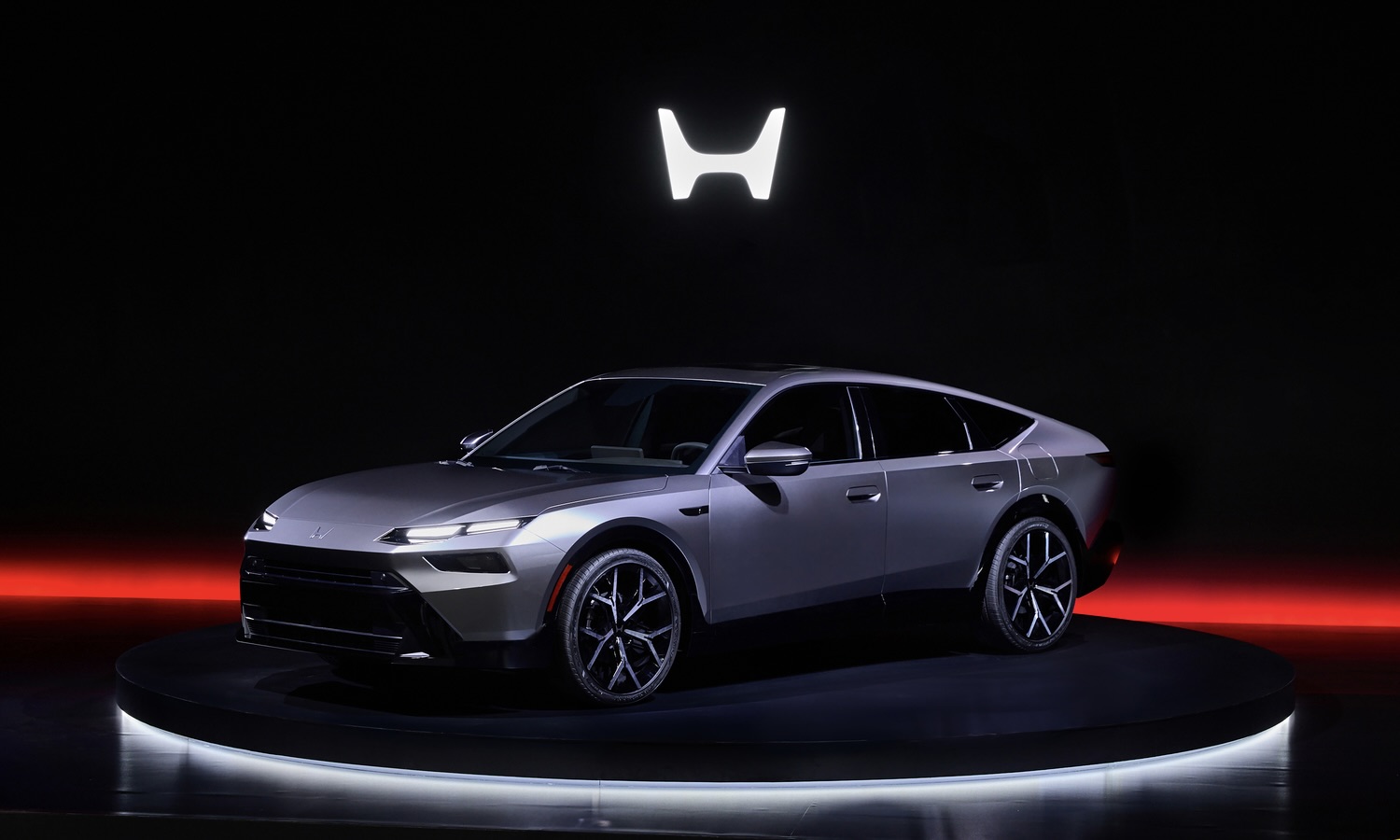
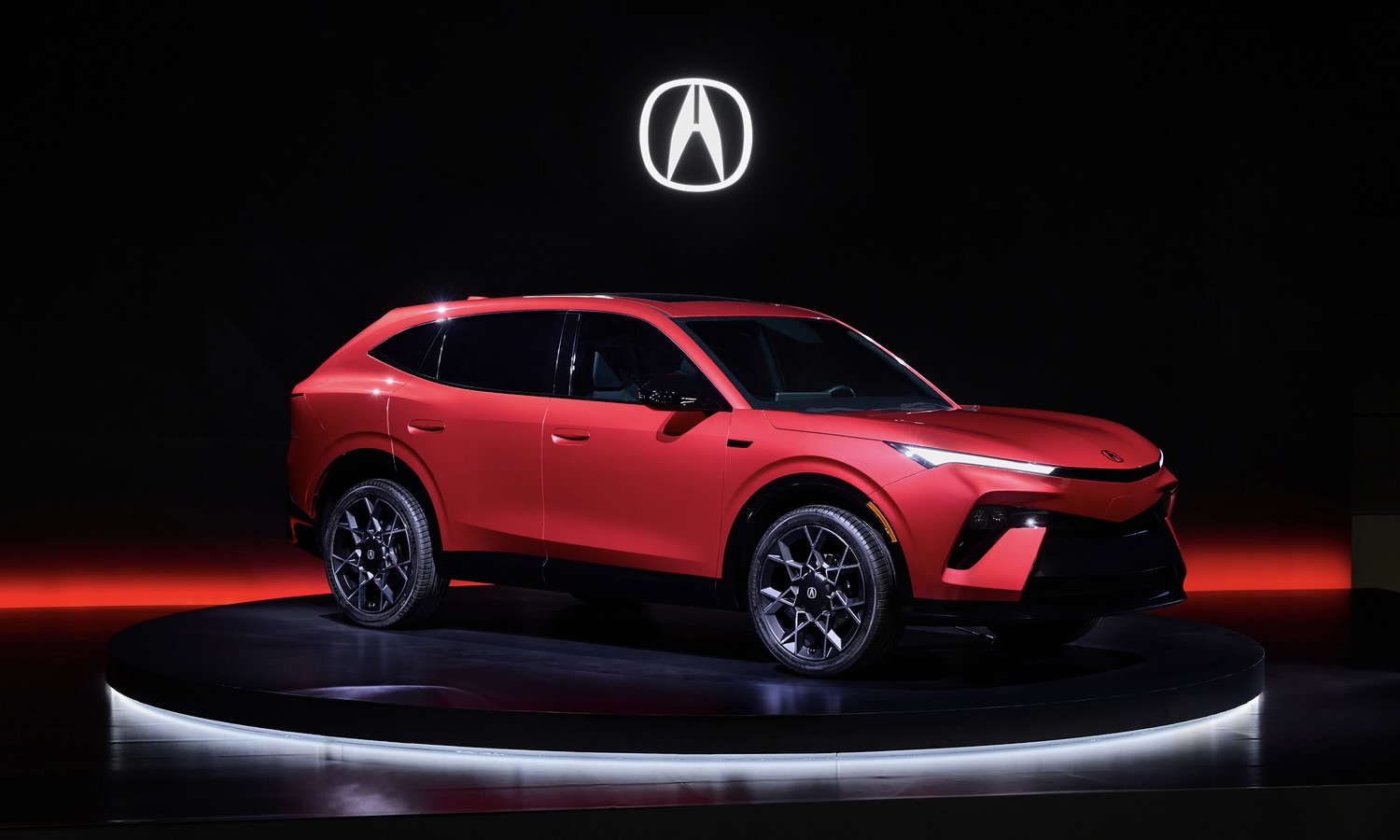
The first models based on a new hybrid platform will debut in 2027, while hybrids in the D segment and above, primarily aimed at the United States and Canada, will arrive starting in 2029. To preview this new phase, Honda has already unveiled the Honda Hybrid Sedan Prototype, a fastback-styled sedan, and the Acura Hybrid SUV Prototype, intended for the premium segment. Both offer a glimpse into the design of the company's future electrified vehicles .
Cost reduction will be another essential pillar in this new generation of hybrid models. Honda aims for its next hybrid system to be at least 30% cheaper than the one launched in 2023, while maintaining improvements in efficiency and performance. Furthermore, thanks to the new platform and an all-wheel-drive electric unit, the manufacturer guarantees a fuel consumption reduction of over 10%, thus strengthening the competitiveness of its future efficient and electrified cars .
Industrial reorganization: North America will be vital, and China and India key to cutting time and costs…
Honda 's new strategy redefines the use of its North American factories. The brand will leverage spare capacity in Ohio to produce gasoline and hybrid vehicles, while progressively adapting its facilities to assemble electrified models. Meanwhile, the ambitious project to create a complete electric vehicle value chain in Canada has been suspended indefinitely, prioritizing more flexible and sustainable investments in other markets.
In the battery sector, LG Energy Solutions and Honda will repurpose some of the production lines at their joint venture, LH Battery Company. The facilities, initially designed for pure electric vehicles, will now manufacture batteries for plug-in hybrid and fully electric vehicles, a decision aligned with actual demand in the North American market. Furthermore, the company aims to increase the amount of components manufactured in the USA for electric motors and inverters to reduce logistics costs and comply with US regulations.
China and India will be key to Honda's new roadmap for accelerating the development of its future models. The Japanese company aims to halve development times and production costs thanks to industrial and technological support from both countries, also utilizing artificial intelligence tools . Over the next five years, Honda aspires to improve its production efficiency by 20% and is committed to a more flexible strategy in the automotive industry , relying on shared resources and less of its own investment.
Electric vehicles, ADAS, and AI: projects that are moving forward…
Honda remains committed to hybrid cars , but without abandoning the development of new electric vehicles . The company is working on solid-state batteries, dedicated electric vehicle platforms, and a common electronic architecture that can be used across different models. Furthermore, it is also driving the development of its own software to enhance the efficiency, connectivity, and competitiveness of its future electrified vehicles.
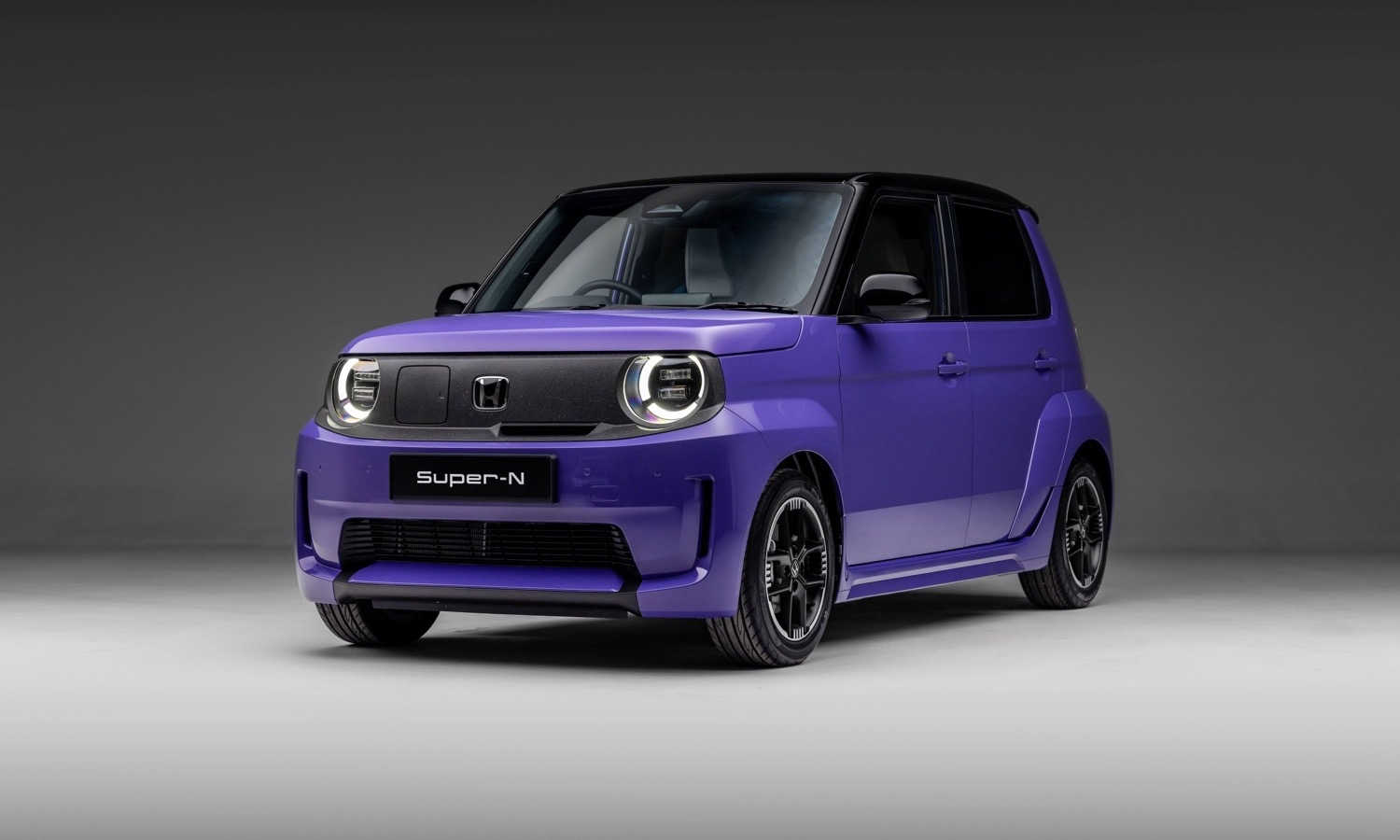
The Japanese company will launch a new generation of ADAS systems starting in 2028 , which will be available in more than 15 hybrid models sold globally over the following five years. The first vehicle to incorporate this technology will be the Japanese Vezel, known in Europe as the Honda HR-V . At the same time, Honda will expand its urban electric range with the upcoming N-BOX EV , a small electric vehicle designed to meet local mobility demands and regulations.
In parallel, Honda will accelerate the development of artificial intelligence applied to automobiles through its new ASIMO OS operating system. This platform will be present in both hybrids and electric vehicles and will allow for the coordination of driver assistance functions, energy management, connectivity, and digital services. With this strategy, the brand seeks to maintain its renowned reputation for reliability while advancing the evolution of electric vehicles and smart mobility.
Financial objectives and risks of Honda's new global strategy…
Honda is seeking to reverse its financial situation after posting record losses, focusing its strategy on restoring profitability through ambitious targets for 2029. The company aims to achieve a consolidated operating profit exceeding 1,4 trillion yen by integrating its automobile and motorcycle divisions under more efficient management. To achieve this turnaround, the brand will rely on the sale of hybrid vehicles , the optimization of its production costs, and a smart reallocation of resources previously earmarked for pure electrification programs that are now paused or canceled.
The Japanese manufacturer acknowledges that this shift toward hybrid technology is a response to the excellent sales performance of these models in key markets such as the United States. By prioritizing fuel economy and operational efficiency, Honda expects to generate net profits of around 260.000 billion yen in the short term. However, this transition is not without strategic risks; if demand for battery-powered vehicles rebounds strongly in North America, the company will have to accelerate its electric vehicle plans again to remain competitive against its global rivals, while maintaining a flexible and highly controlled cost structure.
Ultimately, Honda's new direction defines a pragmatic vision for ensuring sustainable mobility without compromising the group's economic viability. The company is maintaining its strategic projects in next-generation software and batteries, but under a much more rigorous cost discipline than before. This strategy combines selective investments with a thorough redesign of its global industrial network, allowing the brand to adapt to fluctuating environmental policies. Hybrid models thus become the primary tool for improving the company's financial health while paving the way for complete decarbonization.
Source – Honda
Images | Sling
Table of Contents
- 1 A financial blow that forces Honda to change course…
- 2 Where the money is going now: gasoline, hybrids and software: target 2050…
- 3 Fifteen new hybrids and a new generation of systems…
- 4 Industrial reorganization: North America will be vital, and China and India key to cutting time and costs…
- 5 Electric vehicles, ADAS, and AI: projects that are moving forward…
- 6 Financial objectives and risks of Honda's new global strategy…