

The latest evolution of Honda's E-Clutch arrives with its sights set on Europe. It features more models, technical adjustments, and finer integration with the brand's electronic systems. This automated clutch solution allows starting, stopping, and gear changes without using the clutch lever , while still maintaining the use of the gearshift pedal, just like in a traditional manual transmission.
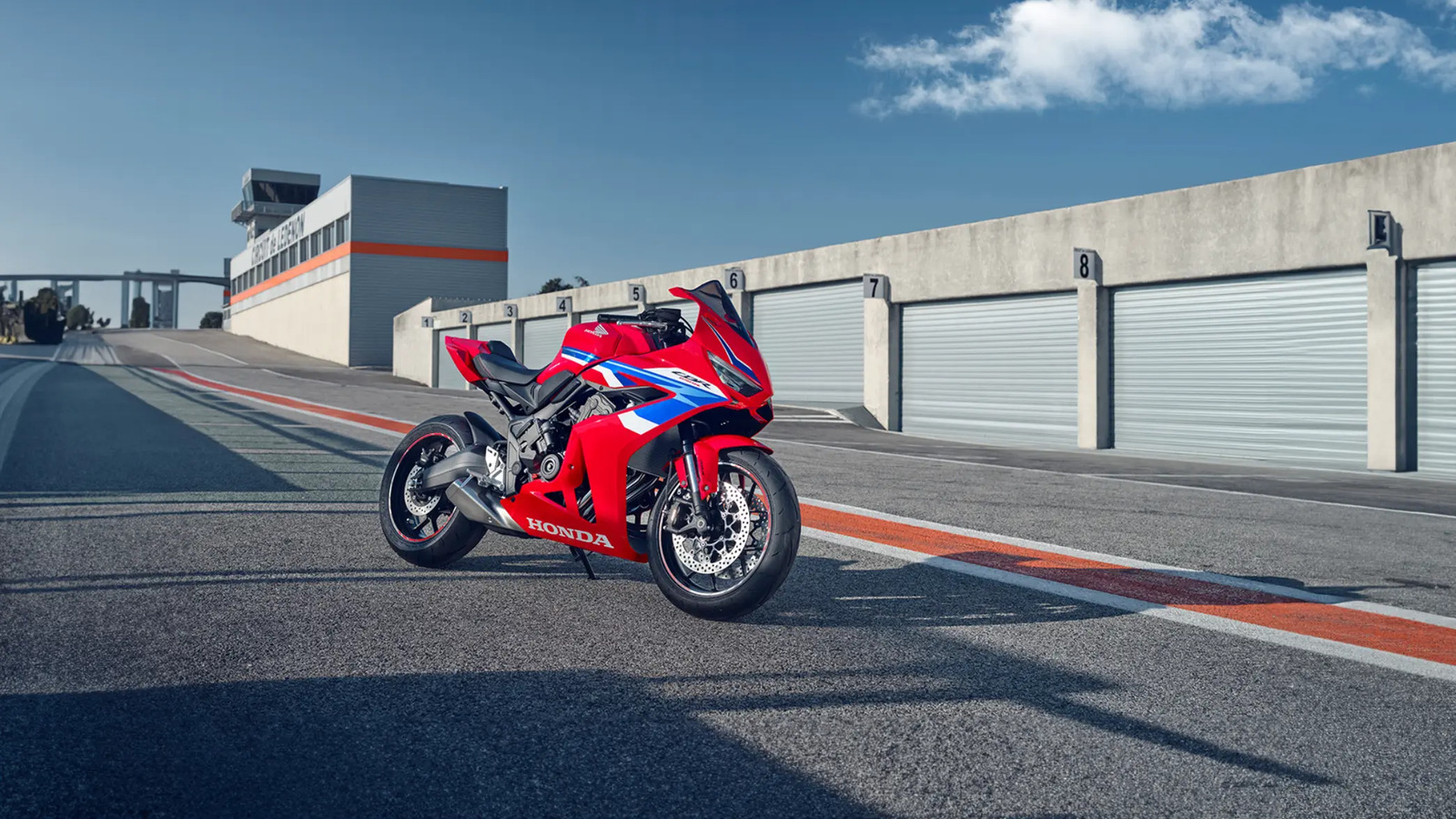
For the European market, and especially for riders with an A2 license , the technology is expanding its reach by making its way into mid-range and accessible engine sizes. The system debuted in 2024 on the CBR650R and CB650R, and the company anticipates expanding the family by 2026 , with improvements that refine response and ergonomics.
What is Honda E-Clutch?
It is an electromechanically managed automatic clutch that assists a conventional manual gearbox. The rider selects gears with the pedal, while the system precisely engages and disengages the clutch, eliminating the need to touch the lever for each shift.
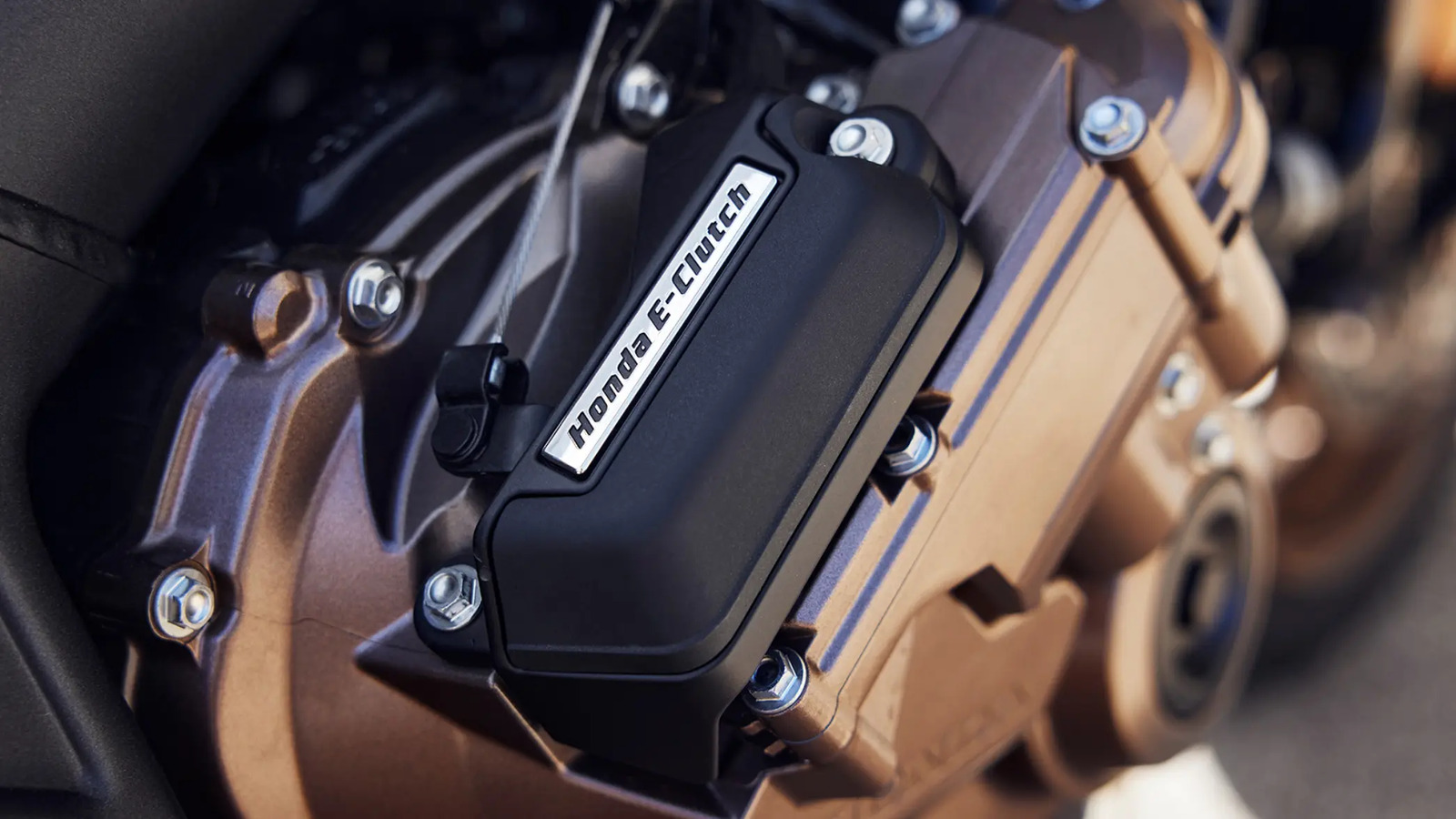
The system relies on an MCU (a dedicated control unit) that collects data from sensors such as throttle position, gear engaged, motorcycle speed, engine speed, clutch position, and the position of the transmission's secondary shaft. With this information, the system decides when and how much to engage the clutch to achieve quick and consistent gear changes.
How it works in action…
In everyday use, the E-Clutch allows you to start and stop from a standstill without using the clutch lever . Simply engage first gear, accelerate to start moving, and when braking to a complete stop, the system engages the clutch to prevent stalling. While riding, gear changes are made without closing the throttle and with very short shift times ; in fact, according to Honda engineers, the system achieves faster and more efficient gear ratios than a quickshifter and a traditional manual transmission.
After manually using the lever, it reactivates automatically in less than a second if the engine exceeds a certain RPM, or after five seconds if it's at low RPMs. It can also be deactivated using the controls on the left handlebar for a specific start, always with the motorcycle in neutral and stationary.
Design and ergonomic improvements…
To gain legroom, Honda has modified the E-Clutch mounting structure . They've split the actuator shaft in two, added a gear train, and moved it 40 millimeters outward. Furthermore, following validation testing, the anti-vibration rubbers and certain supports on the standard clutch cover have been removed. This optimized engine cover design has resulted in an approximate weight saving of 300 grams without compromising performance.
Integration with the electronic accelerator (TBW)
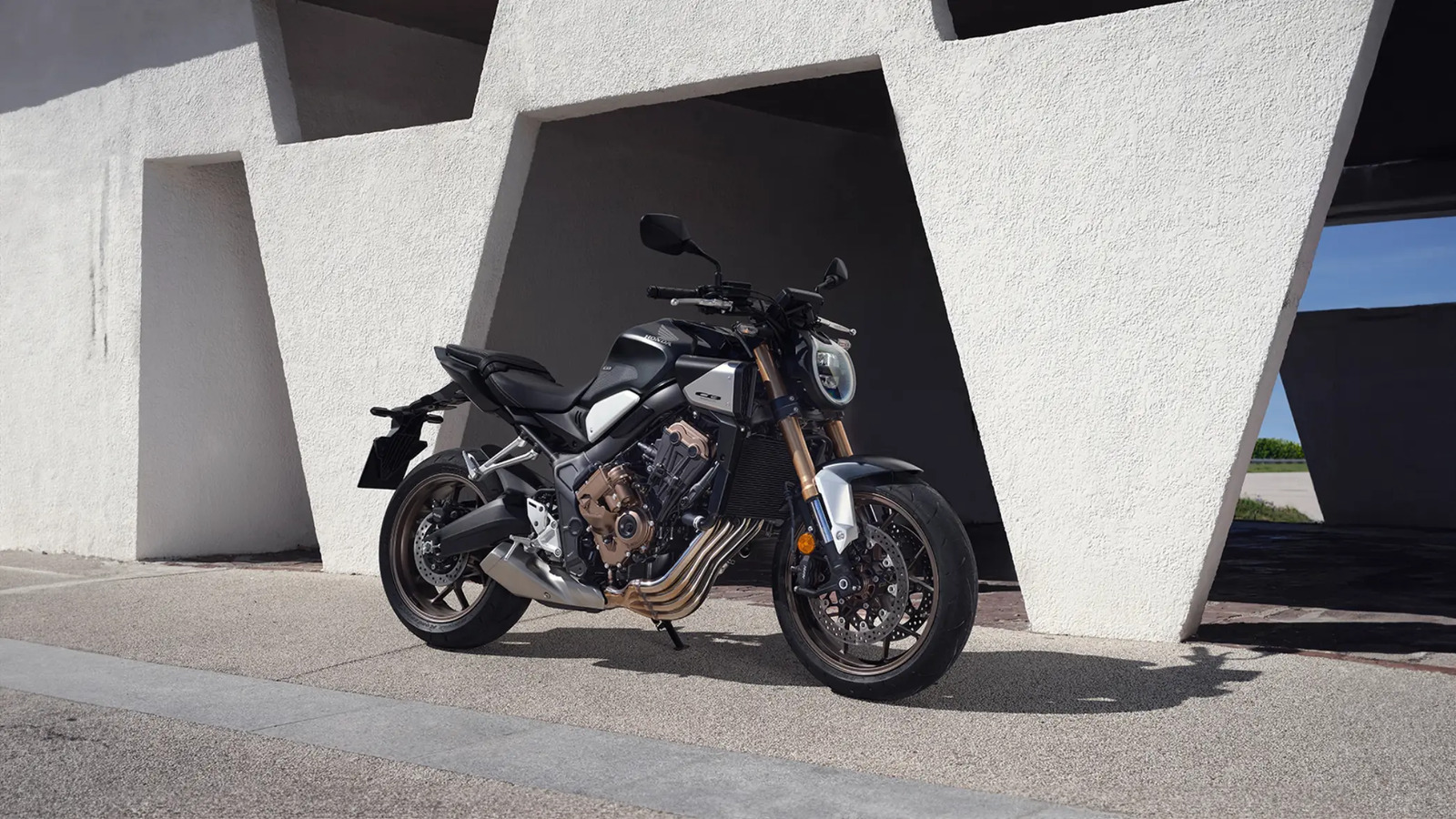
In the Transalp and Hornet models, the E-Clutch is integrated for the first time with Throttle By Wire (TBW) to match engine revolutions to rear wheel speed, resulting in smoother and more controlled downshifts. In the Transalp, off-road performance is also improved: the system allows for smooth upshifts even with rear wheel slippage , thanks to a control system that monitors the speed of both wheels to maintain stability.
Models and availability in Europe…
The technology is already available in the mid-range four-cylinder engine and will be extended to more platforms within the brand's plan.
- Models debuting the system: CBR650R and CB650R.
- Integration with TBW: Transalp and Hornet.
- Optional in the 500 range: CB500 Hornet, NX500 and CBR500R (A2 compatible).
The arrival of the 500cc model marks the first application of the E-Clutch in A2 models in Europe, bringing its advantages closer to a younger audience and those seeking a gradual transition from the traditional manual.
Usage, settings, and pilot preference…
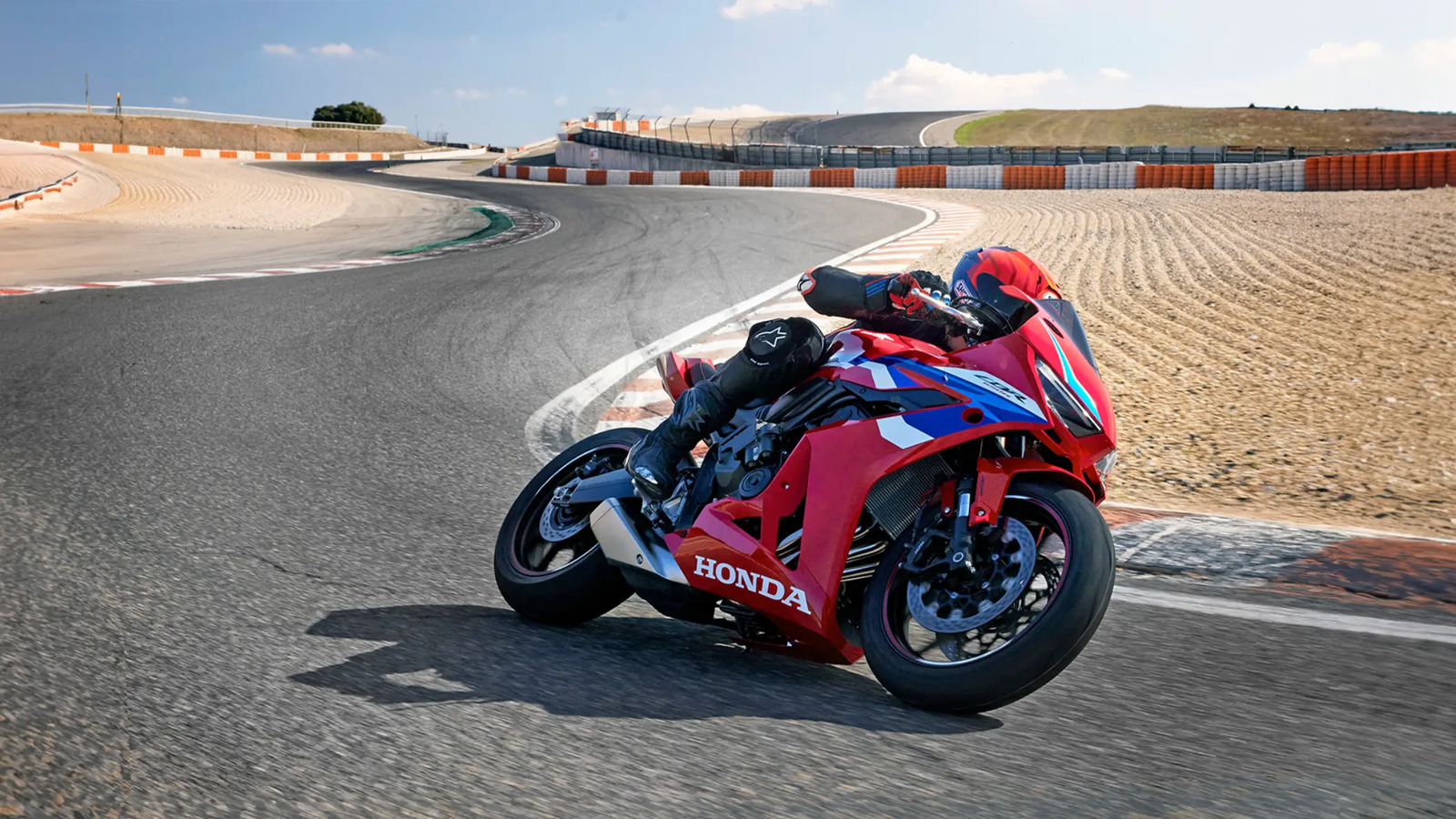
The rider can continue using the clutch lever at any time; after doing so, the system automatically resumes control depending on engine conditions. If a rider prefers to manage a specific start entirely manually, the system can be deactivated from the left handlebar switch cluster with the motorcycle stopped and in neutral.
Every change of status is indicated on the instrument panel, so the user knows if the system is active, if it has been disconnected, or if the control unit has resumed control after a manual intervention, providing transparency and confidence in daily use.
Advantages for everyday life in Spain and Europe…
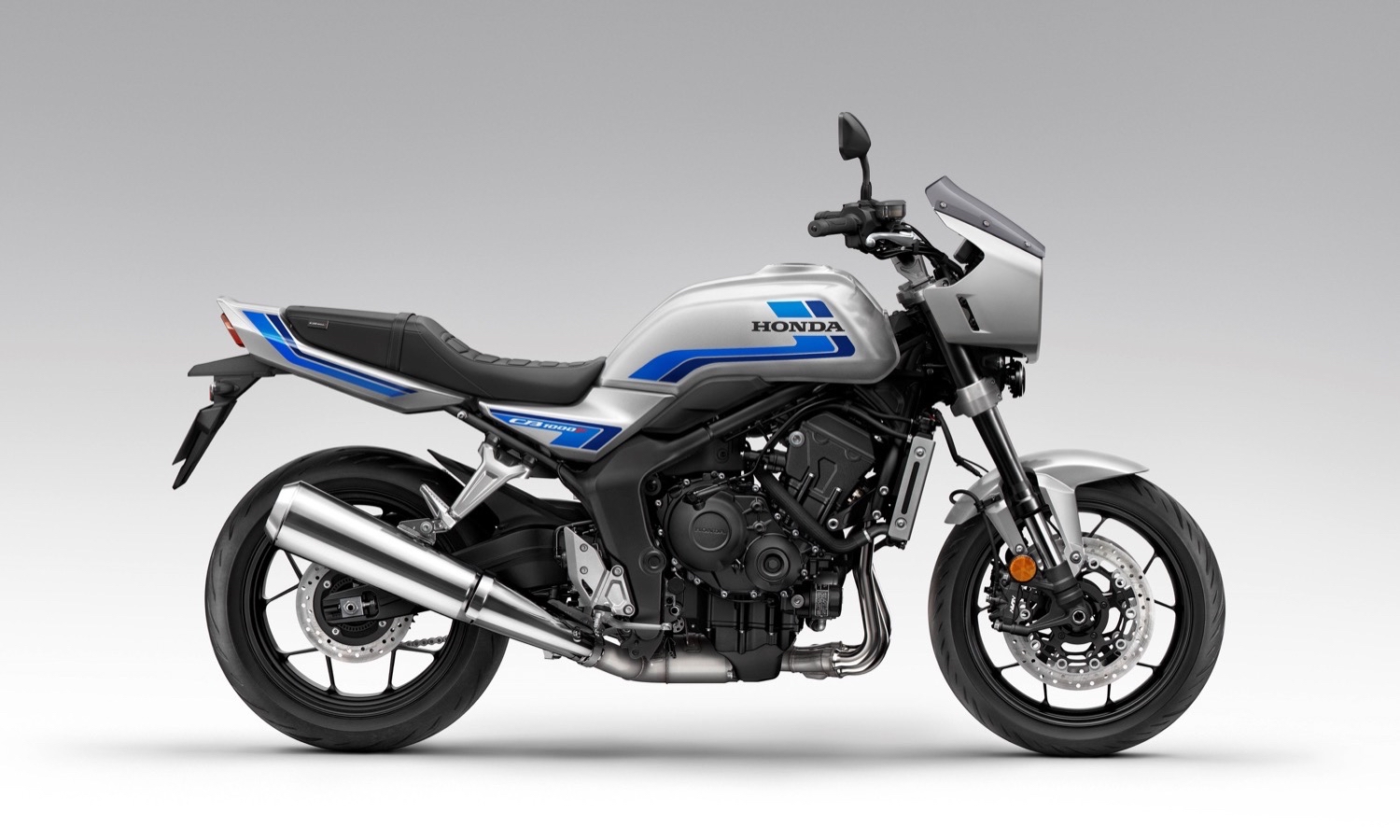
In urban and interurban traffic, the E-Clutch helps reduce fatigue associated with prolonged use of the lever, facilitates low-speed maneuvers, and provides smoother gear changes. In sportier or off-road riding, the integration with TBW ( Throttle Byte) and precise clutch management contribute to a more stable and predictable motorcycle during transitions.
With a solid technical foundation and a clear focus on European users, the Honda E-Clutch family reinforces its offering with new models, ergonomic adjustments, and electronic functions that expand its utility without sacrificing the essence of manual shifting.
Source – Honda
Images | Sling
Table of Contents