

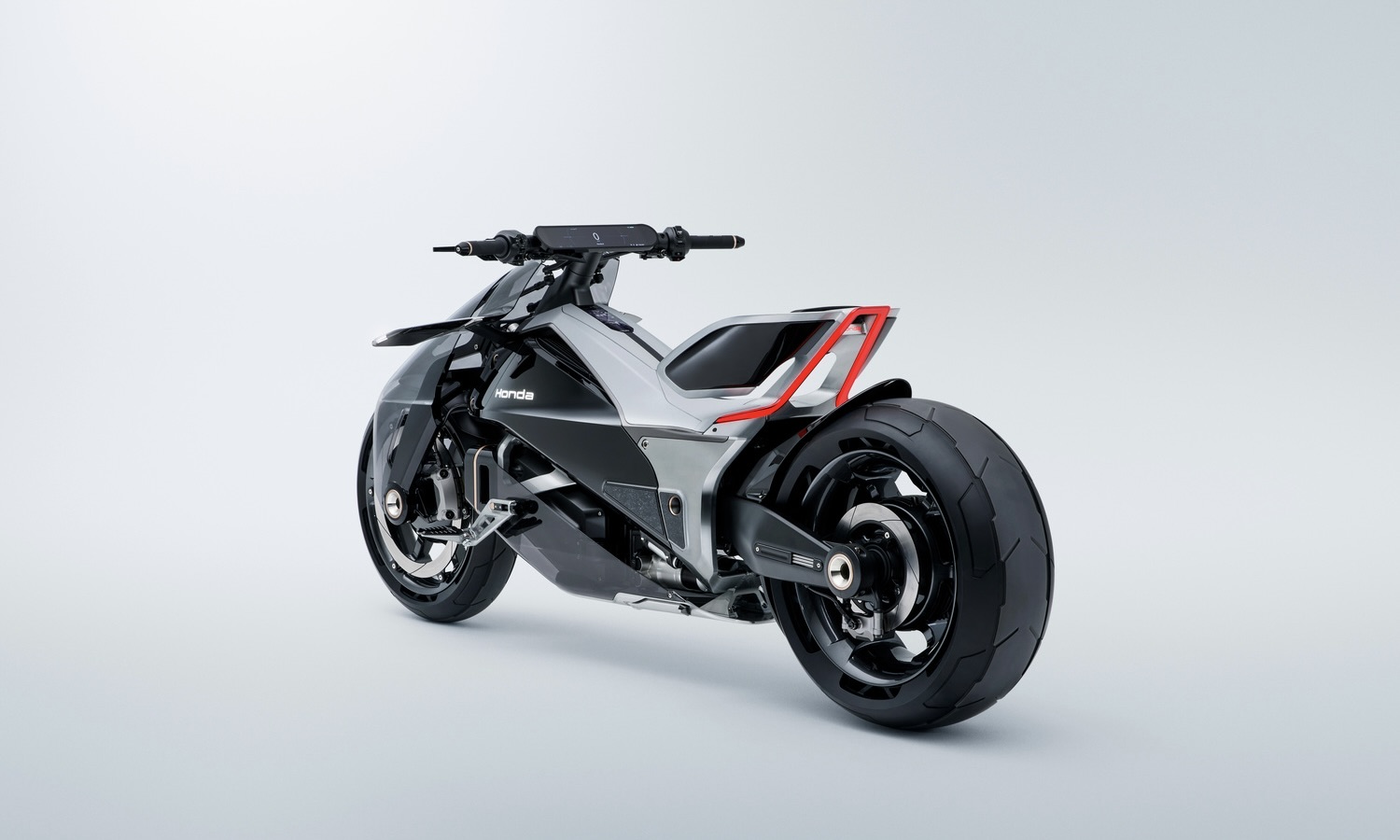
Honda has unveiled its Honda EV Outlier Concept at the Japan Mobility Show in Tokyo , an electric motorcycle concept that offers a glimpse into what two-wheeled mobility could look like beyond 2030. The prototype features an unusual architecture, with dual-axle drive and a long, low profile.
The brand frames this trial within its roadmap towards carbon neutrality by 2050 and as a design and software testing ground. Although no timeline has been confirmed, the model's technological focus makes it relevant to the European market due to its potential for efficiency and safety.
Futuristic design and ergonomics of the new Honda EV Outlier Concept
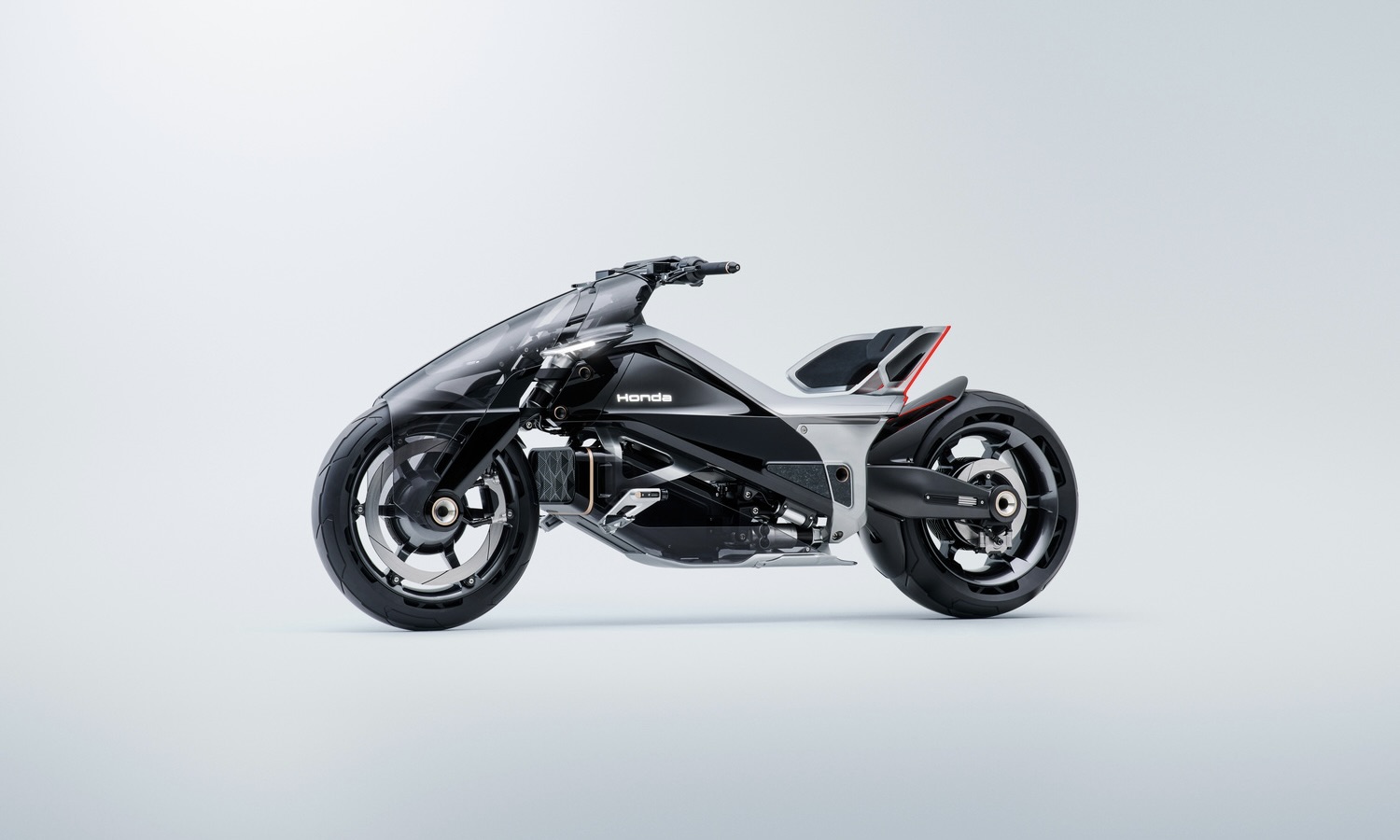
At first glance, the Outlier looks like something out of science fiction. Aerodynamic fairings , minimal overhangs, and a very pronounced horizontal proportion. The transparent fairing that covers the headlight and suspension is striking, reinforcing its prototype character. The riding position prioritizes comfort with wide handlebars , forward-set footpegs, and an integrated backrest for the rider. The one-piece seat hugs the lumbar region with lateral and rear supports to provide stability during acceleration and braking.
Electrical architecture and all-wheel drive…
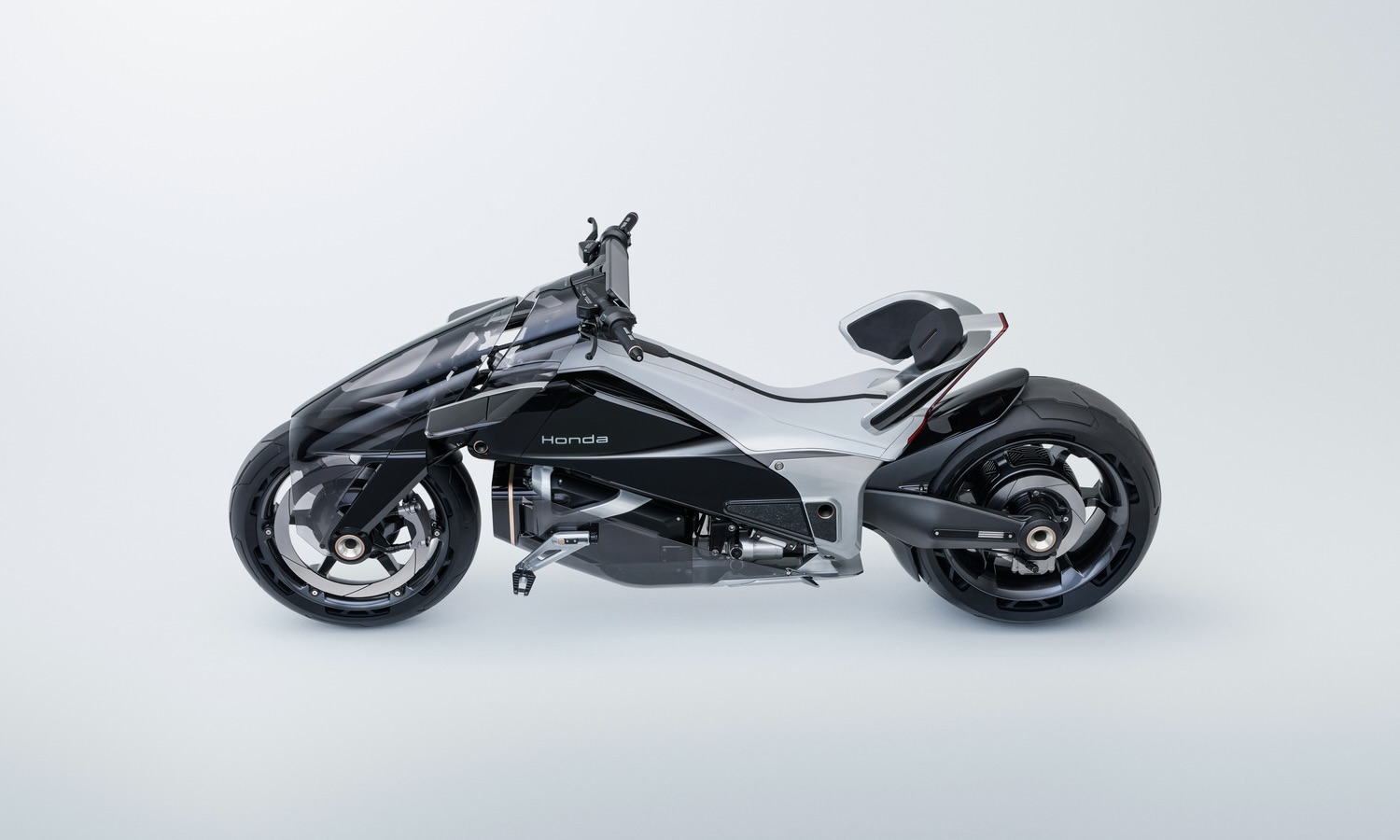
The key technical feature is the presence of motors in both wheels . This in-wheel configuration frees up space in the central area to house a large battery and the control electronics. Honda states that the system allows for real-time torque distribution between the axles. On inclines, for example, power can be prioritized at the front for traction, or at the rear for more powerful acceleration.
The front suspension features a double wishbone design similar to that used on the Gold Wing, a solution that typically reduces dive under braking and improves stability. At the rear, it has a single shock absorber with linkages mounted very low, which optimizes weight distribution. The braking system consists of discs on both axles, and the tires are wide, in keeping with the bike's robust character.
Instrumentation and connectivity
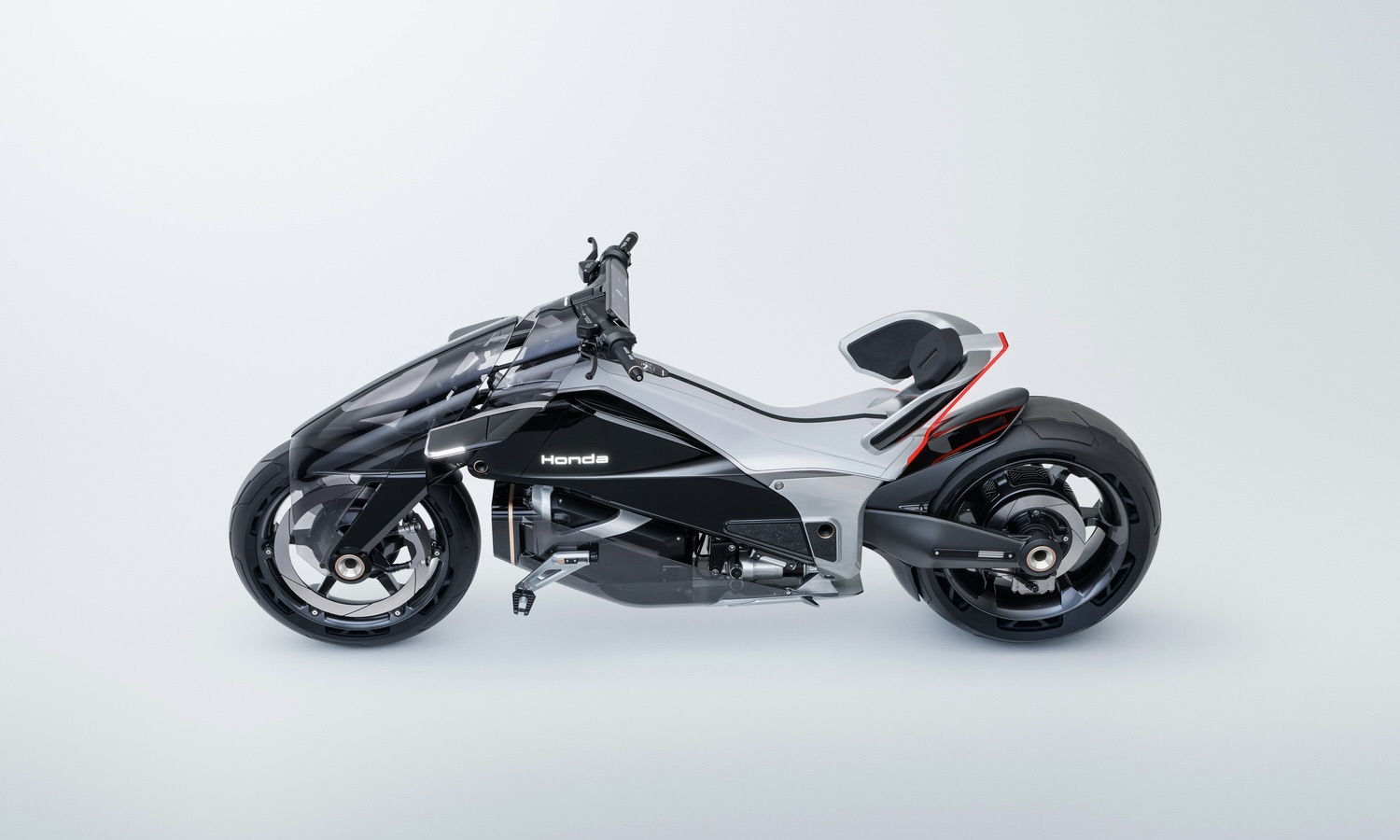
The cockpit is dominated by a large TFT screen displaying speed, tilt angle, battery charge, odometer, and trip meters, as well as Bluetooth connectivity for smartphones. Features showcased on the prototype include a rear camera projection and energy management menus, elements typical of a software-driven approach.
What we know (and what remains to be known)
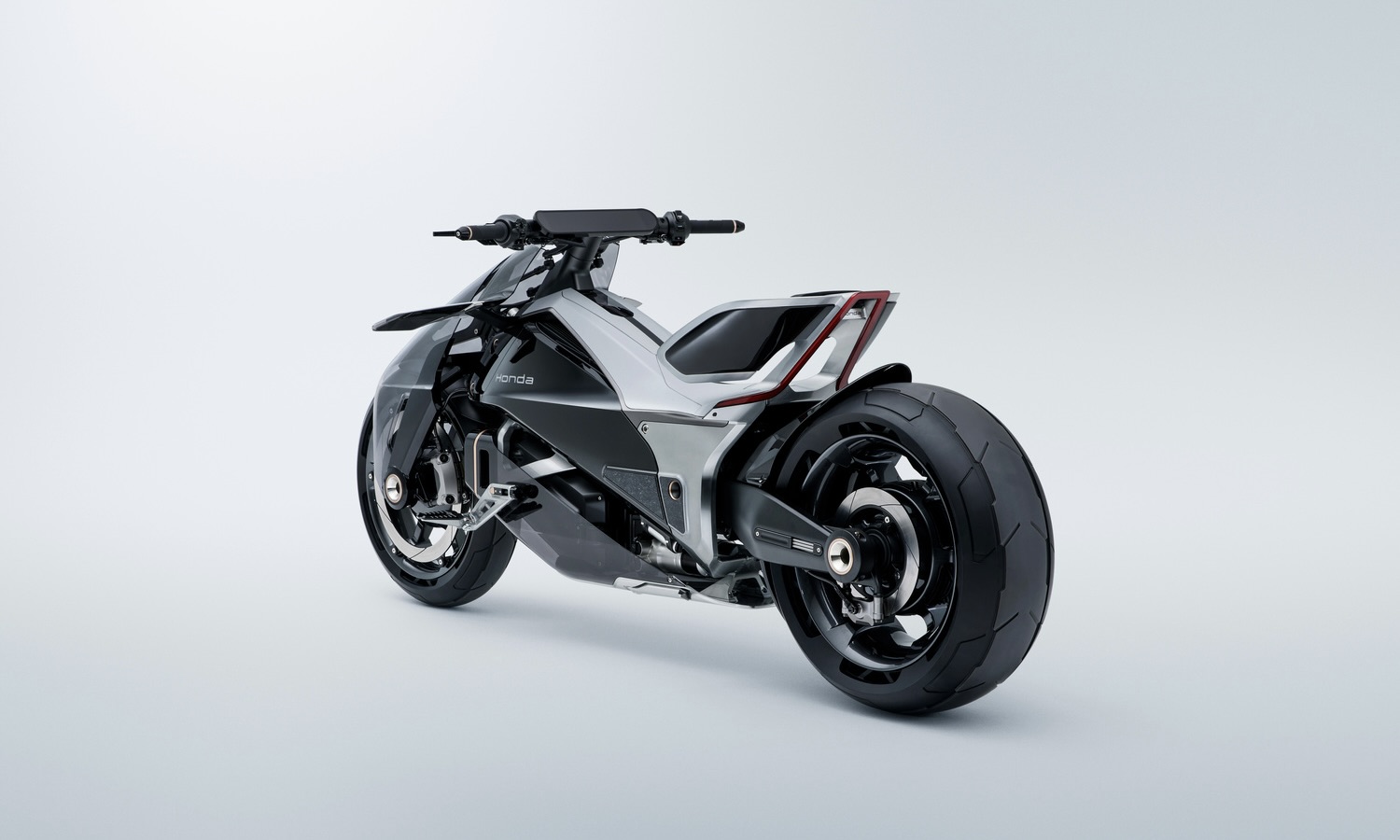
For now, Honda hasn't released figures for power, range, battery capacity, weight, or charging times . There are also no details about advanced driver assistance electronics beyond torque vectoring. It's likely that, given this is a long-term study, some components won't make it to production as is. Even so, the in-wheel motor architecture and digital all-wheel-drive control point in a clear direction for future development.
Lace in Spain and Europe
In the European context, the Outlier's approach aligns with the trend of optimizing efficiency and safety without sacrificing everyday usability . There's no official announcement regarding its launch in the EU, but the brand suggests that the design language and technology could be rolled out to models starting in 2030.
Key technical features
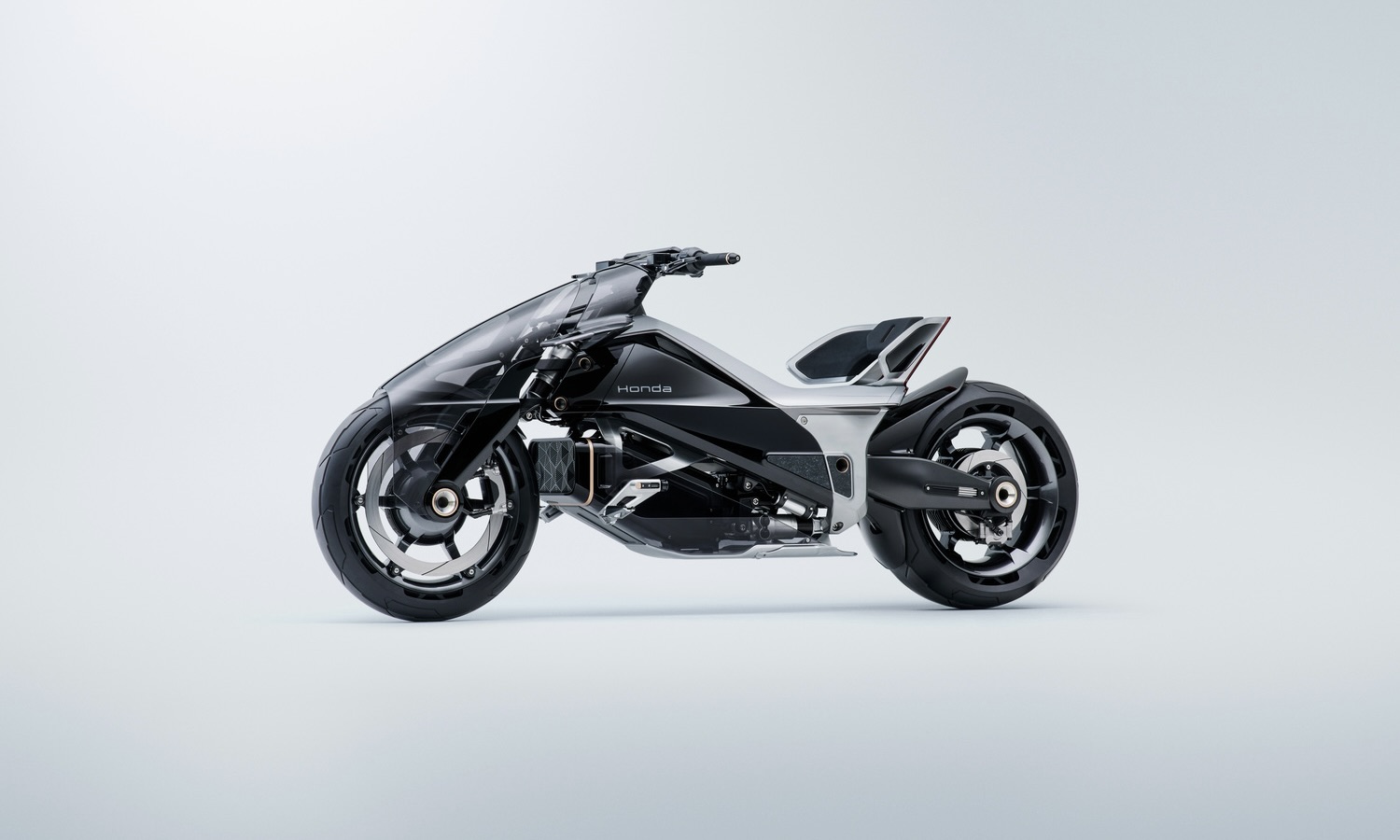
- Electric motors integrated into the front and rear wheels (all-wheel drive).
- Adjustable torque distribution between axles to improve traction and stability.
- Front suspension type double arm; rear with monoshock and linkages.
- Panoramic TFT display with tilt data, battery information, and Bluetooth connectivity.
- Low and stylish design, with a transparent front dome.
The Outlier Concept serves as a showcase for technologies and formats that we'll likely see evolve over the next decade: from two-axis torque management to new user interfaces. It's not an imminent product, but it is a compass pointing to Honda's vision of the electric motorcycle of the future. We shall see…
Source – Honda
Images | Sling
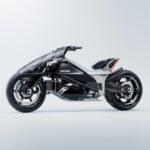
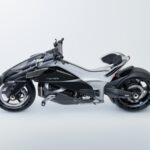
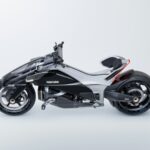
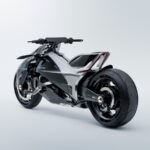
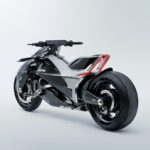
Table of Contents