

The range of electric vehicles is one of the main challenges in winning over the general public. While manufacturers are looking for ways to offer more kilometers without increasing weight, Geely has unveiled its most ambitious proposal: a solid-state battery that promises to double the energy density of conventional batteries. Their timeline indicates that the first test vehicles will be deployed in 2027 , with the goal of definitively breaking the 1.000-kilometer barrier.
The Chinese company isn't alone in this endeavor, as BYD and CATL also plan to begin their pilot trials this year. However, Geely has garnered significant attention thanks to its strong performance and multi-brand strategy. A group with Geely's extensive track record allows it to test technology across diverse product lines , thus accelerating its adaptation to market demands.

An energy density that sets it apart
The key figure in the announcement is energy density: up to 500 Wh/kg, a value that almost doubles what most NMC batteries offer, which typically range between 250 and 300 Wh/kg. In practice, a more compact and lighter battery can mean a considerable weight reduction in the pack, ultimately resulting in lower energy consumption and greater range. A current 80 kWh pack can weigh over 450 kilograms, but with this technology, that weight could be significantly reduced, also improving vehicle dynamics.
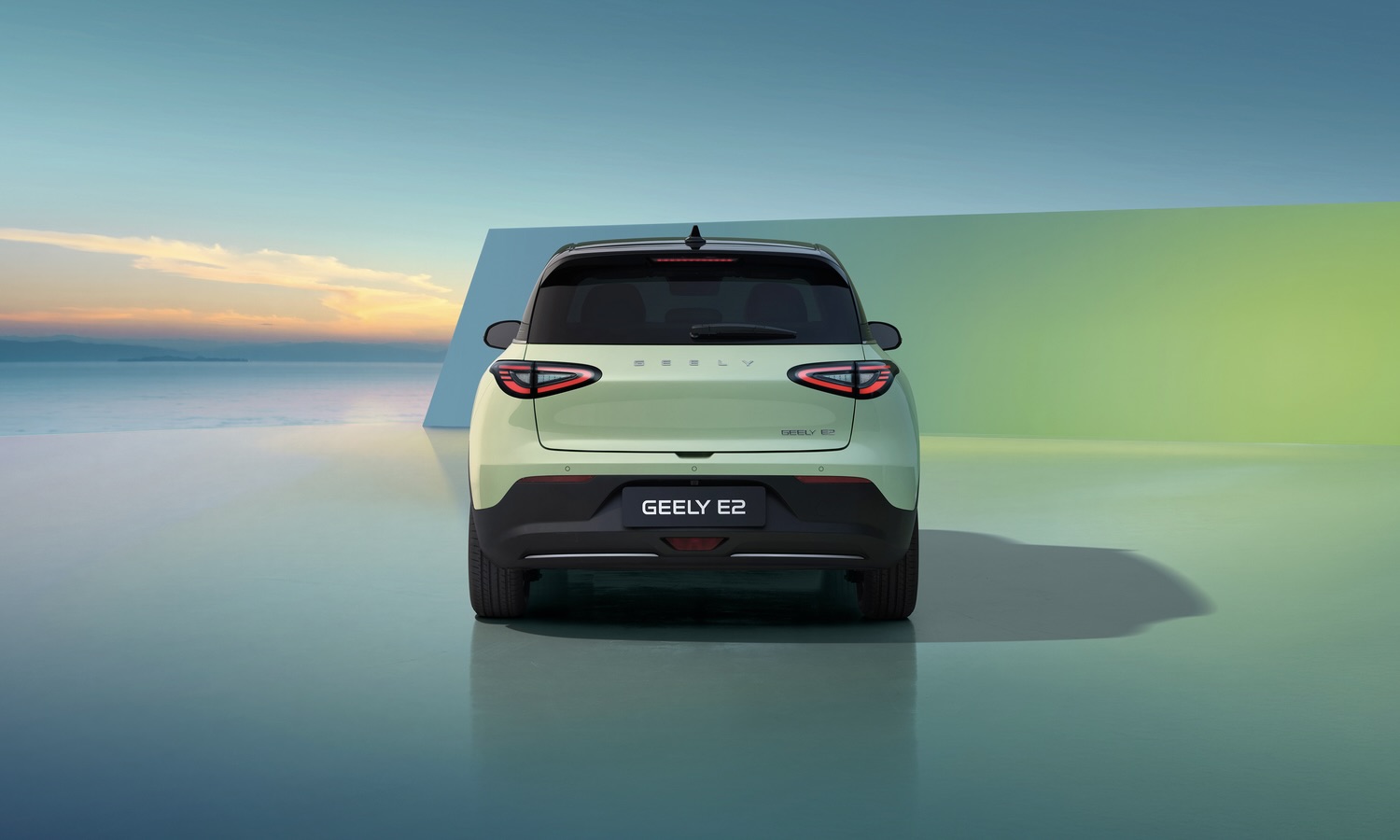
It's not just about racking up kilometers. According to Geely, the new cell aims for a lifespan of up to one million kilometers, a figure that far exceeds the average for current cars and would be crucial for professional fleets. The longevity of this battery could be a key competitive advantage , since degradation is currently one of the weak points of electric vehicles.
A multi-brand ecosystem for validation under real-world conditions
For Geely, the path forward doesn't involve a single model. The battery will be installed in vehicles from several of its partner brands, such as Zeekr , Lynk & Co, Volvo, Polestar, Lotus, and Smart. These brands will test the system in a pilot phase, in which the manufacturer has already begun validation in real-world environments with prototypes. The strategy is clear: premium brands can better absorb the initial higher cost of a new technology, while mainstream brands will wait for production costs to decrease.

In this process, the collaboration with Dow Chemical plays a decisive role. The company has developed an adhesive that guarantees the structural stability of the cells within a thermal range of -40 to 120 degrees Celsius, a factor that seems crucial for European climates. Thermal stability is one of the most difficult challenges in solid-state technology , and here Geely could have a head start.
The challenges that remain on the table
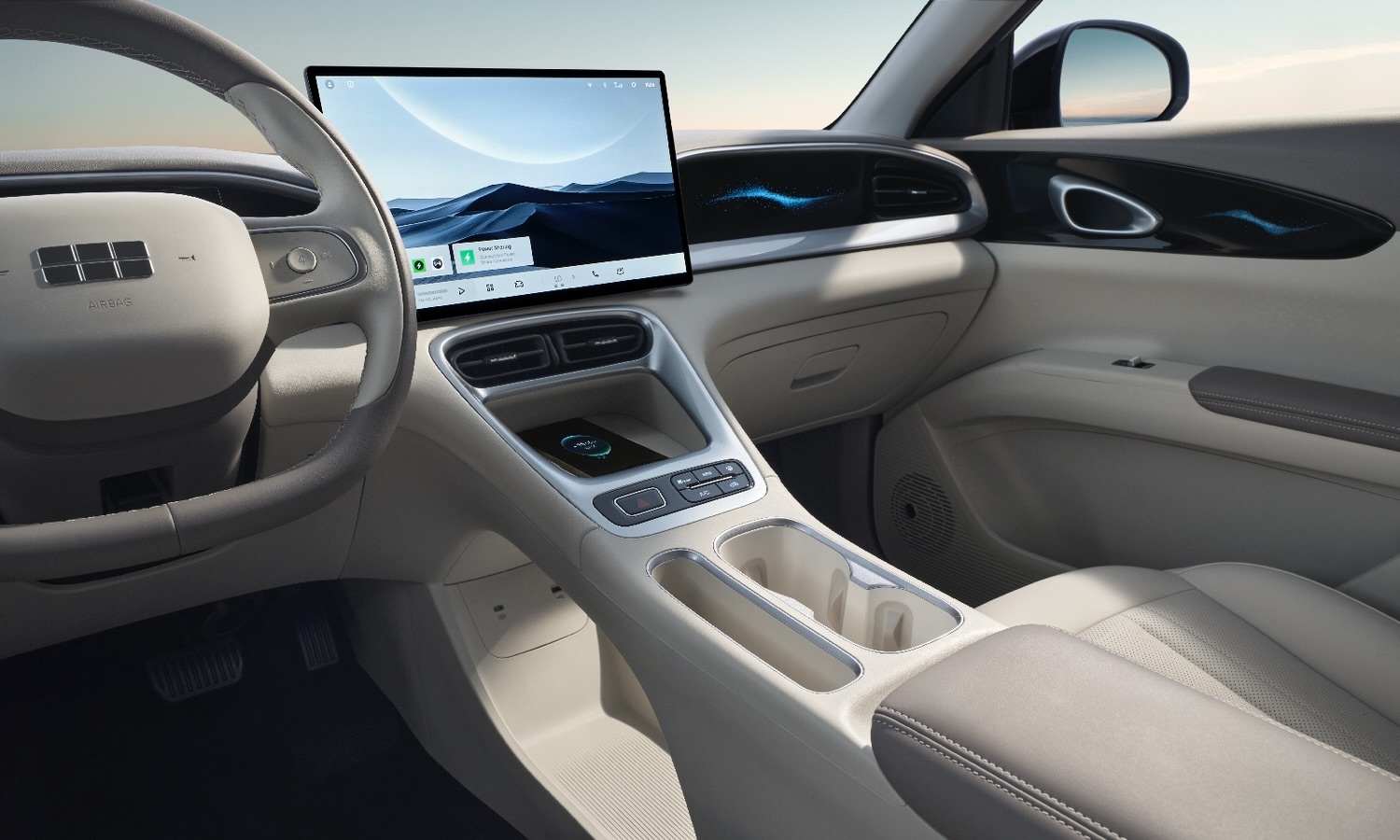
Although the dates are promising, large-scale production is still a long way off. The 2027 timeline represents a testing and validation phase, not mass commercialization. Competitors have already warned of the complexity of this technology: the president of CATL, one of the largest battery manufacturers, has emphasized that the technology's Technology Readiness Level (TRL) is still only at an intermediate stage. Technical challenges, such as the multiple interfaces between electrodes and electrolyte or large-scale manufacturing, are not resolved overnight. The timeline for these developments typically extends beyond initial projections , something Geely will need to carefully monitor.
For Europe, the arrival of a battery with these characteristics could be a game-changer, especially for brands like Volvo and Polestar, which are already leading the group's electric offensive. If the official homologation figure of 1.000 km is confirmed, charging anxiety would become a secondary concern, a key factor for city dwellers. However, it remains to be seen how the cell performs in real-world driving, where range can drop by 20 to 30 percent, as is the case with current electrochemical batteries.
In short, Geely's announcement reinforces the idea that the era of solid-state batteries is approaching, although there is still no commercialization timeline. The results of the pilot tests in 2027 will set the course, and with them, we could be witnessing a new milestone in electrification. The implications for the sector will be significant if the figures are confirmed , and even more so if manufacturing can be scaled up without prices skyrocketing.

Table of Contents