

Geely's entry into the Ford Almussafes plant is increasingly on track and has gone from being a mere rumor to a well-defined industrial operation. Various industry sources indicate that the Asian group has finalized, or is about to finalize, the purchase of part of the assembly facilities at the Valencian plant, a move that could mark a turning point in the future of this historic automotive complex.
Specifically, Geely has reportedly reached an agreement with Ford to purchase the Body 3 body shop , the most modern area of the technical complex, currently inactive, to establish its own vehicle production line there and potentially also manufacture a model for the American multinational. The deal responds both to the Chinese brand's need for an industrial base in Europe and to the Valencian plant's interest in recovering production volume and employment.
What would Geely have bought in Almussafes and what is Body 3 like…
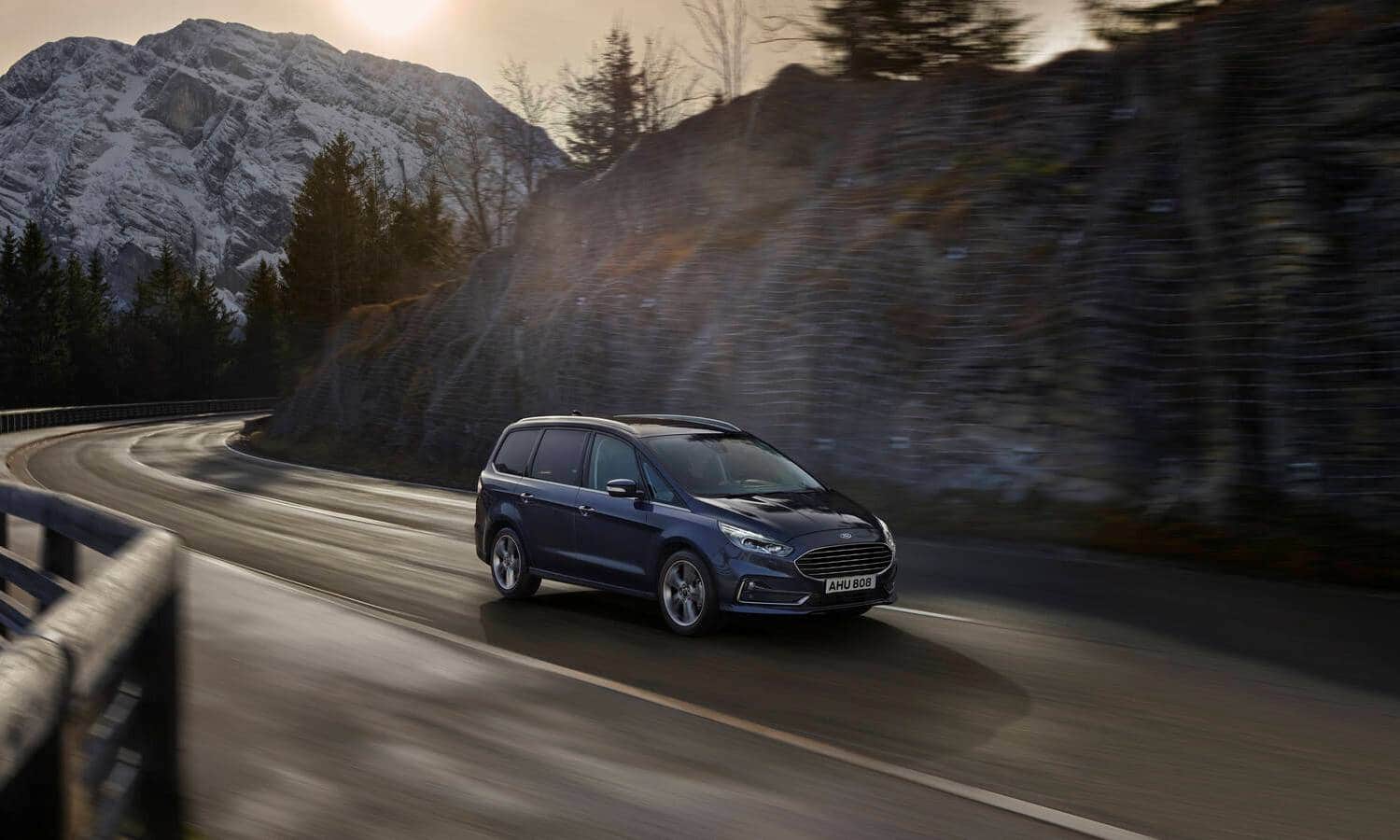
According to information reported by automotive media, the Chinese company has acquired a warehouse of approximately 80.000 square meters integrated into the Ford Almussafes factory and known internally as Body 3. This facility was the last major expansion carried out at the plant and is located in the area closest to the highway, with very direct access to the local supplier park.
Body 3 was built just over a decade ago to accommodate Ford's CD4 platform and was used to assemble models such as the Mondeo , Galaxy , and S-Max , which arrived in Valencia after the closure of the Belgian factory in Genk. It is a highly automated facility, which operated with around one hundred people per shift, and is now practically idle because the only model currently produced in Almussafes, the Ford Kuga , primarily uses the Body 1 and Body 2 lines.

The purchase of the facility will allow Geely to operate independently , with its own assembly line separate from Ford's. However, the agreement goes beyond a simple real estate transaction. The Chinese brand would use the facility not only for its own cars but also as a supplier to Ford, within the framework of a broader industrial collaboration.
A discreet agreement that Ford still calls "speculation"...

Talks between Ford and Geely began a few months ago and were initially leaked by international news agencies and financial publications, which reported on a possible swap of manufacturing capacity at the Valencia plant. From the outset, the multinational automaker has treated the matter with extreme caution and has limited itself to very measured statements.
When asked about these reports, Ford Spain maintained its virtually unchanged official stance: “We do not comment on speculation .” The company reiterated that it is in constant talks with many companies on various matters, emphasizing that some discussions are fruitful and others are not. The UGT, the majority union at the plant, adopted a similar cautious approach, indicating that Ford itself will announce any final decisions through official channels.
Despite this official silence, various sources within the automotive sector confirm that the agreement between the two parties is very advanced and even consider Geely's acquisition of Body 3 to be a done deal. The Valencian government itself had practically assumed the announcement of the agreement was imminent and expected it by the end of April, although the official announcement has ultimately been postponed.
What Geely plans to produce: the EX2/E2 and a model for Ford…
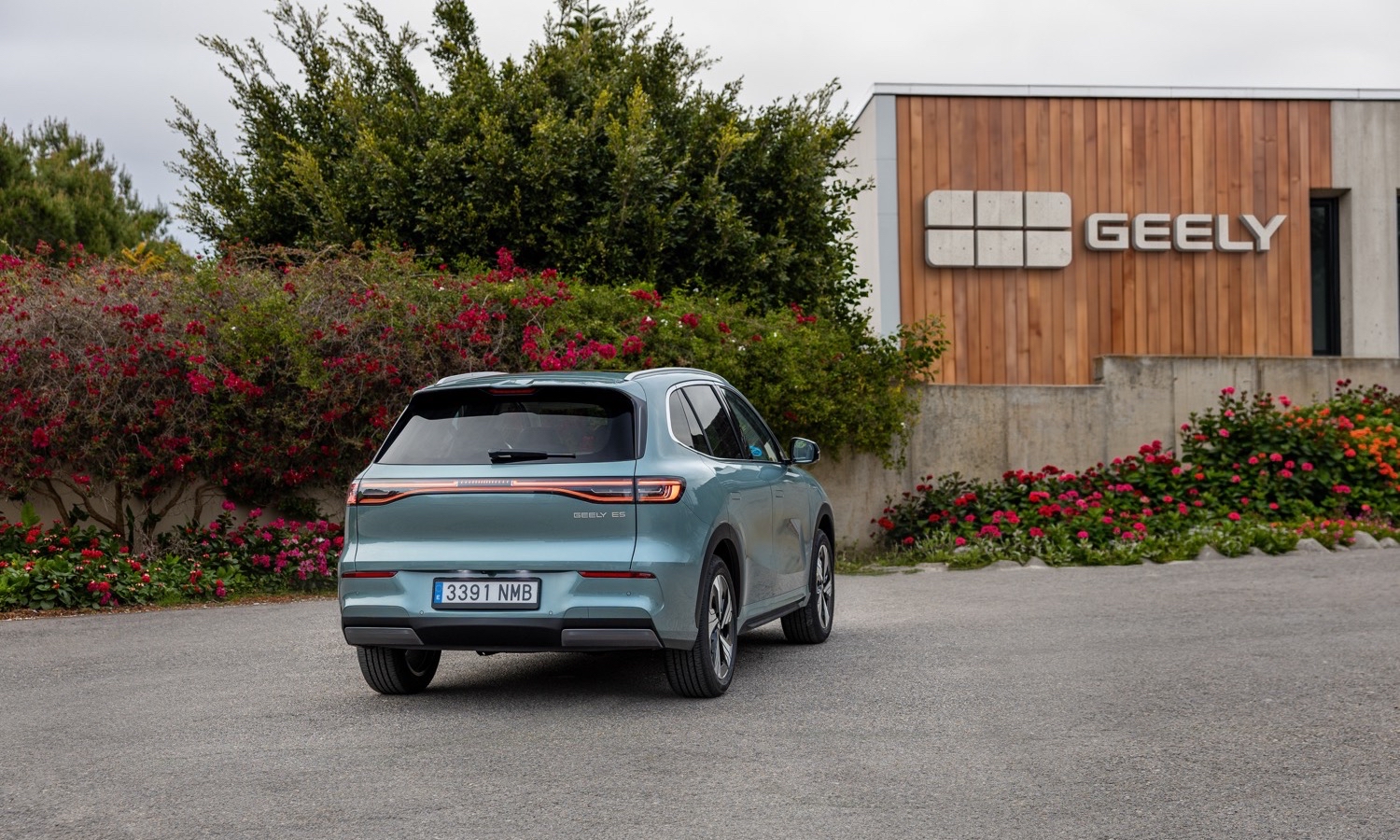
Geely 's arrival in Almussafes represents a strategic move to consolidate its industrial capacity in Europe . The Chinese consortium is considering using the Valencia plant to assemble an advanced multi-energy vehicle . This ambitious project would focus on the Body 3 building, where versions with self-charging hybrid , plug-in hybrid, and fully electric propulsion would be manufactured. The key to this versatility lies in the use of the GEA platform , an intelligent architecture that allows for the efficient adaptation of technical development to various powertrains and market segments.
Internally, this model is identified by the code 135 , which corresponds to the European adaptation of the successful Geely EX2 . This compact SUV stands out for its well-balanced dimensions, measuring approximately 4,14 meters in length, and its optimized interior space. In its electric version , the car features a 116 hp motor and a long-lasting LFP battery . With an estimated range of 325 km and practical features such as a front trunk and frunk, the vehicle aims to replicate in Europe the excellent sales figures it has already achieved in the Asian market.

The roadmap envisions a deep alliance, exploring the development of an exclusive model under the Ford brand , sharing the same technical platform. This synergy would allow the American firm to launch a new electrified model manufactured in Spain, optimizing production costs through the use of Geely's modular architecture . Thus, the Valencian factory would become a key hub for the energy transition , securing its future by manufacturing cars that combine cutting-edge Chinese technology with the quality standards demanded by today's European drivers.
Impact on the Ford Almussafes plant…
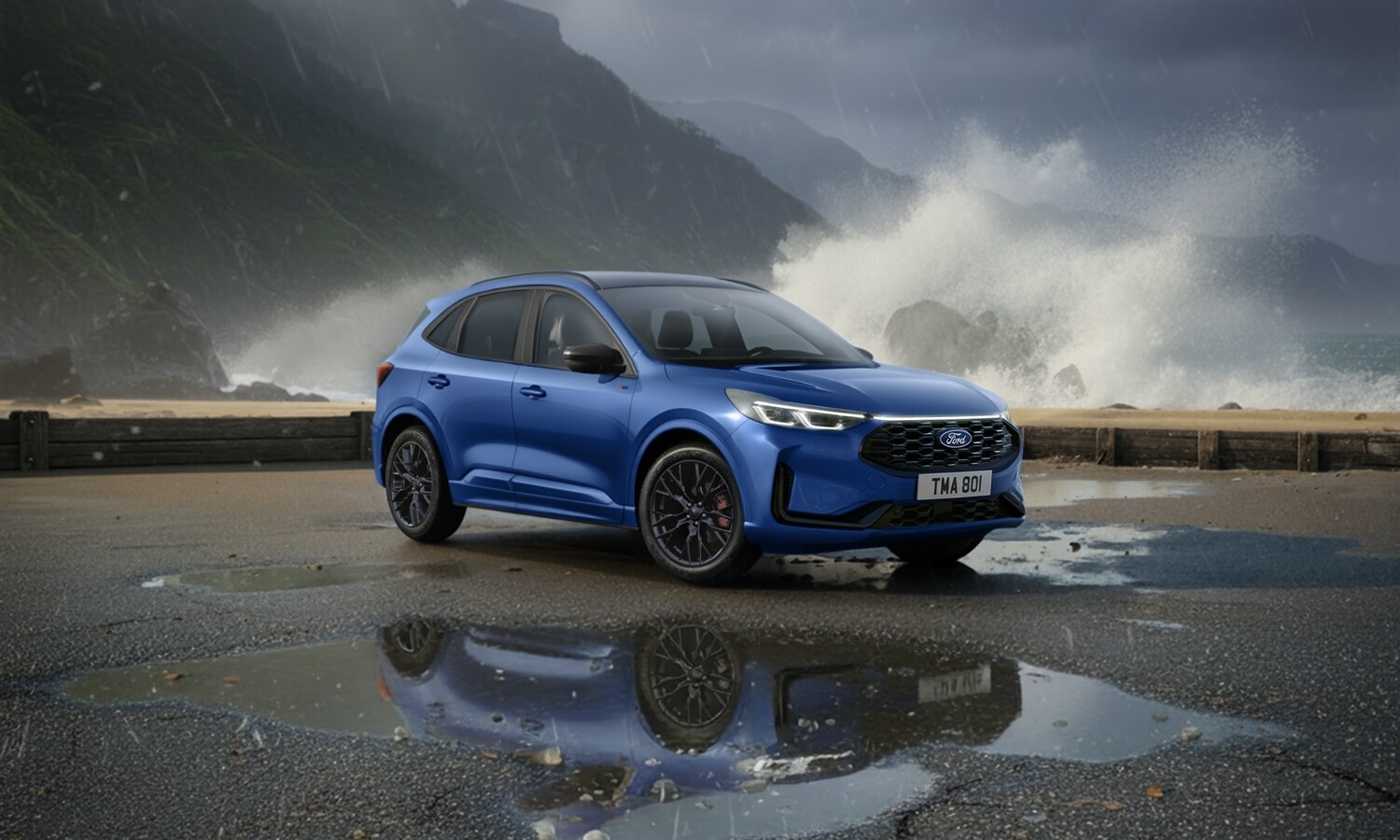
Geely 's arrival at the Almussafes plant comes at a critical time due to the drastic decline in automotive production in Valencia. After reaching historic manufacturing milestones, the factory closed recent fiscal years with alarming figures, far below its actual capacity. Currently, production depends almost exclusively on the Ford Kuga , following the discontinuation of iconic models like the Transit and the Mondeo. This situation has forced the implementation of a temporary layoff plan (ERTE) affecting thousands of employees, highlighting the urgent need for new industrial projects to guarantee the viability of the facilities and jobs.
Faced with this scenario, the multinational Ford is preparing to launch a new multi-energy vehicle, scheduled for the end of 2027. Although initial annual production forecasts have been adjusted, the creation of a pilot plant will allow the reactivation of activity for some of the workforce affected by the temporary layoffs. This hybrid model represents a key element for the economic recovery of the technical center. The integration of advanced technologies and new assembly lines aims to stabilize the workload and restore competitiveness to an infrastructure that has been a benchmark in the European sector.
The ultimate success of the factory will depend on combining this launch with the workload that the Chinese group would bring. If both projects are consolidated, the plant could recover vehicle production levels similar to the pre-Covid era, exceeding three hundred thousand units annually. This strategic synergy would not only secure the future of current jobs but also open the door to new hires. Thus, the energy transition and international collaboration are emerging as the definitive drivers for revitalizing Valencian industry and regaining its leadership in the global market.
Advantages for Geely: tariffs, logistics, and industrial ecosystem…
For Geely, the operation has a clear strategic component in the context of European trade policy toward Chinese electric vehicles. Producing in Almussafes allows them to circumvent the tariffs that the European Union applies to electric vehicles manufactured in China and, at the same time, reduce the logistical costs associated with shipping complete cars from Asia.
Spain also offers a number of competitive advantages that have attracted the interest of several Asian manufacturers: relatively low energy costs thanks to the weight of renewables, long experience in car manufacturing —it is the second largest producer in Europe—, a consolidated supply chain and labor and industrial land costs that are attractive compared to other Eastern European countries.

The Almussafes City Council has been working to capitalize on this situation for some time and has begun preparing approximately 600.000 square meters of land next to the Ford supplier park with the aim of attracting new investment in the automotive sector, especially from Chinese companies interested in establishing themselves in Spain. The idea is to offer an environment where manufacturers and suppliers can integrate into an already mature production chain.
Competition between Chinese brands to establish themselves in Spain…
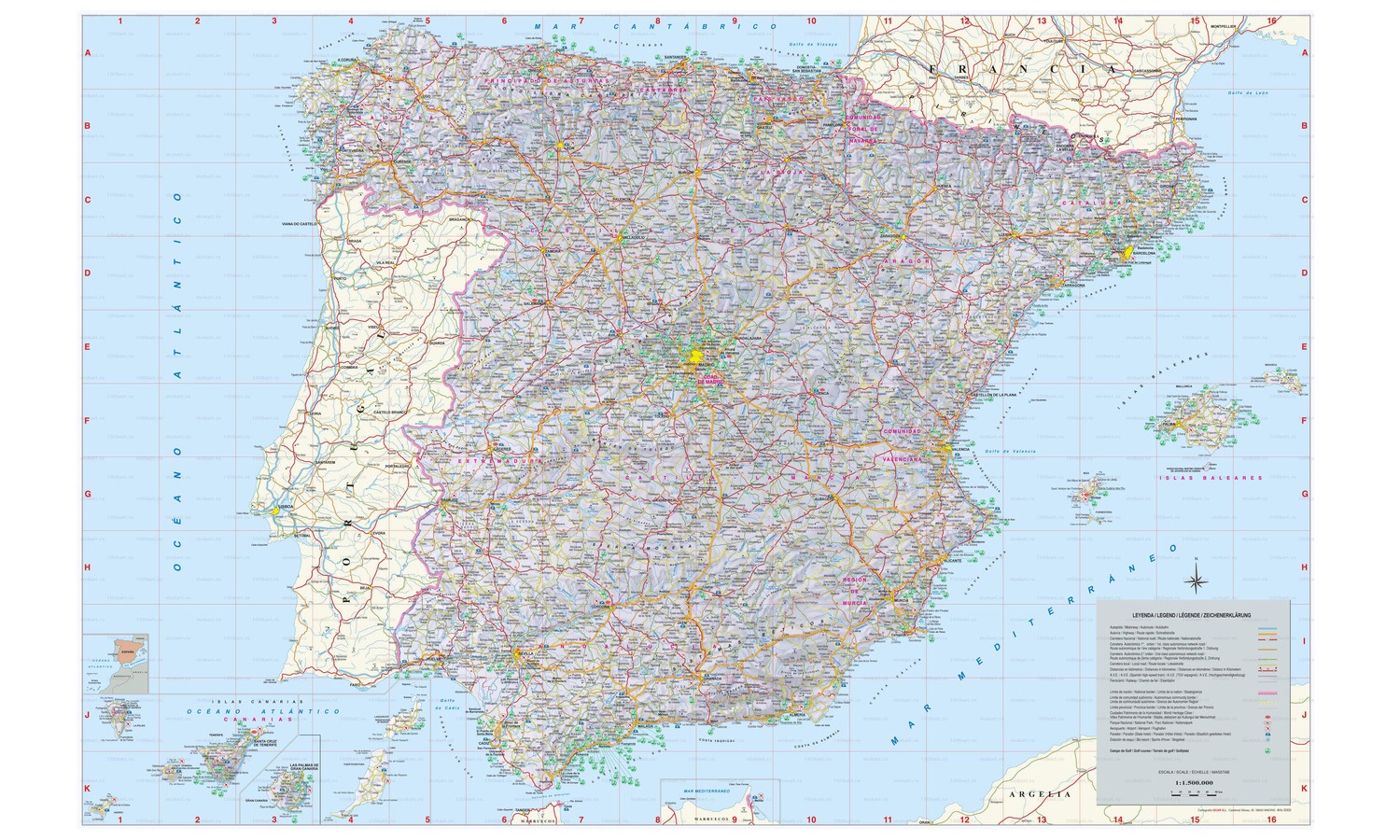
Geely is not the only Chinese company that has shown interest in the Almussafes factory or in establishing a production base in Spain. In recent months, names like Changan —Ford's partner in China since 2001—and MG, a brand of the SAIC Motor group, have also reportedly considered the Valencian facilities. Other companies, such as BYD and Leapmotor, have explored different locations in Catalonia, the Valencian Community, Aragon, Asturias, and Galicia.
Beyond the Valencian Community, developments have also occurred in other regions. Some Chinese manufacturers, such as Zhengzhou Nissan Automobile Co. and Anhui Coronet Tech , have partnered with Santana Motors to assemble SUVs in Jaén, while alliances with large European groups, such as Stellantis, are being considered as an alternative to utilize existing factories in Spain.
The growing interest from these groups stems from their shared desire to establish assembly capacity in Europe to consolidate their presence in the EU market and, as far as possible, circumvent trade barriers. In this context, Geely's investment in Almussafes puts the Valencian plant in a prominent position compared to other European candidates vying to attract similar investments.
Who is Geely and what role does it play in the European automotive industry?

The Zhejiang Geely Holding Group has transformed from a minor player into a global automotive giant . Its western expansion is evident after acquiring Volvo Cars from Ford and gaining control of brands such as Polestar , Lotus , and Smart . With a strategic vision, the group combines the development of competitive electric vehicles with investments in luxury brands. This diversification allows it to cover all segments, consolidating an international presence that is now focusing on Southern Europe to strengthen its operational and logistical network.
The arrival of this powerhouse in Almussafes is part of a plan to circumvent tariffs and reduce costs. Spain is a key destination for vehicle brands seeking stability and established suppliers within the European Union. The use of the Body 3 plant will allow for the production of sustainable mobility models closer to end customers, optimizing continental distribution. This strategic move not only benefits the group's competitiveness but also reaffirms the role of Spanish industry as a magnet for foreign technological investment.

For the Valencia plant, this alliance represents a historic opportunity to recover its production volume and guarantee job stability. The integration of new multi-energy models would offset years of adjustments and declines in manufacturing. Furthermore, the arrival of advanced Chinese technology accelerates the energy transition of the national sector, creating an innovation ecosystem. If the agreement is confirmed, the plant would not only secure its immediate future but would also become a key hub for the production of next-generation electrified vehicles for the entire European market.
Images | Geely – Ford
Table of Contents
- 1 What would Geely have bought in Almussafes and what is Body 3 like…
- 2 A discreet agreement that Ford still calls "speculation"...
- 3 What Geely plans to produce: the EX2/E2 and a model for Ford…
- 4 Impact on the Ford Almussafes plant…
- 5 Advantages for Geely: tariffs, logistics, and industrial ecosystem…
- 6 Competition between Chinese brands to establish themselves in Spain…
- 7 Who is Geely and what role does it play in the European automotive industry?