

The return of Smart 's small city car is already underway. The brand, now under the joint umbrella of Mercedes-Benz and the Geely Group , is preparing to resurrect its most iconic car, adapted for the electric age. The future Smart #2, spiritual successor to the Fortwo , aims to reclaim its former prominence as a symbol of urban mobility, especially in major European cities.
This new model has been revealed for the first time through official sketches and the Concept #2 prototype , which showcase its general lines, its distinctly urban focus, and its more refined positioning. Although the world premiere will take place in China, all indications are that Europe will once again be one of its key markets, with its arrival at dealerships expected around 2027.
Concept #2: a preview of the future Smart #2…
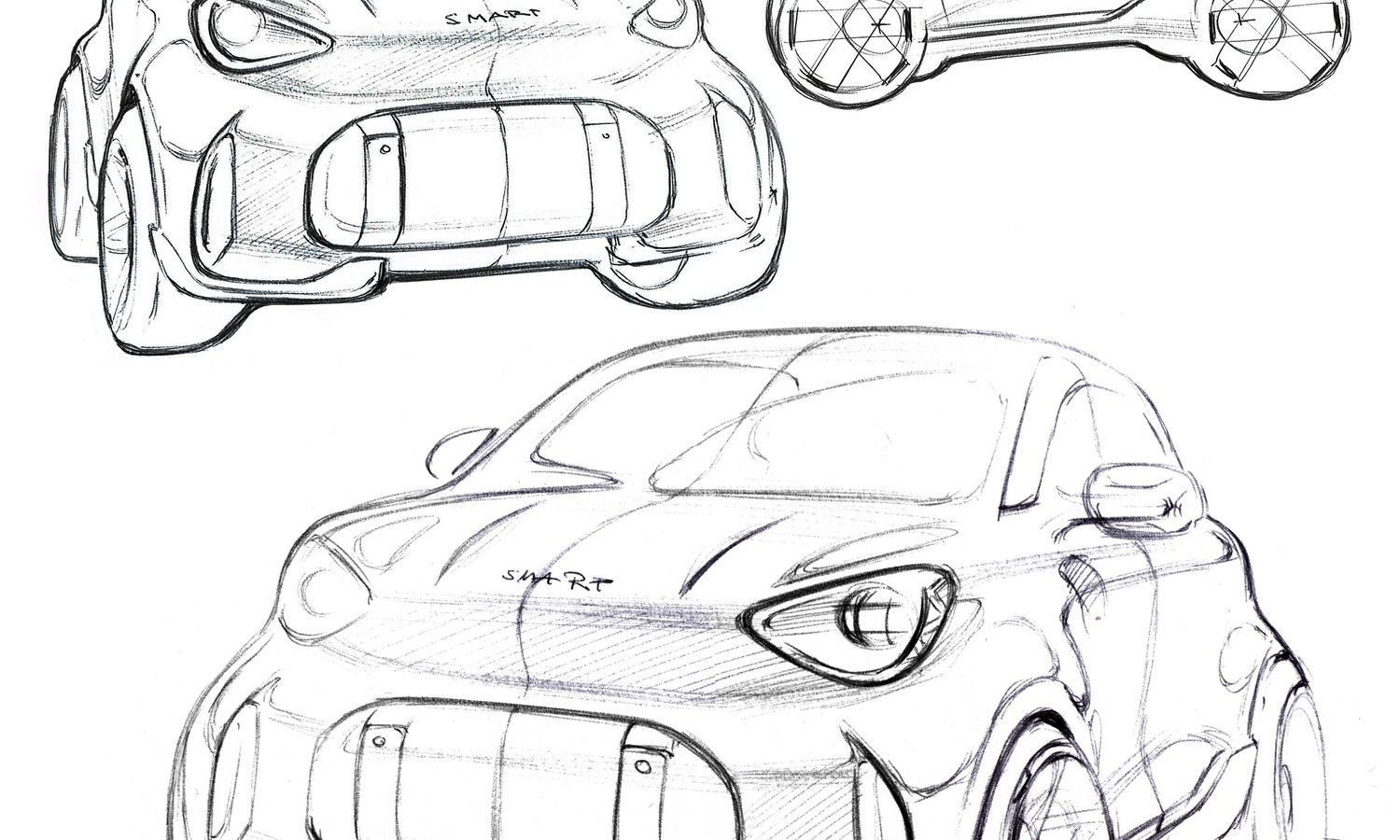
The new Concept #2 prototype lays the foundation for the future production model, reinterpreting the brand's most iconic city car. Official sketches reveal a sophisticated aesthetic that respects the original essence while adopting a minimalist design language. This electric car maintains compact dimensions to ensure its characteristic agility, with every line of its body serving both a practical and aesthetic function, thus defining the standard for modern urban mobility.
For decades, the Smart Fortwo transformed the landscape of major European capitals thanks to its maneuverability and two-seater size. This cultural phenomenon made parking in congested city centers much easier, becoming the perfect everyday companion. The new Smart #2 is born to carry on this historical legacy, adapting it to current technological demands. It positions itself as the natural successor in a market that demands agile, efficient vehicles with a strong focus on sustainable design.
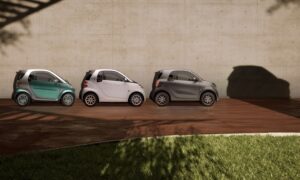
The brand is abandoning its traditional naming convention to integrate this model into its new numbered range, aligning it with recent launches. Despite the name change, the philosophy of a two-seater vehicle designed exclusively for the city remains unchanged. With a total focus on electrification and connectivity, the model aims to attract drivers who value exclusivity and energy efficiency. It is the logical evolution of an icon that now returns to lead the era of smart cars.
Exterior design: fortwo DNA with a twist…
The future Smart #2 is instantly recognizable thanks to proportions that mirror the original model, but with new surfaces. The brand preserves the DNA of the classic Fortwo through a sophisticated visual treatment that prioritizes aerodynamics . At the front, expressive headlights stand out alongside a large, closed grille that reinforces its technological identity. This electric car maintains its iconic essence, adapting modern details to remain the undisputed benchmark in vehicle design for metropolitan environments.
The side profile retains the Tridion safety cell, a signature feature that guarantees protection in this microcar . The wheels are positioned at the extreme corners to maximize stability and interior space in a length of less than three meters. A steeply raked windshield flows towards the rear, culminating in a small spoiler that adds character to the sporty profile. This technical configuration optimizes energy efficiency, key to leading urban mobility with a format that facilitates parking in congested city centers.
While details of the rear remain a mystery, the previews suggest a minimalist style with simply designed taillights. Large-diameter wheels lend a robust appearance, balancing its compact size with a powerful presence. This two-seater is positioned as a technological gem aimed at users seeking exclusivity and functionality. By combining heritage and cutting-edge technology, smart is redefining its most beloved model to compete successfully in the growing European smart car market.
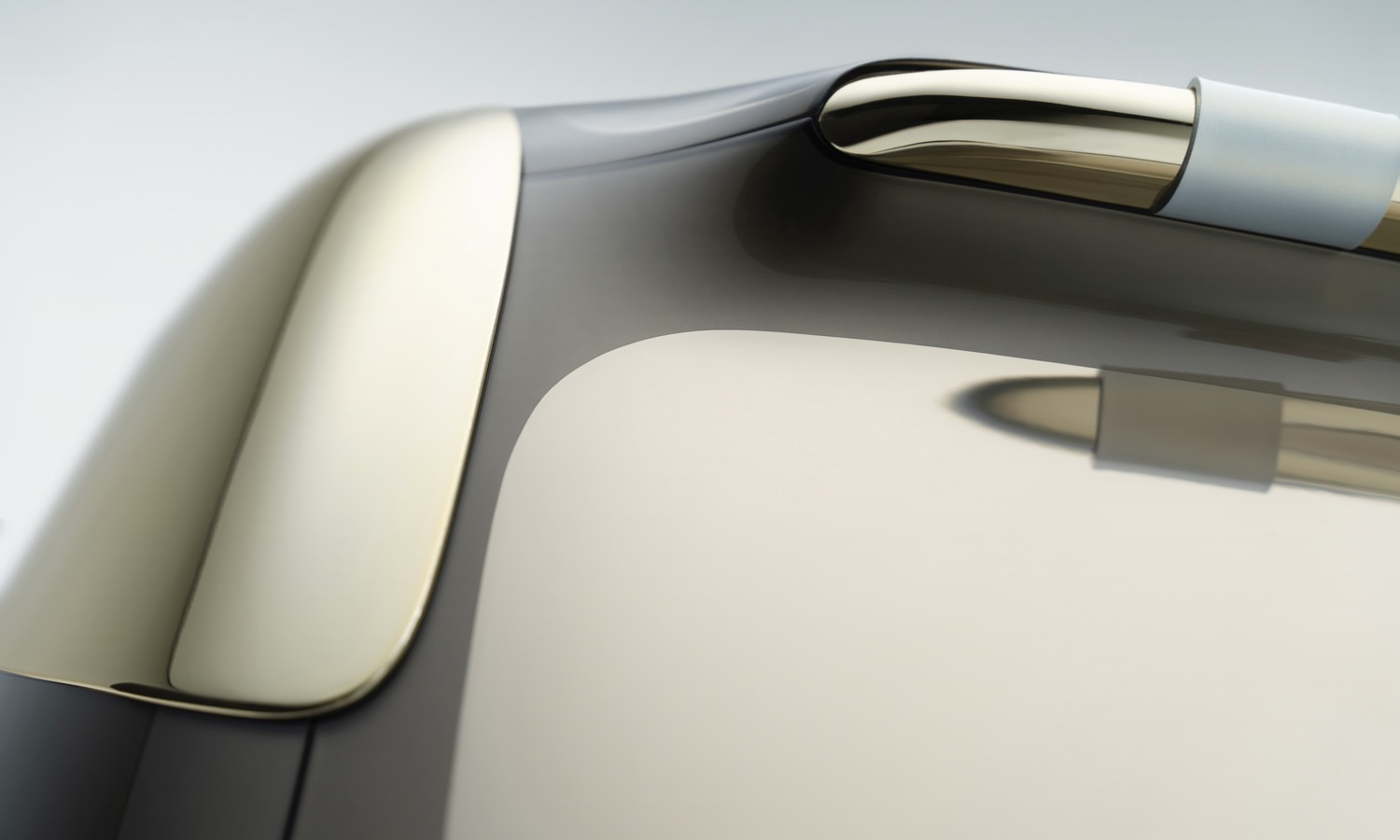
Smart wants its small electric car to be more than just a means of transportation; it also has a certain fashion component and allows for personal expression . Concept #2 explores this idea with a two-tone body dominated by matte white, combined with warm gold accents that run along areas like the windshield pillar and the sharply shaped rear window.
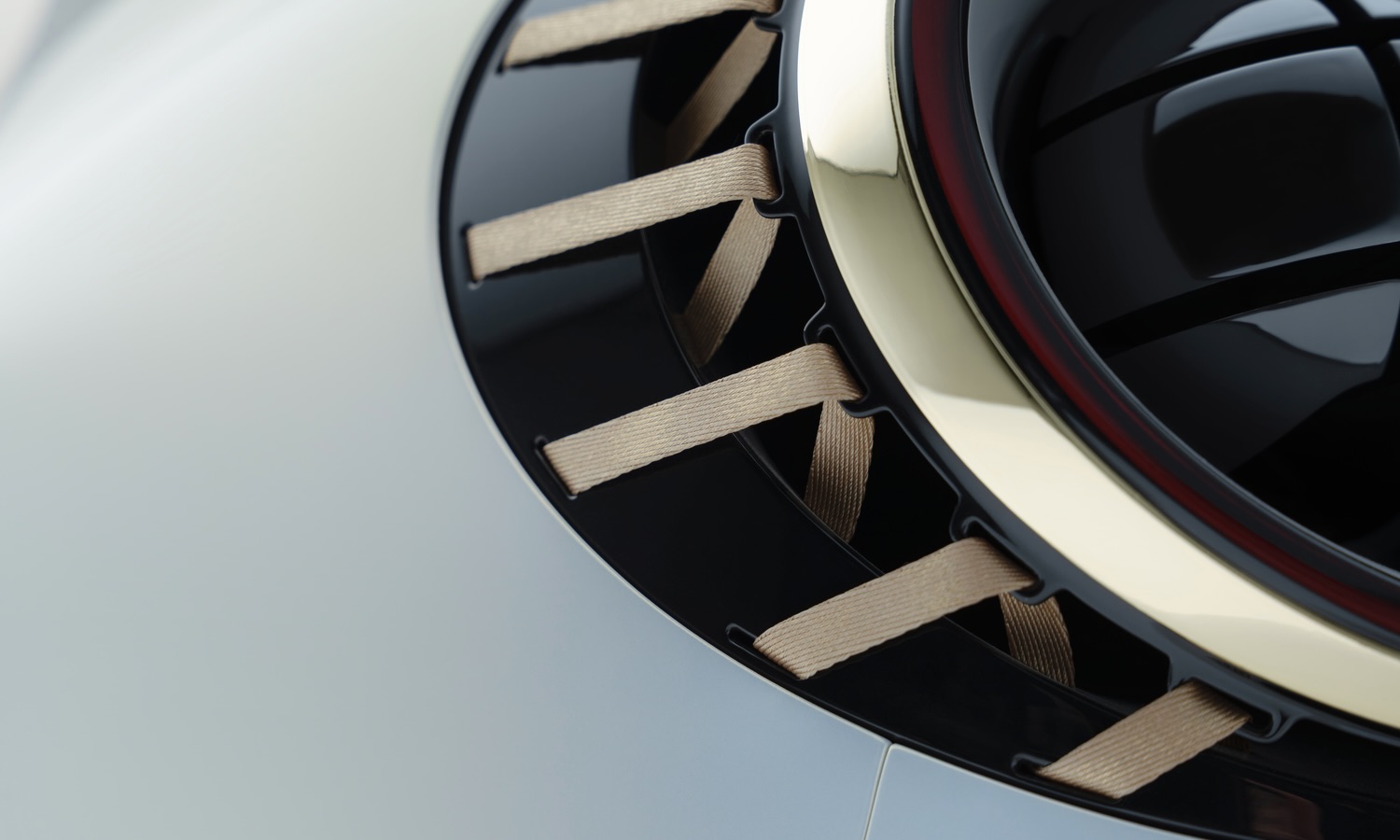
In addition to the color scheme, leather inserts and elements inspired by the world of fashion have been introduced , something unusual in such a compact city car. Leather strap closures and small finishing details aim to position the model a step above its segment, reinforcing its character as a premium city car.

This choice aligns with the brand's new strategy, which aims to position its products as sophisticated urban solutions , moving away from the spartan image of some microcars. The result is a vehicle that strives to be practical, yet also distinctive and, to some extent, aspirational for those who commute daily through city centers.
Joint platform and development between Mercedes-Benz and Geely Auto…

Since the Geely Group acquired a significant stake in Smart, the brand has become integrated into a broader industrial and technological framework. However, Mercedes-Benz continues to maintain a substantial share in the company , and this is reflected in the design approach of the Smart #2.
According to the company, the car's development was a collaborative effort between Mercedes and Geely teams, aiming to create a competitive product for both China and Europe. This partnership leverages Mercedes' expertise in safety and design, combined with the Chinese conglomerate's industrial capacity and commitment to electrification.
The result should be an electric two-seater with a perceived quality close to that of higher segments , but adapted to the needs of daily mobility in densely populated areas. Its compact size and rear-wheel drive will remain defining features of the model.
Engine, range and urban orientation…
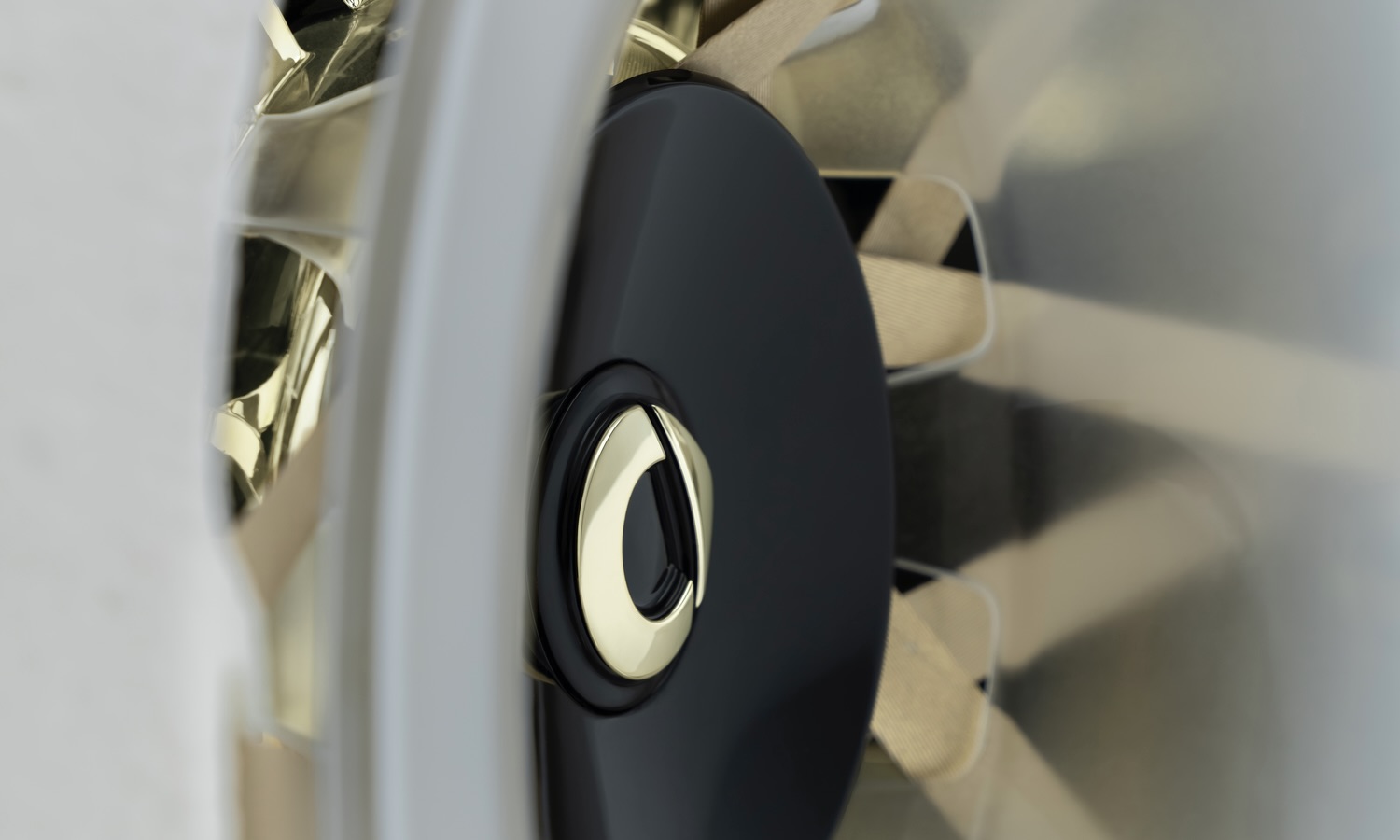
On the technical side, Smart is still keeping some information under wraps, but the initial data provides a fairly clear picture. The new Smart #2 will have its electric motor located at the rear , powering the rear axle, just like previous generations of the Fortwo.
The exact power output hasn't been made public yet, although everything points to a balanced approach designed for city driving , rather than high performance figures. Where there is a clear reference point is in the range: it's expected that on a single charge the car will be able to travel around 300 kilometers, presumably measured using the WLTP cycle, which would put it in a comfortable position for urban and suburban journeys.
To achieve that figure, the battery is expected to be of medium or even compact size , taking advantage of the overall efficiency and the vehicle's low weight. This combination should keep costs down without sacrificing a range sufficient for daily use without constant recharging.
A compact city car for a new era of mobility…
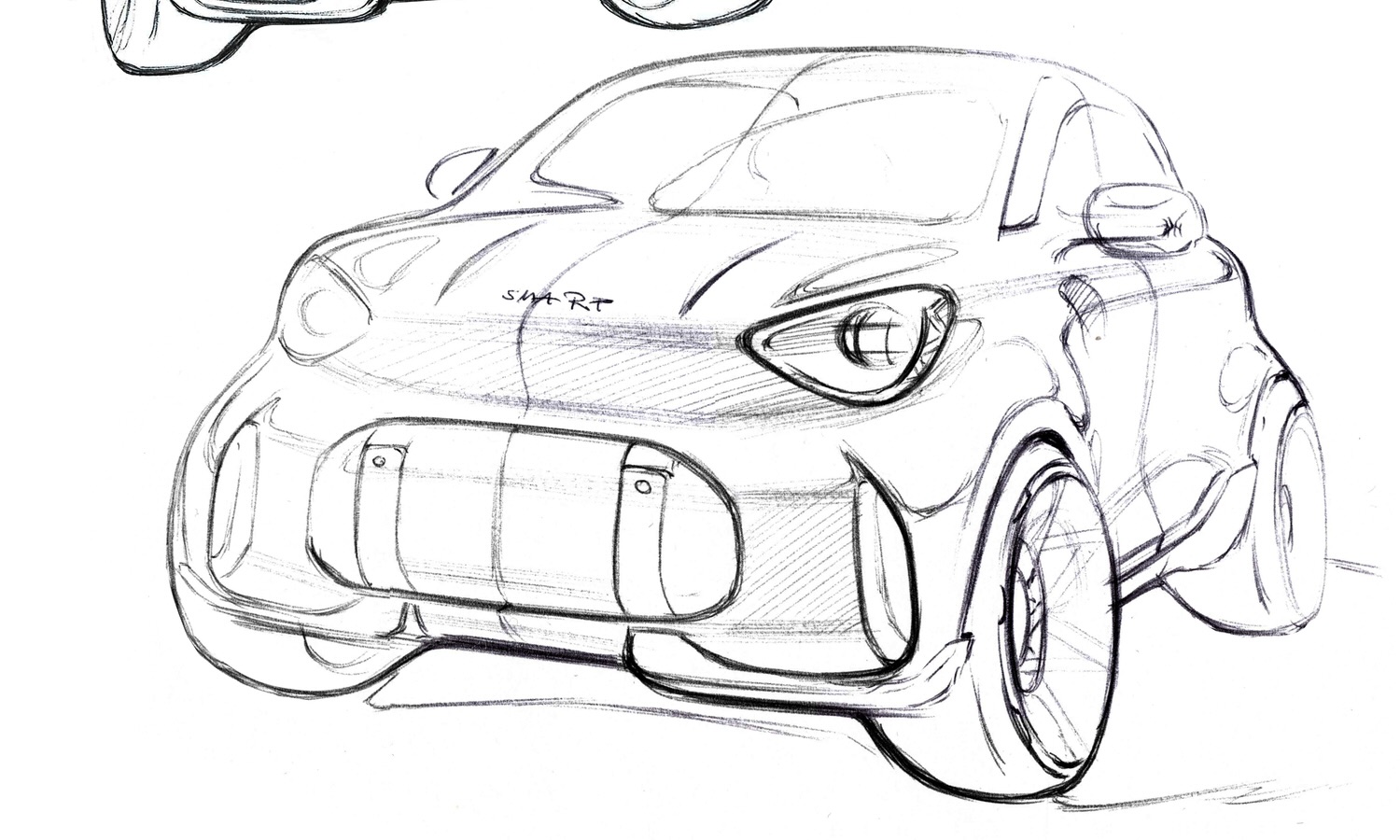
With all this information on the table, the future Smart #2 is shaping up to be a natural successor to the fortwo in the electric era , maintaining its two-seater format, its minimal size and its eminently urban focus, but adding a more refined design and a more exclusive positioning.
The choice of a two-tone aesthetic with gold accents, the return of the Tridion safety cell, and the rear-motor configuration with a range of nearly 300 km create a car that aims to be practical without sacrificing a strong visual personality. And all of this is with an eye on both European streets and major Chinese cities, where space and traffic restrictions make compact, electric solutions increasingly appealing.
If the announced deadlines are met and the final specifications confirm what was shown in Concept #2, Smart could once again position itself as a benchmark in the niche of urban electric microcars, this time with the accumulated experience of its history in Europe and the industrial and technological backing of Geely and Mercedes driving its new stage.
Presentation in Beijing and international strategy…
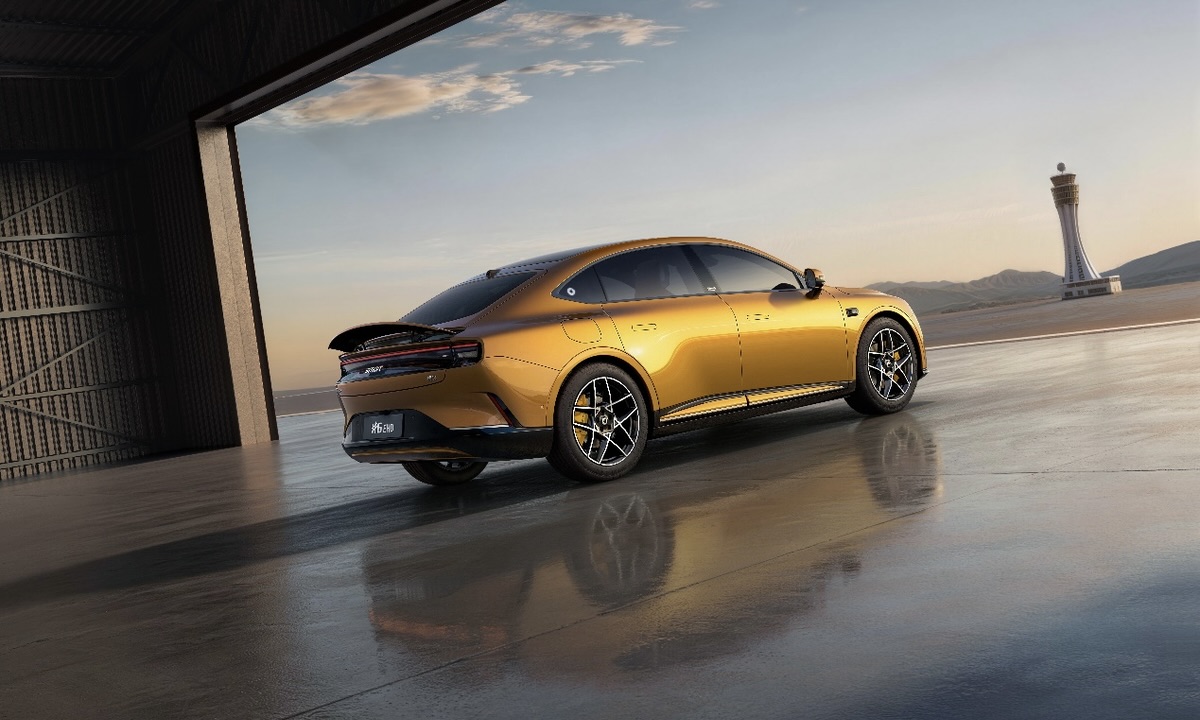
The Concept #2 is scheduled to be unveiled on April 22nd in Beijing, during the global event "Change of Perspectives ," just before its exhibition at the Beijing Auto Show (Auto Beijing). There, it will share the stage with another major new model from the brand, the Smart #6 EHD, a premium fastback sedan with a plug-in hybrid powertrain initially aimed at the Chinese market.
The presence of the Smart #2 and #6 at this event reinforces the idea that the company is engaged in an expansion strategy that is no longer limited to Europe , but rather has China as one of its main pillars. However, unlike other models that might remain exclusively in that market, the small two-seater has a confirmed arrival in Europe.
According to preliminary plans, the Smart #2 should arrive at European dealerships towards the end of 2026 or the beginning of 2027 , once the final production version is unveiled , which is expected by the end of the year following the concept. The #6, meanwhile, could arrive in Europe just a few months after its Asian debut.
Source – Smart
Images | smart


Table of Contents
- 1 Concept #2: a preview of the future Smart #2…
- 2 Exterior design: fortwo DNA with a twist…
- 3 Finishes and style: an urban vehicle with premium aspirations…
- 4 Joint platform and development between Mercedes-Benz and Geely Auto…
- 5 Engine, range and urban orientation…
- 6 A compact city car for a new era of mobility…
- 7 Presentation in Beijing and international strategy…