The Land Rover Range Rover Electric marks a turning point for the quintessential luxury SUV: it retains the stature, presence, and craftsmanship that have made the Range Rover an icon for over half a century, while adding a 100% electric powertrain designed to enhance refinement, capability, and responsiveness on any terrain. Following extensive development and rigorous testing—from the Arctic Circle to the desert—the electric version arrives with a specification sheet focused on what matters most to its customers: the same Range Rover you know and love, “only more Range Rover.”
The product philosophy is clear: first, it must be a true Range Rover; then, an electric one. That's why its design is barely distinguishable from the combustion-engine model, and why Land Rover has also opted for its own architecture and components—motors, battery, power electronics, and software—that integrate electrification with the brand's existing drivetrain, chassis, and energy management systems. The result is a quiet, exceptionally refined , and capable SUV that doesn't compromise on the attributes that have earned it worldwide fame: regal comfort, genuine off-road capabilities, and an understated luxury experience.
This fact sheet compiles all the information confirmed and pre-announced by the brand, as well as the first impressions of the specialized press with development units. Many details are still undergoing homologation or have not yet been definitively revealed, but the technical, usability, and positioning aspects are already quite well defined.
Land Rover Range Rover Electric Design
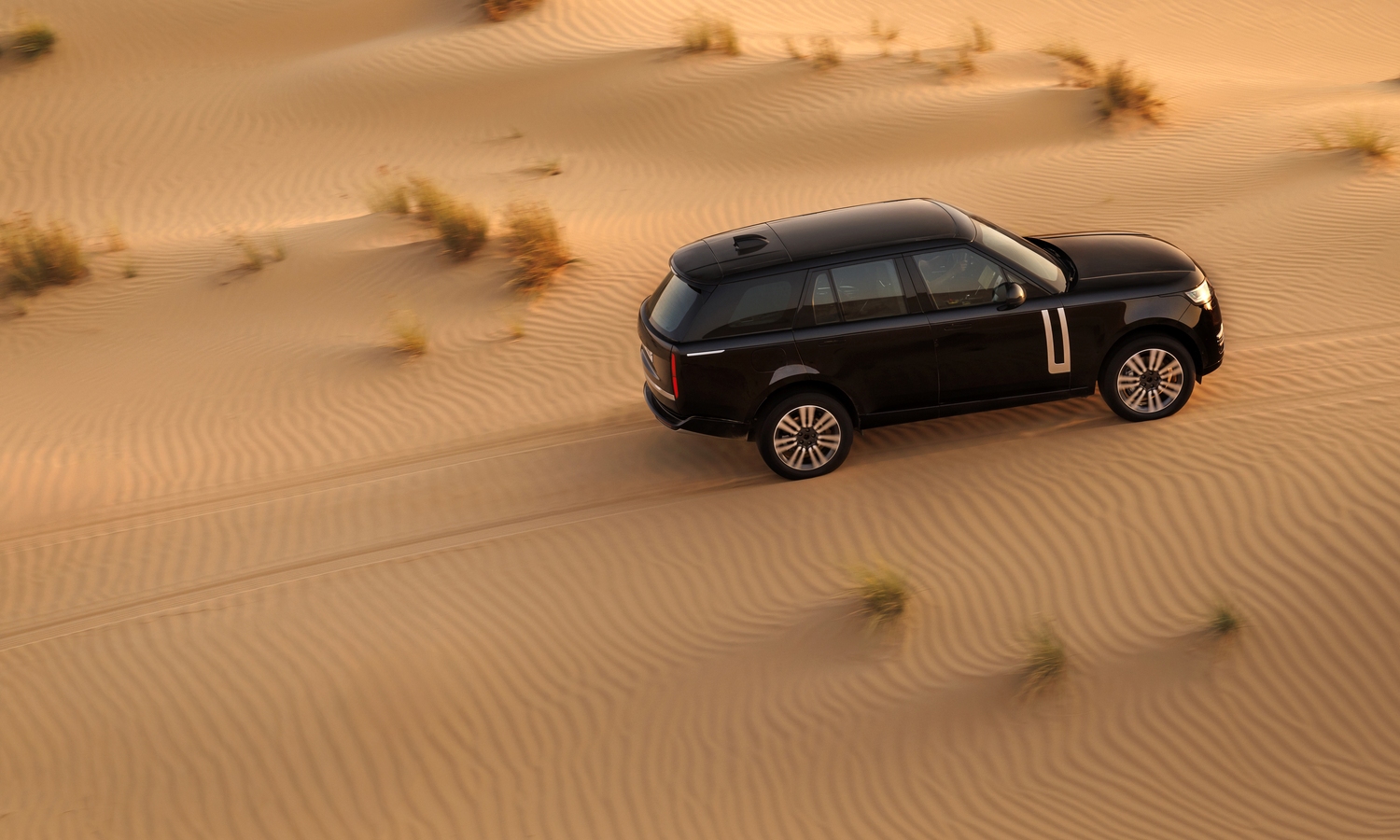
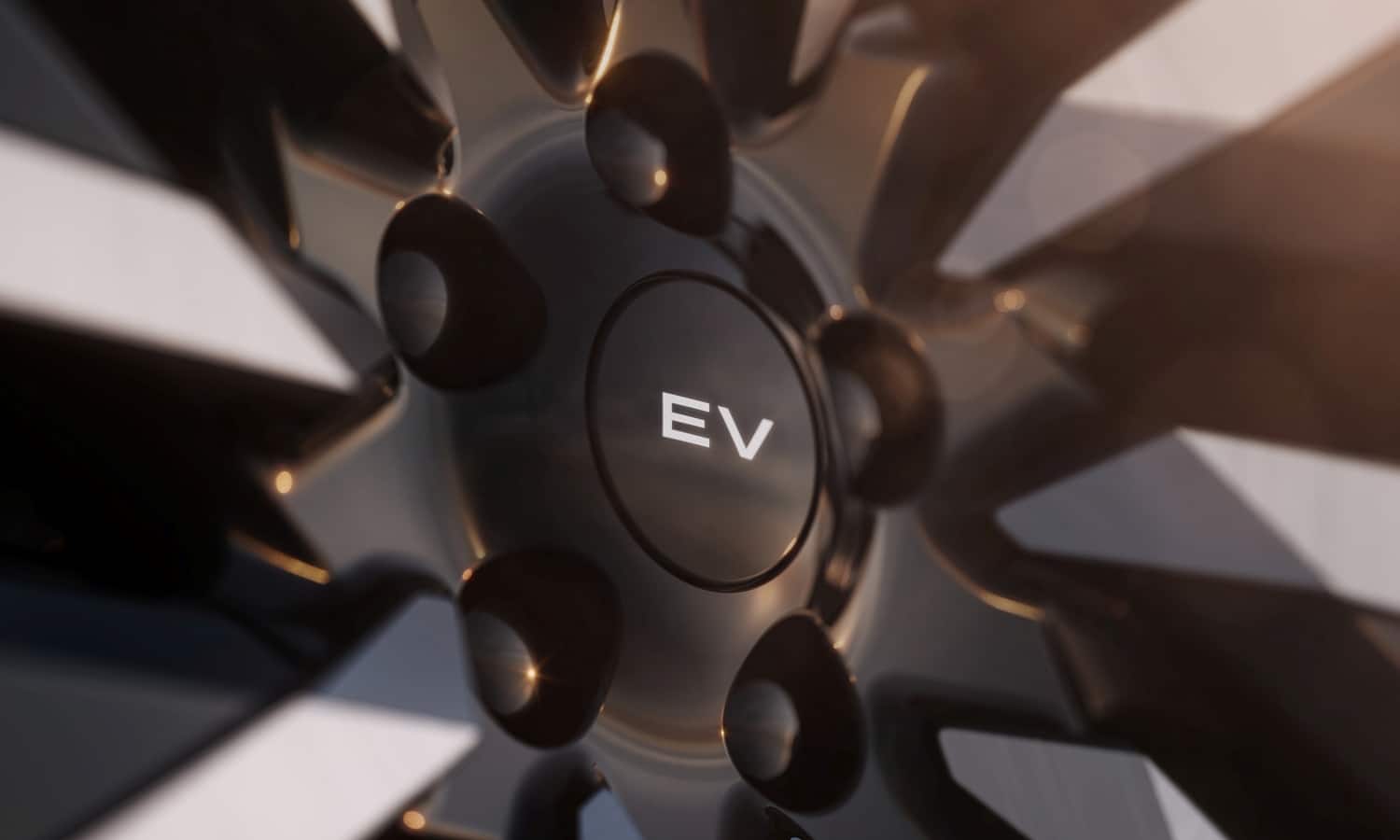
The Range Rover Electric's aesthetics deliberately remain true to the current L460. At first glance, the changes are subtle: a cleaner, more closed grille, a rear diffuser without exhaust outlets, and specific wheel designs with a more aerodynamic profile. The idea is that customers who appreciate the Range Rover's timeless, minimalist design don't feel they have to "change cars" by choosing the electric version. Even the distinguishing badges are understated.
The proportions remain unchanged, with the horizontal hood, smooth surfaces, flush details, and characteristic vertical rear end. The standard wheelbase version (around 5,05 m) will be offered at launch, with the long wheelbase (around 5,25 m) expected to arrive later, reinforcing the "luxury limousine" approach that has always distinguished the LWB versions of the Range Rover. The absence of a frunk or front trunk—the space is reserved for control units and high-voltage system components—is practically the only clue that this Range Rover is neither internal combustion nor hybrid.
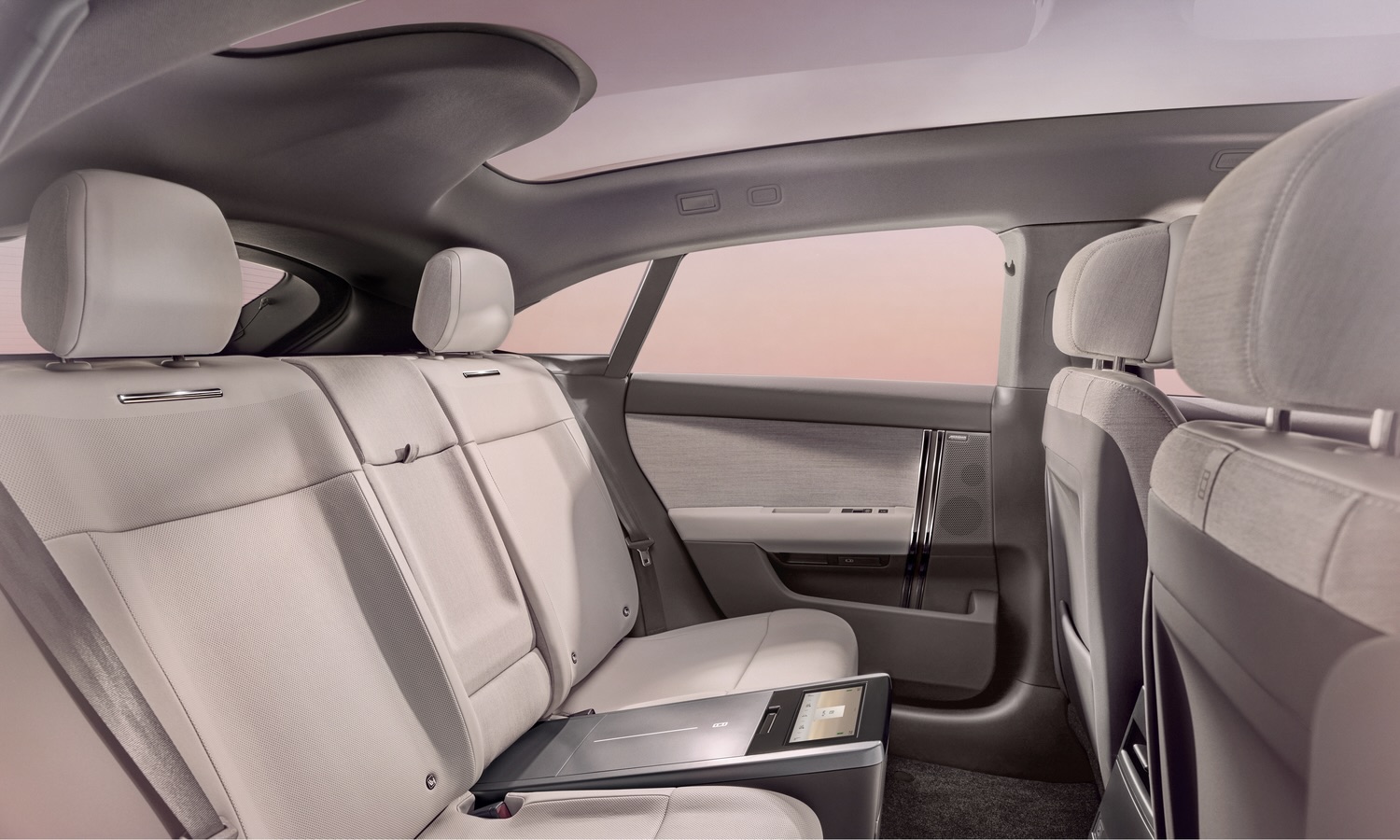
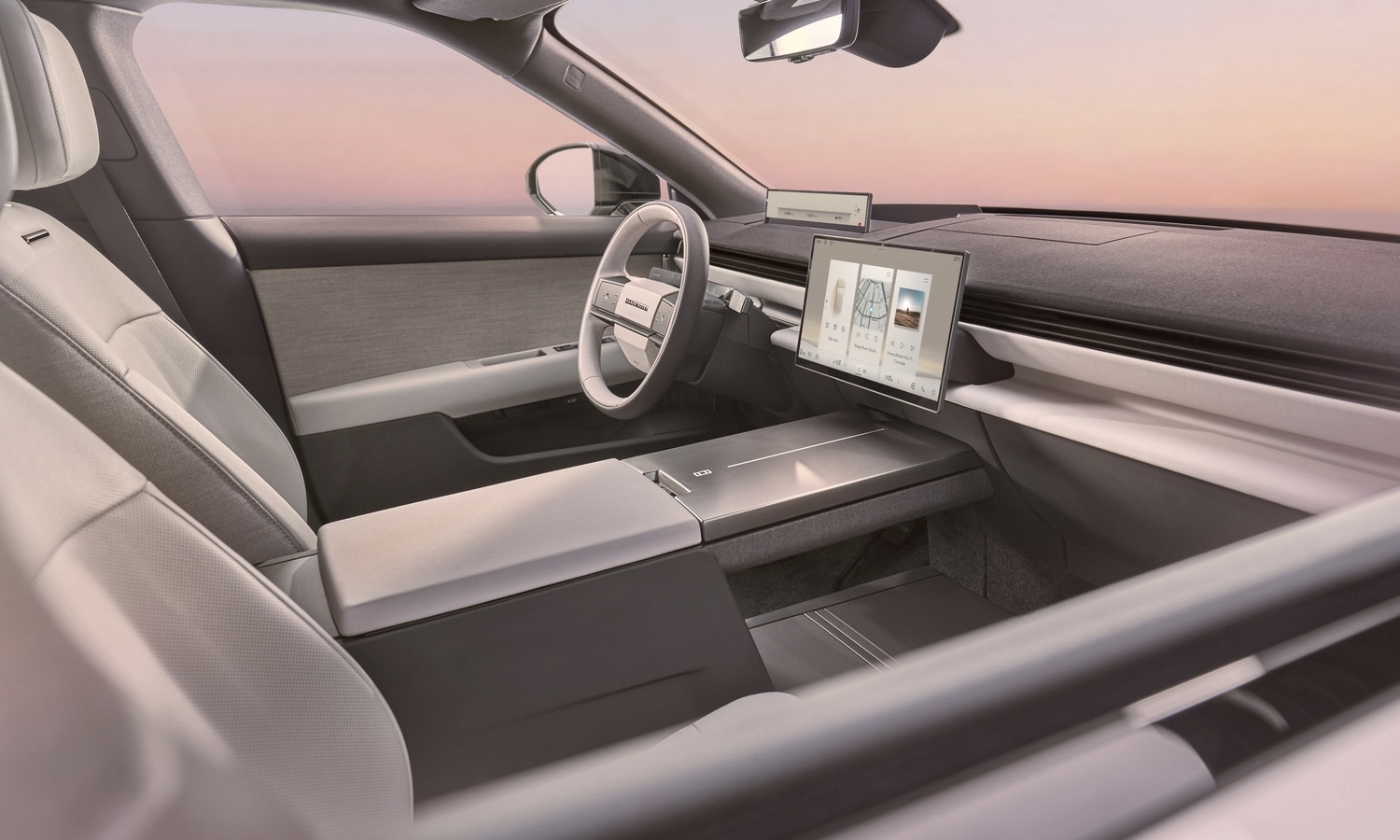
Inside, the offering remains at the forefront of the segment: premium materials, craftsmanship, and ergonomics focused on serenity. The natural sound insulation of the electric drivetrain, the structural insulation of the chassis, and the tuned air suspension elevate acoustic comfort to a superior level, creating that "cocoon" or shell of well-being that the brand has pursued for generations. In terms of interface, it retains the logic of the current Range Rover system, including the integration of driving modes and Terrain Response.
Technical specifications of the Land Rover Range Rover Electric

The technical basis is a profound evolution of the MLA (Modular Longitudinal Architecture) platform, designed from the outset to accommodate full electrification. The Range Rover Electric employs two permanent magnet synchronous electric motors—one per axle—powered by a double-stack battery with approximately 118 kWh of usable capacity (some sources mention 117 kWh in preliminary specifications). This solution is made possible by the vehicle's height and contributes to maintaining good weight distribution and a lower center of gravity than in the combustion engine versions.
- power and torqueThe announced figure for the development prototypes is 542 hp, with a combined torque of 850 Nm (627 lb ft). The official 0-100 km/h time and top speed have not yet been released, but initial tests suggest a "sufficient" and very linear power delivery, prioritizing smoothness over acceleration peaks.
- Battery and thermal managementThe battery operates on an 800V architecture and is assisted by a proprietary thermal management system (internally referred to as Thermassist), capable of continuously evaluating hundreds of parameters to maintain the optimal battery pack temperature, improve efficiency, accelerate charging, and ensure interior comfort. It features a standard heat pump, operational even at temperatures as low as -15°C, and the system has been validated for extreme climates (from approximately -40°C to +50°C).
- LoadIt supports DC fast charging up to 350 kW, with advertised charging times of around 10–80% in 20–30 minutes, depending on conditions. For AC charging, it comes standard with 22 kW. It also features a "virtual split battery" function to optimize charging at 400 V charging points, dividing the battery pack into two 400 V banks that charge in parallel to support higher power levels on that infrastructure.
- AutonomyLand Rover claims a range of "more than 300 miles" (over 480 km), and various media outlets estimate a WLTP range of around 310-330 miles (approximately 500-530 km), pending final homologation. The brand emphasizes that these figures have been adjusted to reflect the actual usage of its customers, based on millions of analyzed journeys.
- Chassis and suspensionIt retains the air suspension with settings and control logic specific to the electric version. Dual-rate springs and damping calibration have been introduced, providing more precise control of pitch and roll, taking advantage of the lower center of gravity. Rear-wheel steering is available to improve the turning radius and low-speed agility.
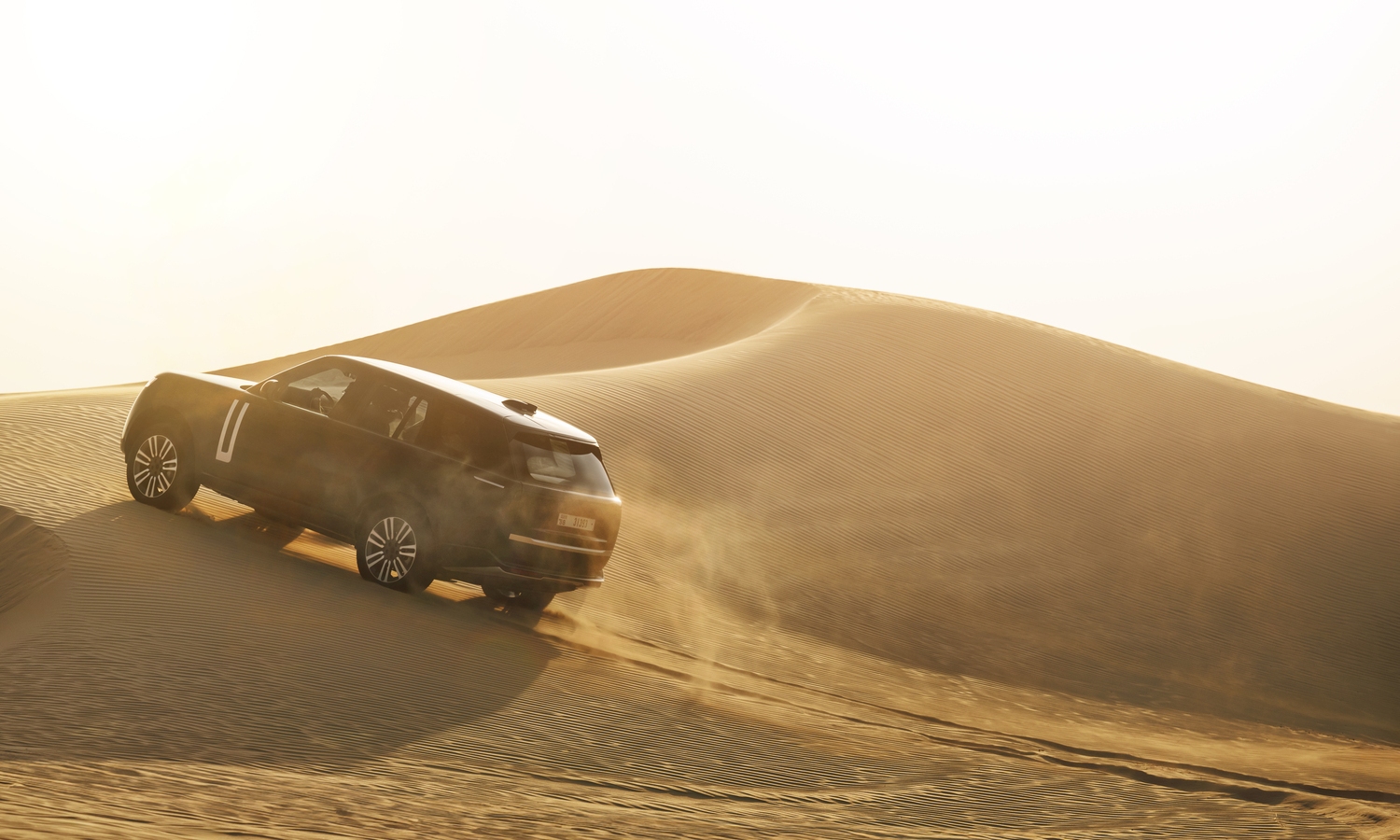
- Off-road capabilityIt preserves and elevates what defines a Range Rover. Thanks to its two engines and advanced traction control, slip management is up to 100 times faster than in combustion engine models. The Integrated Traction Management (ITM) and Independent Driveline Distribution (IDD) systems detect loss of grip in milliseconds and modulate torque instantly. Integration with Terrain Response and Hill Descent Braking also allows for one-pedal driving to extend to off-road use with unprecedented precision. The declared wading depth reaches 900 mm, maintaining the model's signature off-road capability.
- GeometriesAlthough the large battery pack slightly reduces the breakover angle —development sources say approximately 22º—, the brand assures that the key dimensions (approach, departure, ground clearance) equal or improve upon those of the conventional Range Rover in most modes.
Land Rover Range Rover Electric mechanical range
The Range Rover Electric launches with a twin-motor setup (one motor per axle) and software-controlled all-wheel drive, boasting 542 hp and 850 Nm of torque as announced during the prototype phase. There is no official confirmation of additional power variants or four-motor configurations; in fact, JLR engineers maintain that the twin-motor approach optimizes weight, packaging, and efficiency for real-world Range Rover use.
As for batteries, the usable pack is around 118 kWh and operates at 800 V. The brand has prioritized a balance between capacity, weight, and thermal performance to maintain competitive real-world ranges and high charging power without penalties in extreme weather. The standard wheelbase version will arrive first; the long wheelbase will be added later, expanding the options for those seeking limousine-level rear passenger space.
Equipment of the Land Rover Range Rover Electric
Pending the final list of trims, the planned equipment reflects the philosophy of "quiet luxury" and high Range Rover capabilities:
- Next-generation off-road traction and assistance systems: Terrain Response with full integration of electric propulsion, specific modes for snow, mud, sand and rocks, and coordination with one-pedal driving and Hill Descent Braking.
- Air suspension with double-rate springs and recalibrated damping for the BEV version, seeking body control without sacrificing comfort.
- 800V electrical architecture with DC fast charging up to 350 kW and 22 kW three-phase AC as standard.
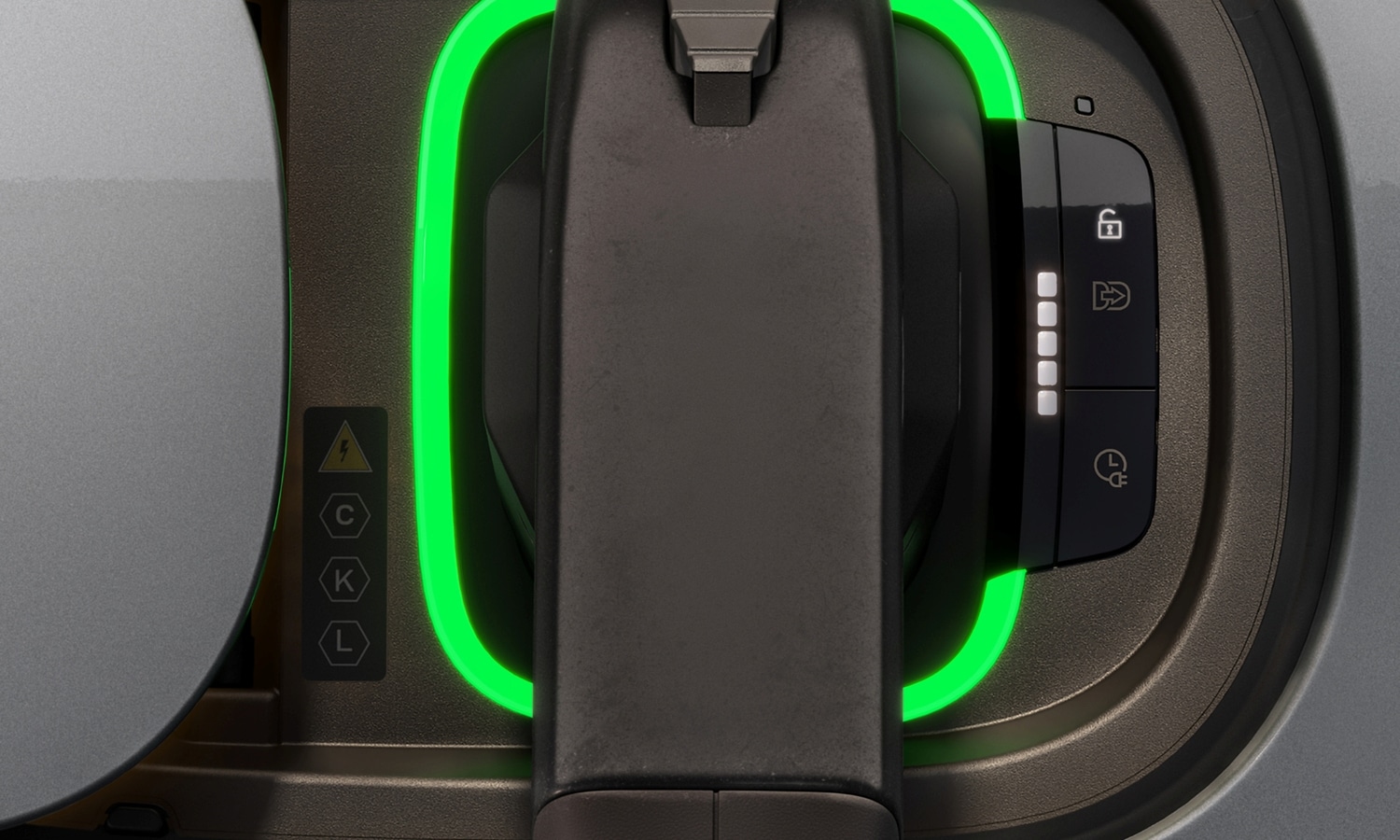
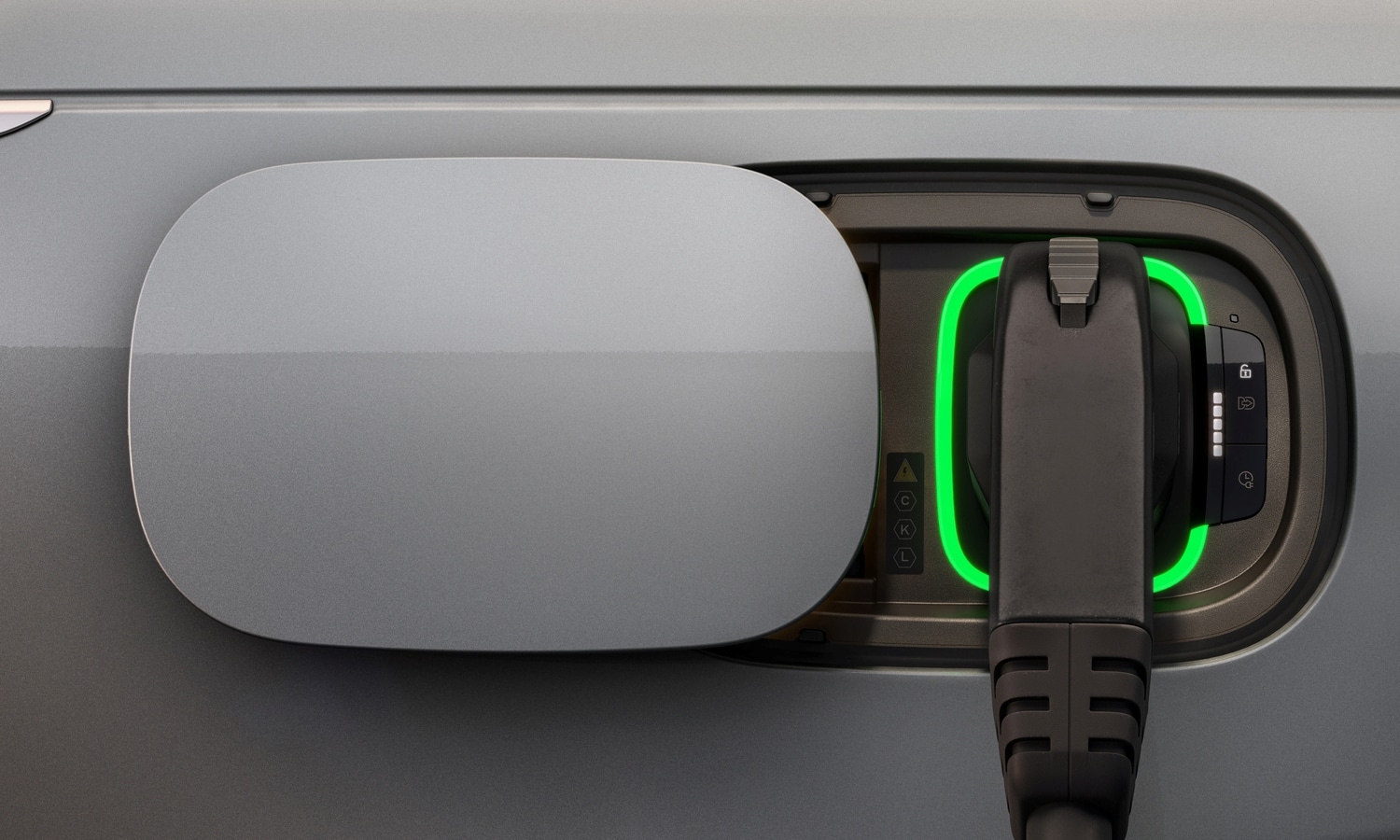
- Charging ports on both sides in the rear area to facilitate connection both on public roads and in garages, with motorized covers and illuminated signage.
- Advanced thermal management (Thermassist) with heat pump operating in extreme cold, prioritizing performance, autonomy and comfort.
- Rear-wheel steering to improve urban maneuverability and stability during lane changes.
- One-pedal driving with multiple levels of regeneration, tuned for asphalt and also for off-road use.
Inside, you can expect the same high-quality materials and technology as the current Range Rover: premium upholstery, exquisitely crafted inserts and controls, and the brand's infotainment system with integrated driving modes. The acoustics benefit from both the absence of a combustion engine and extensive sealing and structural insulation, resulting in a truly exceptionally quiet interior.
The Land Rover Range Rover Electric according to EuroNCAP
Euro NCAP crash test of the 2023 Range Rover (L460 generation) with a 5-star rating. The video summarizes the frontal and side impacts, pole test, vulnerable road user protection, and driver assistance system evaluations (automatic emergency braking, lane keeping assist, and cruise control). Although it corresponds to the combustion engine version, it shares a structural underpinnings and safety technologies with the Range Rover Electric, making it a useful reference until the specific rating for the BEV is published.
Rivals of the Land Rover Range Rover Electric
The Range Rover Electric sits at the top of the luxury electric SUV segment, a rapidly growing field. Its most direct rivals include:
- Mercedes-Benz EQS SUV: a benchmark for technology and high WLTP autonomy, with a focus on premium comfort and great habitability.
- Bmw iXIt offers high power, a good range of real-world use, and a very elaborate chassis, with a more avant-garde image.
- Volvo EX90It focuses on safety and efficiency, with seven seats and a modern platform, at more affordable prices.
- Lotus Eletre: a sportier approach with a striking design, very high power output, and a high level of technology.
- Kia EV9: a large, 3-row alternative, very competitive in price and practicality, although with a lower luxury positioning.
In terms of design, refinement, and 4x4 capabilities, the Range Rover Electric maintains a unique personality. It doesn't aim to be the most eye-catching; rather, it strives to be the most serene, capable, and luxurious for everyday use and off-road adventures. Its competitive advantage will lie in its final homologated range, real-world efficiency, and pricing/equipment strategy compared to its German and Scandinavian rivals.
Points to mark
- Outstanding refinement: quiet ride and top-level suspension comfort, enhanced by electric propulsion.
- Real off-road capability with instant response: traction management 100 times faster than in combustion engines, integration with Terrain Response and wading up to 900 mm.
- High-performance electrical infrastructure: 800 V, up to 350 kW DC, 22 kW AC and charging ports on both sides.
Points to improve
- Estimated range “>300 miles”: could fall short of the WLTP figures of some rivals that advertise 600 km or more.
- High price: expected to start from around £130.000, with configurations that could approach (or exceed) £150.000.
- No frunk and unconfirmed trunk data: the absence of a front storage space reduces versatility and there is still no official rear cargo figure.
Land Rover Range Rover Electric Prices
Official pricing by market is pending announcement. References published by specialist media in the UK place the starting price "from" around £130.000, with well-equipped configurations potentially approaching or exceeding £150.000. Initial availability is planned for the standard wheelbase version; the later arrival of the long-wheelbase variant could mean an additional price increase. As always with Range Rover, customization and comfort/technology packages will significantly influence the final cost. Final pricing, fixed equipment levels, and any service/warranty programs associated with the battery (8 years or 160.000 km, according to the brand's battery coverage information) will be confirmed at the launch phase in each country.