

The race for solid-state batteries , considered by many to be the "Holy Grail" of electric mobility, has taken a giant leap forward in recent weeks. The world's two largest battery manufacturers, China's CATL and BYD, have made their moves almost simultaneously, both setting their sights on 2027 as the year they will begin producing their first cells on a small scale. This is no coincidence: the technology promises to solve some of the major problems of current electric cars, such as range, weight, and safety, but its arrival in the mass market still seems a long way off.
The timing is no coincidence. While CATL was confirming to its investors that it will begin pilot production lines in 2027, BYD was receiving several patents related to this technology, demonstrating that both Chinese giants are competing neck and neck to lead the next generation of batteries. However, experts caution that pilot production doesn't mean we'll see cars with these batteries in dealerships next year . There's still a long way to go, and the first to benefit will be the most expensive models on the market.

What has BYD patented and why is it important?
BYD has published a total of seven patents related to solid-state batteries, all aimed at solving one of the biggest challenges of this technology: maintaining reliable contact between solid materials during thousands of charge and discharge cycles. The first document, dated July 28, 2026, describes a positive electrode that combines small-particle halides with larger-particle sulfides. The other six patents develop complementary solutions, such as an intermediate layer to prevent unwanted chemical reactions, a system for controlling heat under demanding conditions, and an electrode divided into two zones with different materials.

One of the most striking proposals is a dual-layer cathode that combines monocrystalline materials, which are more resistant to cracking, with polycrystalline materials, which offer better performance in fast charging. Furthermore, BYD plans to use a minimal amount of liquid in very specific areas of the cell, just to maintain electrical contact, in a kind of hybrid solution that doesn't sacrifice the advantages of a solid electrolyte. The goal is for the battery to withstand thousands of cycles without losing performance , something fundamental for the technology to be viable in a real car.

The CATL and BYD calendar: 2027, a year of testing
CATL, the world's largest battery manufacturer with a 43,2% market share in China, has confirmed that it will begin small-scale pilot production of solid-state cells in 2027. The company, currently at level 4 of 9 on the Technology Readiness Level (TRL) scale, expects to reach levels 7 or 8 by then, which would allow it to begin initial validations under real-world conditions. Meanwhile, BYD plans to assemble its first test cells in experimental vehicles, presumably camouflaged, also in 2027.
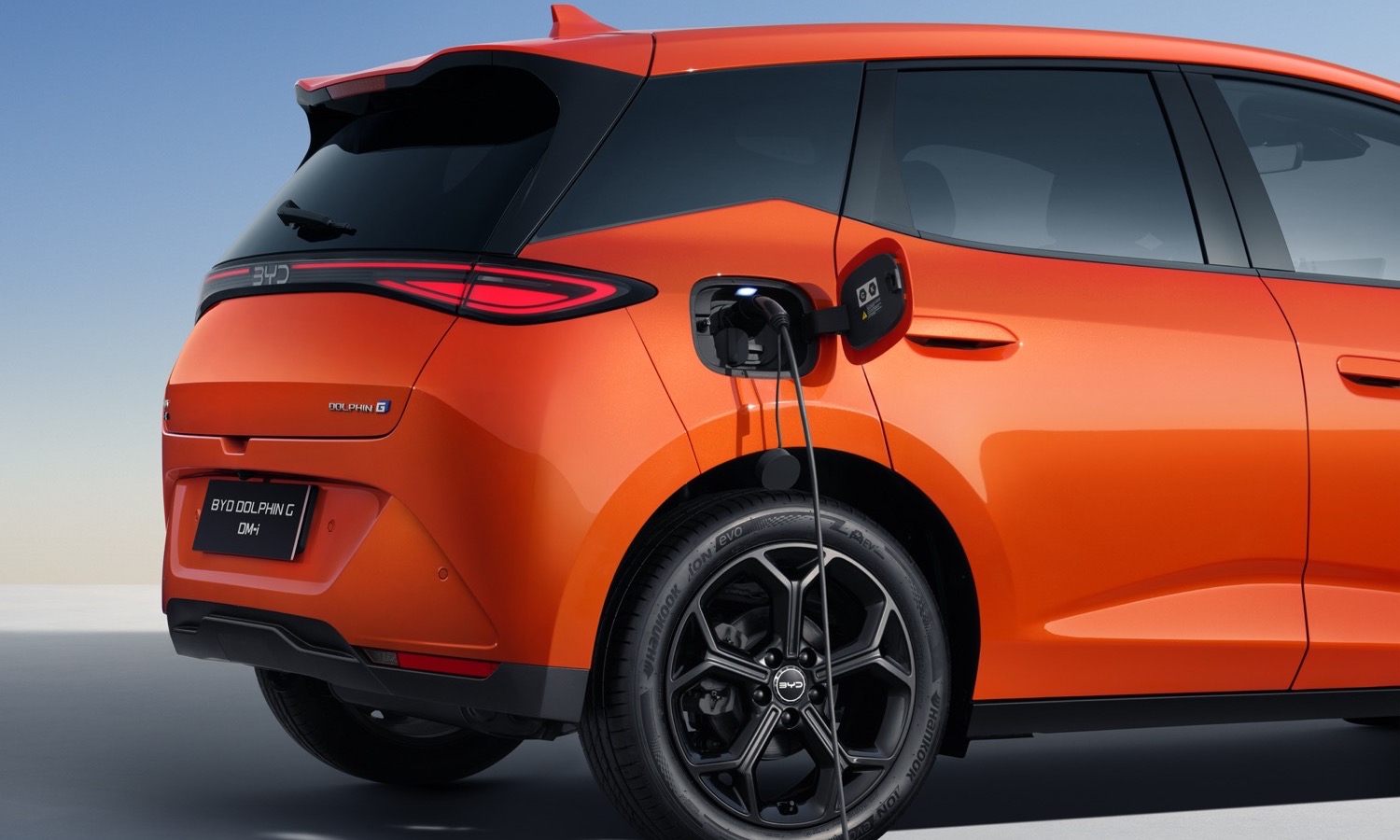
BYD's chief scientist, Lian Yubo, has endorsed this timeline, although he noted that mass production remains the major hurdle. It's not enough for the technology to work in the lab: it has to perform reliably for at least a decade, in all types of climates, and without the price skyrocketing . In fact, CATL sets the threshold for large-scale production at one million vehicles per year, a figure it doesn't expect to reach before 2030.

Prices and market: the first will be the premium models
Technical and manufacturing limitations will mean that the first commercial batches of solid-state batteries will be reserved for high-end models. As explained by CATL itself, the first cars with this technology will have starting prices of 250.000 yuan, approximately €30.000. While this may seem like a reasonable figure for the Spanish market, in China that budget would only cover the cost of two entry-level cars like the Jaecoo 7. Large-scale production and competitive costs will remain a challenge for several more years.
The race, however, is not limited to CATL and BYD. Manufacturers like Dongfeng and Changan, and startups like Pure Lithium, have also entered the fray , knowing that this technology could reshape the current power landscape in the automotive industry. The transition to solid-state batteries not only promises greater range and less weight, but could also open the door to new players who can solve the specific problems of this emerging technology.
What does it mean for the European driver?
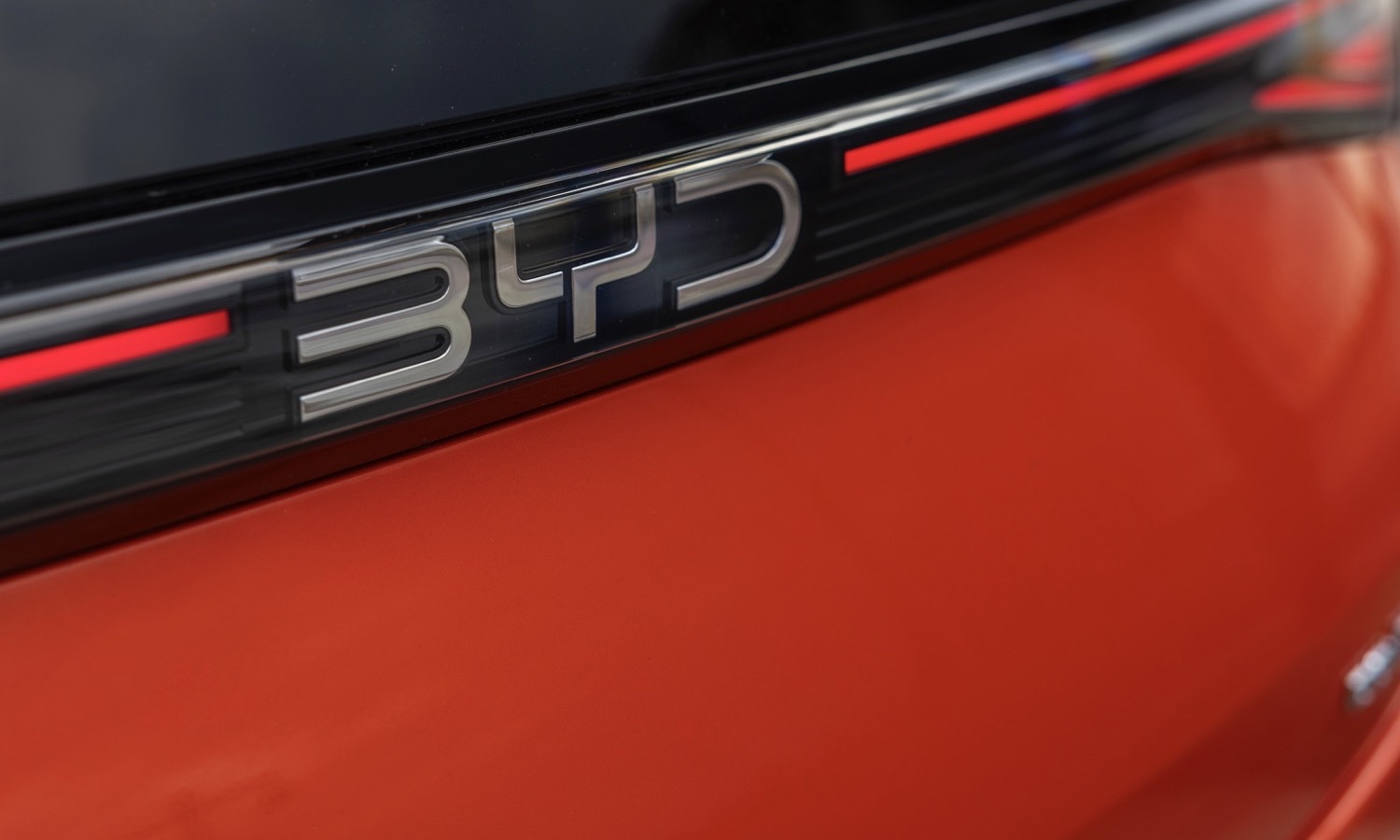
For European drivers, the arrival of solid-state batteries would represent a paradigm shift. With an energy density that could double that of current batteries, an average electric car could go from 500 to 1.000 kilometers of certified range without increasing the size of the battery pack. Charging anxiety, that irrational fear of being stranded, would be drastically reduced. But experts recommend caution: the 2.000 kilometers that BYD mentions is a technical target, not a figure we'll see in the specifications of a specific model.
Meanwhile, current technology already allows for long journeys with proper planning. Solid-state batteries are coming, but it's not advisable to wait until 2030 to make the switch to electric cars . The industry is working to ensure the question isn't "Will I make it or not?", but rather "When are we leaving?". And although there's still a long way to go, the publication of these patents demonstrates that solid-state technology is getting closer to becoming a tangible reality.
