

BMW's performance division is about to take a long-awaited step: the M3 will add a fully electric version to its existing combustion engine lineup, becoming the first zero-emissions M3 in history. The future electric BMW M3 is based on the Neue Klasse platform and will draw inspiration from the M Concept that the brand unveiled a few months ago. While official specifications are still unavailable, images of camouflaged prototypes and BMW's announcements allow us to piece together much of what's to come.
The news comes at a symbolic moment for BMW M, which has just surpassed one million units produced. The one millionth car was an M3 Competition in Individual Fire Orange III paint, assembled at the Munich plant. That same factory will be responsible for producing the first all-electric M3, further strengthening the link between the model and the company's historic headquarters.

Four engines and a power output that is not yet official.
One of the most intriguing aspects is the powertrain. BMW has confirmed that the electric M3 will feature four electric motors, one per wheel , an architecture that will allow for independent torque distribution to each axle and wheel. Furthermore, the front axle can be disconnected to allow rear-wheel drive only when selected by the driver or when the system deems it more efficient.
The final power output remains a mystery. Information from internal sources and rumors place the figure above 800 hp , and some estimates even suggest it could approach 1.000 hp. BMW hasn't confirmed anything, so these figures should be taken with a grain of salt. Its most direct rival, the electric Mercedes-AMG C-Class, is also being developed with various powertrains and is expected to produce around 800 hp, giving an idea of the battle that lies ahead.
Design: less radical than the concept, but with M DNA

The prototypes seen so far retain features of the M Concept Neue Klasse, albeit with a more production-oriented approach. The final model is expected to keep the so-called Track Lights , square auxiliary lights at the bumper's edges, as well as the yellow graphics in the headlights. Widened wheel arches, a hood with air intakes, and a small rear spoiler are also visible.
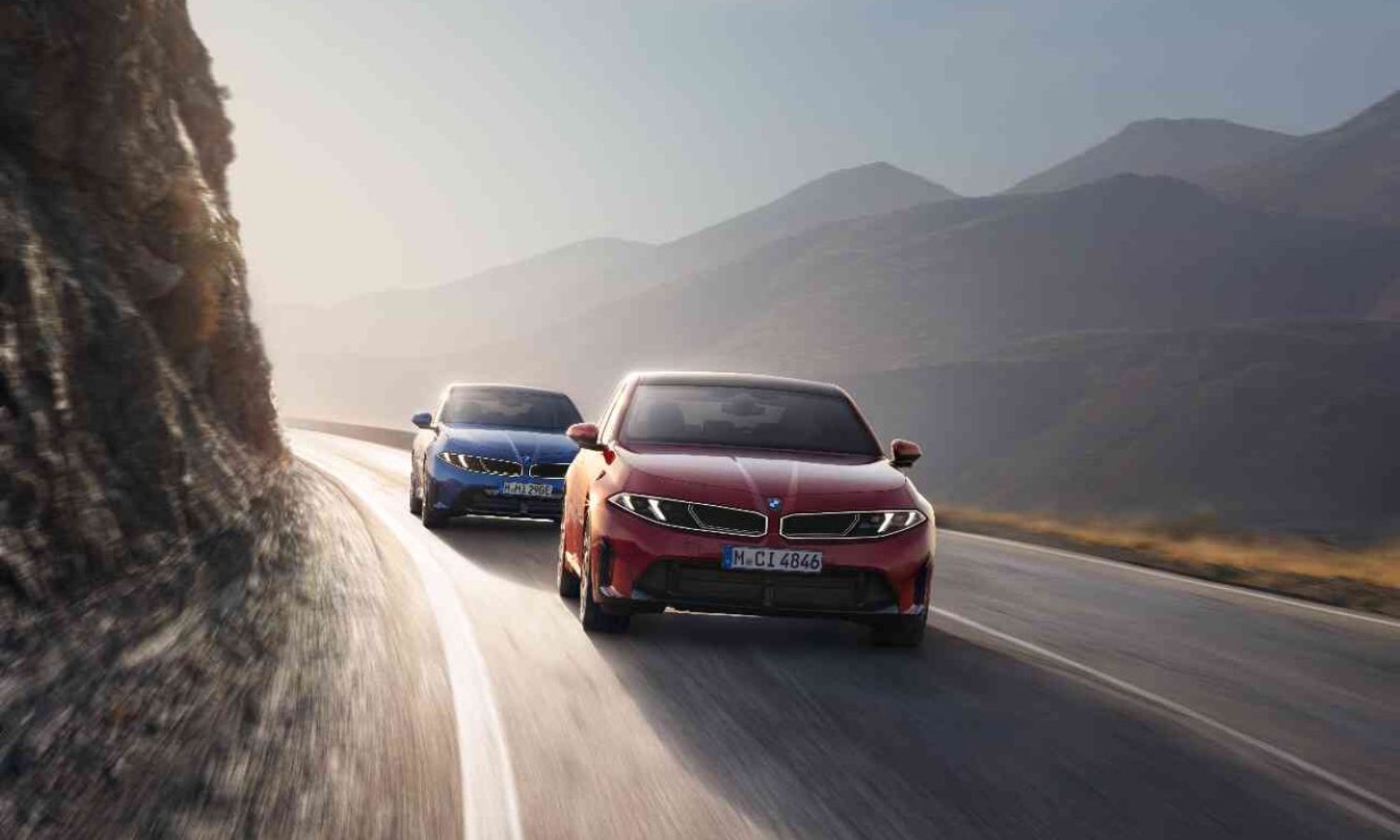
BMW has toned down some of the concept's extreme elements. The camouflaged images show conventional rearview mirrors, flush door handles, and a less aggressive front bumper. The camouflage has also been gradually reduced over time, revealing a body with sporty proportions and a rear end with pronounced shoulders. Even so, the brand has not yet announced when the undisguised version of the car will be revealed.
Munich, the industrial heart of the future M3
The most concrete part of the announcement is the industrial aspect. BMW has confirmed that the electric M3 will be manufactured at its Munich plant, the same one that will exclusively assemble electric vehicles starting in 2027. To achieve this, the company has invested around €650 million in converting the complex, which includes a new body shop, renovated logistics areas, and a state-of-the-art assembly line.

BMW Group's main plant has carried out these works without interrupting production. The factory already assembles the electric i3 and, in the future, will have a designated space for the electric M3. The current generation of the combustion-engine M3 has been manufactured in Munich since 2020, so the change in powertrain will maintain a historical continuity between the model and the factory.
A petrol-powered M3 will still be part of the equation
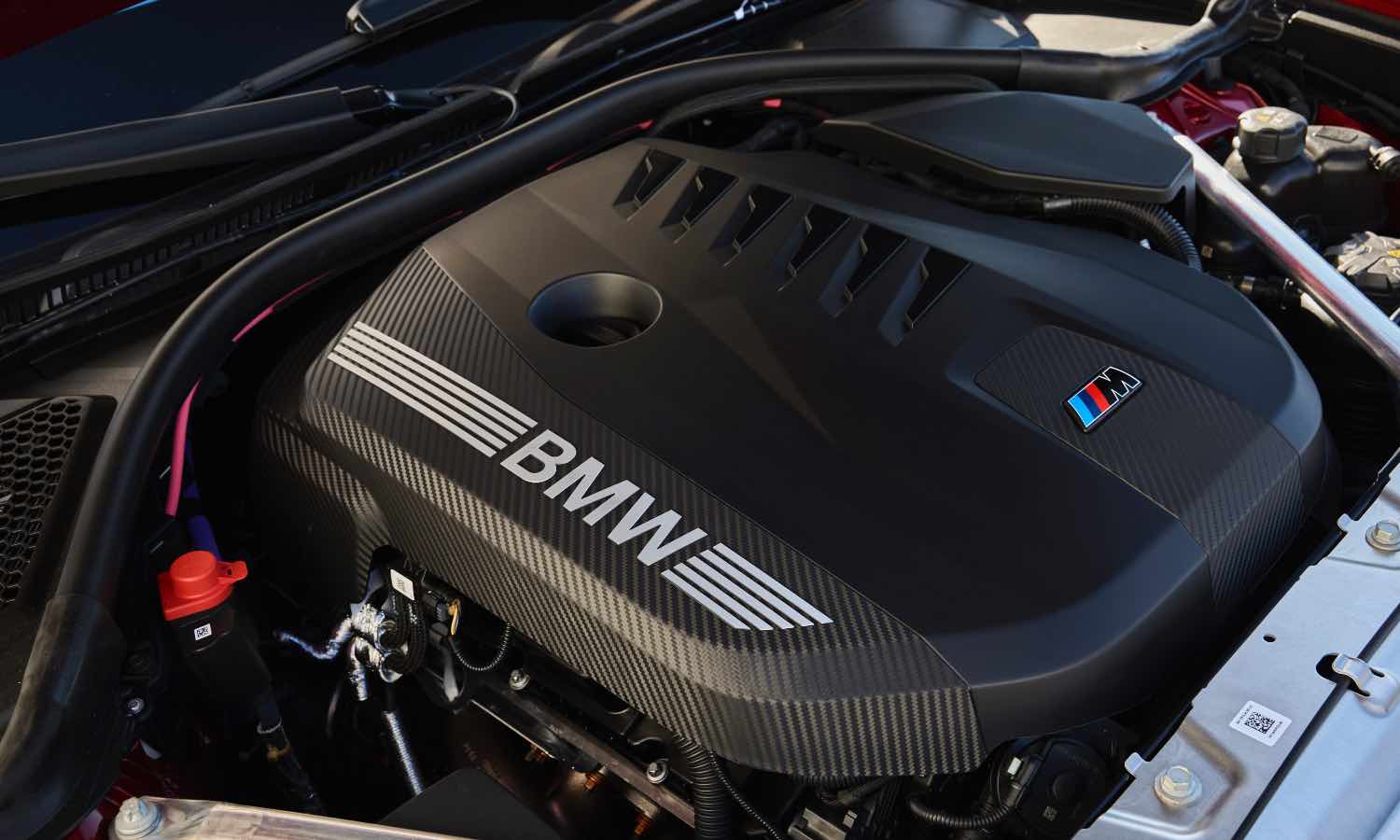
BMW doesn't want to completely abandon tradition. The brand has made it clear that the electric M3 won't be alone: it's also preparing a combustion version with an inline six-cylinder engine . This combustion variant will likely be manufactured at another plant, such as Dingolfing, and will allow purist customers to continue enjoying a gasoline-powered M3. The coexistence of both versions is one of the keys to the strategy.
BMW M CEO Franciscus van Meel has stated that the electric M3 will offer superior driving dynamics compared to the combustion engine model. He also acknowledged that the brand faces internal competition, as the electric version will directly challenge the best-selling M3 . The commitment to electrification doesn't mean abandoning traditional engines entirely, but it does set a new direction for the performance division.
What still remains to be resolved
To date, BMW has not released definitive data on power, range, battery capacity, weight, or price. Nor has it set an exact release date. Production in Munich is planned for 2027 , and some reports suggest a debut that same year, but the brand has only confirmed the production timeline. We will have to wait for the official figures.
The one million unit milestone served to celebrate the past and also to look to the future. The M3 Competition Fire Orange III that reached this figure was symbolically presented by Peter Weber, head of the Munich plant, to Franciscus van Meel. Forty years after the first M3 , the saga is preparing for its electric chapter with four motors, all-wheel drive, and power that, if the rumors are true, will be among the highest ever seen in a production BMW.
BMW M's first electric M3 is shaping up to be a high-performance sports car with four motors, a front axle disconnect, and estimates of over 800 hp. It will be manufactured in Munich, a plant that will produce only electric vehicles starting in 2027, and will coexist with a six-cylinder gasoline-powered M3. The brand is still keeping quiet about power output, range, and price, but the path to BMW M's electric era has been laid.
Table of Contents