
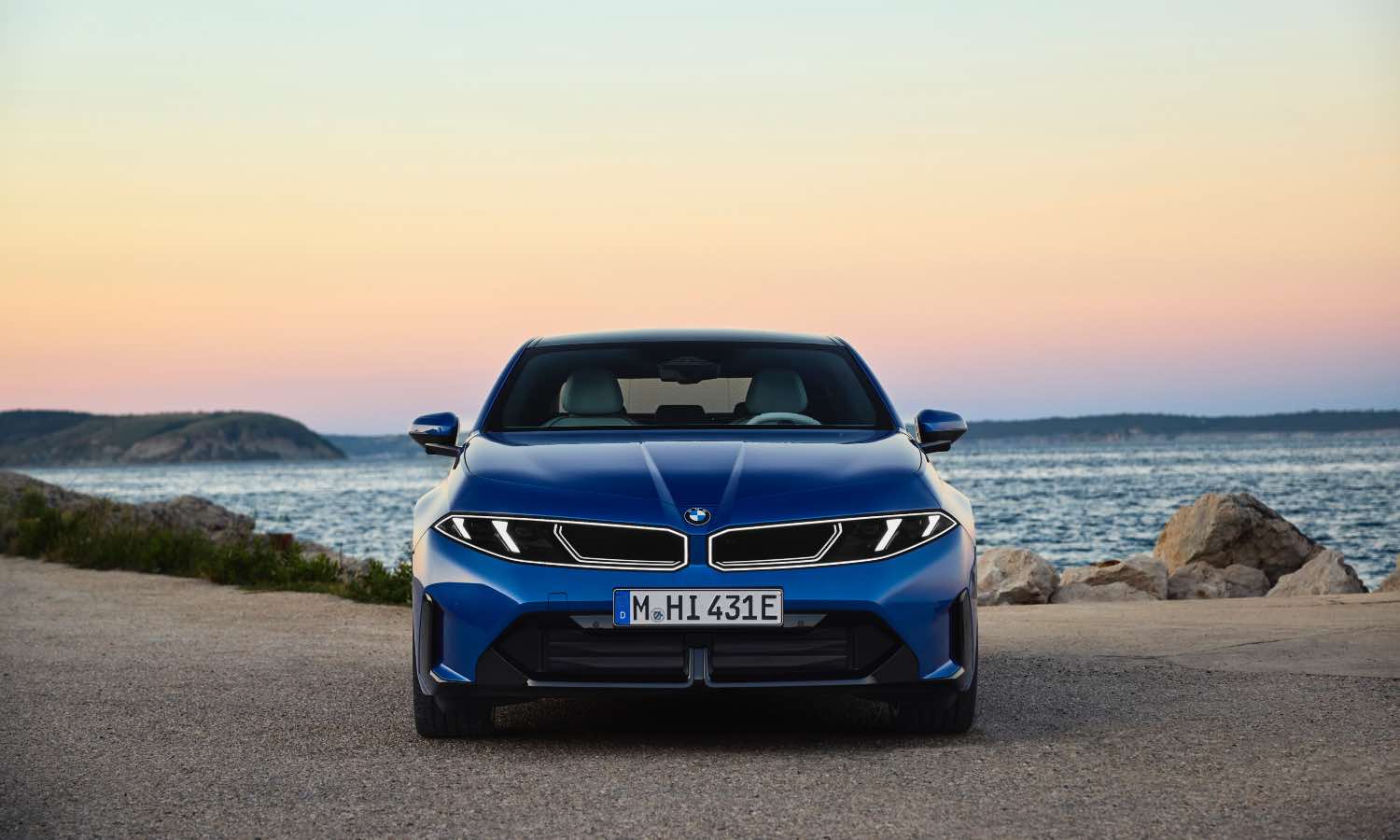
BMW is finalizing preparations for the eighth generation of the 3 Series , known internally as the G50. The German sedan will shed its camouflage at its presentation scheduled for September 30th , an event that will also clear up any remaining questions about the European range and its main technical innovations.
The model adopts the Neue Klasse design language already seen in the electric i3, although it's not a simple copy: they share aesthetic features and several equipment elements, but maintain different architectures and mechanical solutions. The combustion version retains gasoline engines, embraces mild hybrid technology, and bids farewell to diesel in Europe.

Design and platform: same skin, different guts
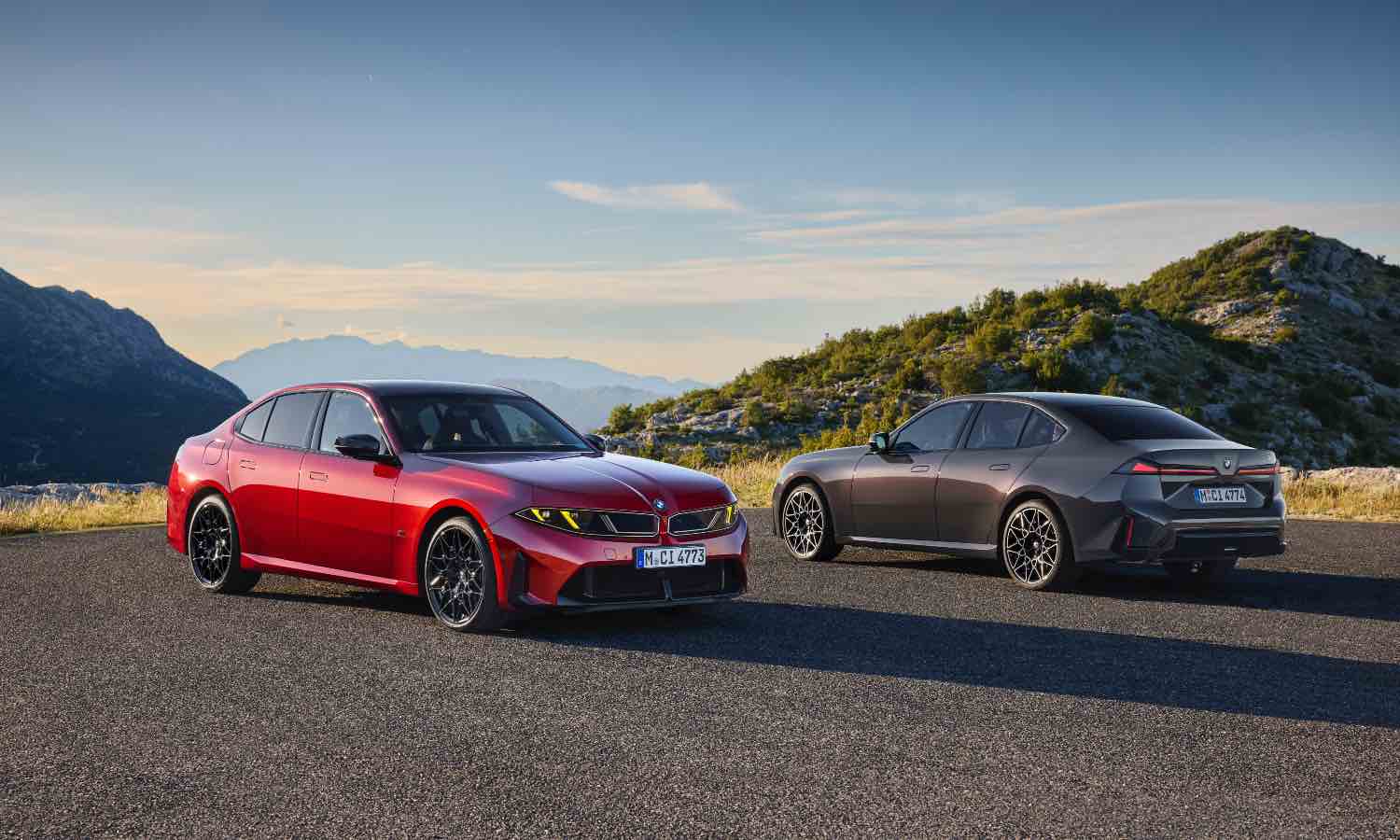
The new bodywork maintains the classic proportions of the series, but introduces details that modernize its appearance. The front integrates the kidney grilles and headlights into a single unit, with diagonal light lines, while the rear uses very thin, horizontal taillights to accentuate the width. The door handles are flush with the body and deploy when the vehicle is opened.
There are visible differences between the combustion-engine 3 Series and the i3: the former has a longer hood , designed to accommodate four- and six-cylinder engines. Its length is listed at around 4,765 meters, with a compact sedan design that incorporates certain classic features. Wheel sizes for the combustion-engine versions will range from 18 to 20 inches.
Interior: widescreen display and fewer buttons
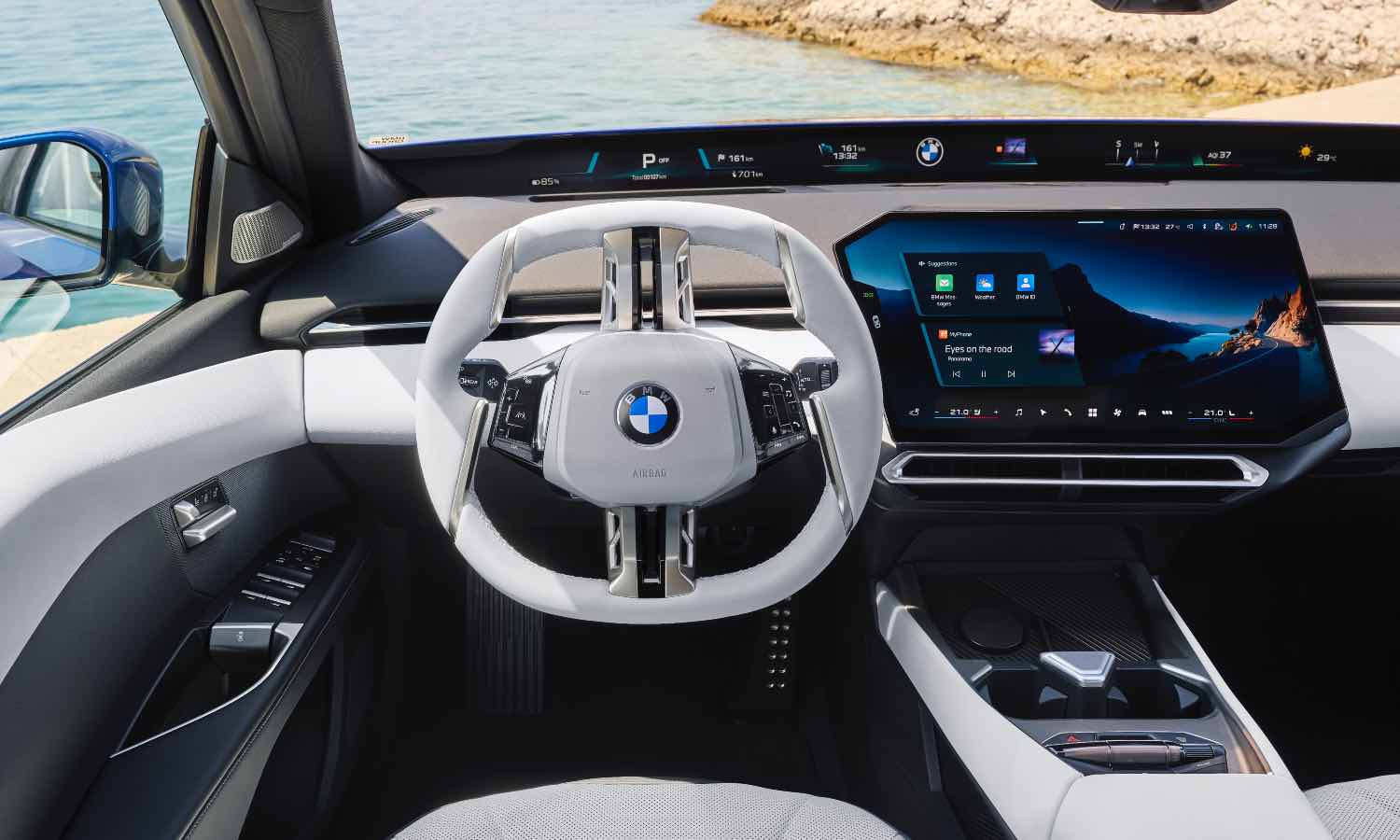
The interior follows the design language established by the i3 and other recent models from the brand. The driver's seat is arranged around the Panoramic iDrive system, which includes a digital instrument cluster projected onto the base of the windshield, a 17,9-inch central touchscreen , and a multifunction steering wheel. A 3D head-up display is available as an option.

The operating system is now BMW Operating System X , with over-the-air updates and compatibility with connected services, navigation, apps, and multimedia content. The voice assistant is powered by Amazon Alexa+'s generative artificial intelligence, enabling more natural conversations. In terms of practicality, the trunk space in the combustion engine versions is advertised at 450 liters , a figure in line with a mid-size sedan and one that the brand has confirmed for the gasoline variants.
Petrol engines and goodbye to diesel in Europe
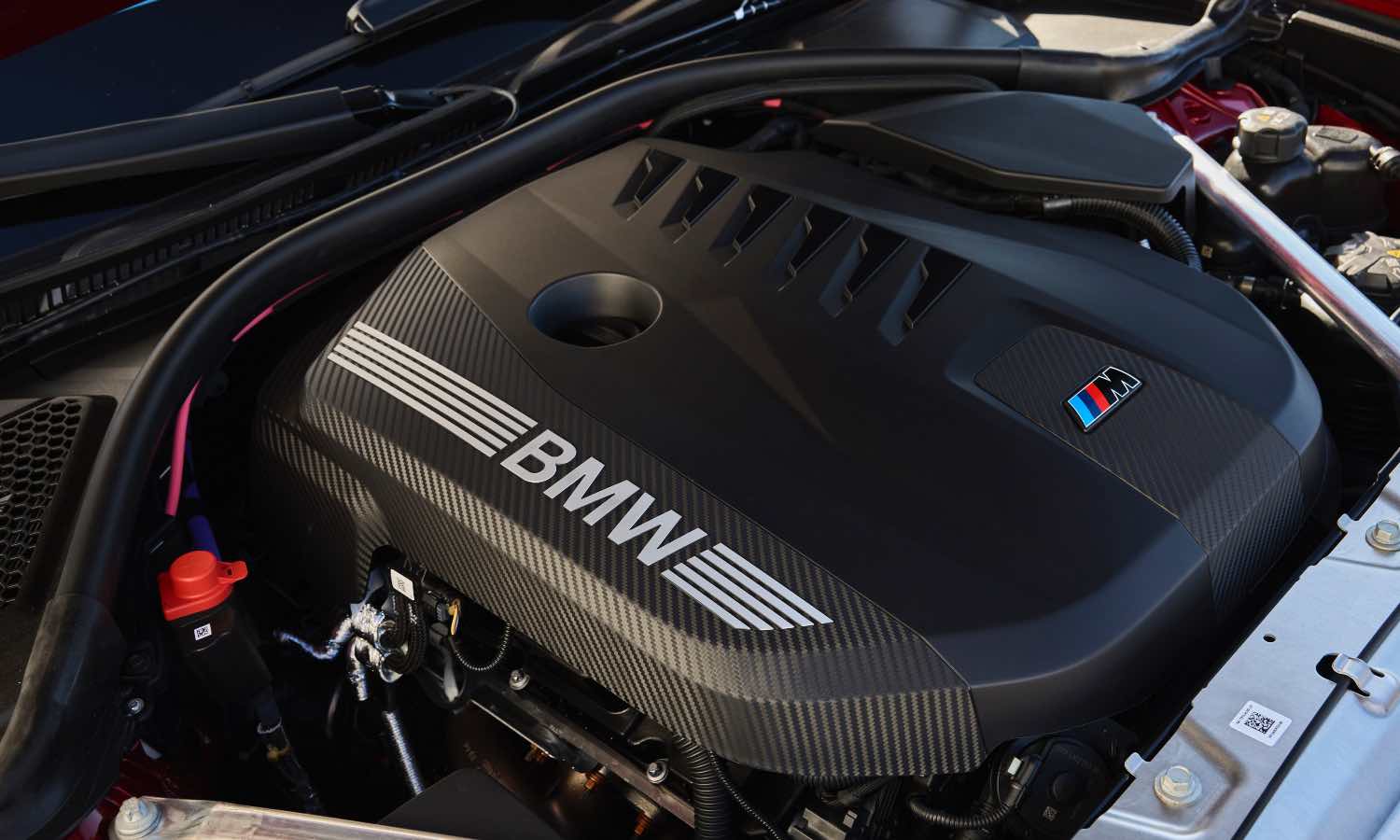
At launch in Europe, the combustion engine range will consist of the 156 hp 318 , the 211 hp 320 , and the 443 hp M350 xDrive . The first two use a 2.0-liter four-cylinder engine with 48-volt mild-hybrid technology, an eight-speed automatic transmission, and rear-wheel drive. The M350 xDrive raises the bar with a 3,0-liter inline six-cylinder engine, turbocharging, all-wheel drive, and standard adaptive M suspension.
The sport version also incorporates a mode called Drift Moment , which is activated from the central screen and allows power to be sent to the rear axle to facilitate controlled drifts. BMW sets its maximum torque at 580 Nm and positions it as the replacement for the previous M340i.
The brand has also confirmed that diesel is disappearing from the European catalog: there will be no diesel versions at launch and the 320d is left without a direct replacement, a decision that leaves the plug-in hybrid as the main alternative for fleets and long-distance drivers.
BMW will add a plug-in hybrid variant sometime in 2027 , though it has not yet released the full specifications. Meanwhile, the company continues to offer gasoline and mild-hybrid engines, but is refraining from homologating new diesel versions for passenger cars in Europe. Market trends and the importance of the fleet sales channel explain this strategy, which other brands have already adopted, although it leaves a temporary gap in the fleet market.
The electric i3 leads the way
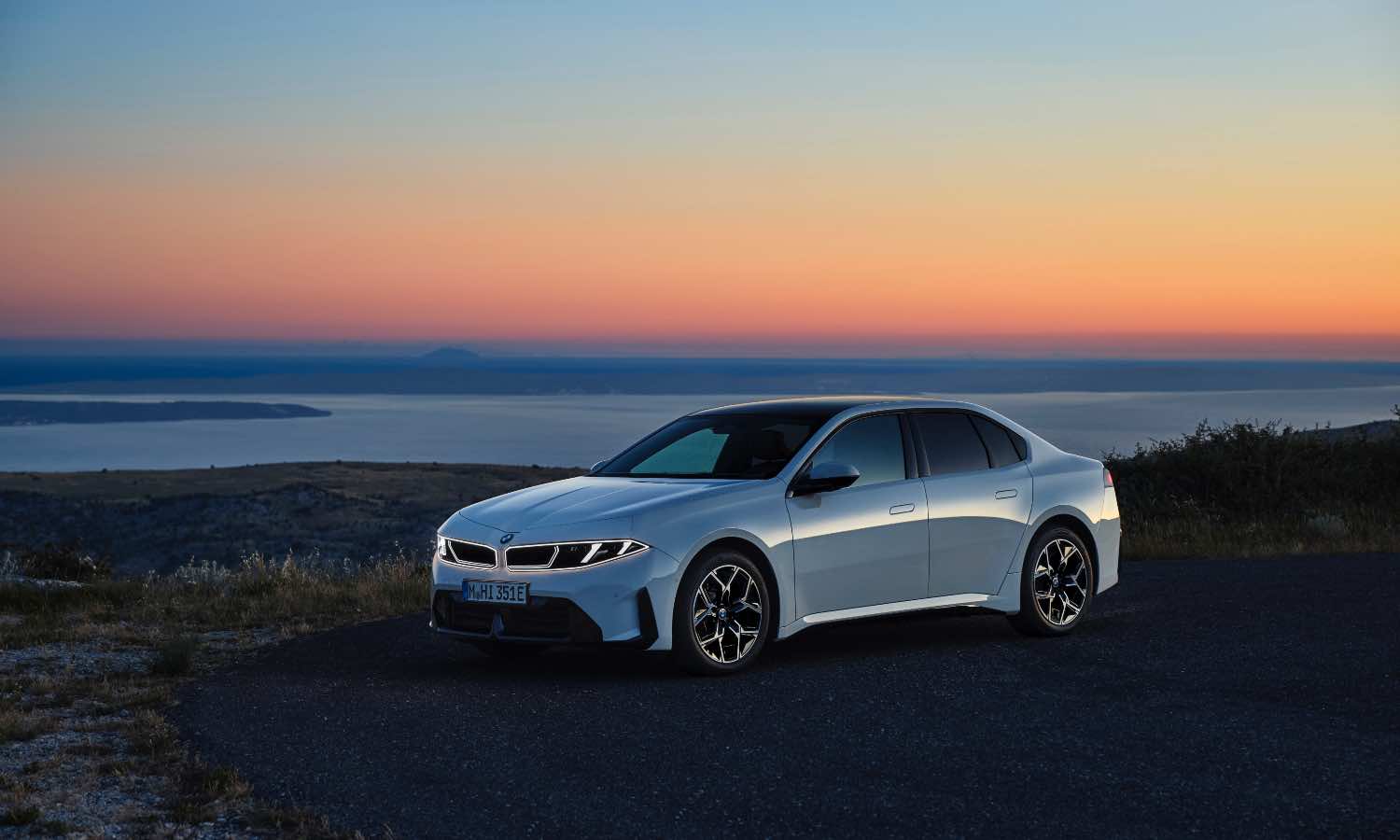
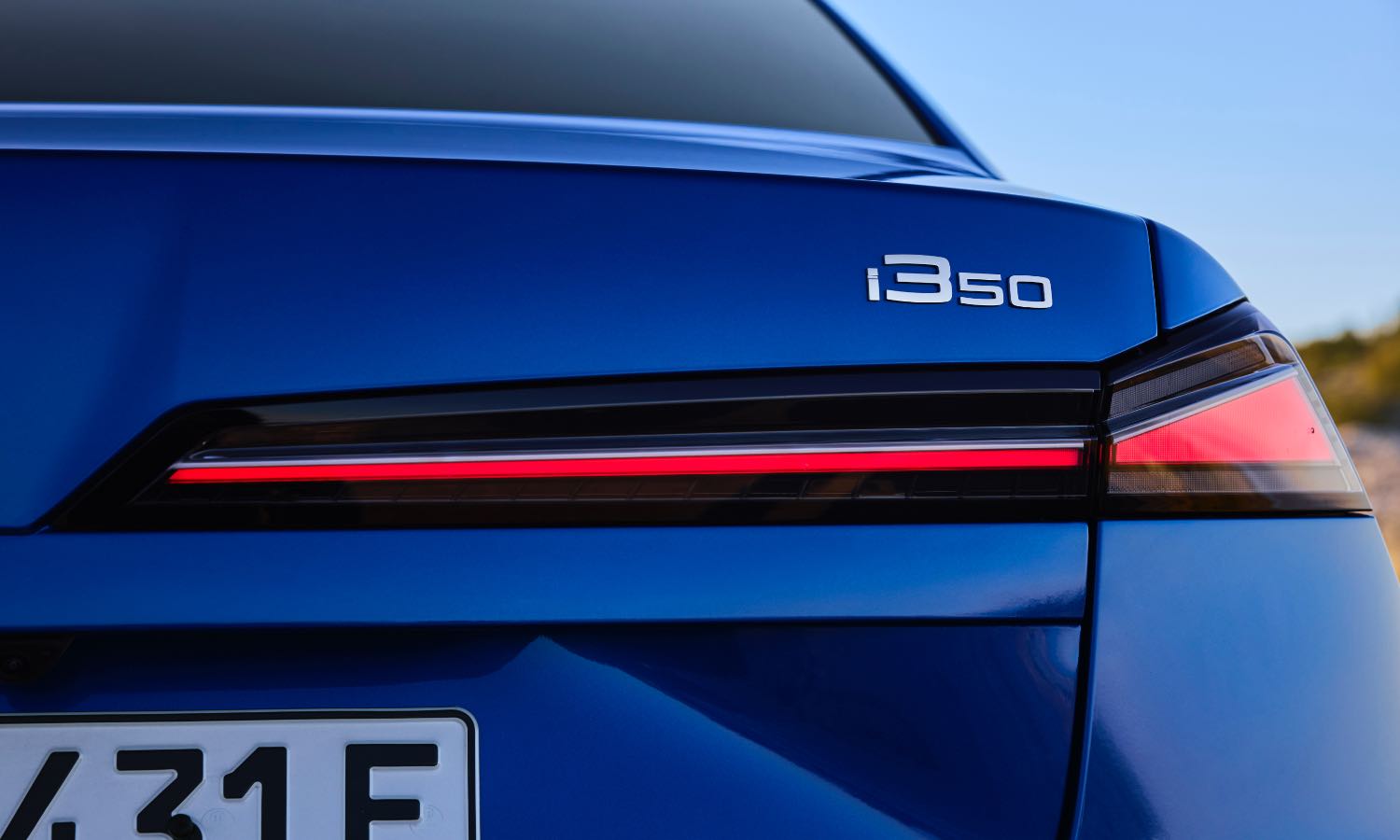
The BMW i3 serves as the benchmark in this new phase. Its 40 xDrive and 50 xDrive versions boast 374 hp and 469 hp, respectively, with all-wheel drive and WLTP ranges of up to 710 and 912 kilometers. The electric range will be completed in 2027 with an i3 M60 xDrive, whose specifications have not yet been revealed, and will serve to gauge the fit between the combustion-engine sedan and the zero-emissions offering.
European production and schedule
Production will remain in Europe. The combustion-engine 3 Series will roll off the assembly line at the Dingolfing plant in Germany, while the electric i3 will be manufactured in Munich . BMW has designed a network of specialized plants to supply both the gasoline and electric versions, with orders and deliveries staggered throughout 2027.

The European launch is scheduled for September 30th and will reveal pricing, trim levels, and the final details of the range. The first units won't arrive at dealerships until next year, so the rollout will be gradual. The brand has not yet unveiled all the versions that will complete the lineup, especially regarding the plug-in hybrid and potential entry-level variants.
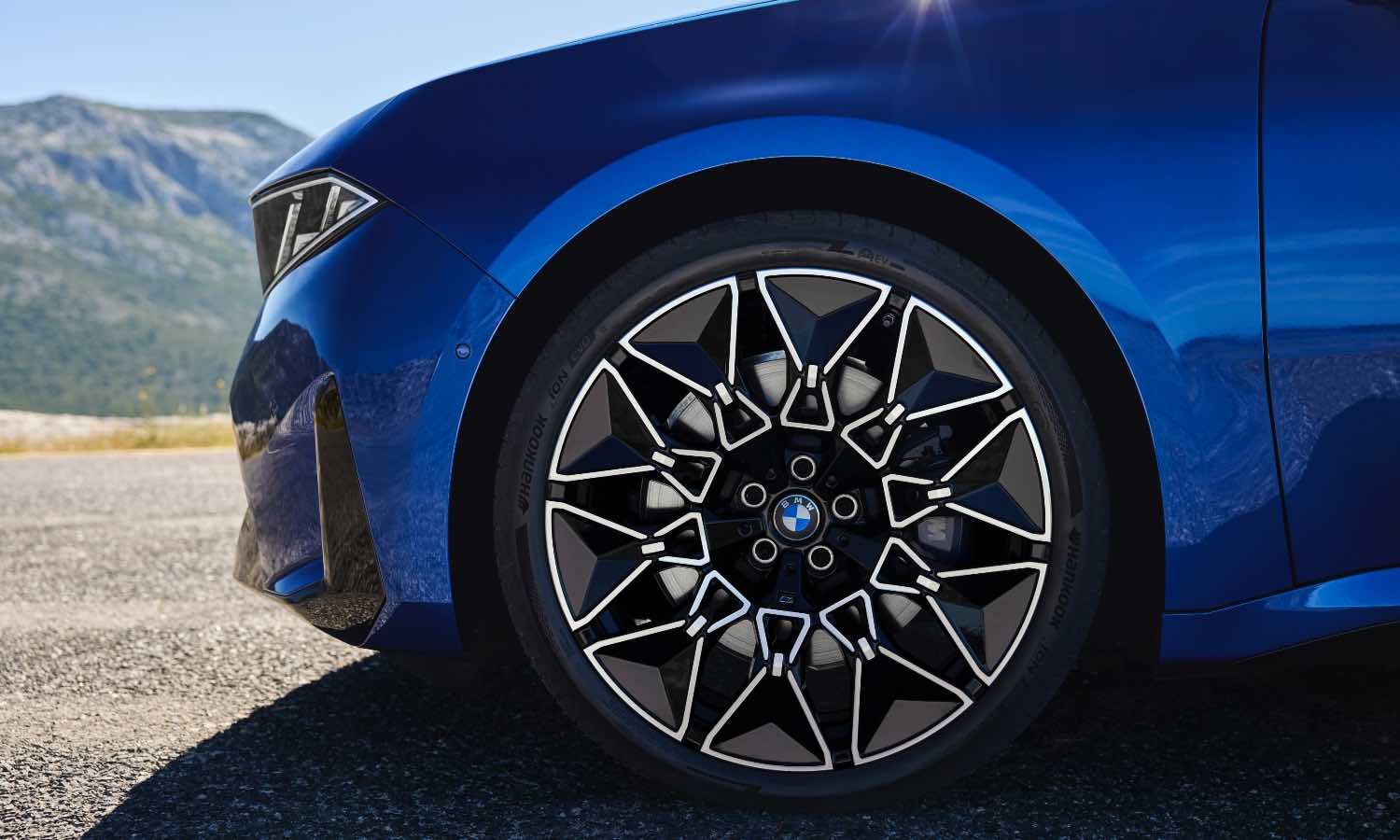
The new generation of the 3 Series arrives with a profound image change, micro-hybrid gasoline engines, the farewell to diesel in Europe and an electric offering supported by the i3.
The 443-hp M350 xDrive remains the benchmark for combustion-engine sports cars, while the plug-in hybrid and the i3 will complete a range that aims to cover everything from practical driving to high performance. All of this will be achieved while maintaining European manufacturing, with the Spanish market awaiting final pricing and equipment details.


Table of Contents