

Aprilia's MotoGP project has reached a turning point after a high-level season in which, according to its head, the key has been a specific figure within the garage. In the words of Massimo Rivola, the competitive boost has one protagonist: Fabiano Sterlacchini , the technician who has accelerated the team's transformation.
The results reflect this new phase: in addition to victories in Australia and Great Britain, the team secured six podium finishes, confirming that it is no longer a secondary player. In the European paddock, especially after Silverstone, it's clear that Aprilia has done its homework and that its performance is much more consistent.
What's behind the jump?
This evolution is based on an internal reorganization and refined technical management. Sterlacchini took the reins of the sports area at the end of last year, replacing Romano Albesiano, in the midst of a project restructuring. The new distribution of responsibilities and the prioritization of processes have allowed improvements to reach the track more quickly.
The role of Fabiano Sterlacchini
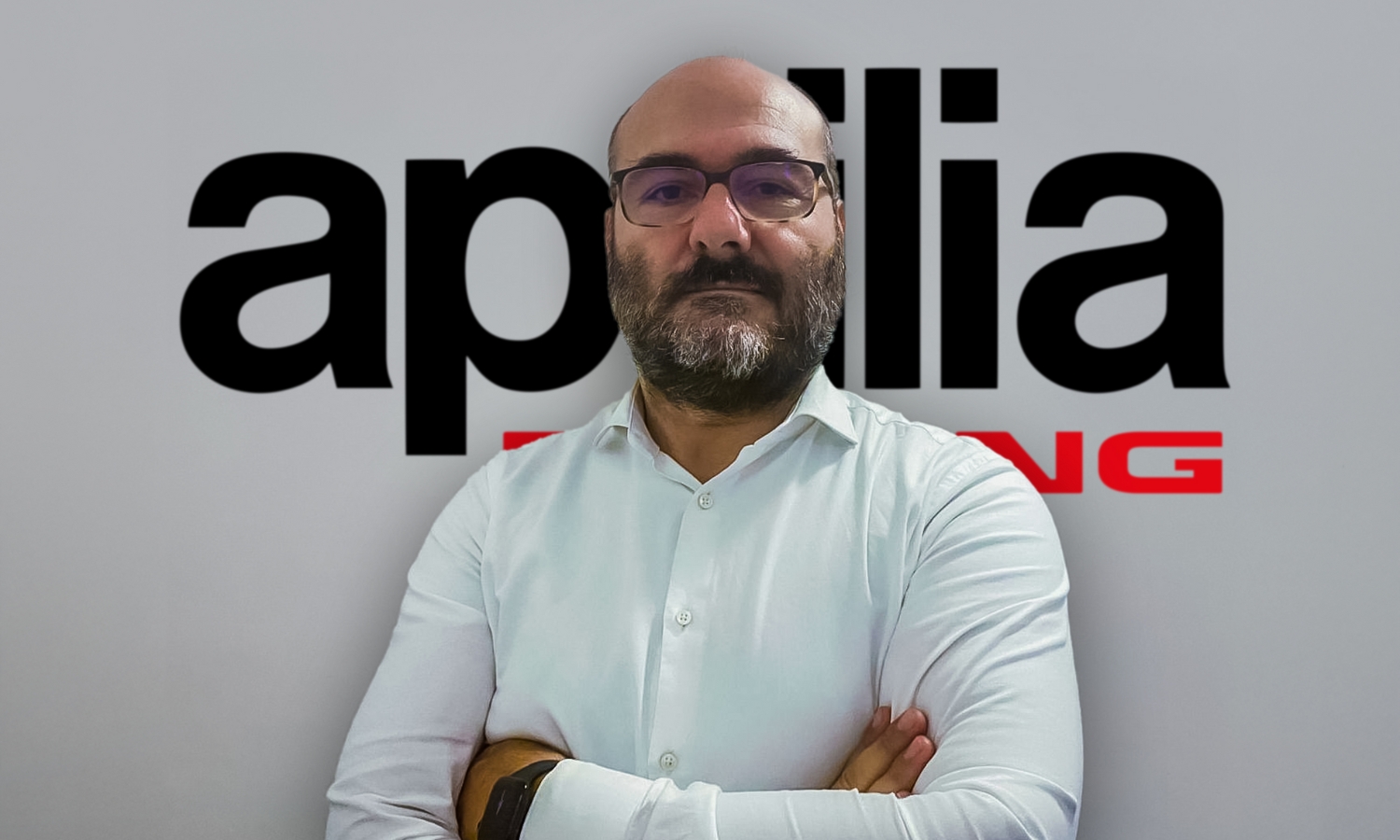
Arriving from KTM Racing, Sterlacchini has brought methodology and a focus on critical details to the package. Rivola has publicly acknowledged his impact, highlighting that the new team principal has seized the opportunity to optimize coordination between engineering, riders, and operations.
The Aprilia boss conveyed from Australia that they now have all the elements necessary to fight for victories regularly. Furthermore, the medium-term plan is to raise the bar by 2026, aiming to challenge established teams like Ducati Corse for the top spot—an objective that requires maintaining a consistent pace of development race after race.
The track as a thermometer
The qualitative leap has become evident in various scenarios. In Mandalika (Indonesia) and at other events, the RS-GP proved faster and more manageable, an indication that the factory work is paying off. Rivola emphasizes that the gap to the leaders has narrowed , and therefore there is no room for squandering the momentum gained.
Results that support the ambition
Victories at Phillip Island and Silverstone were turning points, but perhaps even more telling is the consistency: six additional podium finishes demonstrate that the project maintains its level across diverse circuits and conditions. This regularity is what truly signals a change in status within the championship.
The challenges that remain to be solved
The season has also been marked by setbacks. Injuries and contract issues have affected the rider lineup, with Jorge Martín facing a complex period and needing to manage his workload and training schedule to be in top form for next season. Meanwhile, direct rivals like Marco Bezzecchi are entering the new year with more experience, forcing Aprilia to extend its competitive edge.
Reading from a Spanish and European perspective
The impact of this development is felt especially in Europe, where the British Grand Prix served as a showcase for the new Aprilia. For Spanish fans, the presence of Jorge Martín and the ambition of the project add interest to a championship that will be decided by the smallest of margins, with a technical and sporting battle taking place on the continent's major circuits.
The outcome of this phase is clear: a more organized Aprilia, a faster bike, and a team that has found its competitive edge in Sterlacchini. With victories, podium finishes, and a plan to challenge Ducati, the bar is set higher, and the challenge now lies in sustaining this development and better managing human factors so that progress becomes second nature.
Table of Contents